

Inclusive Luxury Isn't a Casting Decision.
It's a Production Problem.
In the Atlanta summer heat, roller skates already laced, more than three thousand people moved through a build we spent four months making for Refinery29's Unbothered platform. The Glow Up was a celebration of Black women, and it taught me the thing I now believe about inclusive luxury: the work isn't the casting, it's the room. We built six worlds inside one footprint. A roller rink with a live stage. A food court stocked with Black-owned Atlanta restaurants. A pavilion that ran more than twenty-five sessions over a single weekend.
None of it read as outreach, because none of it was retrofitted. The audience wasn't invited into someone else's idea of premium. The premium was built around them. That distinction is the entire argument, and most brands get it backward.
What does inclusive luxury actually mean?
Inclusive luxury is the practice of widening who a luxury brand serves without lowering the quality of the experience or the sense that it was made with intention. It broadens the audience by broadening the craft, not by loosening the standard. The lazy version treats inclusion as a guest-list problem. You add new faces to the campaign, new names to the invite, and call the work done.
The harder version treats it as a design brief. Who is this room actually built for, and does it hold up for every one of them once they're standing inside it?
Inclusion and exclusivity only look opposed if you believe exclusivity means a narrow door. It doesn't. The narrowest, most coveted experiences I've ever built were also the ones that made every single guest feel specifically considered. That's the part the binary misses.
A brand can be precise about its taste and generous about its audience at the same time. The two aren't in tension. They're the same muscle.
Representation that stops at the image is the expensive kind of mistake
The most common failure I see isn't a brand refusing to be inclusive. It's a brand being inclusive only where the camera points. The campaign casts everyone. The sizing stops at the same place it always did. The foundation range still doesn't go dark enough. The lighting in the room flattens half the faces standing in it.
The image says everyone is welcome. The experience says some of you are.
That gap is costly, and not in a vague reputational way. It's costly because audiences read it instantly. People know the difference between being courted and being decorated. When the representation lives in the photo and nowhere in the product or the space, the inclusion registers as a claim the brand can't actually back, and a claim you can't back is worse than one you never made.
The work has to be true past the frame. If it isn't, the frame becomes the evidence against you.
Inclusion is a production problem, not a casting one
The clearest example I've worked on was a Fendi and Skims pop-up where the whole identity rested on Skims' nude palette, the lightest and the deepest browns included. Here's the part nobody outside production thinks about: standard RGB lighting can't actually render a brown. You cannot communicate the lightest or the darkest nude shades under a rig built to mix red, green, and blue. The technology itself was excluding people before a single guest walked in.
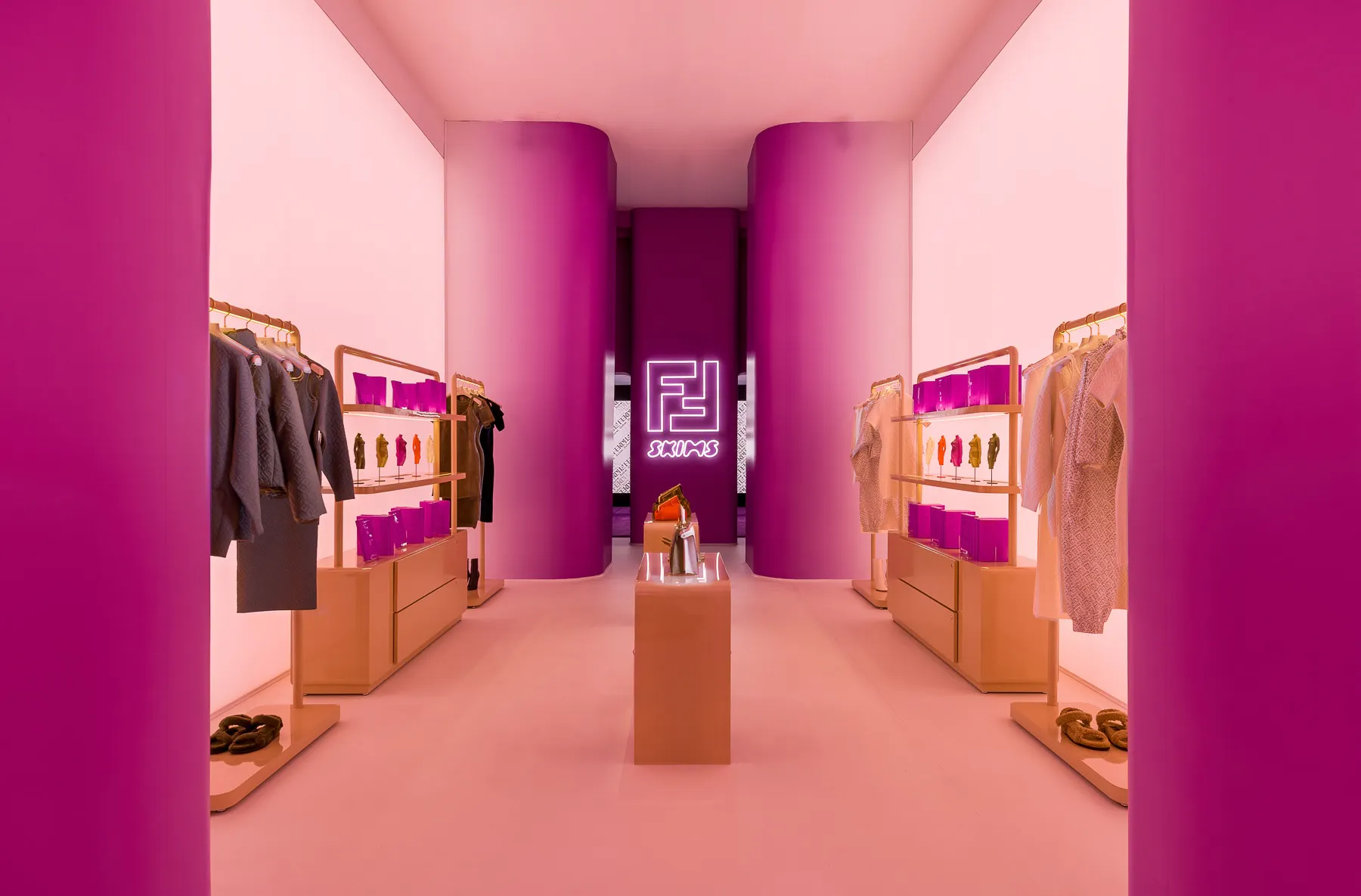
So we didn't solve it in the casting. We solved it in the build. We worked with one of my favorite lighting designers, sampled materials for weeks against the planned lighting, and programmed the installation specifically so the full range of shades read true in the room. You can cast the most diverse campaign in the world, but if the light can't hold the deepest skin tone in the space, you've excluded someone at the level of physics. No model fixes that. Only the production does.
That work became a long-running partnership rather than a one-off, which is its own receipt: when the room actually serves the product and the people, brands keep building in it. The deeper version of this argument, that the experience stops being a wrapper and becomes the product itself, sits in our piece on the new definition of luxury, and the lighting-and-material thinking behind it lives in how we approach multi-sensory retail design. You can see the build documented on the Fendi x Skims project page, including the lighting-program development and the material sampling cycles. This is exactly the layer that creative direction and spatial design is supposed to own, the decisions that happen long before anyone sees a guest list.
Broadening the audience without cheapening the brand
The brand people reach for here, rightly, is Fenty. When Fenty Beauty launched in 2017 with forty foundation shades, while prestige houses were still selling eight or twelve and insisting wider ranges weren't profitable, it didn't dilute itself to do it. It set the new standard. The deepest shades sold out first, which told the entire category that the demand had always been there and the product had been the thing missing. Broadening the audience didn't cost Fenty its prestige. It became the reason for it.
That's the move worth studying. Inclusion read as desirability, not as charity. The brand got bigger by getting more precise about who it was actually for.
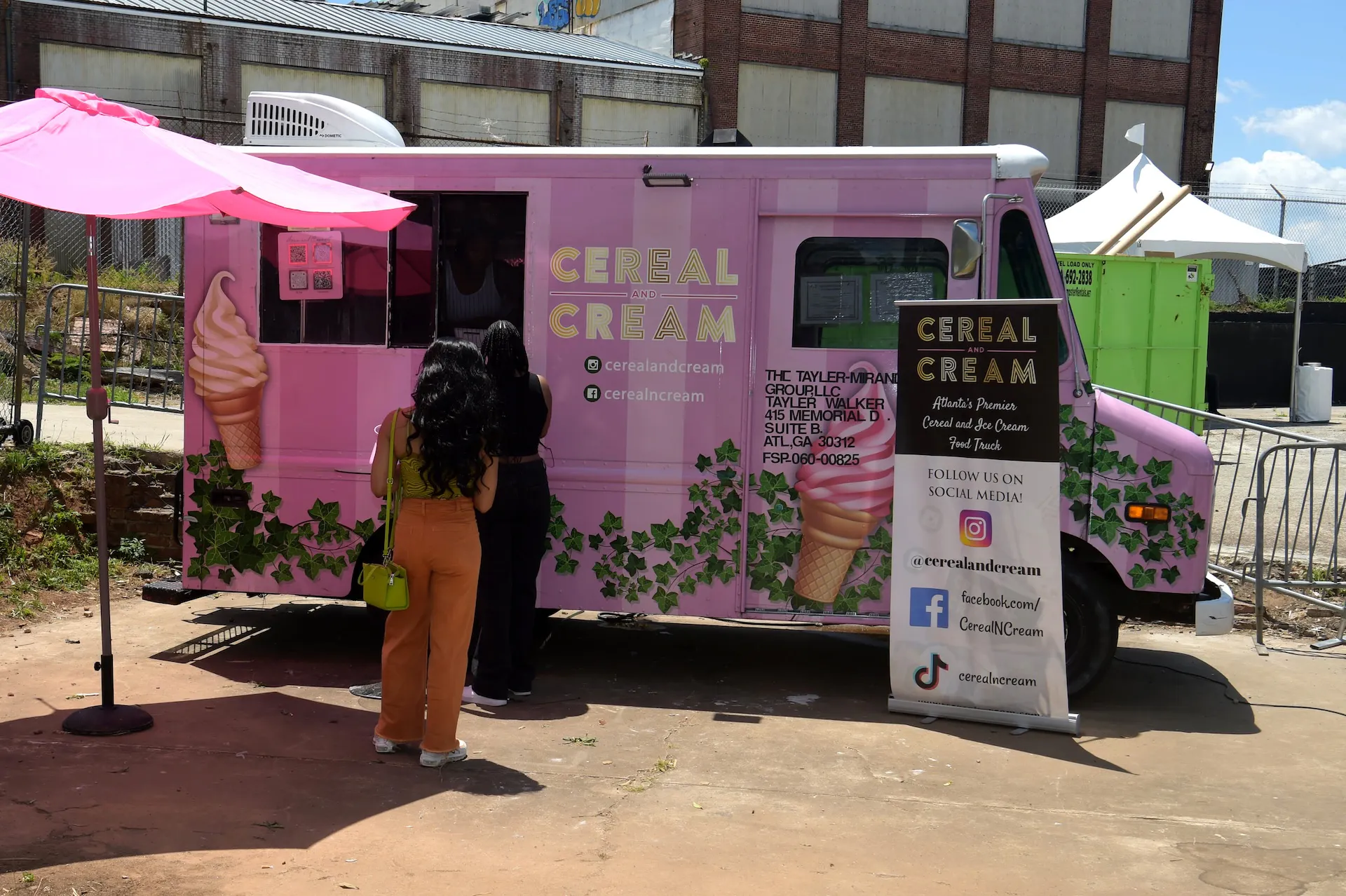
The Glow Up worked the same way at the experiential level. The food court wasn't a generic catering line; it was Black-owned Atlanta restaurants, chosen on purpose, set inside a six-space build that drew more than three thousand people. The programming wasn't broadcast at the audience; it was built from the inside of the culture it was celebrating. We've done it in retail too, with formats like MAC Market in Chinatown, where the setting and the references belonged to the community the brand wanted in the room, rather than asking that community to translate itself into someone else's space. Pulling that off without it tipping into either tokenism or mush is a production question more than a creative one, which is what production and project management actually exists to carry.
How do you stay exclusive while becoming more inclusive?
You stay exclusive by changing what the exclusivity is made of. Move it off the door and into the room. The real scarcity in a luxury experience was never the scarcity of access; it's the scarcity of care. How considered the space is. How specifically it was made for the people in it. How much it holds up on the second look and the third.
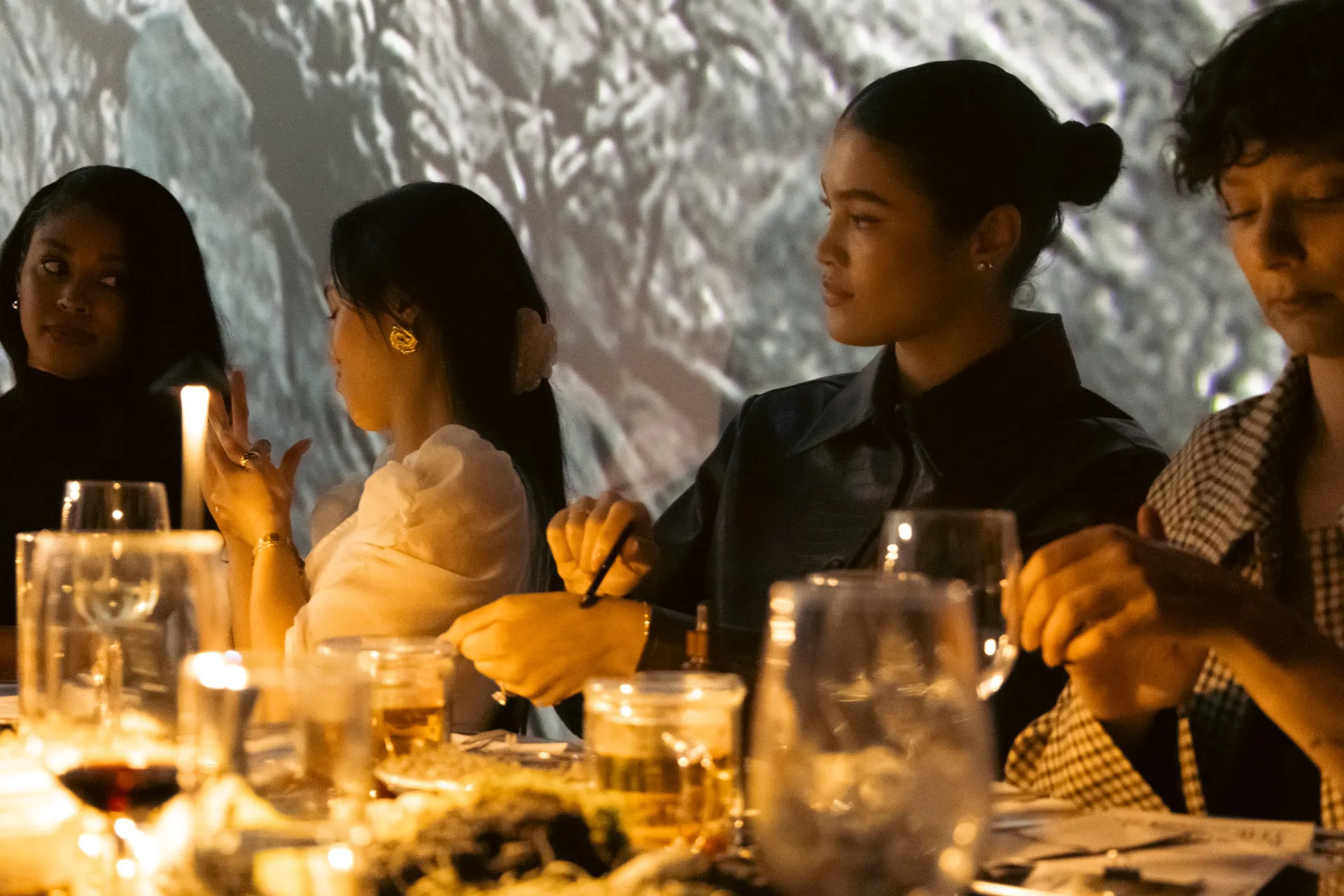
A room built with that much intention is automatically exclusive, because almost nobody does it. And it's automatically inclusive, because the intention extends to everyone inside, not just the ones the brand was already comfortable with.
I don't spend much energy on the identity framing of this. As I've said before, I don't think of my day as other at all, but I wish there were more of us in many of these rooms. The work has to speak for itself, and the people. I'm not interested in inclusion as a brand virtue you announce. I'm interested in it as a thing you can feel within five minutes of walking in, or can't.
The way we know it landed isn't the impression count. It's the sentiment, who lingered, who came back, who described the room to a friend the next morning as somewhere they belonged. That qualitative read is the harder thing to capture and the truer one, which is why measurement and reporting has to hold the feeling, not just the footfall. An activation can be packed and still leave half the room unseen. The number won't tell you that. The people will.
Frequently Asked Questions
Who the Room Is Built For
The brands that will hold the word luxury over the next decade won't be the ones with the highest walls. They'll be the ones whose rooms were built, from the lighting up, for everyone actually standing in them.
That's a craft commitment before it's a values one. It shows up in a material sample, a programmed light rig, a vendor list, a floor plan. It's decided long before the campaign, and the campaign only works when the decisions underneath it are already true.
Inclusion and exclusivity were never the real tension. The real question is the same one I ask at the start of every brief: what feeling are we trying to leave our audience with, and is the room actually built to deliver it to all of them?
If your brand is thinking about how to broaden its audience without losing the thing that made it worth wanting, start a conversation with us and we'll show you what that looks like in production.
Let's build
If you're thinking about how your brand shows up in the world, we'd love to hear from you.