

Purpose-Driven Luxury Can't Live on the Step-and-Repeat
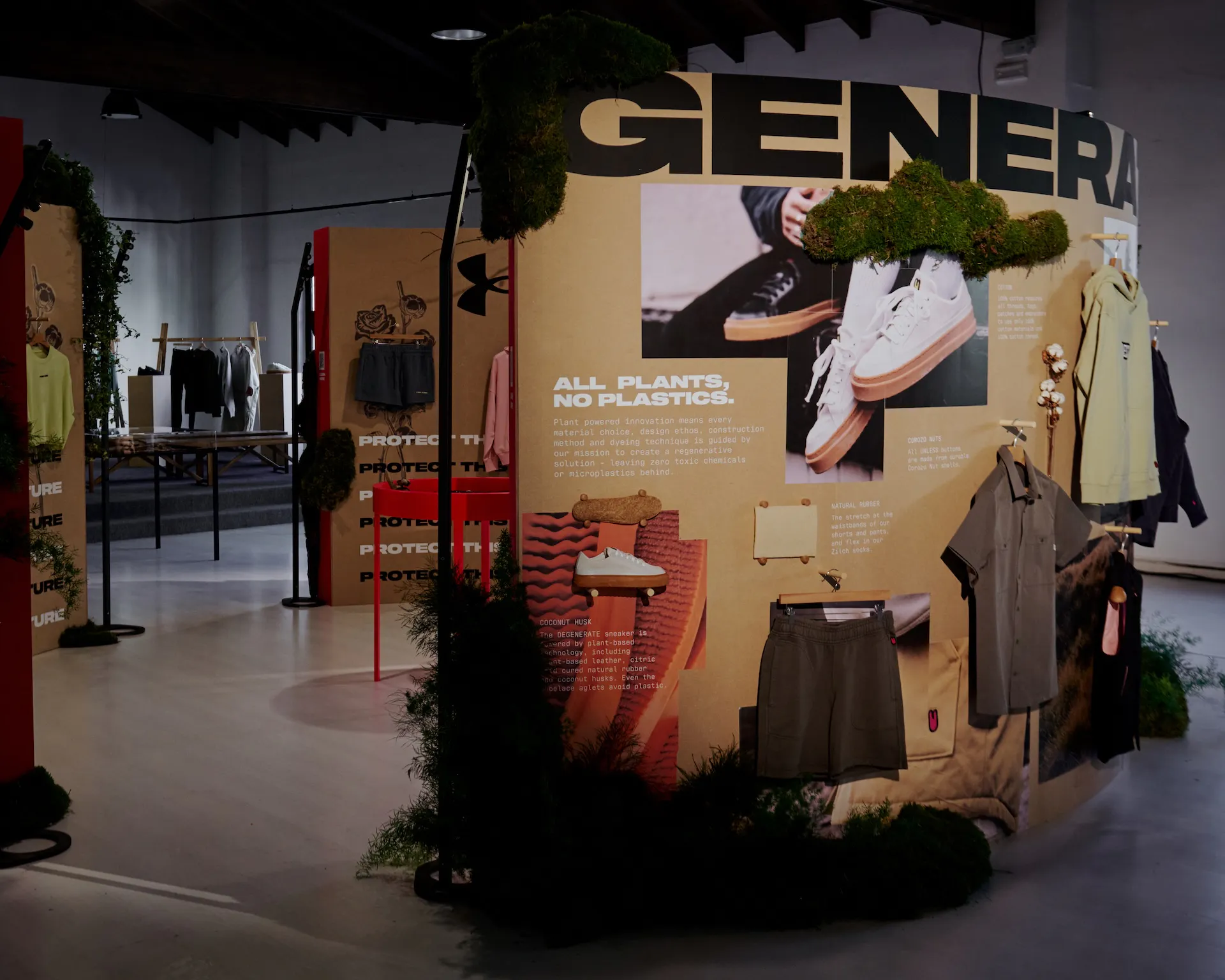
At Milan Design Week, inside an Under Armour and UNLESS Collective installation called The Regenerative Cycle, the product displays were doing something most luxury activations would never allow. They were decomposing. The build walked visitors through the breakdown of a garment from start to finish, and the entire structure was assembled plastic-free, with production partners chosen because they shared that commitment.
The press preview drew thirty journalists, the cocktail brought 275 Salone guests, and the work went on to earn more than 3.7 million social impressions and a run of coverage that included WWD. That outcome is the case for purpose-driven luxury in a single room. The message wasn't printed on a wall behind the bar. It was the thing people walked through, touched, and watched fall apart on purpose. The brands getting this right don't bolt a cause onto an event. They build the event out of the cause.
What does purpose-driven luxury actually look like?
Purpose-driven luxury is when a brand's social or environmental commitment is built into the experience itself, through what it's made of, who it sources from, and who actually benefits, rather than announced alongside it. The difference is structural. One version treats purpose as a layer applied to the event. The other treats it as the material the event is built from.
Luxury audiences have come to expect that the brands they buy give something back, and they've also grown fluent at spotting the difference between a commitment and a costume. The expectation is real, which is exactly why the shortcut is so tempting. It's easier to sponsor a cause than to change a supply chain.
The audience reads the gap instantly. A brand that prints a donation line on the invitation and changes nothing else has told its most attentive customers precisely how deep the commitment goes. The luxury consumer in 2026 is not impressed by the gesture; they're watching for the practice underneath it.
Purpose, done at this level, isn't a message. It's a set of decisions a guest can feel.
The gala model, and where it stops working
The charity gala is the oldest move in luxury philanthropy, and at its best it's a genuinely good one. The amfAR galas, with their roster of luxury house sponsors and headline auctions, raise real money for AIDS research while conferring real prestige on everyone in the room. When a gala actually funds the cause and the brand's involvement is sustained, the model works. Money moves, and so does brand affinity.
Where it stops working is when the gala becomes the entire purpose strategy. One night a year, a tax-efficient line item, a step-and-repeat that does all the giving-back while the other 364 days carry on unchanged.
The auction format has the same split personality. A meaningful auction channels attention toward a cause and lets a community participate in it. A hollow one is a branded backdrop for photographs that happen to have a charity's name on them. The difference isn't the production budget. It's whether anything outside the room actually changes.
A gala can be the visible peak of a real commitment, or it can be the whole performance. Audiences and journalists have learned to ask which.
Build the purpose into the room, not onto the wall
The stronger model puts the purpose into the structure of the activation, where a guest encounters it as experience rather than as signage. WONU's Under Armour x UNLESS Regenerative Cycle did this literally. The plastic-free build practiced the circular message it was teaching, and the decomposing product displays turned the brand's sustainability claim into something visitors could watch happen rather than take on faith.
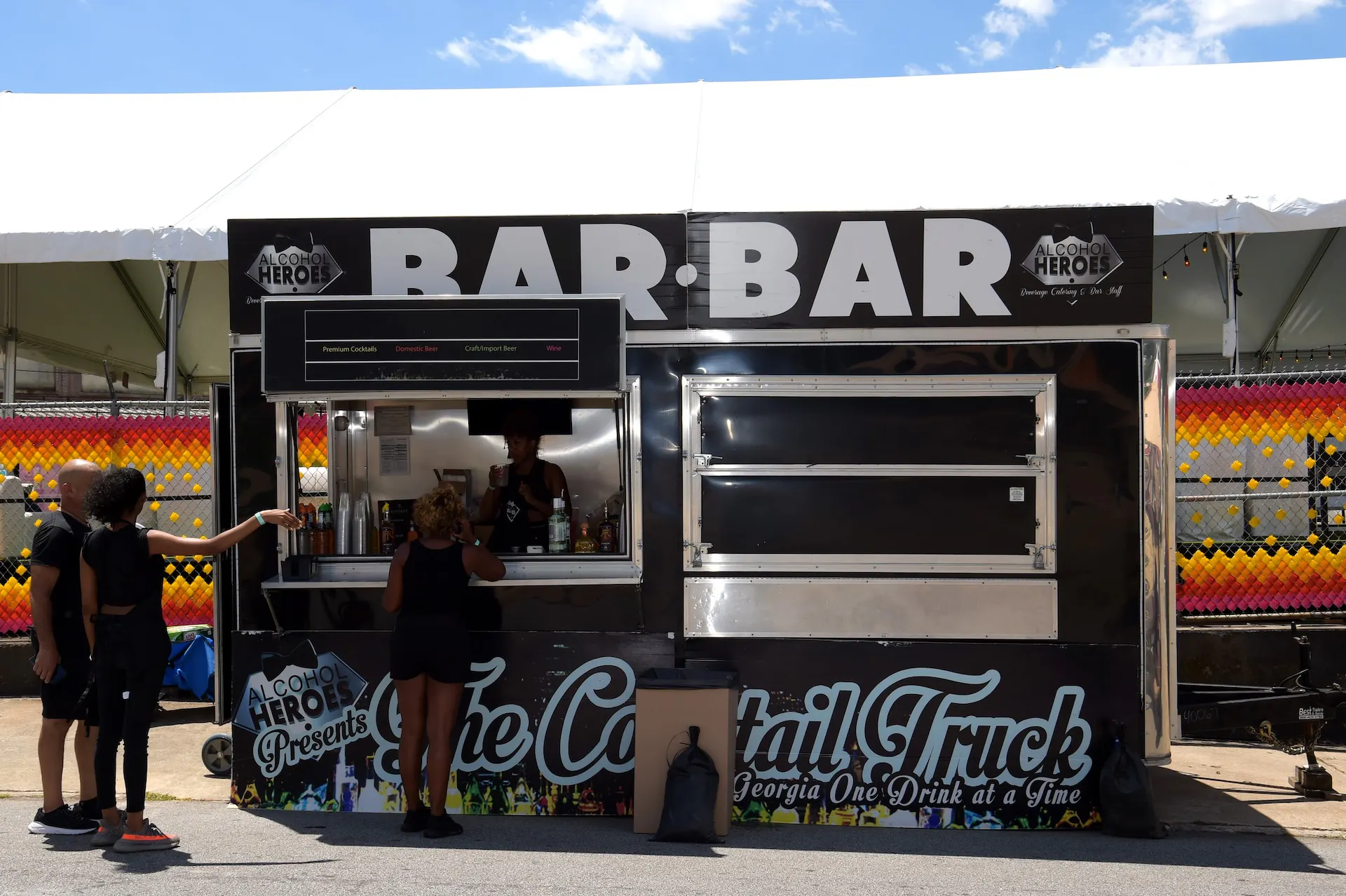
Community benefit can be built the same way, through the budget itself. At The Glow Up, the food court wasn't a generic catering line; it was Black-owned Atlanta restaurants brought into the activation on purpose, so the brand's spend reached the community the event was celebrating. The purpose was in the procurement, not the press release.
The Nike activation at JD Sports State Street in Chicago worked on the same principle. Eight local Chicago creatives were paid to lead the day, and thirty pairs were gifted to community voices, so the launch put resources into the city's own creative economy as part of how it ran. That's the kind of intention our creative direction and spatial design practice is built to design in from the first floor plan. Purpose works best when it's a decision about the build, not a caption added afterward.
Honoring the makers is its own kind of purpose
Purpose in luxury isn't only about charity. It's also about stewardship: honoring the people who make the work, the heritage behind it, and the materials it depends on. For a category built on craftsmanship, spotlighting the maker is a form of giving back that sits naturally inside the brand's own story.
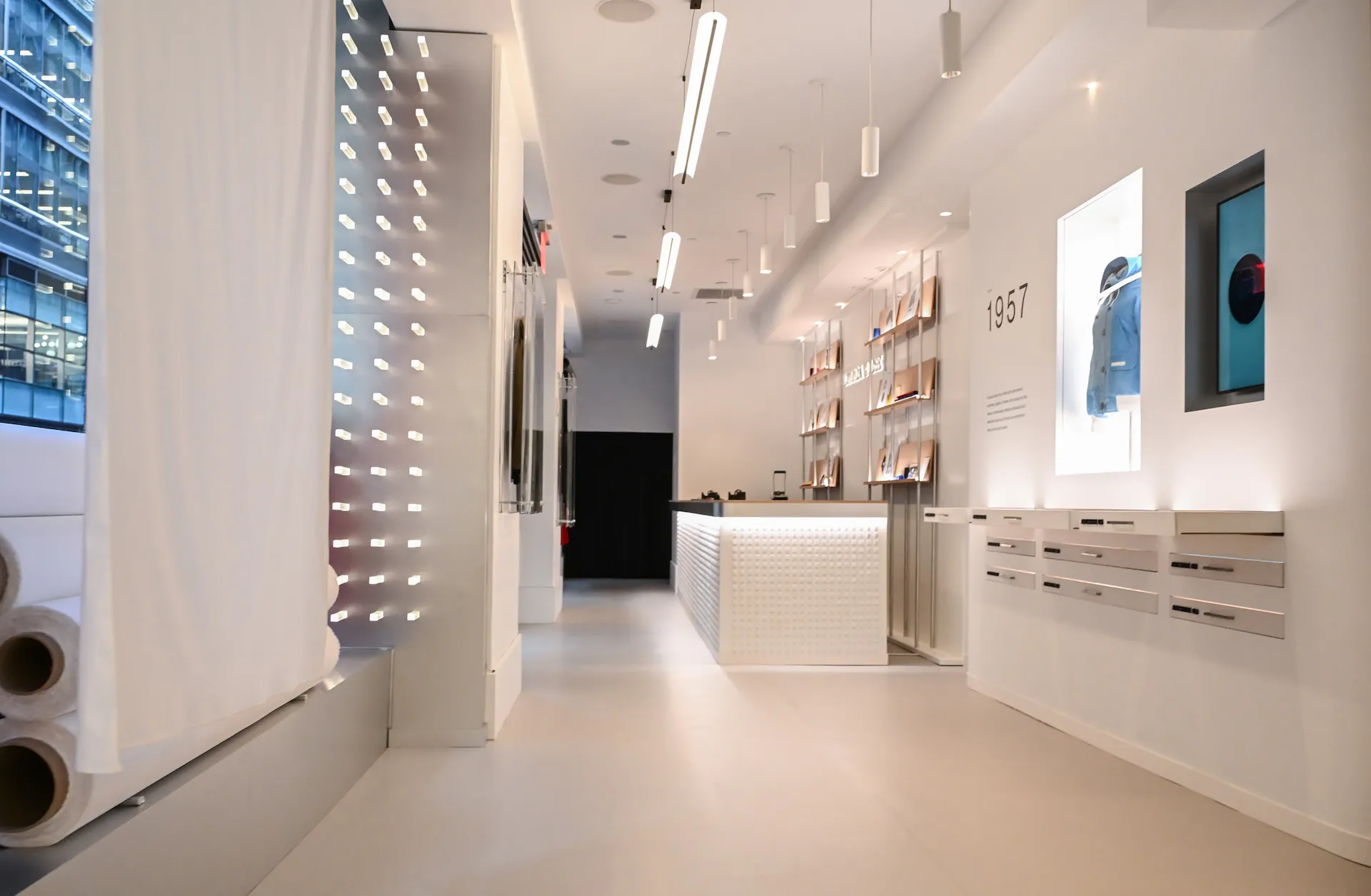
WONU's Canada Goose pop-up at Bloomingdale's took this route, transforming an unused space into an exhibition of the brand's heritage of craftsmanship, with archive drawers and a workshop-style display counter that put the making on view. The activation treated the brand's history and its makers as the thing worth celebrating, rather than the logo. The same instinct ran through the UNLESS installation's material storytelling, where the substance of the product was the story.
Sustainability and craft narratives demand more, not less, production rigor, because the audience will inspect the claim. A spotlight on artisans that cuts corners on the build contradicts itself. Carrying that kind of detail across a live activation is what production and project management exists to hold. The reverence has to be real in the room, or it reads as set dressing.
The line between purpose and purpose-washing
The risk in all of this is the gap between the message and the practice. When a brand's purpose claim runs ahead of what it actually does, audiences and the press treat it as the marketing exercise it is, and the backlash costs more than silence would have. Greenwashing and its cousins fail for a simple reason: they're checkable.
The test is whether the purpose survives two things. The end of the event, and a journalist's scrutiny. The UNLESS installation earned its WWD coverage because the plastic-free build was a verifiable fact, not a slogan. The substance was the story, which is why the story traveled.
Measurement matters here in a way that goes past attendance and impressions. The honest questions are whether sentiment shifted, whether the cause actually benefited, and whether the commitment would hold up if someone looked closely. Capturing that, the difference between a meaningful outcome and a flattering one, is exactly what measurement and reporting should be built to surface. A purpose-driven event that can't answer "what changed" wasn't purpose-driven. It was themed.
Frequently Asked Questions
What's Left When the Lights Go Down
The most lavish event in the world is forgotten by the following week unless it left something behind. A community better off, a supply chain genuinely improved, a maker given a wider audience, a cause with more in its account than it had before.
That residue is what separates a purpose-driven activation from a themed one, and it's decided in the same unglamorous places everything else in this work is decided: the sourcing list, the material spec, the budget allocation, the question of who actually benefits when the doors close. Purpose that lives only on the step-and-repeat comes down with the step-and-repeat.
Luxury and meaning were never opposed. The brands proving it are the ones treating purpose as something to build, not something to announce, which is the same instinct behind every activation that earns more than a few days of buzz.
If your brand wants its next event to be meaningful as well as beautiful, and to hold up long after the lights go down, start a conversation with us and we'll build the purpose in from the start.
Let's build
If you're thinking about how your brand shows up in the world, we'd love to hear from you.