

The Role of Creative Direction in Experiential Marketing
The role of creative direction in experiential marketing is no longer about making events look good. It’s about shaping how people feel, move, remember, and act inside a brand moment.
As most audiences gravitate toward experiences over things, brands are getting judged less on what they say and more on what they create in real time. Every single spatial decision, sensory cue, and interaction either builds meaning or dilutes it.
When creative direction is strategic, experiences feel intentional, emotionally resonant, and impossible to forget. When it’s not? Even the most expensive activation fades fast.
Experiential marketing can be a growth driver, or it can be a missed opportunity. Here’s how to get it right.
How Creative Direction Powers Experiential Marketing
On a cold Thursday in SoHo, you can watch the difference between an event and creative direction in real time:
One pop-up hands out tote bags under harsh LEDs; another pulls you into a story with warm, pooled light, a single sculptural focal point, and a subtle scent that lingers long after you leave.
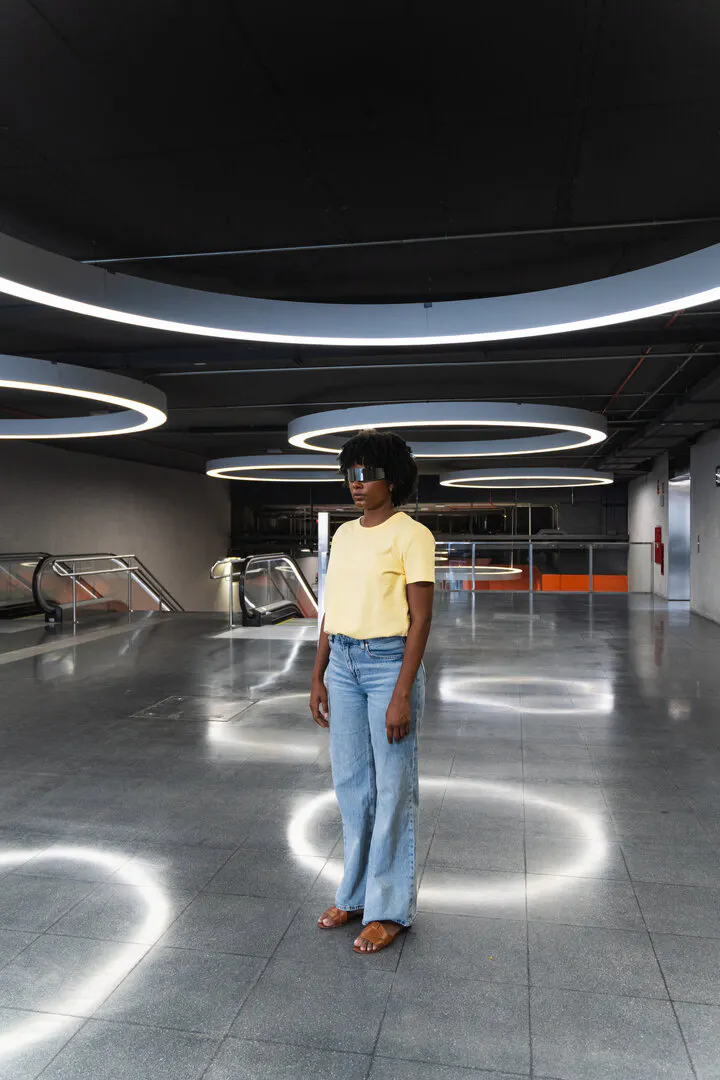
That difference isn’t the budget. It’s the creative direction.
Creative direction shapes how people feel, move, and remember. It turns physical space into narrative and logistics into meaning. Simply put, it’s the force that transforms activity into impact.
In this landscape, where experiential marketing commands a growing share of marketing budgets, brands can’t afford experiences that look good but say nothing.
Creative direction offers strategic leadership when constraints emerge, whether that means budget shifts, late-stage stakeholder feedback, or last-minute operational changes. Of course, it can’t replace execution or production, but it can align them around a shared vision that holds under pressure.
By holding the narrative steady, it turns limitations into sharper ideas rather than diluted ones.
When creative direction leads, experiential marketing drives measurable outcomes, like increased dwell time, strong emotional recall, and clearer paths to action. It creates experiences people feel connected to, not simply entertained by.
WONU’s creative direction can help your brand turn presence into purpose and moments into momentum.
Why Creative Direction Matters More Than Logistics
Logistics make an event possible. Creative direction makes it meaningful.
Load-ins, run-of-show, and vendor coordination are essential, but they don’t create emotional connections. Audiences don’t remember flawless truss builds or perfect call sheets. They remember how a space made them feel and what the brand stood for in that moment.
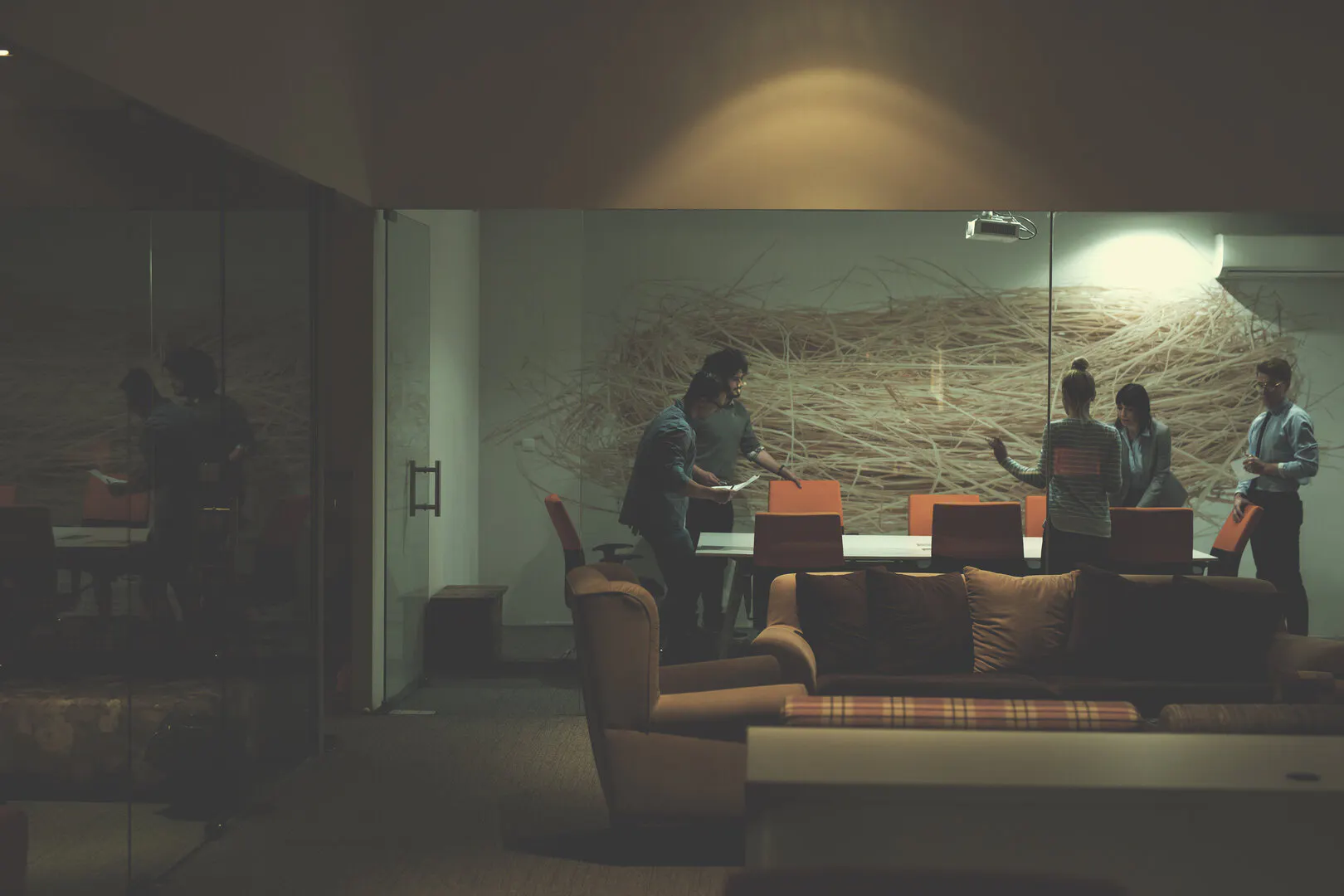
Creative direction is there to make sure the experience delivers on that promise.
Experiences Are Emotional Before They’re Operational
Guests respond to environments instinctively.
Light temperature, material choices, sound levels, and spatial rhythms register emotionally before a single word is read or a product is touched.
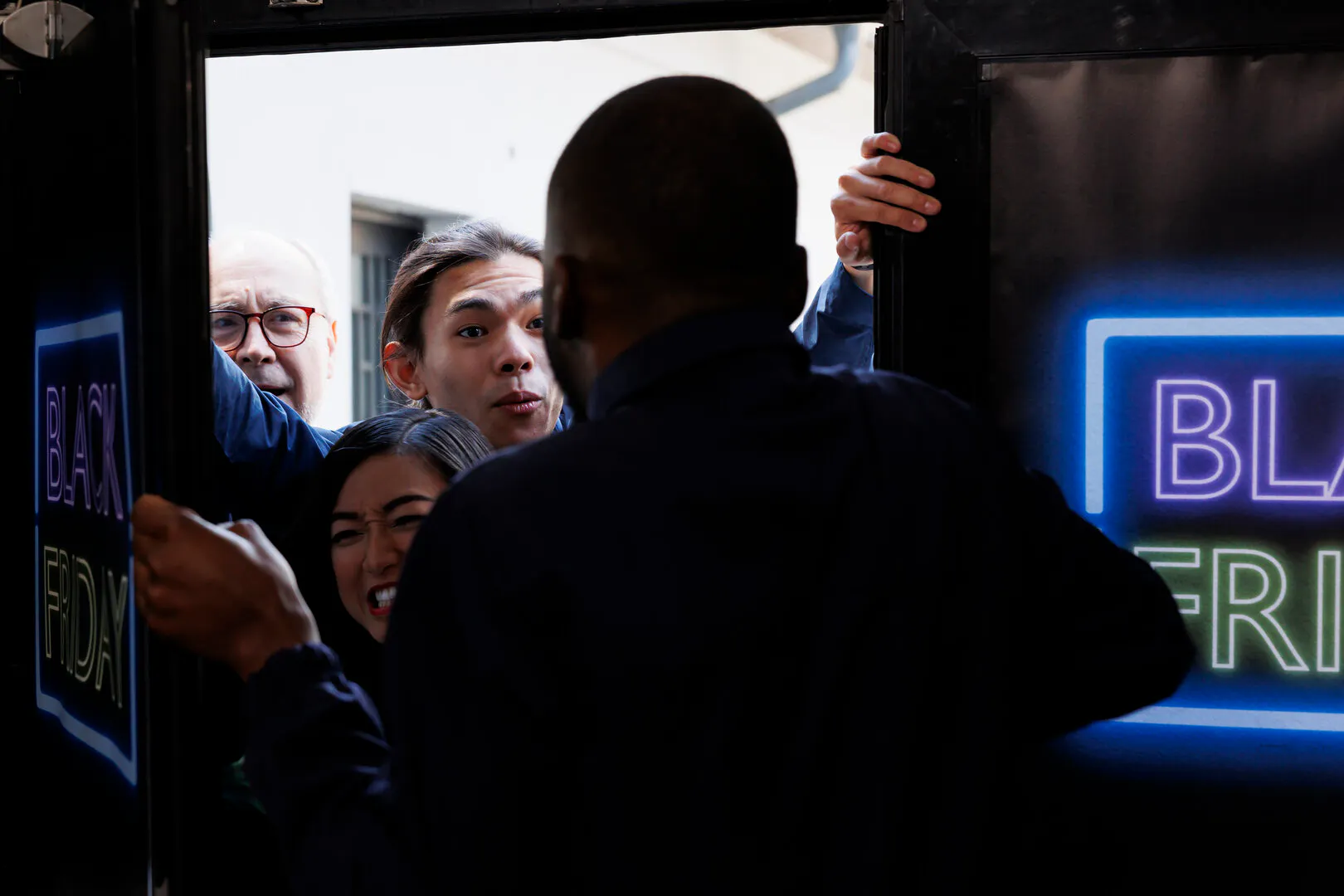
Creative direction shapes those signals from the beginning. It choreographs the journey from first sightline to final exit, making sure that your brand story is felt, not explained. Do it right, and creative direction turns logistical constraints into creative focus, using limitations to sharpen narrative rather than dilute it.
That’s why experiential marketing consistently outperforms other channels when it’s led by a clear creative vision:
Emotion drives memory, and memory drives action.
Consistency, Clarity, and Meaning at Scale
Experiential programs rarely live in one place and one moment. They tend to move across cities, formats, and audiences, often under changing conditions.
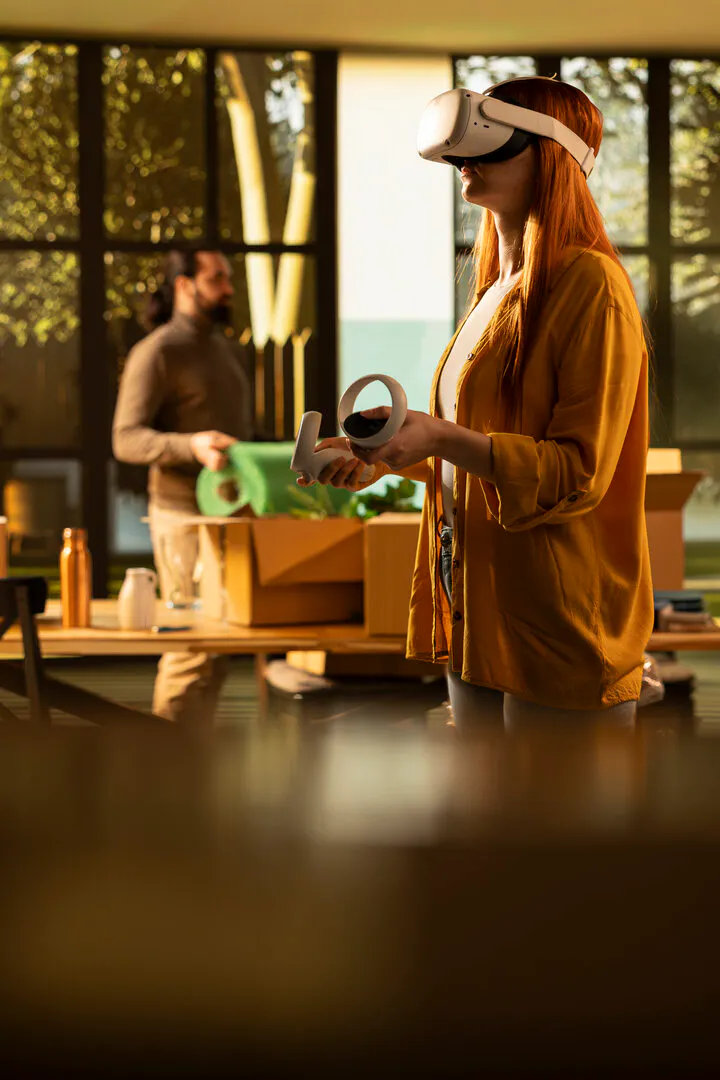
Creative direction provides the connective tissue that keeps experiences coherent as they scale. It defines a central concept and visual language that can flex without fracturing. Every touchpoint, physical or digital, reinforces the same idea, even as execution adapts to new environments.
Without that leadership, these activations risk becoming fragmented. With it, your brand builds recognition, trust, and momentum across markets.
Protecting Your Brand in High-Pressure Live Environments
Live experiences are unpredictable by nature. Weather can shift, tech can fail, and crowds may behave differently than planned.
Creative direction is what protects the brand when those moments happen.
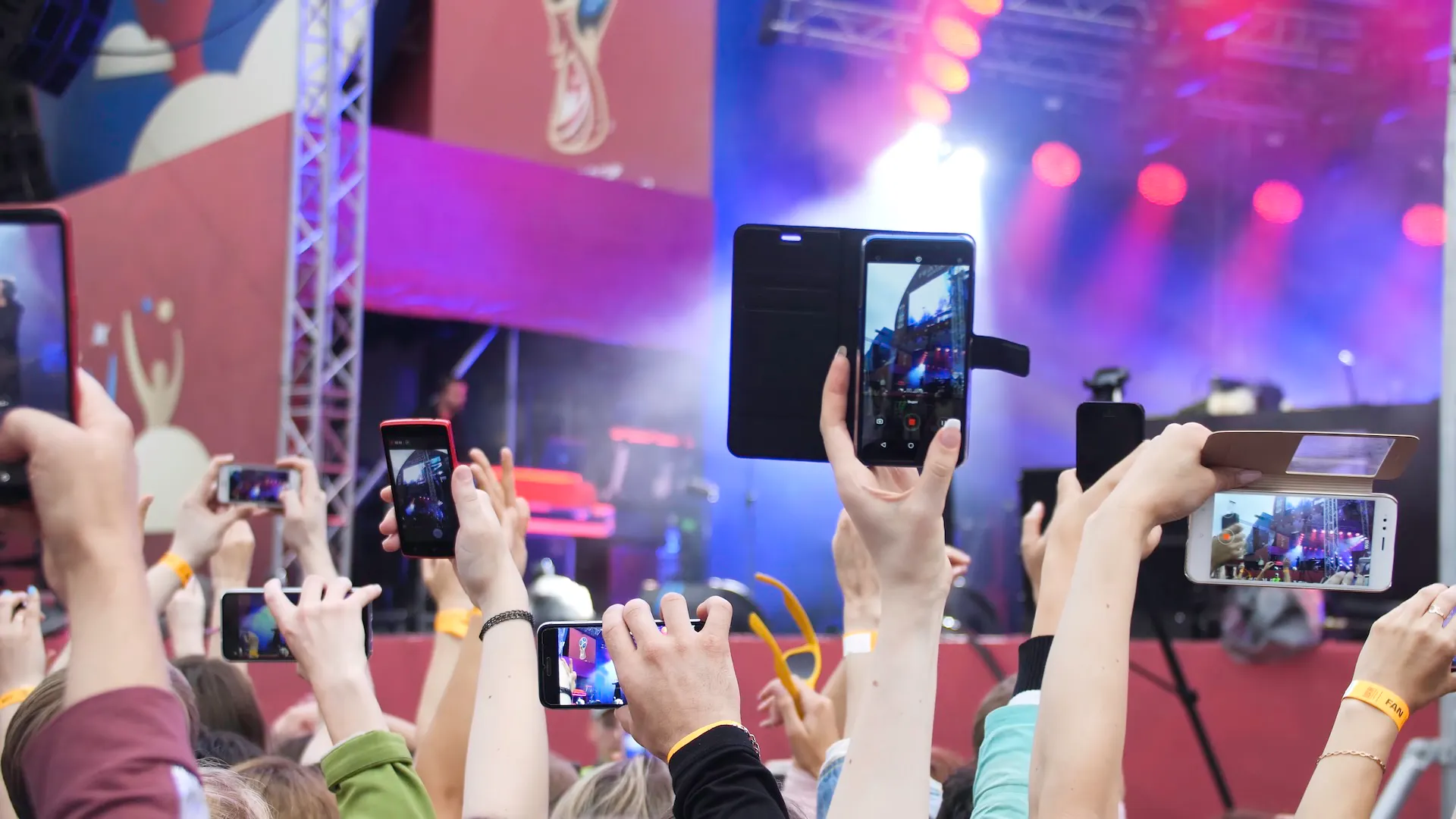
It guides real-time decisions, so that adjustments feel intentional rather than reactive. Pacing, content, and spatial flow are all recalibrated without losing narrative clarity.
Do it right, and nobody notices the pivots, only the pulse.
That’s how you make sure that the brand remains intact, no matter what happens on the floor. Remember, creative direction doesn’t compete with logistics. It gives logistics purpose.
When creative direction leads, execution follows with clarity, confidence, and impact. WONU’s team brings the experience and decisiveness needed to make it happen.
From Brand Strategy to Live Experience
Brand strategy doesn’t live in decks. It lives in what people do, feel, and remember once they step inside a space.
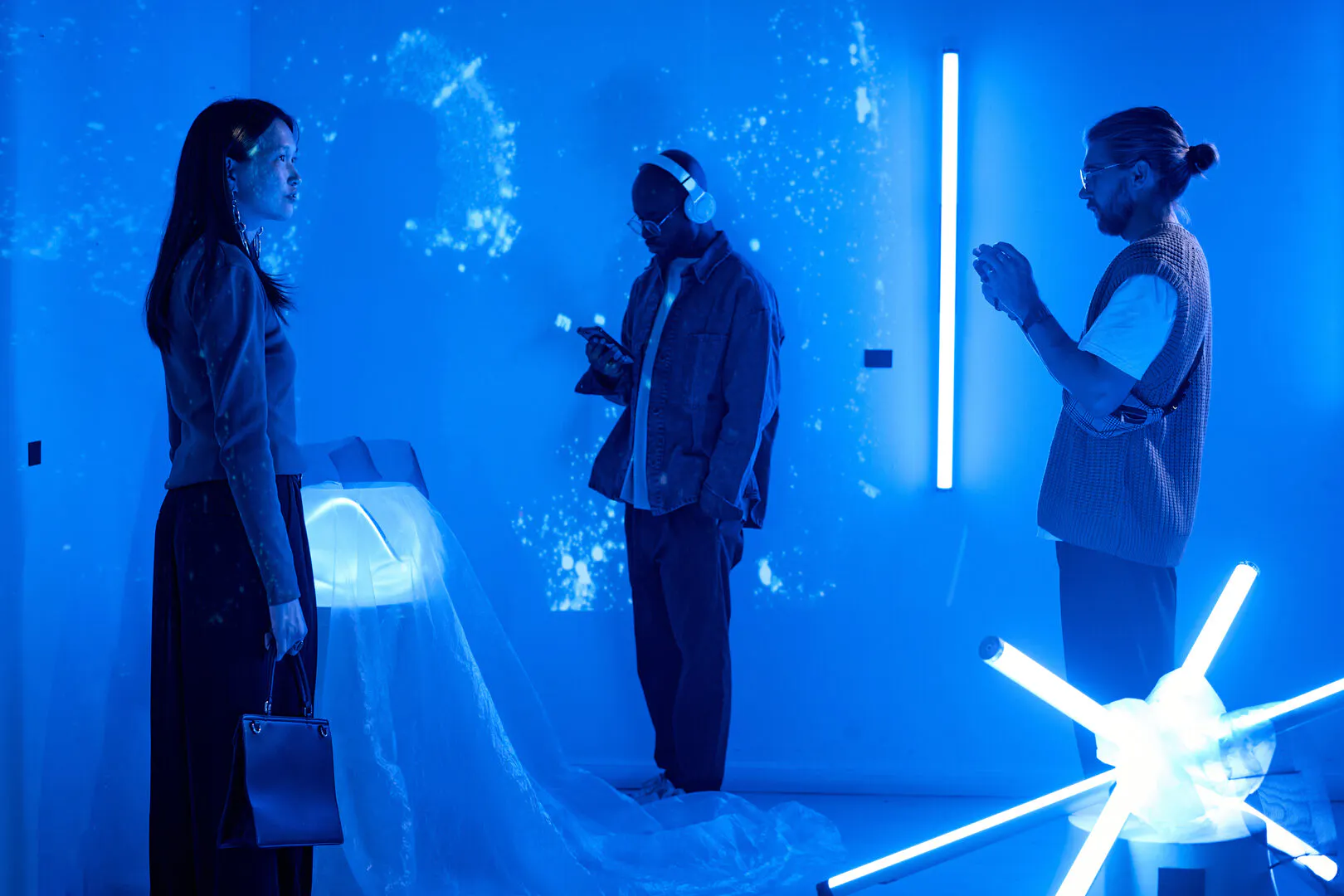
Creative direction is the mechanism that carries strategy across that gap.
It turns that abstract positioning into physical choices that guide behaviors, shape perceptions, and create momentum long after the experience ends.
Defining a Central Creative Concept
Every effective experiential program begins with a single, disciplined idea.
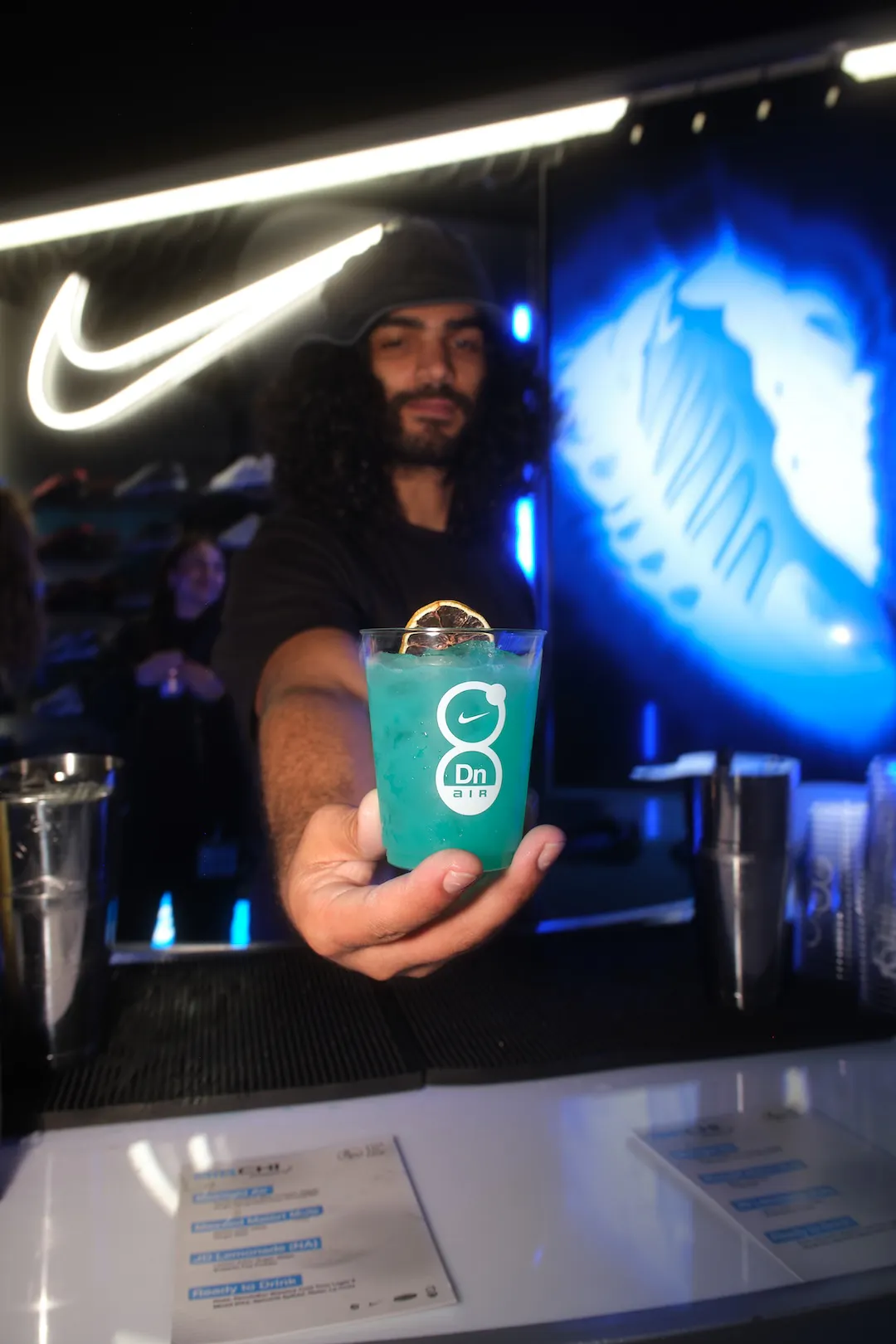
Creative direction distills your brand strategy into a central concept that can be felt instantly and reinforced everywhere. That concept governs everything from spatial layouts to interaction designs, making sure that the experience communicates one clear story rather than a collection of disconnected moments.
Build worlds people can step into, and the story will stay with them long after they leave.
Without the central idea, experiential marketing becomes mere decoration. With one, every element earns its place and reinforces meaning.
Translating Brand Strategy Into Physical Moments
Strategy only starts to matter once people can walk through it, touch it, and feel it shifting their behavior in real time.
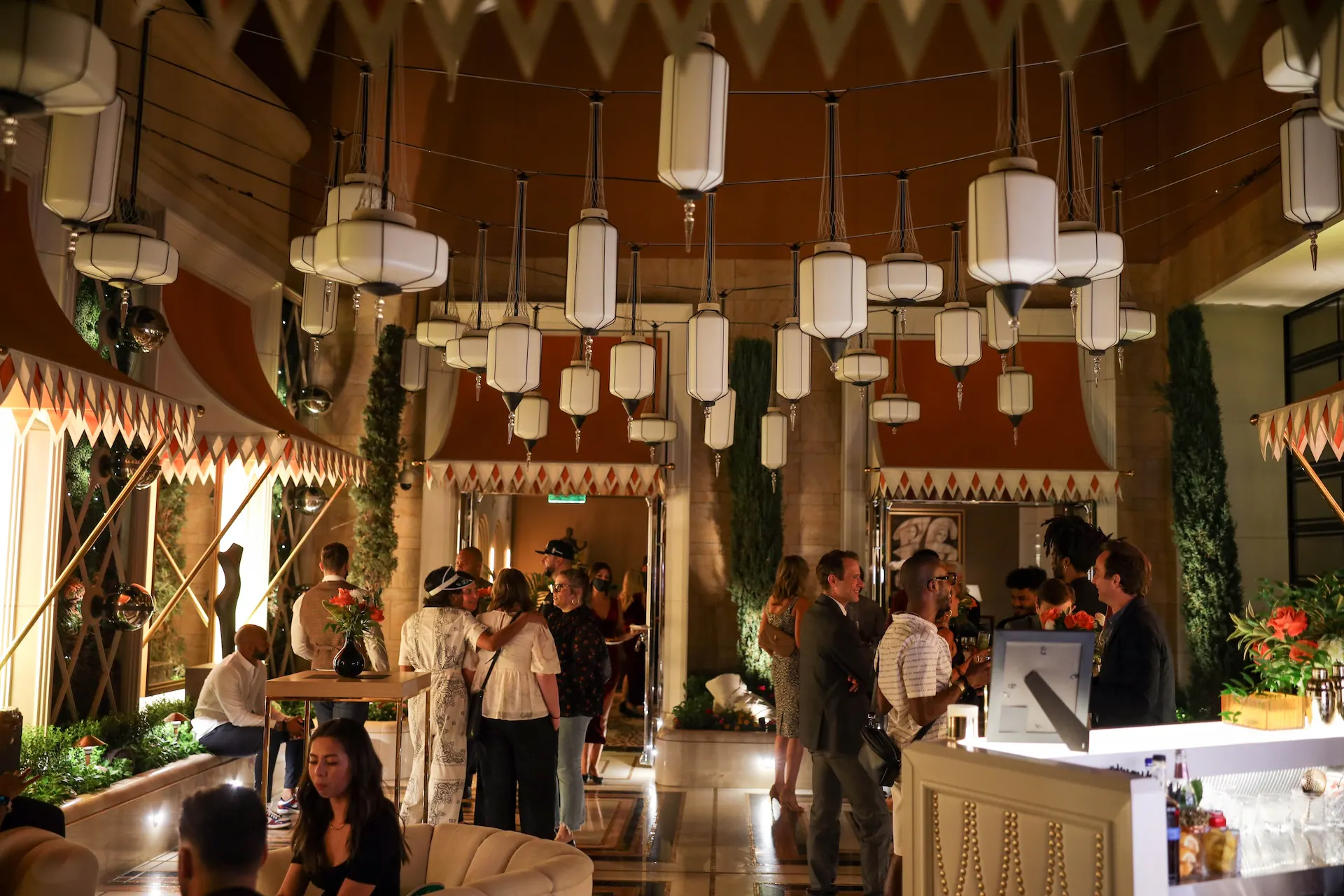
Creative direction translates brand values and objectives into tangible cues, such as materiality, lighting, sound, pacing, and interaction.
For example, a positioning rooted in confidence may show up as generous negative space and deliberate sightlines, and a strategy built around accessibility might reveal itself through intuitive flow and low-friction engagement.
These physical decisions are more than mere aesthetic preferences. They’re behavioral prompts designed to influence how people explore, engage, and share. The result?
An experience that feels natural while still quietly guiding action.
Aligning Creative Direction With Business Outcomes
Experiential marketing isn’t funded for atmosphere alone. It’s funded to drive results.
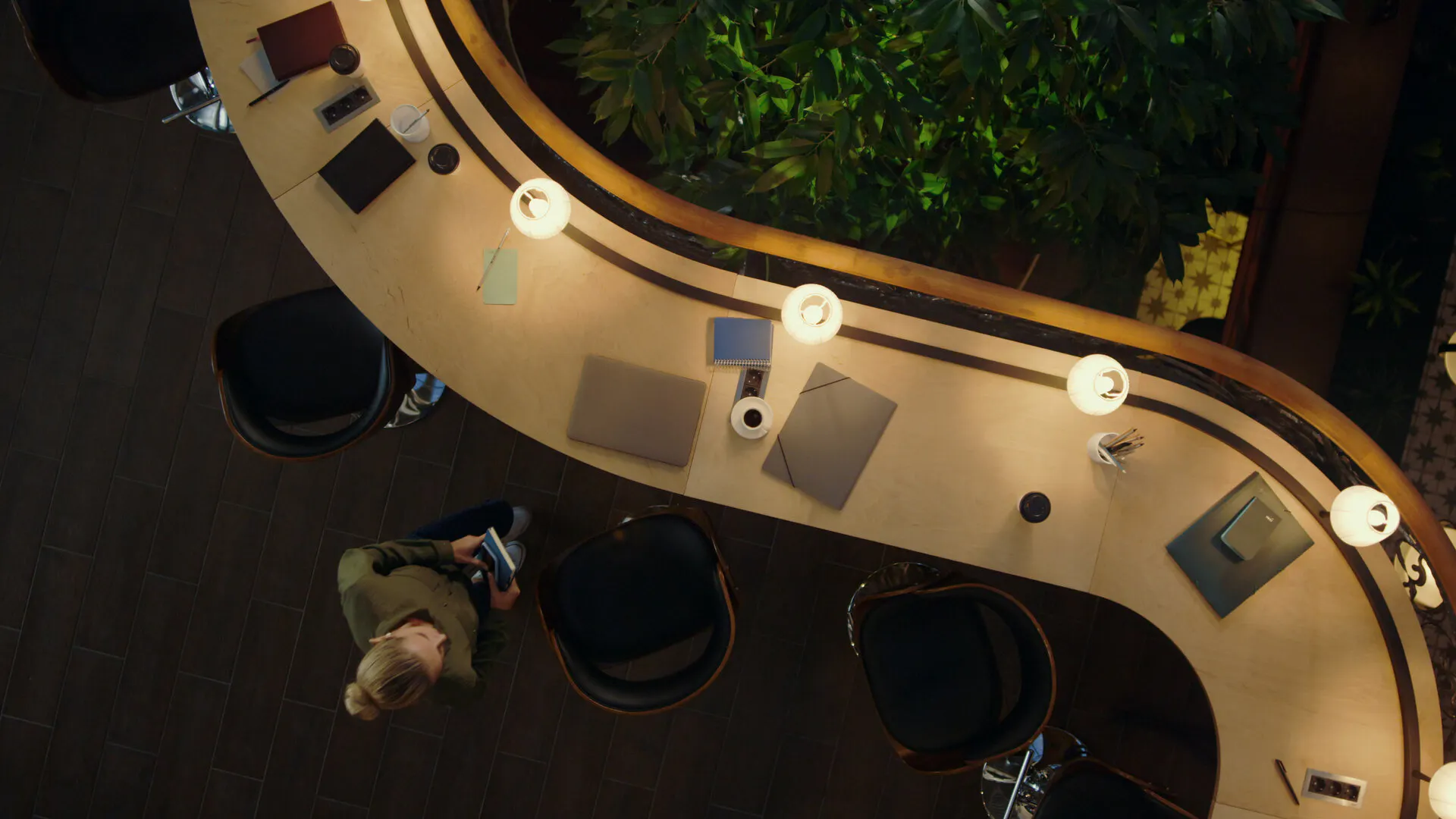
Creative direction steps in to align every major design decision with a specific business goal, whether that means increasing dwell time, generating qualified leads, lifting sales, or shifting brand perception. Metrics such as foot traffic, interaction rates, opt-ins, and conversion paths are designed into the experience itself.
Creative direction is where vision meets accountability.
From there, you can pressure test every idea against ROI, cutting the pretty waste and backing the things that actually move numbers.
That kind of alignment bridges strategy and execution, making sure that experiences are both creatively compelling and commercially focused.
If strategy can’t be experienced, it can’t perform. Build ideas people can actually walk through, and results will follow. WONU can help.
Establishing a Cohesive Visual and Sensory Language
A one-off pop-up isn’t enough. You want a story people actually remember, talk about, and buy into. And to get that, the system underneath needs to be disciplined.
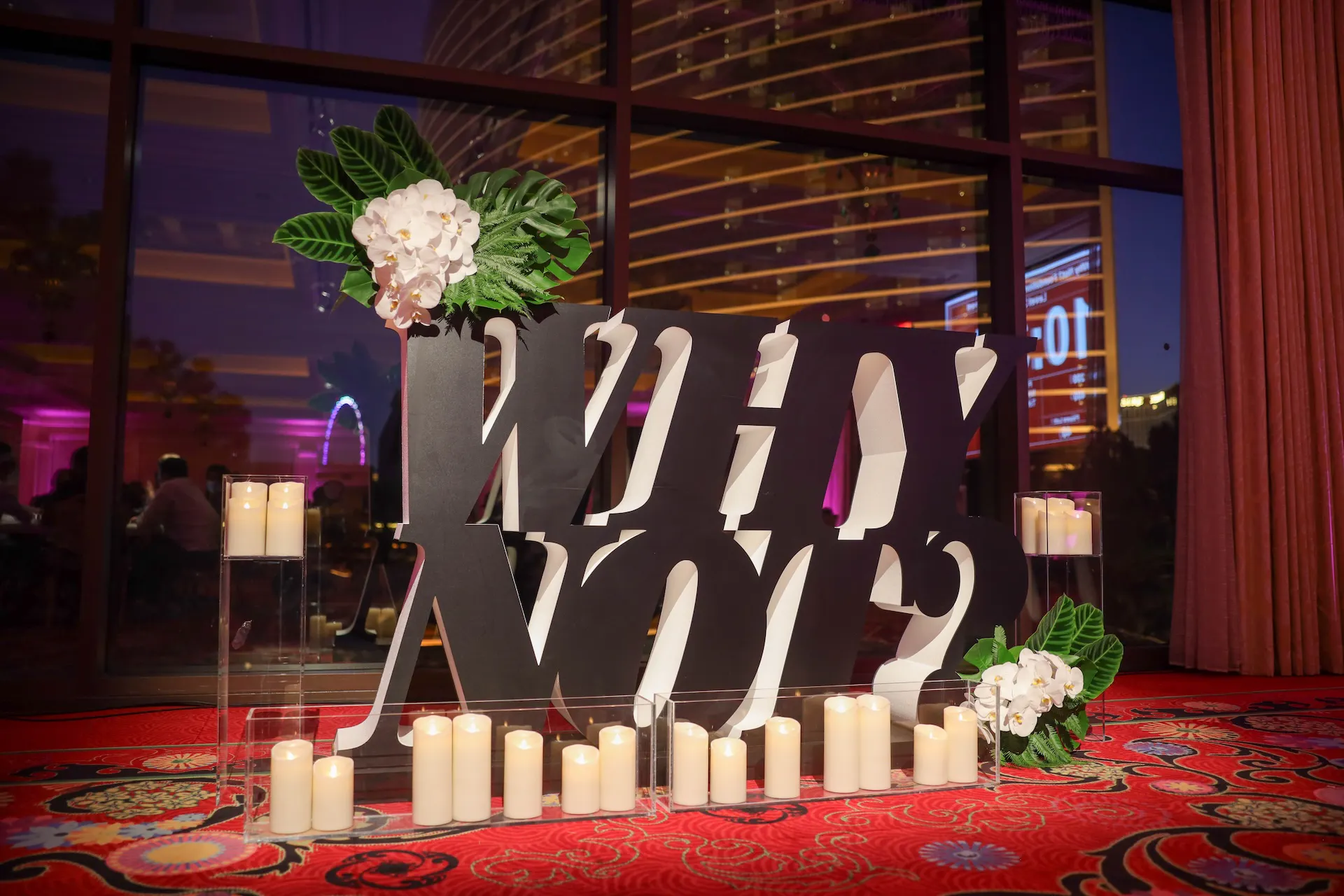
Creative direction sets up a visual and sensory language that allows every activation to feel unmistakably on brand, even as formats, cities, and audiences change. This language becomes the “connective tissue” across environments, moments, and platforms.
Visual Systems That Scale Across Activations
A memorable experience starts with a clear visual system.
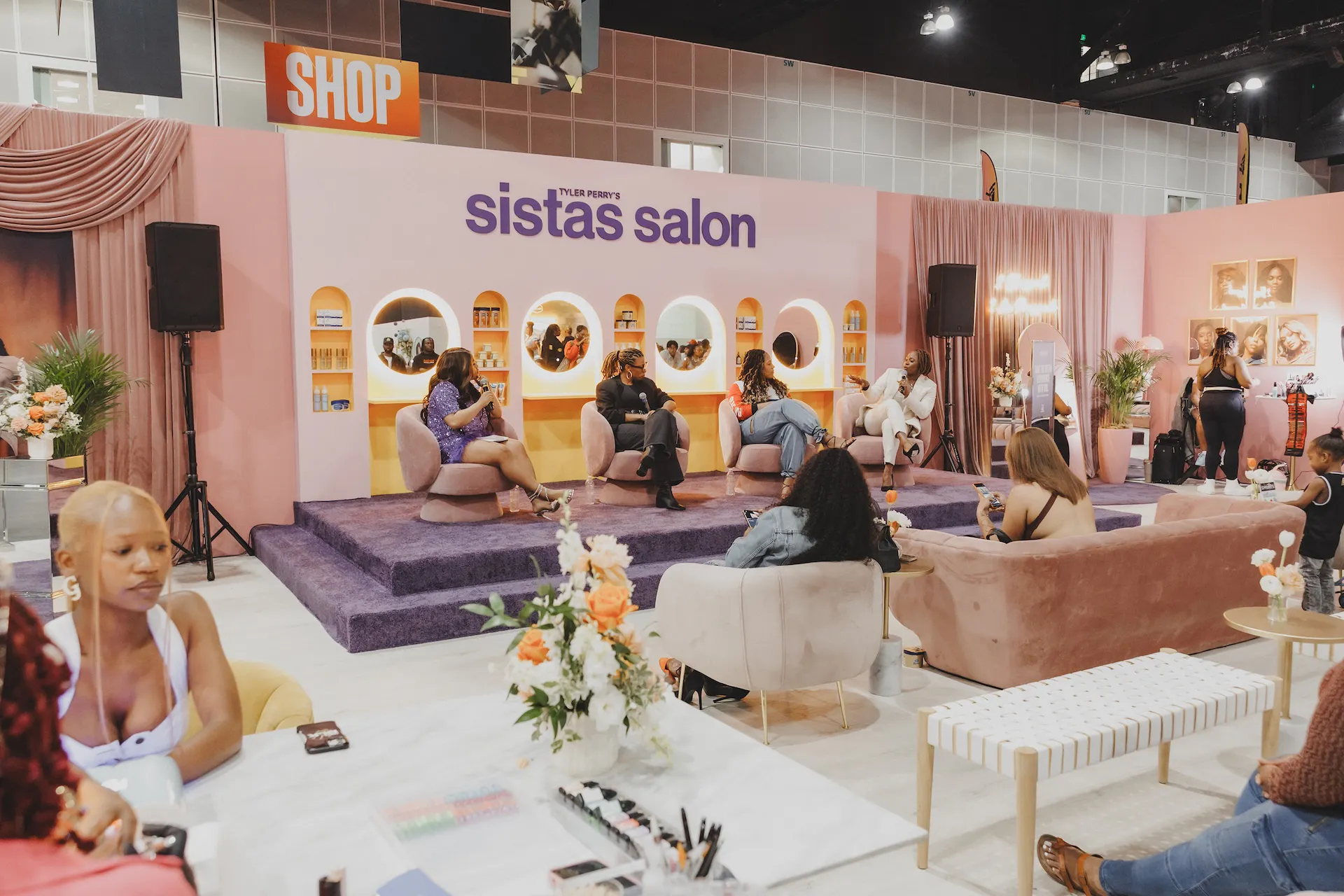
You lock in brand messaging first; the line every guest repeats on the ride home.
Then, you define all the non-negotiables that anchor every build, from color palettes and typography to materials, lighting, and spatial rhythms. These rules allow teams to move fast without losing coherence, even when multiple vendors or markets are involved.
When the system is strong, a storefront, a pop-up, and a digital extension all feel related.
By repeating the core visual elements everywhere your brand shows up, you build brand recognition that makes each experience feel instantly, unmistakably yours. Remember, trust builds through repetition and clarity.
Aligning Sound, Motion, Copy, and Interactivity
Most strong experiential work starts with one thing:
A visual language that knows exactly how it wants the rest of the senses to behave.
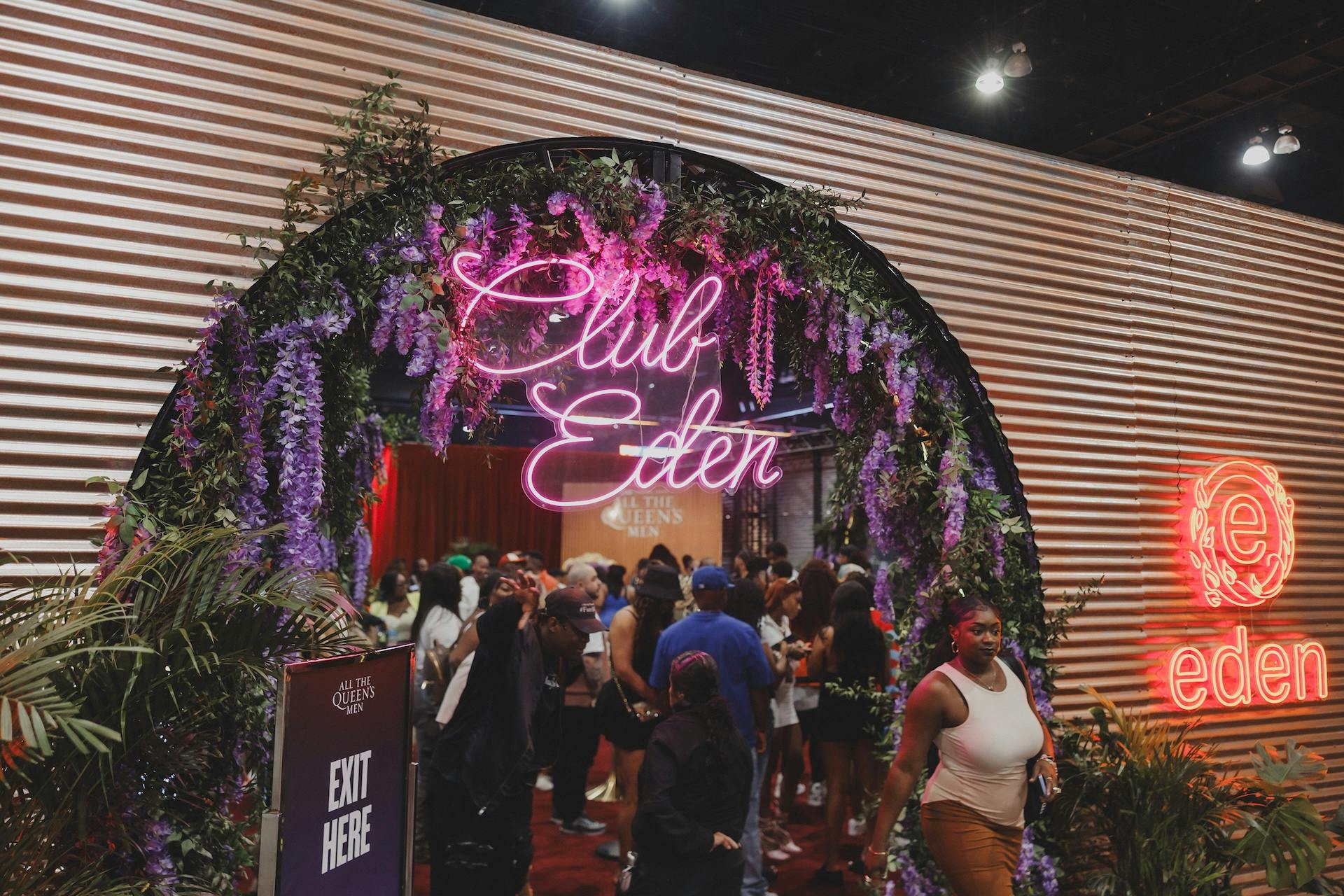
Creative direction aligns every sensory layer, so your brand speaks in one voice. You can think of it as your sensory script.
If guests can move through a space on autopilot, the experience isn’t doing enough.
Sound design supports the pacing, motion reinforces hierarchy, copy matches the tone and context, and interactions feel intentional rather than ornamental.
If one element feels off, the entire experience loses credibility. Sensory coherence ensures your brand is felt before it’s read or explained.
Digital and Physical as One Unified Experience
Experiential marketing no longer lives in a single space, which means you’ll need a cohesive visual and sensory language to turn individual activations into a recognizable world.
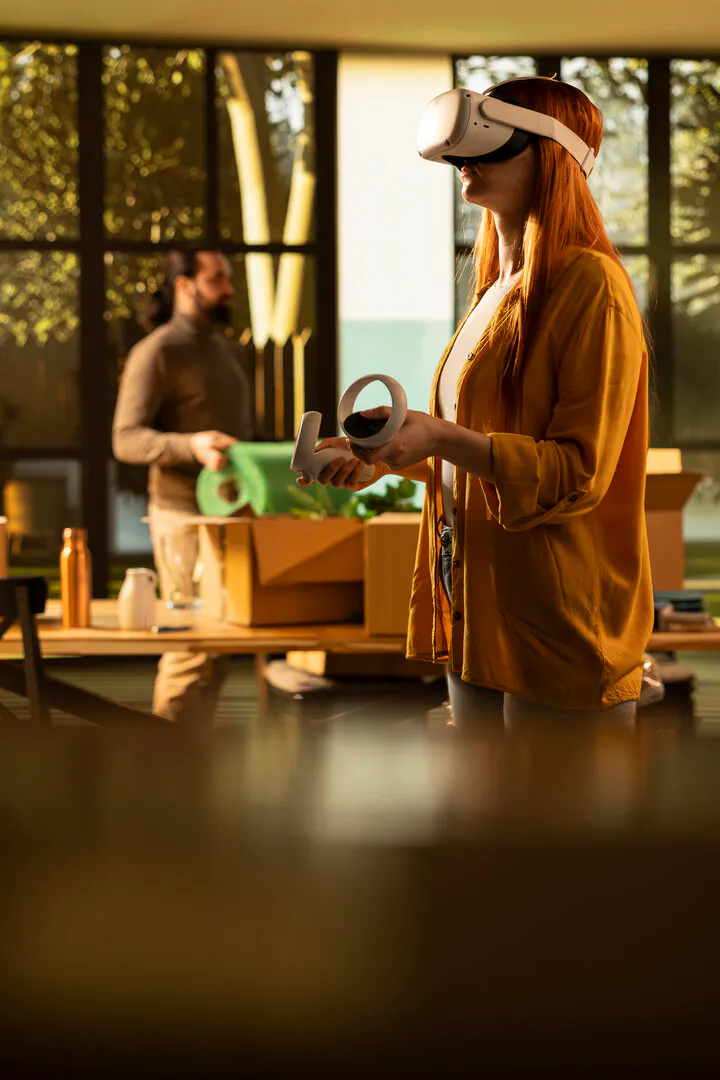
Creative direction bridges physical environments and digital touchpoints, so the experience remains continuous. Think mobile check-in that sets expectations, interactive tech that responds to behavior, and content capture that feels native to the environment rather than staged.
When digital and physical elements are designed together, technology can disappear into the experience. What remains is flow, clarity, and momentum that extends beyond the room.
Build the system once. Let it carry your brand everywhere it shows up.
Measuring the Impact of Creative Direction
Three weeks after a pop-up closes, the only thing that matters is what it moved:
Revenue, relationships, and reputation.

Creative direction earns its value by delivering outcomes that extend beyond the moment. Measurement is how that value becomes visible.
Designing Experiences With Clear Actions and Conversions
You’re not merely staging a beautiful moment. You’re building a clear path from emotion to action.
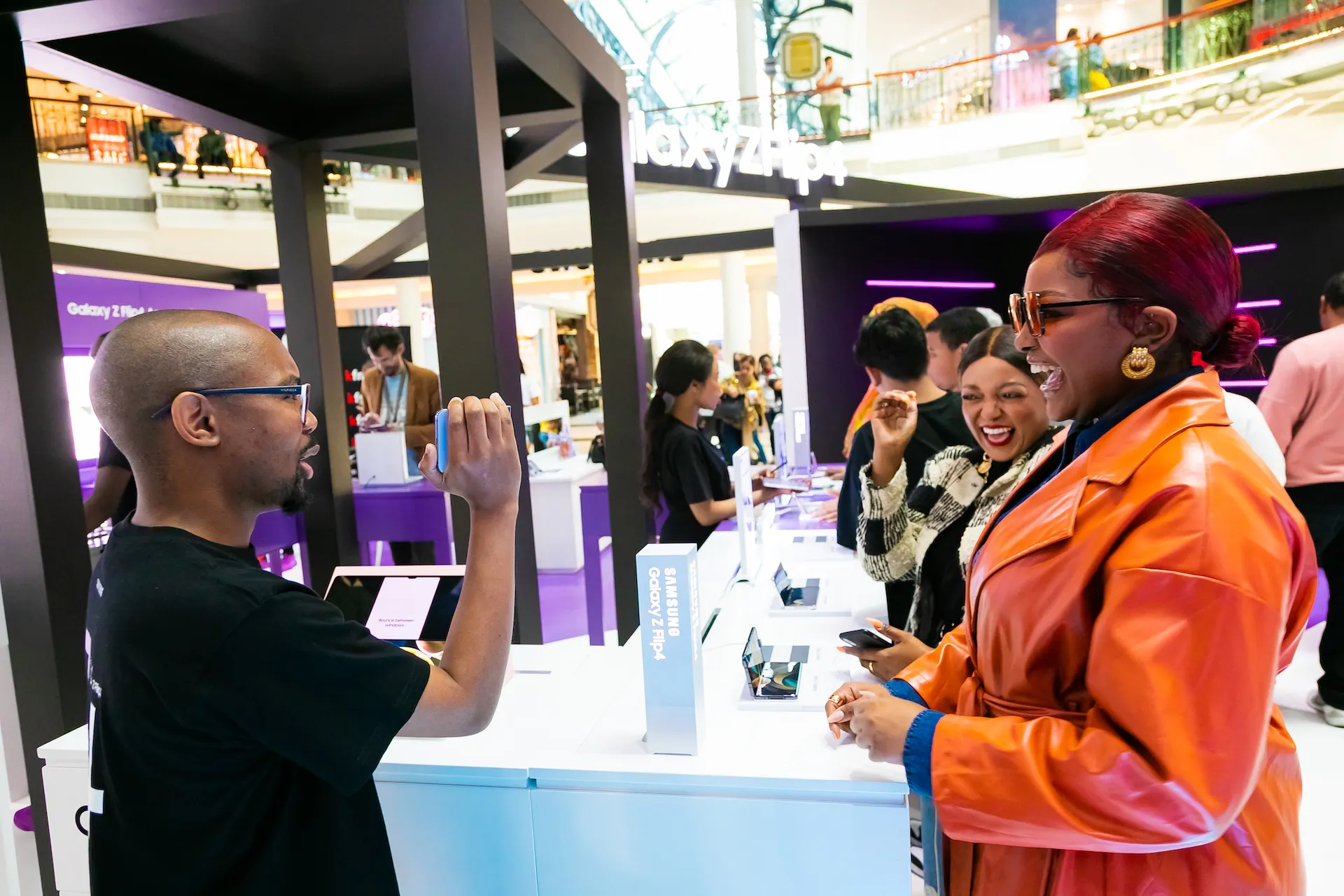
You should be designing with intention, not ambiguity. Creative direction defines what action each moment should prompt, whether that’s a product trial, a sign-up, a purchase, or a share.
These actions are built into the experience itself, not bolted on at the end.
Before load-in, make sure that clear targets are set. Sales lift, qualified leads, dwell time in key zones, and content engagement should all be mapped to specific areas of the experience.
When you map each touchpoint to a specific next step, the entire experience starts to read like a story the customer actually finishes. Every interaction has a purpose, and every purpose can be evaluated.
Connecting Creative Decisions to ROI
Creative direction becomes measurable when ideas are treated like hypotheses, then tested against clear creative benchmarks and hard numbers.

A beautiful room that doesn’t move product or perception has missed the brief. Design choices need to be tested against performance, not taste.
Lighting shifts should be evaluated alongside basket size, spatial flow needs to be reviewed against dwell time, and content moments should be assessed through saves, shares, and sentiment.
Remember:
ROI isn’t the opposite of creativity. It’s the evidence that creativity worked.
Using Feedback to Evolve Future Experiences
Measurement doesn’t end when the doors close.
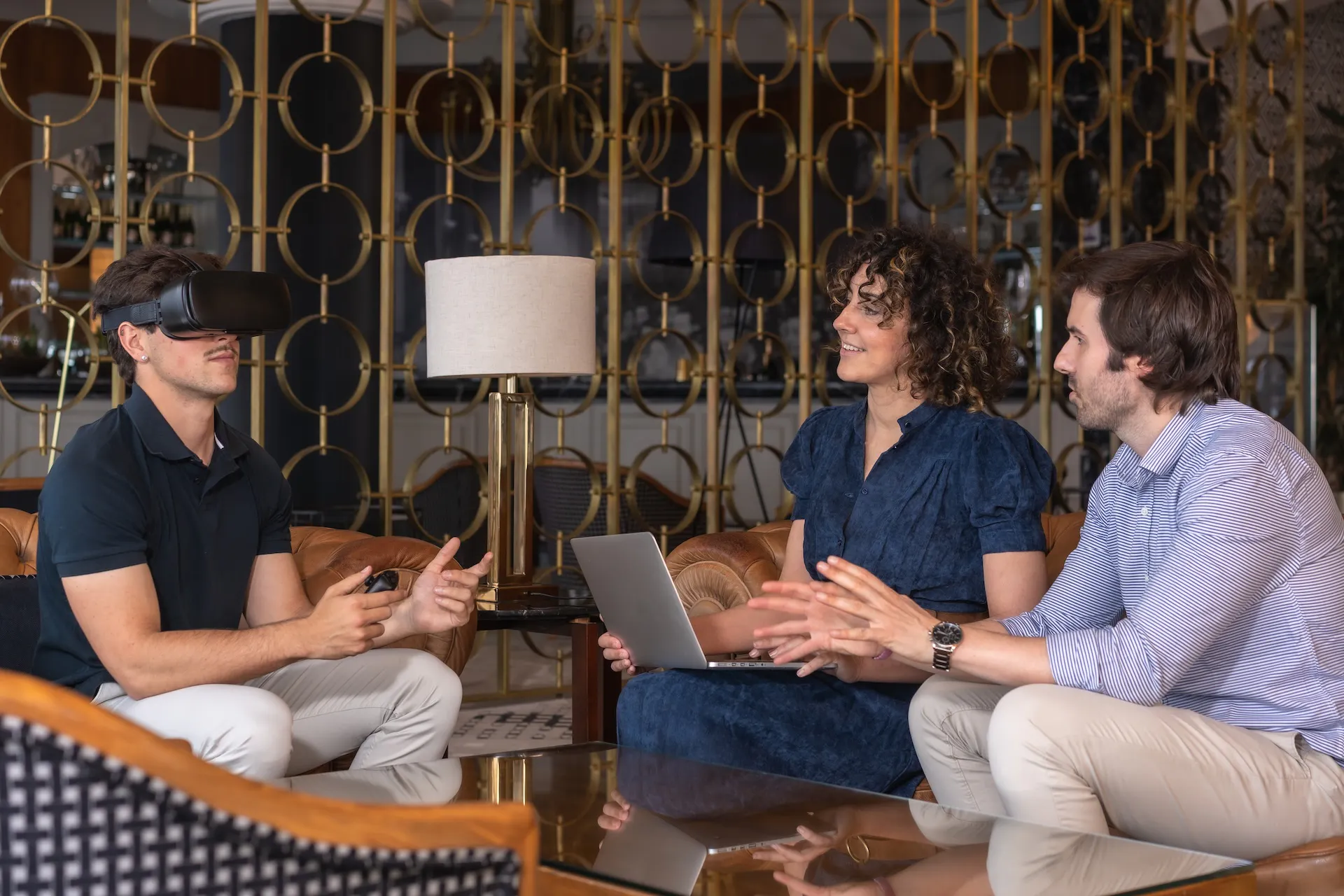
Creative direction uses feedback to refine and evolve future builds.
Quantitative data, including scans, heat maps, and conversions, is combined with qualitative insights from onsite observation and audience conversations. Together, they reveal where an experience resonated and where it fell flat, so each iteration feels sharper, more intentional, and closer to true experience optimization.
Creative direction isn’t proven by applause. It’s proven by progress.
WONU designs with intention and measures with rigor, letting the work compound.
Common Creative Direction Mistakes in Experiential Marketing
Most experiential campaigns don’t fail due to poor execution. They primarily fail because creative direction was unclear, diluted, or sidelined too early.
That’s where most experiential campaigns quietly break.
Most experiential mistakes aren’t dramatic. They typically start out as minor misalignments that compound over time.
- Over-Designing Without a Concept
When an experience lacks a central idea, design usually fills the gap. The space looks impressive, but there’s no narrative pulling people forward, and ultimately, nothing lands.
- Treating Creative as Decoration
Creative direction isn’t styling. When creative is treated as a surface layer added after logistics are locked, the experience feels hollow. Visuals may still attract attention, but they fail to communicate meaning or drive behavior. The moment ends without impact.
- Inconsistency Across Touchpoints or Markets
Experiential marketing rarely lives in one place. But without strong creative direction, experiences fracture as they scale. What felt intentional in one market feels generic in another, and, as a result, brand trust and recognition erode.
Lead with clarity, discipline, and intent. The experience will do the rest.
Build Strategic Creative Direction Into Every Experience
Strategic creative direction turns ambition into structure. It brings clarity when the stakes are high, and the conditions change, and makes sure that every material choice, spatial decision, and moment of interaction is doing actual work for your brand rather than filling space.
Remember:
Don’t merely manage an event. Orchestrate an experience so tightly aligned that every touchpoint quietly says, “This is exactly where you’re meant to be.”
At WONU, creative direction is treated as a leadership discipline. Strategy, culture, design, and data move together, so live experiences can perform in the real world, not only in decks.
If you’re ready to create experiences where every decision has a clear purpose and every moment carries meaning, get in touch with WONU’s team today.
Let's build
If you're thinking about how your brand shows up in the world, we'd love to hear from you.