

Sound Design’s Role In Experiential Spaces:
How Audio Shapes What People Feel
Sound design’s role in experiential spaces begins long before a visitor takes in a single visual cue. The moment someone steps inside, audio shapes their perception, emotion, and movement in ways that might go unnoticed but are deeply felt.
You've walked through experiential spaces where music felt off and ambient noise crushed conversations. The truth is, a space can look stunning and still fall flat if the sound feels disconnected. But the opposite is true, too:
When audio is intentional, it can do more than simply complement an environment. It can control it, turning it into something people remember long after they leave.
Here’s what makes sound a core part of how your story is delivered and how your audience connects to it.
How Sound Design Shapes Emotion, Memory, and Brand Identity
You walk into a pop-up, and before your eyes settle on the display, something else lands first:
A subtle layer of sound that tells your body how to feel.
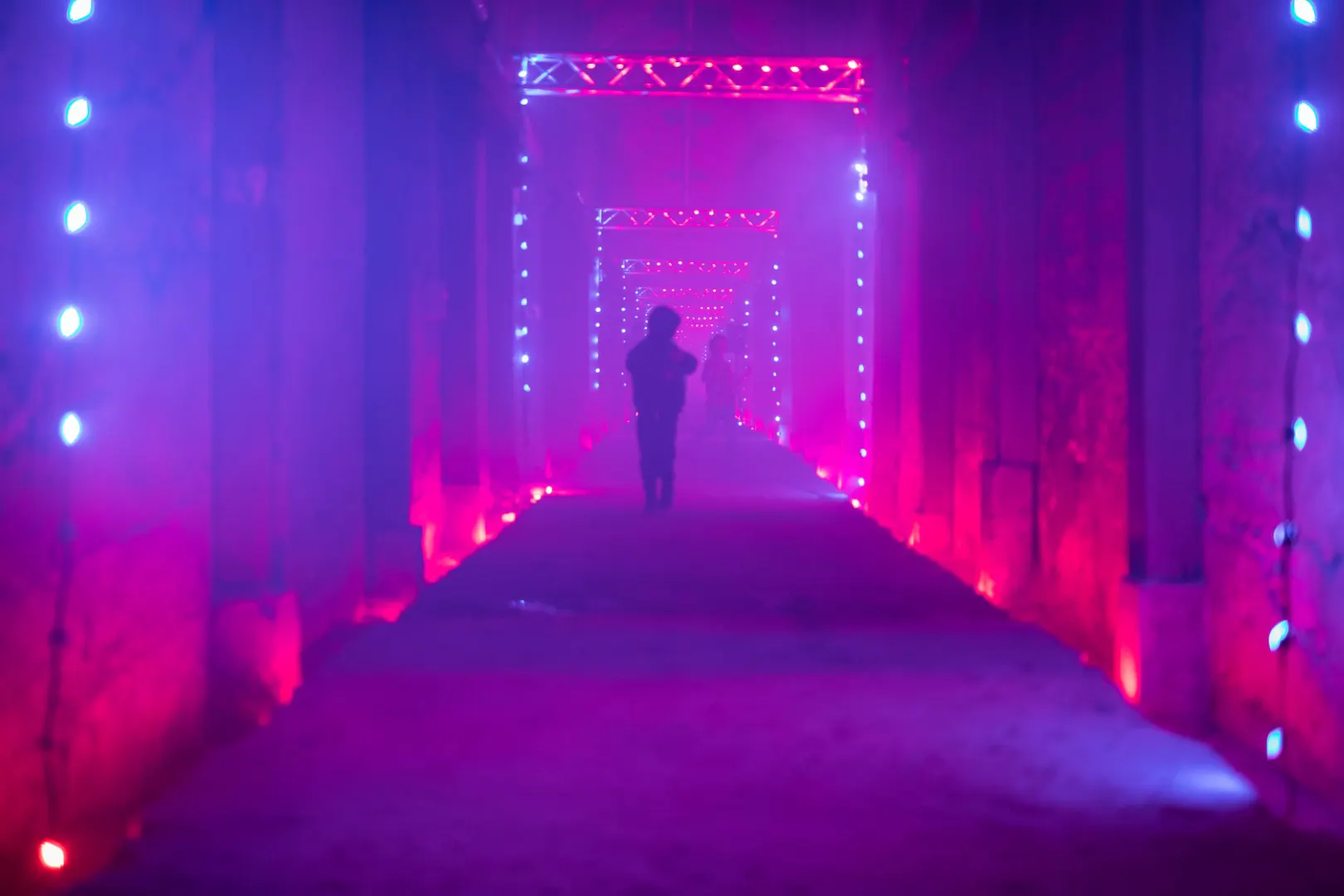
That's auditory stimuli working faster than vision. Your brain processes sound before it fully registers color or form, which means emotion often arrives before conscious recognition.
A low hum can create tension, while a soft chime can lead to curiosity. The difference between a customer who lingers and one who leaves?
It often lives in frequencies you don't consciously notice.
And in experiential environments, that emotional framing happens instantly. Sound becomes the invisible architecture of the experience.
Research consistently shows that audio influences both mood and behavior. The right sonic environment can slow visitors down, encourage exploration, and increase how long they stay in a space. When sound aligns with the intended atmosphere, it reinforces the story your brand wants guests to feel.
That emotional impact carries far beyond the moment itself.
When people recall a space, they often remember how it felt, and sound is a major reason why.
Audio is deeply tied to memory formation. A well-designed soundscape helps visitors anchor what they experienced and who delivered it. In fact, there’s a strong connection between positive reactions to sound and the desire to return to the experience later.
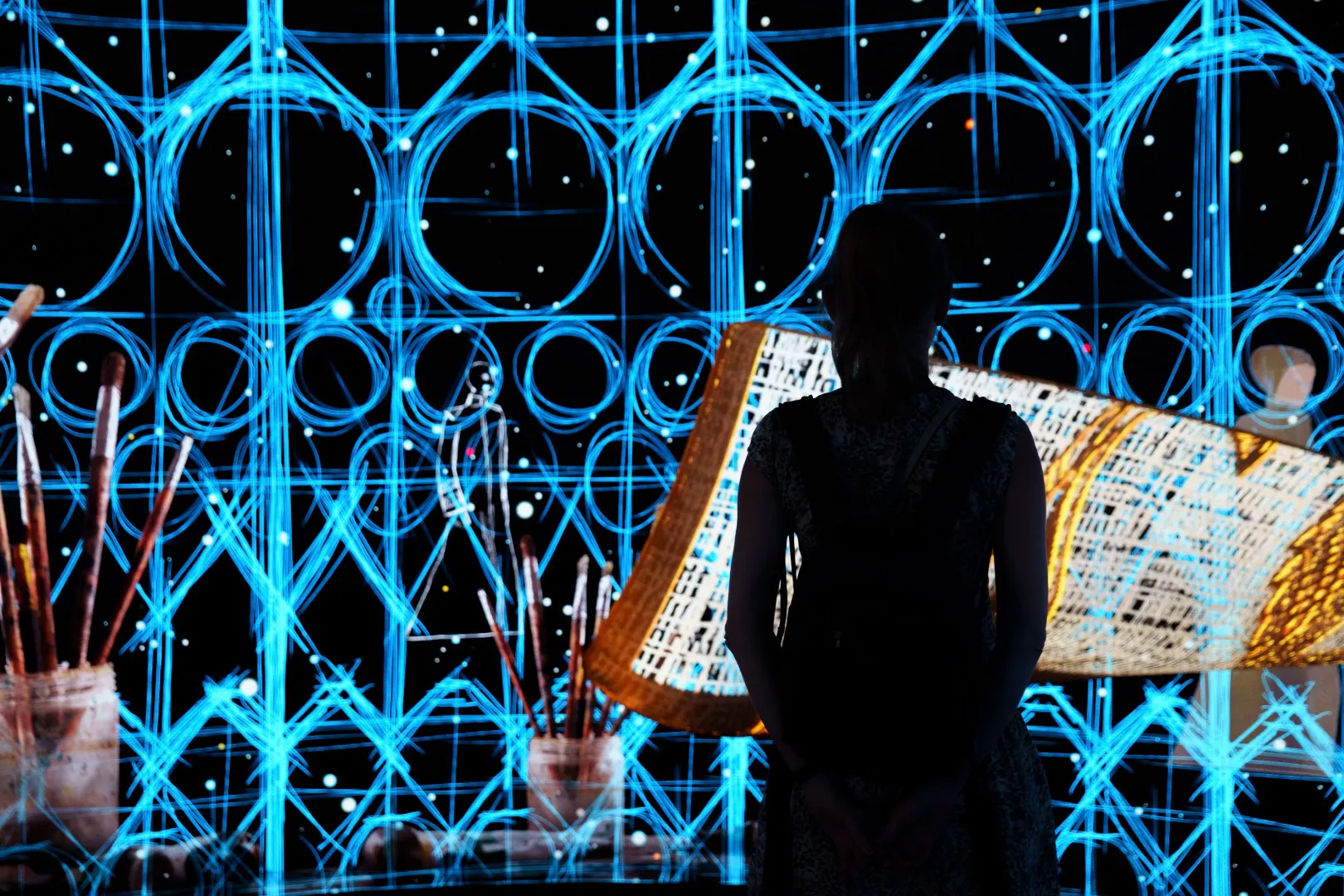
This is where sonic branding becomes powerful.
Music, voice, rhythm, and environmental effects communicate identity without explanation. Visitors rarely analyze these choices consciously.
Yet, they shape perception within seconds.
Multi-sensory activations create strong emotional associations that can aid recall and influence consumer behaviors long after the experience ends. Properly calibrated sensory cues transform passive observation into emotional engagement that builds lasting brand memories.
That’s the difference between a space people merely walk through and a moment they actually carry with them. WONU builds experiences with that difference in mind.
Building Immersive Soundscapes With Spatial Audio and Ambient Layers
Stereo audio spreads sound across left and right channels. It creates width, but the environment still feels flat. Spatial audio expands that field into three dimensions, placing your sound sources around the listener using X, Y, and Z positioning.
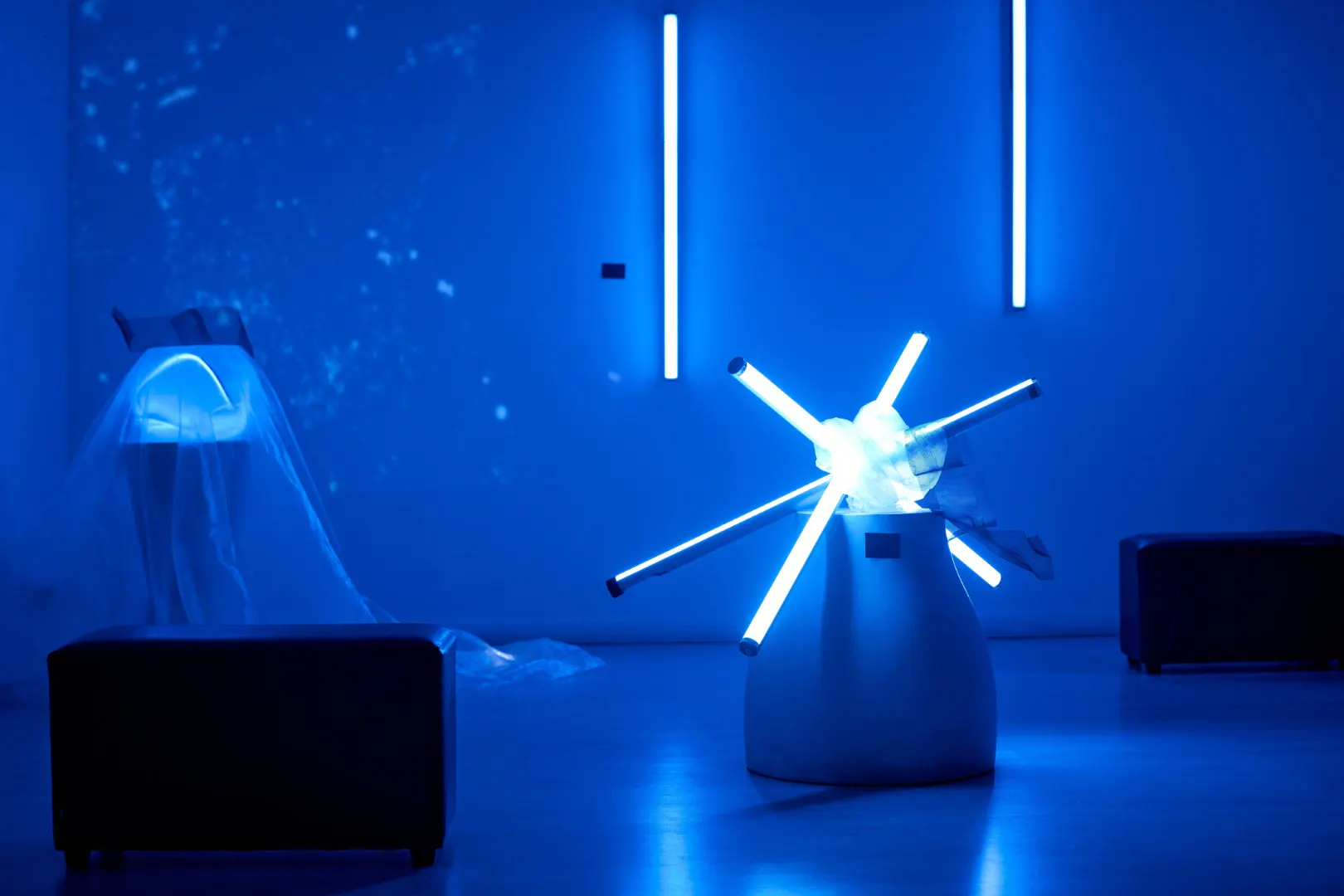
Instead of hearing music from only one direction, guests experience sound above them, behind them, and moving through the room.
Sound stops behaving like background noise and starts behaving like architecture. That’s when immersion starts.
Spatial dynamics allow you to go beyond what stereo playback permits, placing sonic elements at specific points in space. A voice might emerge near a product display, environmental textures might drift overhead, while subtle cues can guide guests toward an installation without a single sign.
Of course, this isn't about volume. It's about alignment.
When audio feels like it belongs in the physical environment, people explore the space more naturally and can actually focus on the product or installation in front of them.
This brings us to ambient sound design.
Curated ambient layers help establish the emotional rhythm of a space. Soft natural textures, restrained instrumentals, and slow-tempo soundscapes can create a sense of calm that encourages guests to linger.
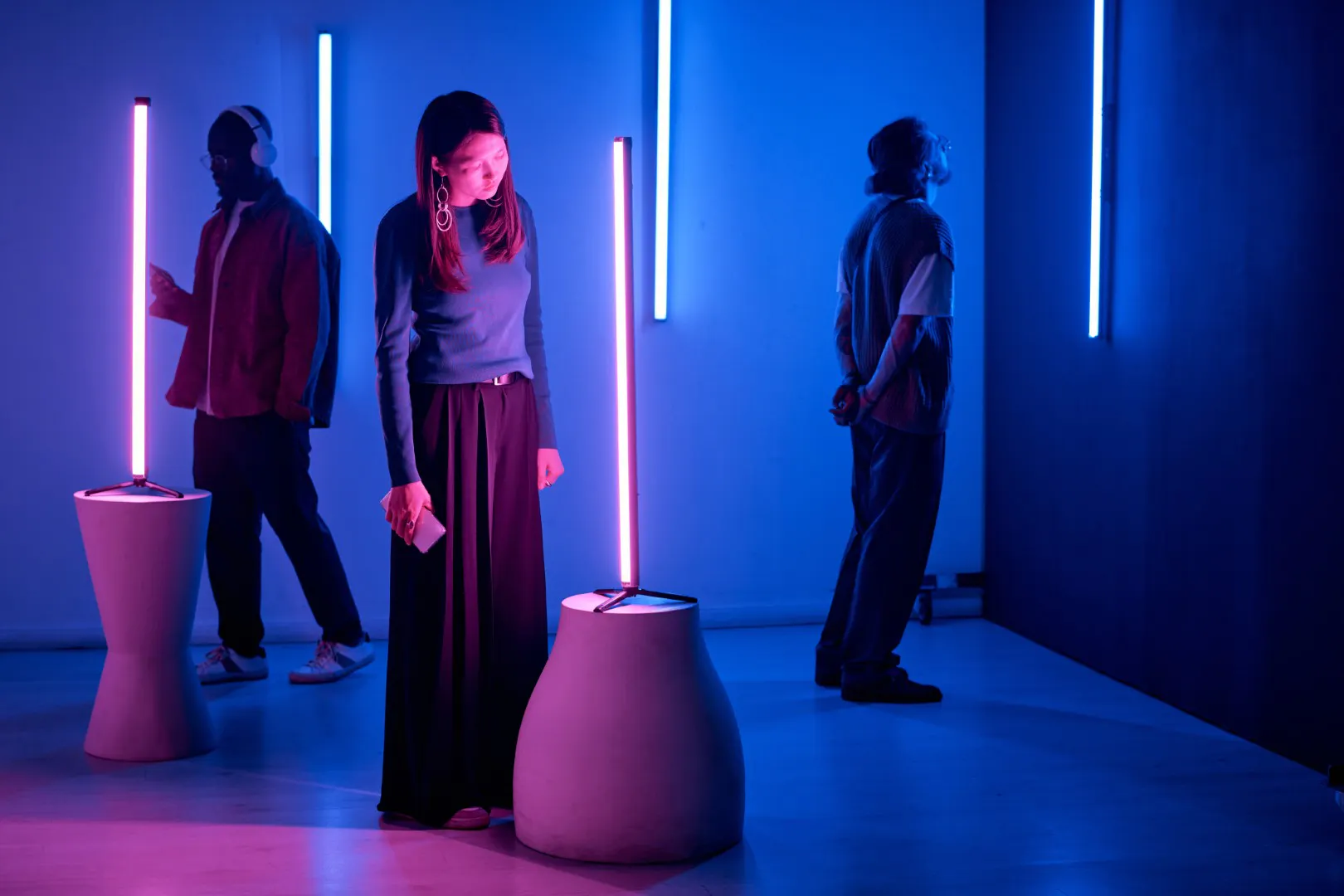
Natural background sounds can increase dwell time, proving that retention hinges partly on what people hear, not merely on what they see. And in experiential retail, longer dwell time often translates into deeper engagement with the brand story.
It has a practical role inside busy installations, too, namely, reducing distraction by masking footsteps and murmured conversations.
Now, while ambient continuity sets the stage, frequency layering builds the architecture.
When you distribute elements across the frequency spectrum, the low end provides weight, the midrange carries the body of the soundscape, and the highs bring “texture” and detail. And instead of competing for attention, each layer supports the others.
Filling the sound spectrum has a wall of sound effect that envelops listeners in complete sonic immersion, reinforcing the sense that the environment is alive.
Aligning Sound and Visuals for Cohesive Storytelling
The most powerful experiential environments behave like a single system.
Projections, lights, and sound all move together to guide attention and shape the emotional arc of a space. When these elements align, visitors stop noticing all the individual components and begin experiencing the environment as a unified story.
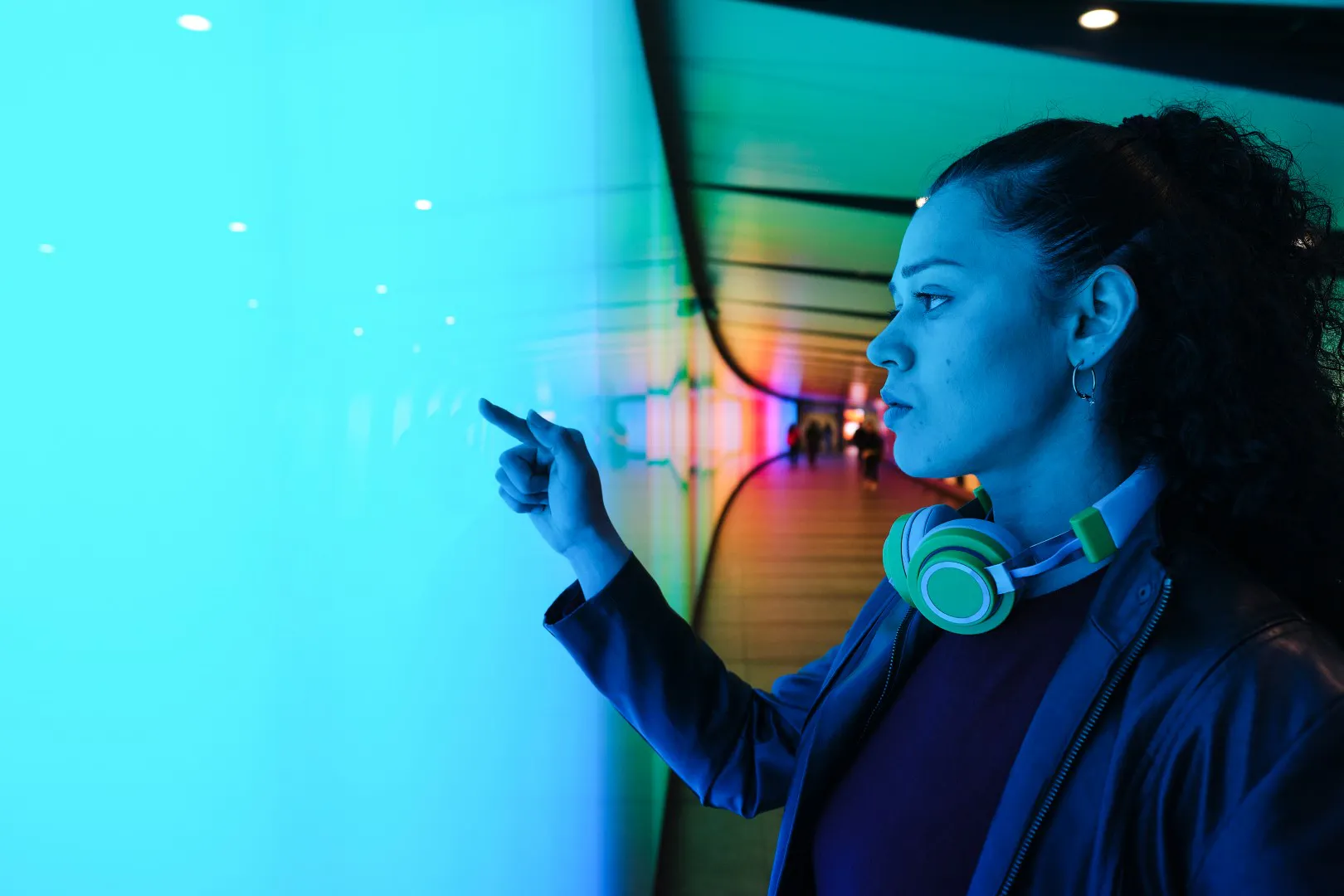
Sound often acts as the timing mechanism behind that coordination.
Lighting without sound sits flat. Sound without light feels unanchored. But when you coordinate those two, you create sensory alignment that holds attention longer and hits harder.
The room breathes like one system, turning a moment into a story people feel in their bodies.
Think a sharp shift in stage lighting synced to a bass drop signals a change, or a gradual color fade timed to a rising tonal swell builds emotional resonance before the reveal.
This isn't decoration. It's design cohesion that moves the audience through the story you're shaping, even before their eyes fully register the change. The synchronization strengthens immersion because the brain processes multisensory signals as one cohesive event.
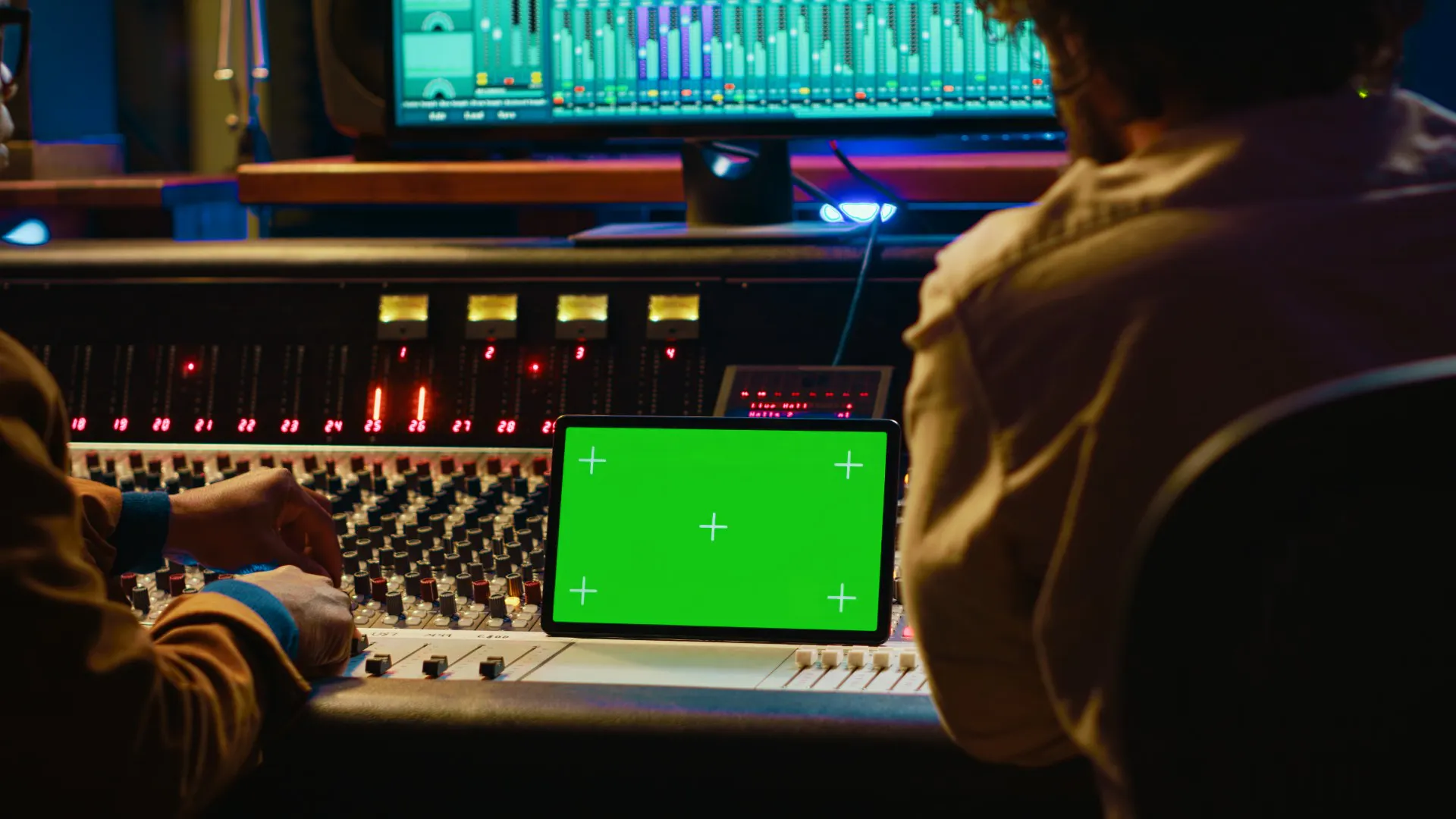
Of course, spatial accuracy depends on matching audio projection to each visual cue, frame by frame. Even small timing gaps can weaken this effect, since the brain quickly notices when sound and motion fall out of sync.
Lighting design follows a similar rhythm. Every change in projection needs to have its audio partner, timed to the millisecond.
The result isn’t a collection of effects. It becomes choreography:
Sound signals movement, light reveals the next layer, and visuals complete the moment.
WONU makes sure that every sensory element moves in rhythm, so the experience becomes something people feel unfolding around them.
When Silence Becomes Your Most Powerful Design Tool
Not every moment in an experiential space needs sound. In fact, the most emotionally charged moment in your activation might be the one where everything drops out.
Yes, we’re talking about the power of silence.
When a layered soundscape suddenly falls quiet, that shift immediately resets attention. Visitors become more aware of the space, the visuals, and the moment unfolding in front of them.
And that contrast heightens emotional impact.
Strategic pauses in music and ambient audio can create anticipation before a reveal. A brief drop in sound before a lighting change or a projection sequence, for example, can make the next moment feel larger and more intentional. The brain registers that pause as a signal that something is about to happen.
Plus, silence gives guests time to process what they experienced.
In dense environments filled with visuals, movements, and interactions, constant audio can overwhelm the senses. But add these quiet moments, and visitors get to reflect, absorb the story, and prepare for the next phase of the experience.
When sound returns, it lands with greater clarity and emotional weight.
Remember:
Sound design isn’t about filling every moment with audio. It’s about shaping rhythm, contrasts, and pacing inside the environment.
WONU knows when to let the room breathe to make the experience memorable.
Sonic Branding Through Music and Custom Sound
Sound does more than set the mood. It communicates who the brand is.
Music often becomes the first signal visitors receive about the personality behind the environment. Before they even read signage or interact with a display, the soundtrack already sets the emotional context. Tone, rhythm, and genre communicate whether your brand feels refined, energetic, nostalgic, or experimental.
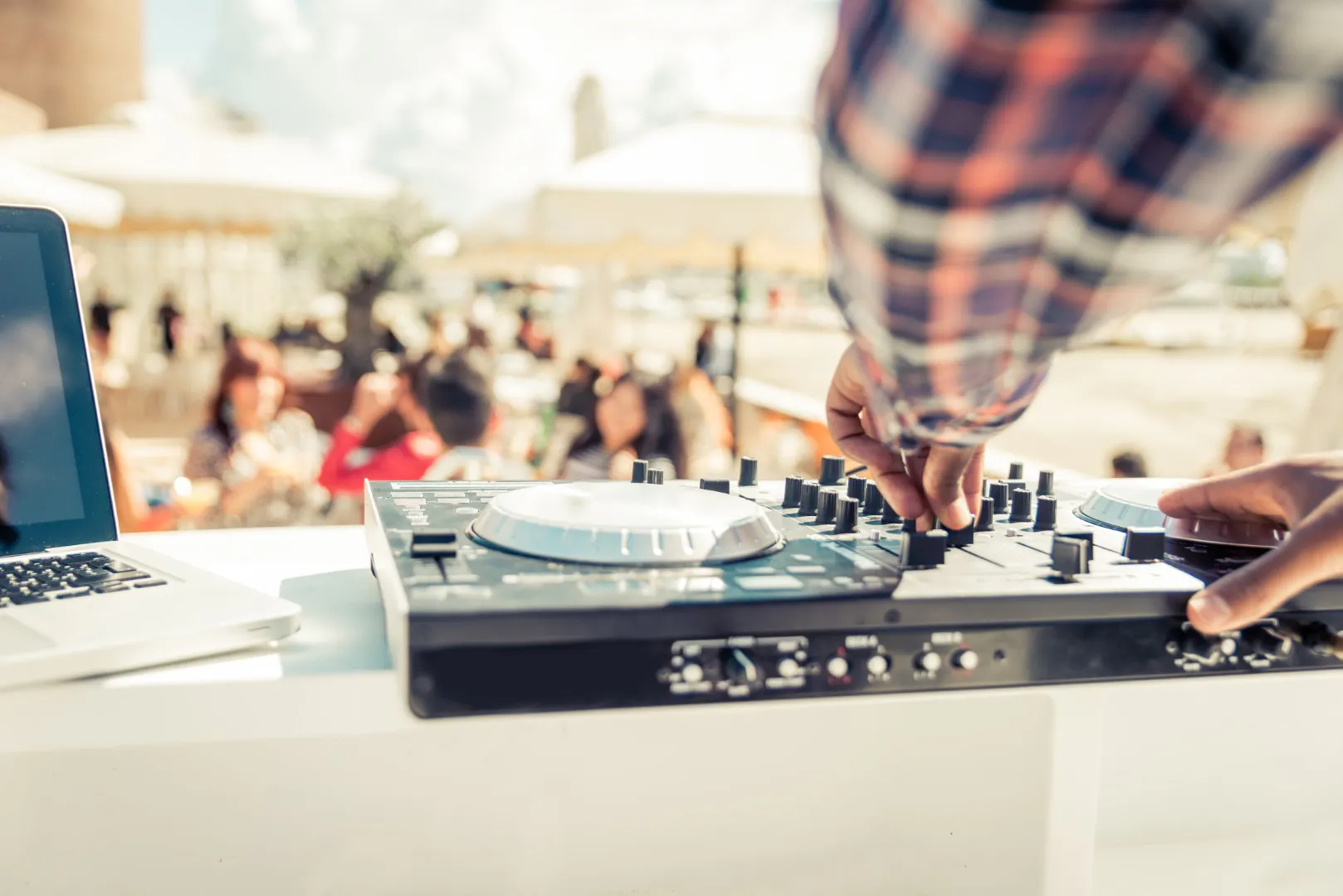
And that makes music selection a strategic decision.
A fashion label targeting younger audiences may lean into bold, high-energy tracks that mirror the pace of the culture surrounding it. A luxury fragrance house, on the other hand, may favor restrained compositions with slower tempos and open sonic space.
These choices influence how the brand is perceived within the room.
That’s exactly why generic playlists tend to fail; they lack that connection. Sure, loyalty-free tracks might fill the silence, but they rarely express the brand’s identity. Guests sense the difference between a curated soundscape and one assembled from neutral background tracks.
Your brand can't borrow someone else's sound and expect loyalty.
Field recordings capture real-world textures that carry place, culture, and memory. Those local sounds that root a brand in a real place become mnemonic anchors; sonic signatures that reinforce authenticity.
Over time, repeated sonic cues build recognition. A short melodic phrase, a recurring rhythm, or a subtle environmental texture can all serve as your audio logo; something people associate with the brand across retail, events, and digital touchpoints.
Sonic branding works because people remember how a space sounded long after they leave. WONU can help ensure the soundscape reflects your brand’s voice as clearly as its visuals.
Sound Design Mistakes That Break Immersion
When sound design is handled poorly, guests notice it immediately. The environment may look impressive, but the experience loses credibility if the audio feels disconnected from the space.
Here are a few common mistakes to keep in mind:
- Using music that clashes with the brand
Generic playlists and trending pop tracks often undermine the story the brand is trying to tell. When the music doesn’t reflect your brand’s tone or audience, the environment feels inconsistent.
- Ignoring the acoustics of the physical space
Large rooms, reflective surfaces, and open layouts can all affect how sound travels. Without proper acoustic planning, audio can become muddy, echoing, or fatiguing for visitors.
- Poor speaker placement
Speakers placed without a spatial strategy result in uneven sound coverage. Some areas become too loud while others feel empty, breaking the illusion of an immersive environment.
- Overcrowded soundscapes
Too many competing layers make it difficult for guests to focus. That’s why clear hierarchy matters. One sonic element should lead while others support the atmosphere.
- Weak synchronization with visuals and lighting
Even small timing gaps between the audio cues and the visual moments can disrupt the immersion and weaken the emotional impact of a reveal.
Treat sound design as an afterthought, and you’ll likely see visitors leaving sooner and engaging less with the space. But plan it with precision, and the entire environment becomes more compelling.
Great experiential design is heard as clearly as it is seen. That’s the key to designing spaces people want to stay inside.
Measuring the Impact of Sound on Engagement and ROI
Sound carries memory, but measurement is what carries budgets. You need proof that your investments in audio actually shifted behaviors, not mere atmosphere. That’s where the real value of audio in experiential environments lies.

And dwell time is one of the clearest indicators.
Visitors tend to stay longer in spaces where the soundscape feels aligned with the atmosphere. Research shows that 42% of customers spend more time in a store when the music is playing. And more time inside the space often leads to deeper exploration and stronger brand connection.
Plus, sound can influence purchasing behavior. In fact, in-store audio can increase sales by up to 10% by creating a more enjoyable environment for decision-making.
Brand recall is another important metric. When visitors leave remembering a sound, melody, or sonic cue associated with the experience, the brand remains present long after the event itself ends. It’s been found to increase recall by up to 96%, far exceeding most visual touchpoints.
You can track these outcomes by:
- Comparing dwell time across different sound environments
- A/B testing playlists or soundscapes during activations
- Monitoring sales or engagement shifts during audio changes
- Collecting post-event survey feedback on atmosphere and memorability
The goal isn’t only to create a compelling soundscape. It’s to understand how that soundscape influences real behaviors.
Designing Experiences People Can Feel
Experiential spaces are rarely remembered for a single visual or moment. They stay with people because everything worked together to create a feeling that made sense from start to finish.
And sound plays a critical role in that alignment.
It's the invisible architect of how people feel, how long they linger, and what they remember three months later.
That level of impact doesn’t happen by chance. It comes from treating sound as a key design element, not a finishing touch.
WONU builds environments where every single sensory detail works together to create something people remember. Reach out to our team to learn more.
Let's build
If you're thinking about how your brand shows up in the world, we'd love to hear from you.