

Using Augmented Reality in Brand Installations:
Turn Spaces Into Experiences
Using augmented reality in brand installations changes how people experience physical spaces.
You can invest thousands in booth design, printed banners, and product displays, but people will still walk past without stopping. The problem isn't your branding or your pitch. It's the static installations.
You're losing attention before you even get a chance to start a conversation.
That’s where AR overlays come in. They turn those physical elements into interactive experiences that pull people in, keep them engaged, and create shareable moments that extend your brand’s reach beyond the event floor.
Here’s everything you need to know.
Why Augmented Reality Is Reshaping Brand Installations
Brand installations used to rely solely on visual impact.
A striking display, bold signage, and a well-designed booth were expected to carry the entire experience.
Today, audiences expect something different. They want to interact, explore, and influence what happens around them.
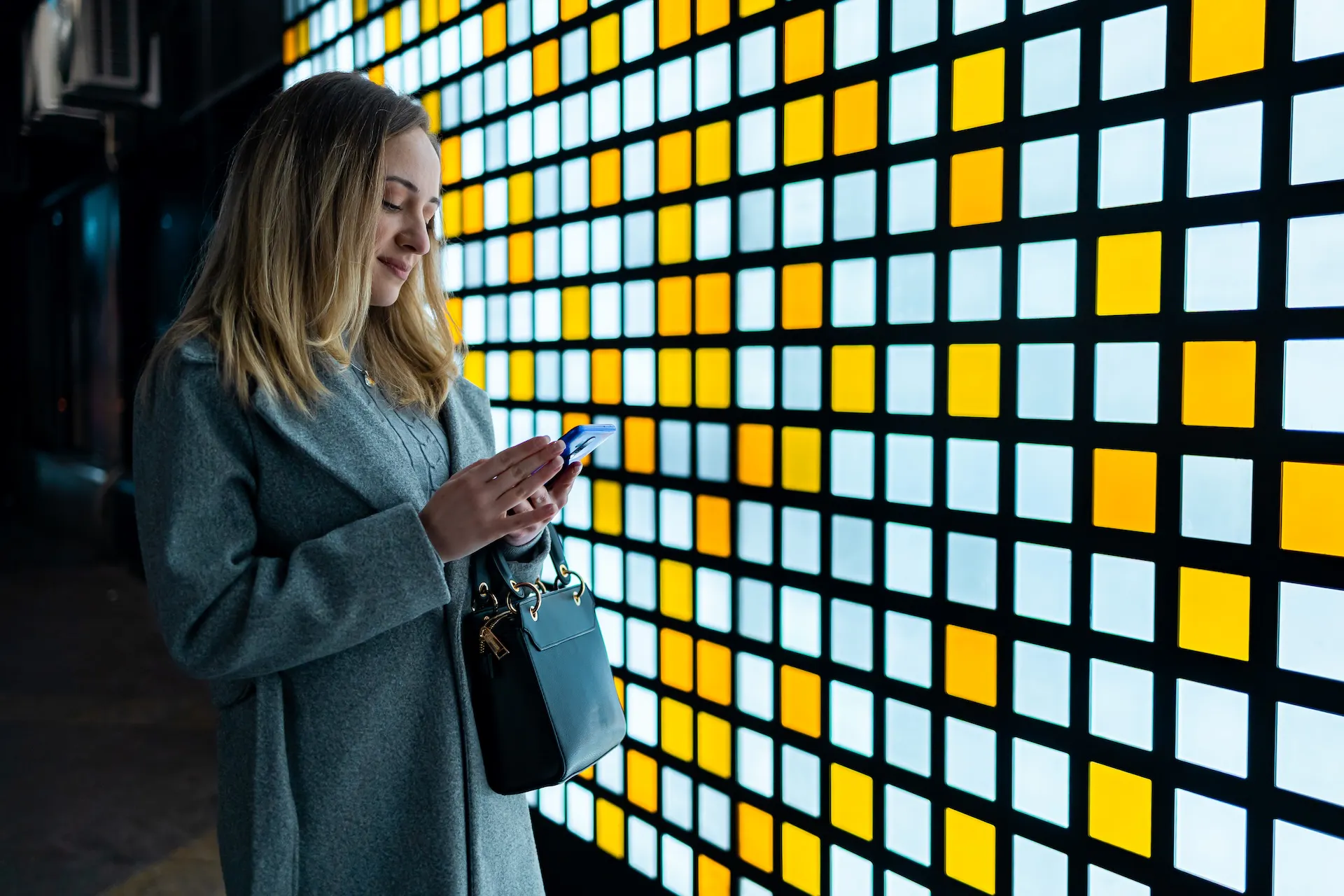
Augmented reality (AR) helps transform installations from static environments into responsive ones. When digital content is displayed in a physical space, people move from passive observers to active participants. Instead of viewing the product on a pedestal, they can see it come to life, visualize how it fits into their own world, or uncover layers of the story hidden inside the environment.
That shift has a measurable impact.
Research found that experiences using AR can deliver conversion rates up to 94% higher than traditional product presentations. That difference often comes down to engagement.
Event marketing strategies built around AR excel at two key things:
They hold attention longer, averaging over 75 seconds of interaction, and they boost purchase confidence through visualization that feels personal, not passive.
We are already seeing higher conversion rates among users who get to interact with AR product previews compared to those who browse static images. That’s because when people can see the scale, movement, and context, decision-making becomes easier.
And many brands have been exploring that potential for a few years now.
For example, during a digital activation with Gucci, an AR shoe try-on launched through Snapchat reached 18 million users and increased product views by 188%.
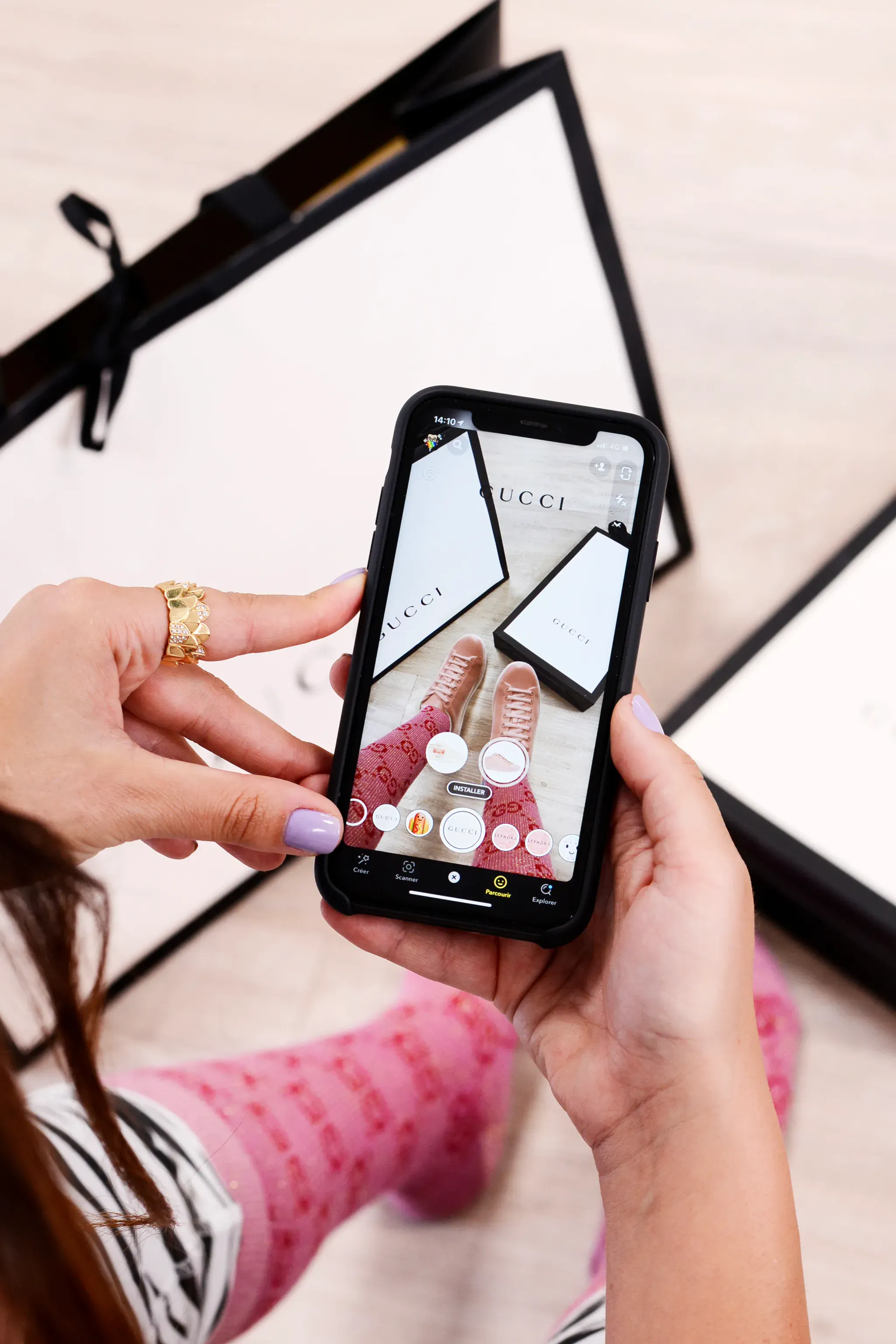
Installations like these show how layered experiences can move audiences from curiosity to action.
Of course, AR doesn’t replace physical design. It amplifies it.
When the digital layer is planned well, your installation becomes something visitors step into, explore, and remember long after the event ends.
The brands shaping the future of experiential retail are already building in this direction. WONU’s team can make sure you don’t fall behind.
Adding Augmented Reality to Existing Booths and Installations
Many brands assume that using AR requires a full redesign. In reality, the strongest activations often build on structures that already exist. Booth walls, product displays, and signage can all become entry points for digital layers that deepen interaction without changing the physical footprint.
Visitors move through the same environment, but now it responds to their presence and curiosity.
Start With Physical Touchpoints
The most effective integrations start by identifying the physical elements that are already pulling attention:
Product displays, demo counters, entry signage, and hero walls.
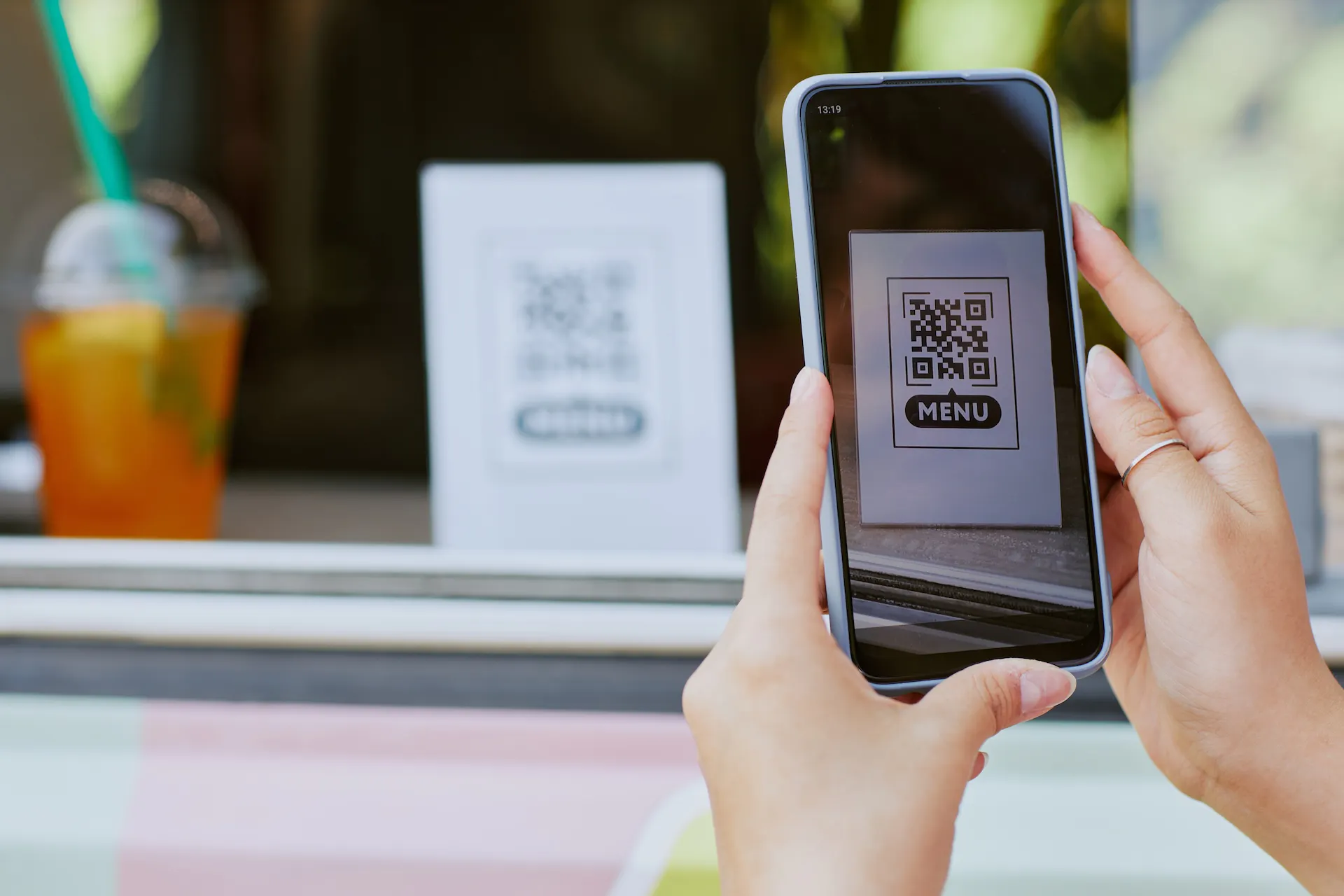
These locations create ideal anchors for AR triggers.
Once you've mapped those touchpoints, you can layer digital content strategically, so that the AR feels like it belongs there, not like something that was bolted on at the last minute.
Markers such as QR codes, image recognition targets, and NFC tags can connect guests to digital content using their own devices. Web-based AR tools eliminate the friction of app downloads; visitors get to launch experiences directly in their mobile browser.
Existing hardware can support the experience, too. Mounted tablets, screens, and interactive kiosks can host AR previews for anyone who prefers not to use their phone. Instead of rebuilding your booth, the goal is to expand what each physical element can do.
Layer Digital Content Onto Existing Surfaces
Most brands already own more AR infrastructure than they may even realize. Think booth walls, product displays, and signage.
You're not really starting from zero. Physical branding elements that are already in rotation become anchor points for layered content.
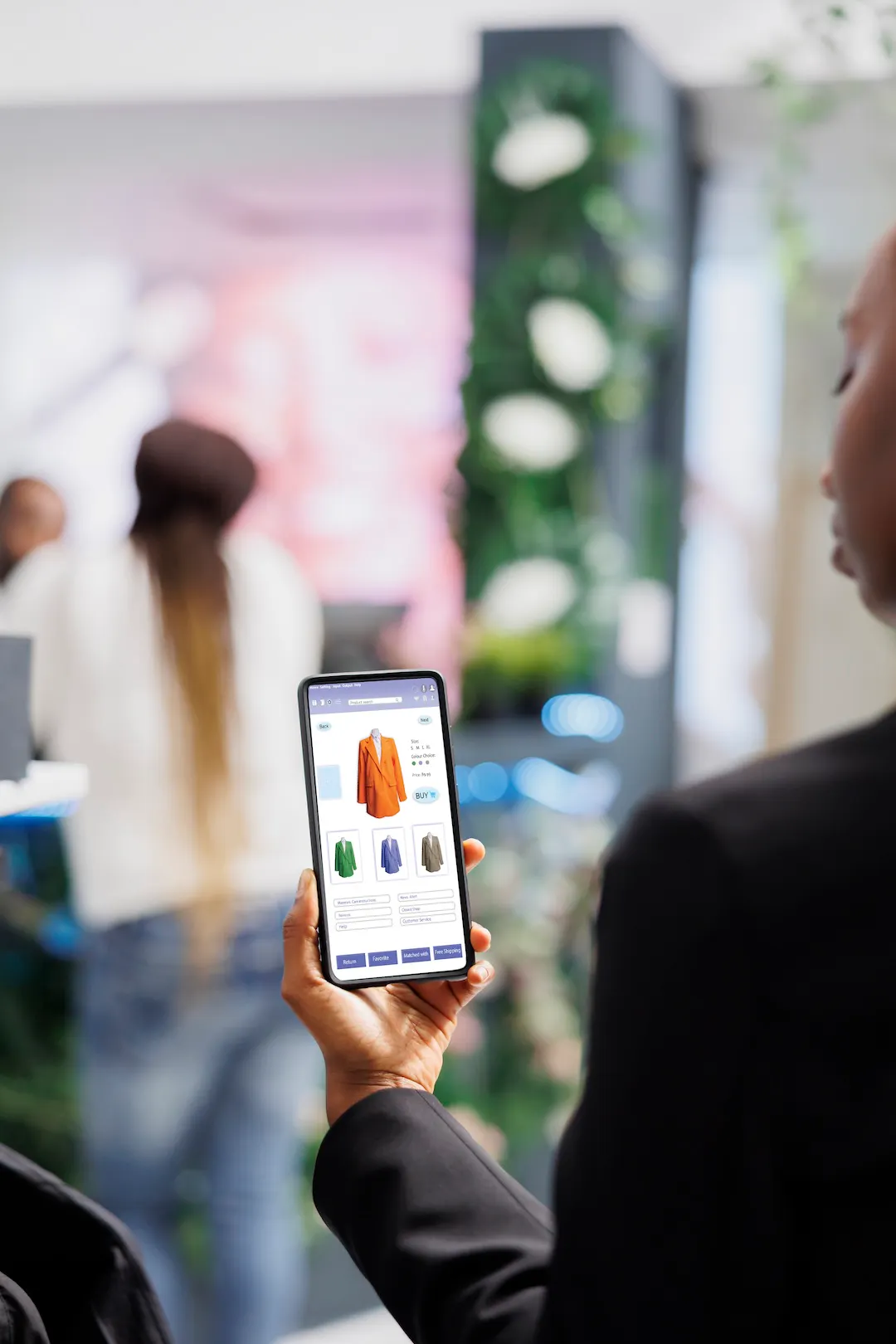
So, once you've identified your trigger points, the build becomes a matter of layering content over surfaces that already exist.
A product display can trigger a 3D visualization, a wall graphic can activate a behind-the-scenes story, and signage can launch interactive tutorials or styling demonstrations.
Each digital layer should reinforce something the visitor is already looking at.
Of course, different formats serve different goals.
The best format depends on visitor flow, lighting conditions, and the type of interaction the brand wants to create. Matching the tech to the environment keeps the experience intuitive and easy to navigate.
WONU helps you build the right digital layer onto the right physical moment. That’s when the environment truly starts to move with your audience.
AR Experiences That Drive Engagement at Brand Activations
The technology is there to create moments people want to explore.
You shouldn’t rely on a single interaction. Instead, layer multiple experiences that will encourage visitors to stay longer, move through the space, and share what they discover.
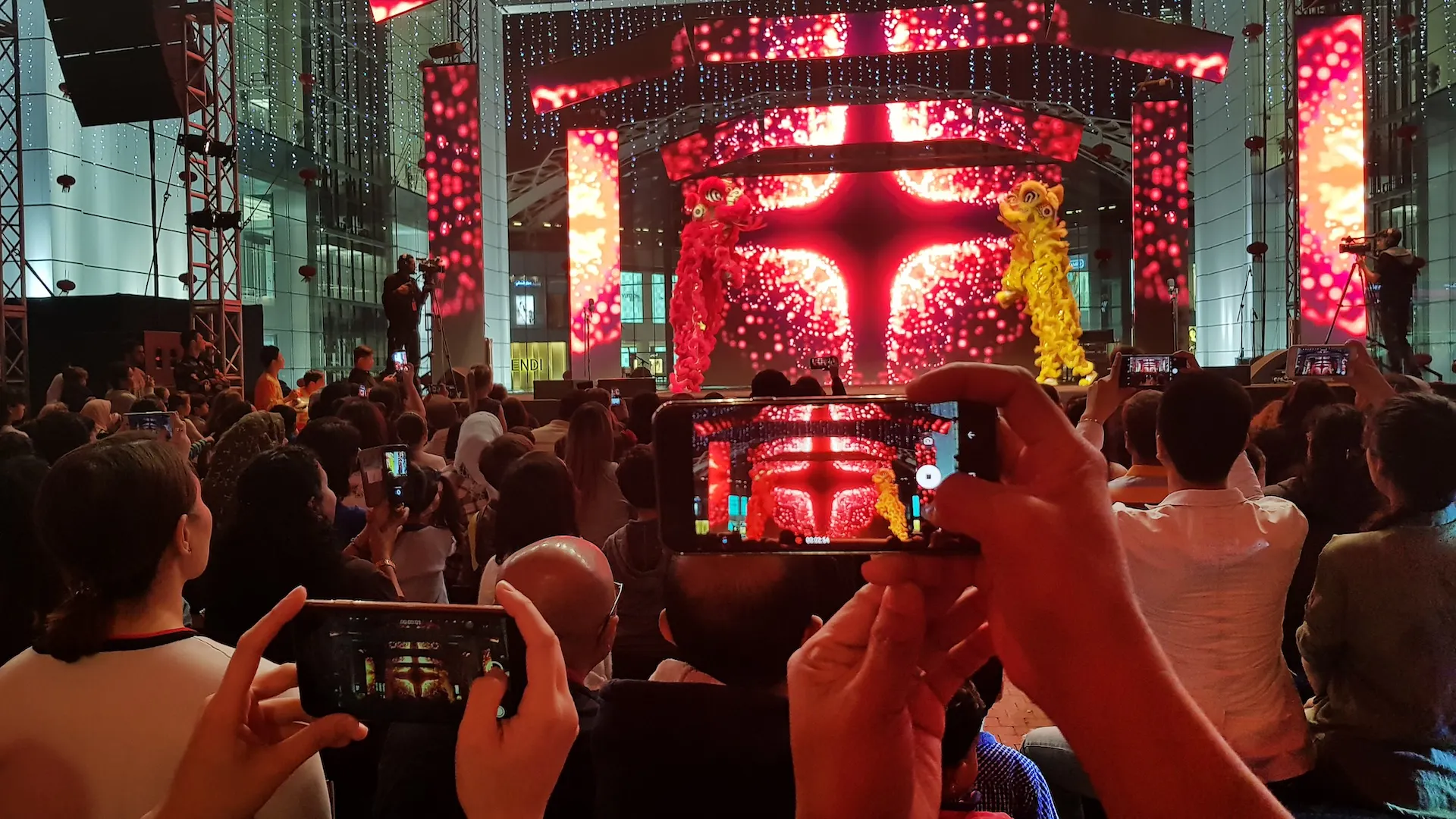
Formats that consistently perform well across retail environments, pop-ups, and trade shows are the ones that combine physical exploration with digital interaction, creating environments that feel alive.
Virtual Try-Ons With AR Mirrors or Mobile
Virtual try-ons remain one of the most powerful uses of AR in brand environments. Visitors get to see how products look on them in real time, without opening packaging or waiting for assistance.
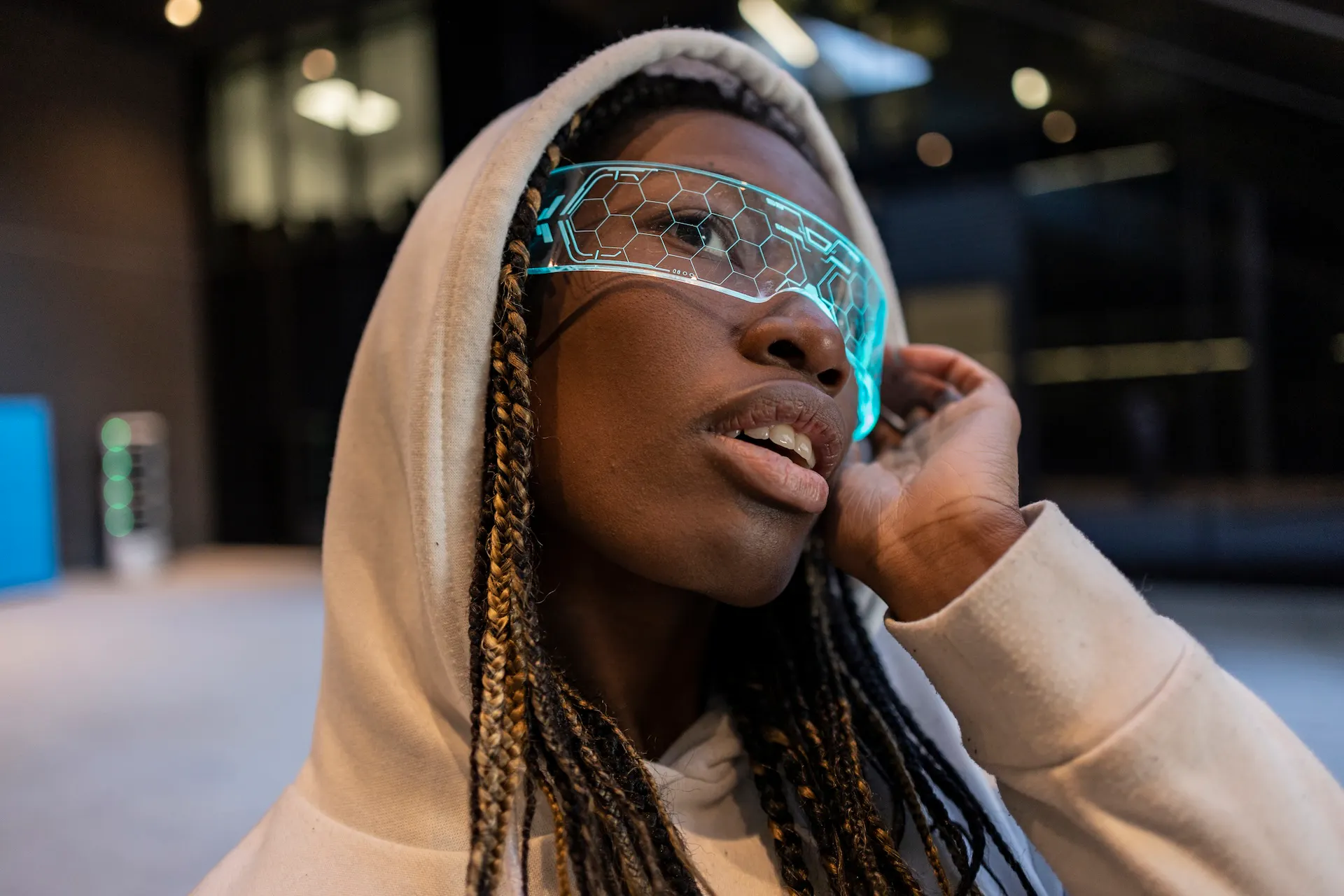
AR mirrors, for example, allow guests to try on items such as sunglasses, jewelry, and cosmetics through a reflective display that overlays digital products onto their own reflection. These installations tend to draw crowds in because they combine novelty with practicality.
Mobile try-ons can deliver a similar experience through smartphones. Beauty brands frequently use facial mapping technology, letting visitors try on different shades and styles directly through the camera. Fashion brands, on the other hand, might use body tracking to preview accessories or apparel.
When people see themselves wearing the product, purchase confidence rises, and return rates drop.
Gamified AR Trails and Scavenger Hunts
You can turn your activation into a game by designing an AR scavenger hunt that rewards discovery with content, product access, or exclusive offers.
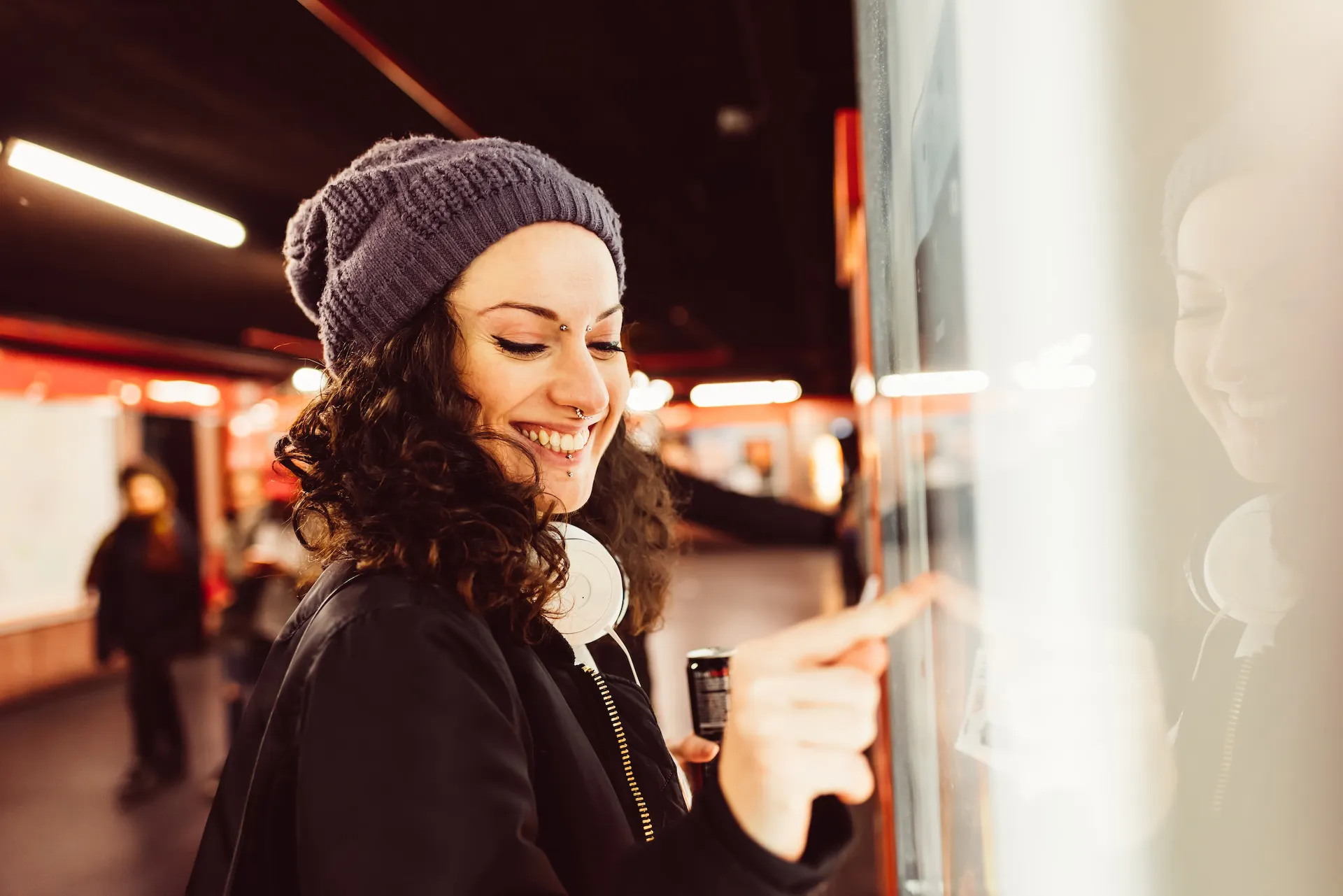
AR trails guide people from one point to another by revealing digital content at each stop.
scavenger hunt might begin at the entrance of a pop-up and continue across several stations inside the space. Every checkpoint unlocks a new experience, from interactive animations to hidden product reveals.
These trails can extend beyond a single booth.
When your brand puts a digital trail through a neighborhood, what you're really building is a routing system for attention. The surrounding area becomes part of the experience.
Remember:
You want people to follow because the experience rewards curiosity, not because they're merely following instructions. That sense of discovery is what keeps them exploring longer and interacting with more brand touchpoints.
Shareable AR Photo and Video Moments
Some AR moments are designed specifically for sharing.
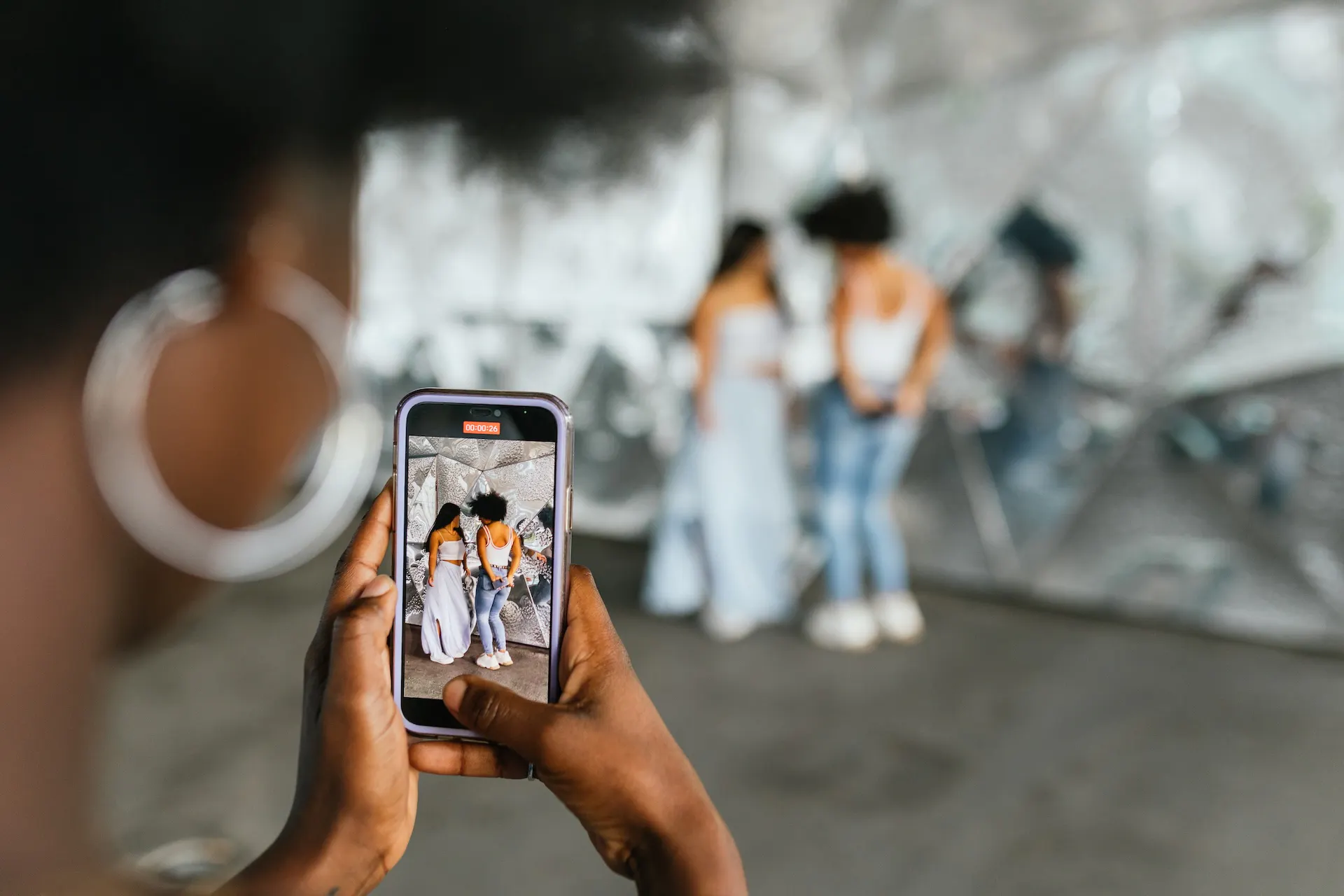
Interactive filters, animated backgrounds, and digital effects allow visitors to capture photos or short videos that feature the brand in creative ways. They get saved, screenshotted, and sent to group chats because they do something no static post can:
They turn passive scrolling into a moment someone wants to claim.
You're practically arming visitors with user-generated content they actually want to post, turning them into distributors of the experience. When someone posts an AR interaction on social media, the installation reaches audiences far beyond the physical space.
Content no longer stays inside the event. It circulates.
Product Visualization and Interactive Storytelling
AR excels at explaining products that benefit from context or demonstration.
A physical display shows the product itself, but the AR layer reveals how it works, how it was designed, or how it fits into everyday life.
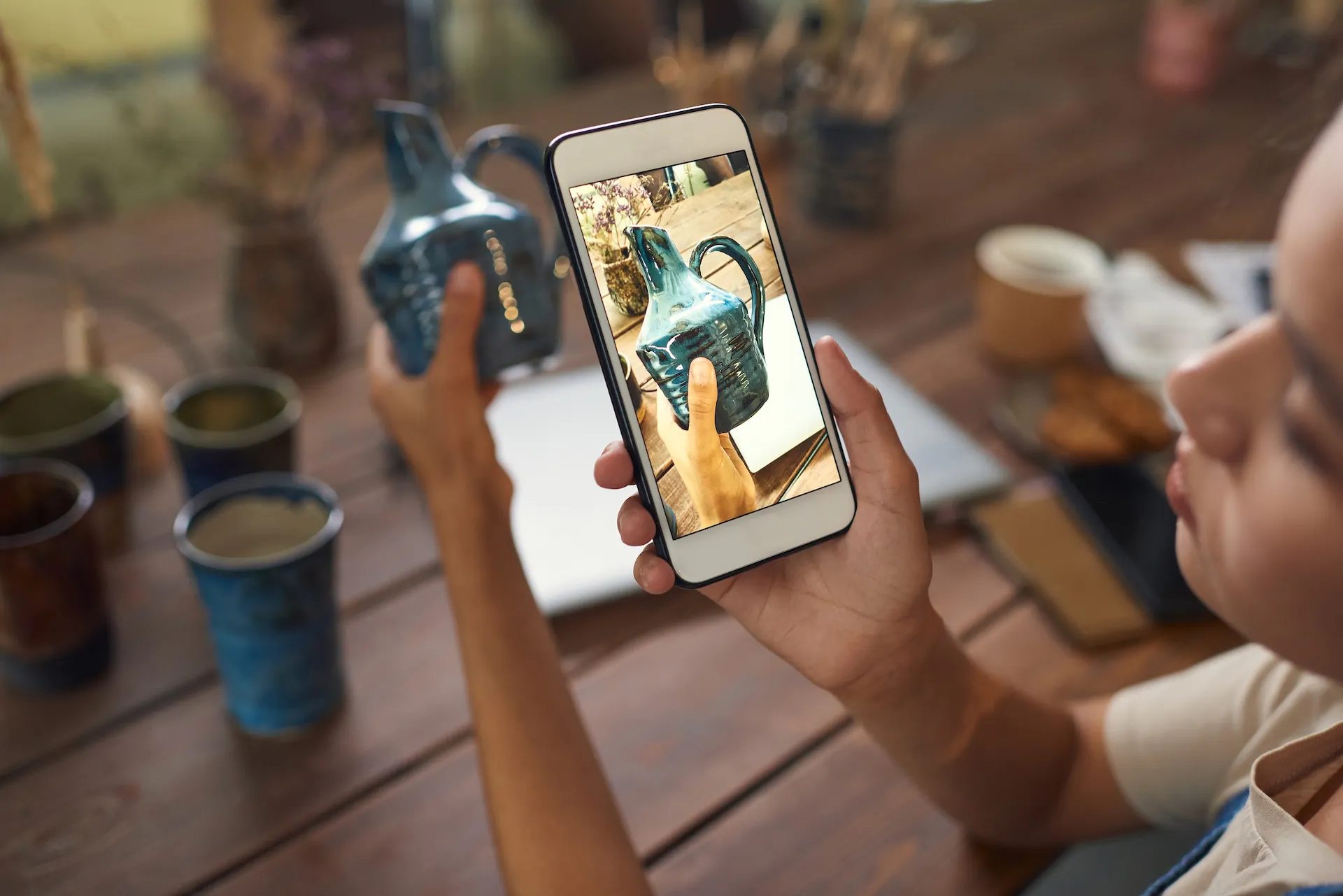
For example, visitors can scan a product and view a 3D animation illustrating its features. A fashion brand might reveal the craftsmanship behind a garment, while a tech brand could show the internal components of a device through layered visualizations.
These experiences transform product education into something immersive and intuitive. Instead of reading about a feature, visitors experience it directly.
Of course, the strongest brand installations combine several of these formats into one cohesive journey.
One interaction is there to draw people in, the next one deepens their curiosity, and the final moment gives them something worth sharing.
When AR is used with intention, the installation becomes more than a display. It becomes an environment people explore, remember, and talk about long after the event ends.
Extending AR Engagement Beyond the Event
The real work starts once people leave.
You might’ve captured attention in person, but AR gives you a way to sustain it through shareable social moments, digital collectibles that live on phones long after strike, and community touchpoints that keep the conversation alive.
Done right, AR becomes part of a longer engagement cycle that keeps audiences connected to the brand.
Your installation becomes a platform, not a one-time interaction.
Shareable AR Content
When someone leaves your installation but still talks about it days later, something shifts.
Visitors who capture photos and videos during an activation are likely to post them across social platforms within hours.
AR content sharing extends your brand moment beyond the floor.
That content continues to circulate after your event ends, exposing the installation to audiences who were never physically present. The reason is simple:
People post what feels worth sharing.
Furthermore, AR experiences see 300% higher sharing rates compared to non-AR activations. That's your installation traveling through feeds, comments, and DMs.
Your focus should be on visual payoff. When AR moments look striking on camera, people naturally want to capture and share them. Every post becomes a small extension of the installation, boosting its reach far beyond the original space.
Digital Collectibles and Loyalty Rewards
Most activations tend to end when the doors close. AR, on the other hand, can help you turn moments into assets people carry home.
You’re essentially transforming event interactions into digital takeaways. Collectibles unlocked during the activation give visitors something to keep after the experience ends.
Digital collectibles bridge the gap between spectacle and staying power.
These rewards might include exclusive AR filters, digital badges, limited edition animations, or interactive assets tied to the event. Participants can revisit them later, long after they've left the venue, extending the emotional connection formed during the activation.
Plus, digital rewards can be tied to loyalty programs. Visitors who complete an AR challenge might unlock early product access, special discounts, or exclusive content, which encourages them to remain engaged with your brand.
Community and Ongoing Brand Interaction
AR experiences can evolve into ongoing touchpoints that keep audiences connected over time.
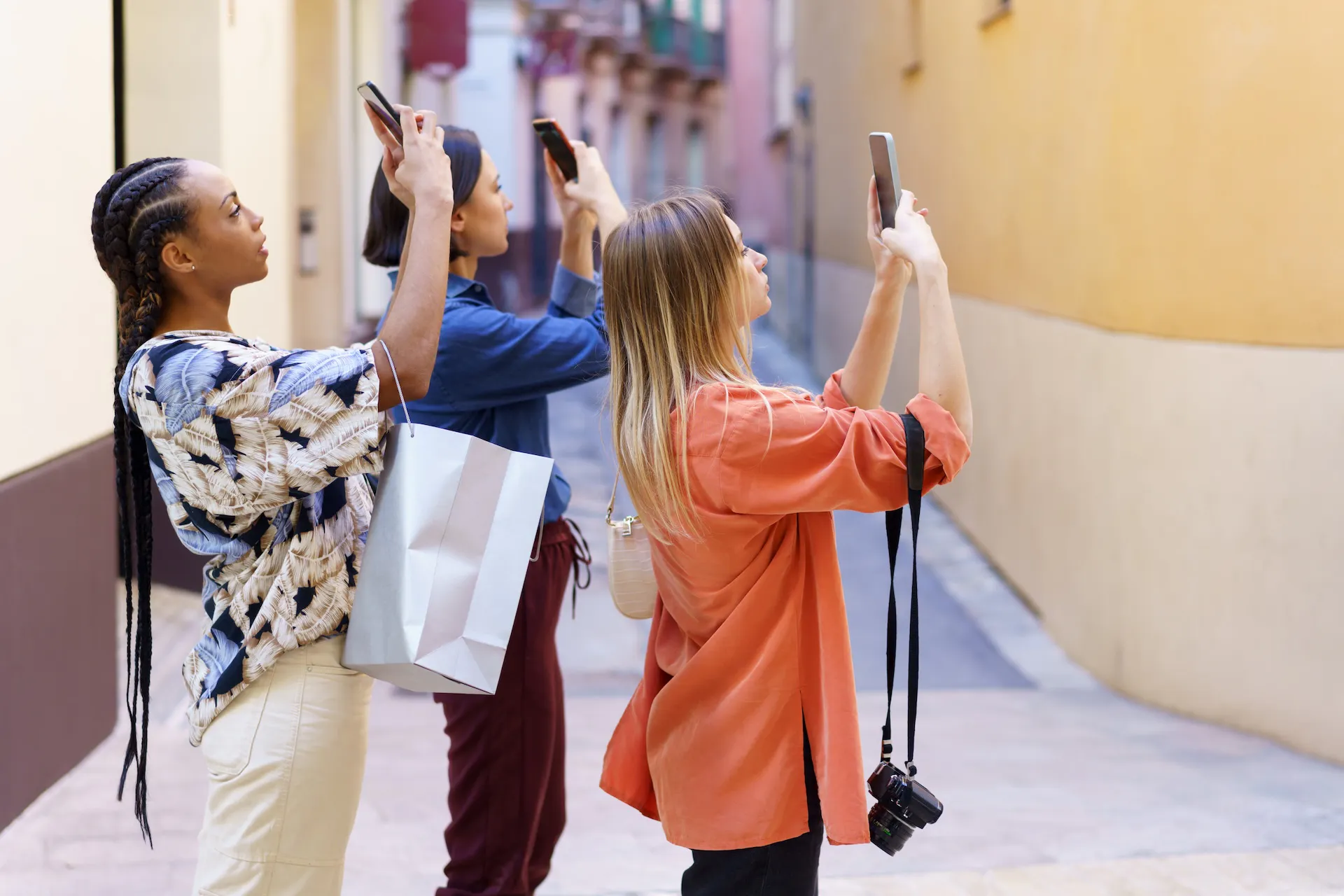
For example, a pop-up could introduce AR filters that remain available online, while a scavenger hunt may expand into a citywide experience tied to retail locations.
These interactions encourage people to return, explore, and share again.
When augmented reality is used with a long-term mindset, the activation becomes more than a moment. It becomes a starting point for continued discovery and brand loyalty.
The event may end, but the experiences WONU builds keep on moving.
Measuring the Impact of Your AR Brand Installation
After the screens go dark and the last guest leaves, the real work begins. You need performance metrics that prove the installation delivered.
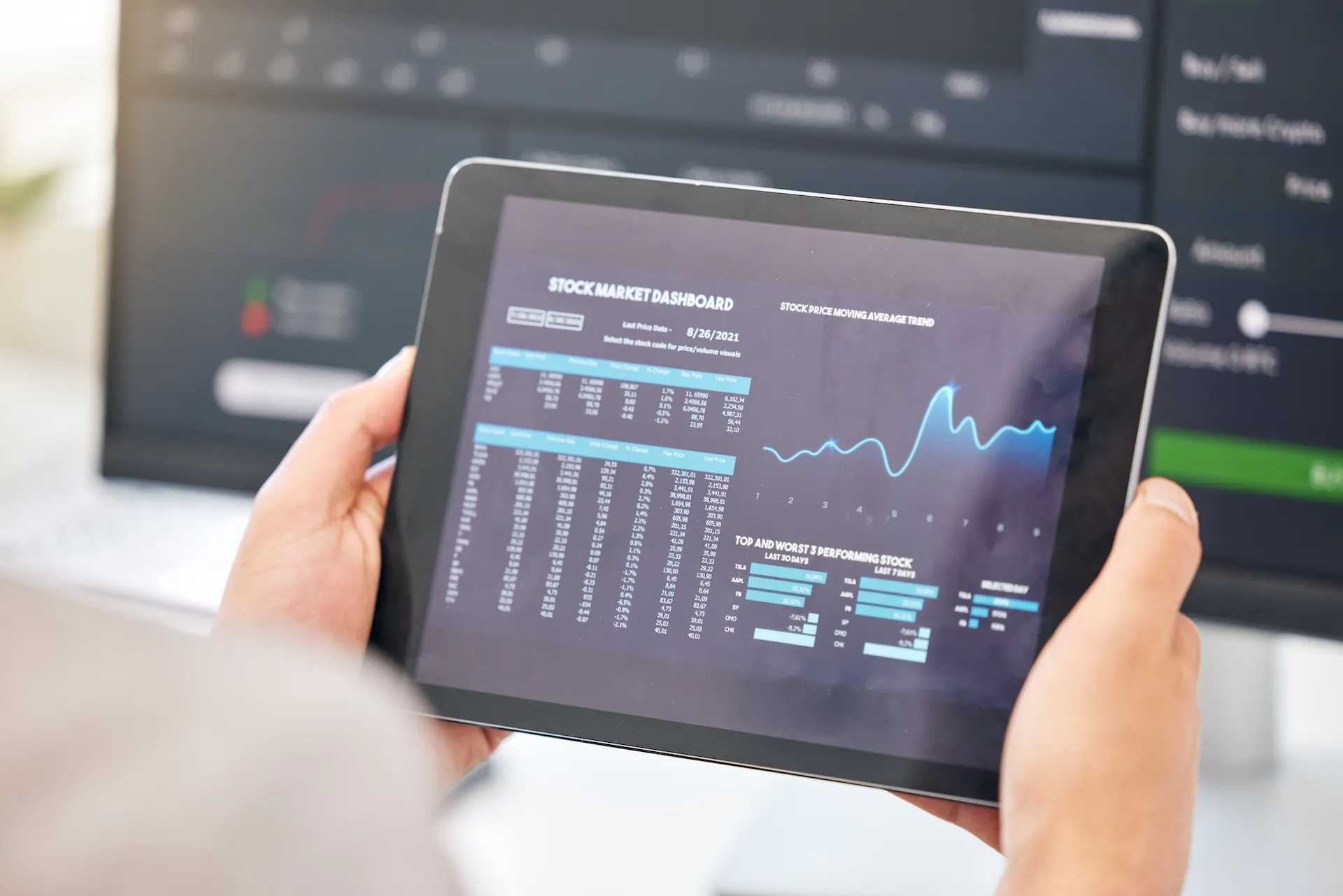
AR leads to measurable engagement that traditional displays often struggle to capture. Because visitors interact directly with digital layers, brands get access to behavioral data that reveals how they explore the experience.
The key?
Tracking metrics that connect interaction to real outcomes.
- Dwell Time and Interaction Rate
Dwell time measures how long people spend engaging with the installation. Longer sessions signal deeper curiosity and stronger interest in the experience. Interaction rate, on the other hand, shows you how many people actively engage with the AR component compared to those who simply pass by. A high interaction rate indicates the activation is not only visible but compelling enough to draw participation, too. Together, these two metrics paint a clear picture of how effectively the installation captures attention.
- Social Amplification and Reach
AR activations usually generate content visitors want to share. Photos, videos, and filters created during the experience can spread across social platforms, extending your installation's reach well beyond the event floor. Tracking hashtags, mentions, and shared content helps measure how far the activation travels online and introduces the experience to people who may not have attended the event.
- Lead Capture and Conversion
The strongest AR activations will guide visitors toward meaningful actions. QR triggers, interactive prompts, and digital rewards could encourage guests to sign up for a newsletter, explore a product page, and unlock an exclusive offer. Brands that used virtual try-ons, in particular, saw a 20% sales increase.
When the interaction data connects to lead generation or purchases, the value of the installation becomes clear.
Measure what visitors explore, what they share, and what they choose next. That data turns an immersive experience into an informed strategy for the next activation.
WONU provides these insights, and more.
Avoid These Common AR Pitfalls That Kill Engagement at Live Events
AR can create powerful engagement when it’s done right. But when the fundamentals are overlooked, the experience quickly loses momentum. You can spend six figures on all those screens, spatial triggers, and development talent, only to watch attendees drift past your booth.
That doesn’t happen because your idea was weak. It happens because the execution ignored how people actually move through live environments.
Once you can recognize the most common pitfalls, you can prevent your activation from falling flat.
- Overcomplicating the Experience
AR should feel intuitive, from that first moment to the last. If visitors need long instructions and staff assistance before they understand how to participate, many will probably walk away. The strongest installations introduce a single clear interaction and allow visitors to discover the rest naturally.
- Ignoring Network Infrastructure
Connectivity problems can undermine even the most creative concept. Slow loading times, lagging visuals, or broken triggers disrupt the experience, potentially causing guests to disengage. Reliable low-latency bandwidth and a dedicated network setup are crucial for any AR activation running in a high-traffic environment.
- Prioritizing Novelty Over Story
Technology alone doesn’t create engagement. AR experiences have to support a clear narrative or a product message. If that digital layer exists only to showcase tech, visitors may interact once and move on. When the experience connects to the brand story, though, curiosity lasts longer.
- Launching Without a Measurement Plan
Some activations can attract attention but produce little actionable insight. Without defined metrics, it becomes difficult to evaluate whether the experience delivered value. Measurement is what turns experimentation into strategy.
Your creative vision and the execution need to be equally strong. When the fundamentals are handled with care, the technology has room to deliver the impact it promises.
Where Brand Installations Go Next
Physical environments will always matter in experiential retail.
People still want to walk through spaces, see products up close, and connect with brands in person. What is changing, however, is how those spaces respond to the audience inside them.
AR opens a new layer of interaction.
Displays become dynamic, brand stories unfold through movement and exploration, and visitors leave with something they experienced rather than something they simply observed.
That shift requires more than tech. It requires strong creative direction, precise execution, and a complete understanding of how people move through space. And that’s the work we focus on at WONU.
The brands that are winning attention aren't waiting. Neither should
Get in touch with our team and let’s work together to create installations people remember.
Let's build
If you're thinking about how your brand shows up in the world, we'd love to hear from you.