

8 Experiential Retail Trends for 2026 That Redefine Connection
Experiential retail trends for 2026 are rewriting how brands drive desire, loyalty, and belonging.
The store is no longer a backdrop. It’s a stage where technology, storytelling, and community meet in real time. Retailers that once mainly focused on square footage now compete on feeling, creating spaces that respond, adapt, and remember.
From luxury to lifestyle, the lines between digital and physical are blending into one continuous experience that feels more human, not less.
The smartest players are treating every single touchpoint as an experiment in empathy and precision. And what emerges is a new kind of retail:
Fluid, data-aware, and alive.
Below, we unpack the shifts that will define who thrives in this next era of commerce.
1. Phygital Retail Takes Center Stage
Walk into a flagship in SoHo on a Saturday and you’ll feel the shift:
The handoff between screen and store is finally seamless.
The wishlist you made online greets you at the door, ambient displays adapt as you browse, and checkout happens from your phone, before you even reach the counter. That is phygital retail at work, where data, design, and technology move together to create fluid, human experiences.
The goal is not to dazzle with gadgets, but to choreograph the entire experience, so every touchpoint feels connected. Interactive displays, app-synced shopping carts, and real-time inventory cues build momentum between the brand’s digital presence and its physical space.
The result?
A journey that feels personal, intuitive, and complete.

Brands like Nike and Gucci use these systems to close the gaps between browsing and buying, reducing drop-off rates and keeping customers immersed longer.
The numbers confirm what shoppers already know. 65% of consumers prefer brands that blend digital and physical touchpoints, and nearly half are willing to pay more after an AR interaction.
Those metrics translate into higher conversions, stronger loyalty, and measurable ROI. And that’s exactly what modern retail needs to stay relevant through 2026.
At WONU, we design phygital ecosystems with both creativity and care. For our clients, the payoff is clear:
Connected journeys that move customers from curiosity to commitment, and leave them wanting more.
2. AI Stylists Create Truly Personal Retail Experiences
The next generation of retail personalization no longer waits behind the screen.
Step into a fitting room and the space already knows your rhythm; three feet from the rack, the mirror now becomes your stylist, suggesting outfits that match your size, tone, and taste.
What was once a gimmick, now feels like intuition sharpened by data.
The shopper’s digital footprint and in-store behavior merge into one adaptive styling journey, where every suggestion feels intentional, grounded in context and care.
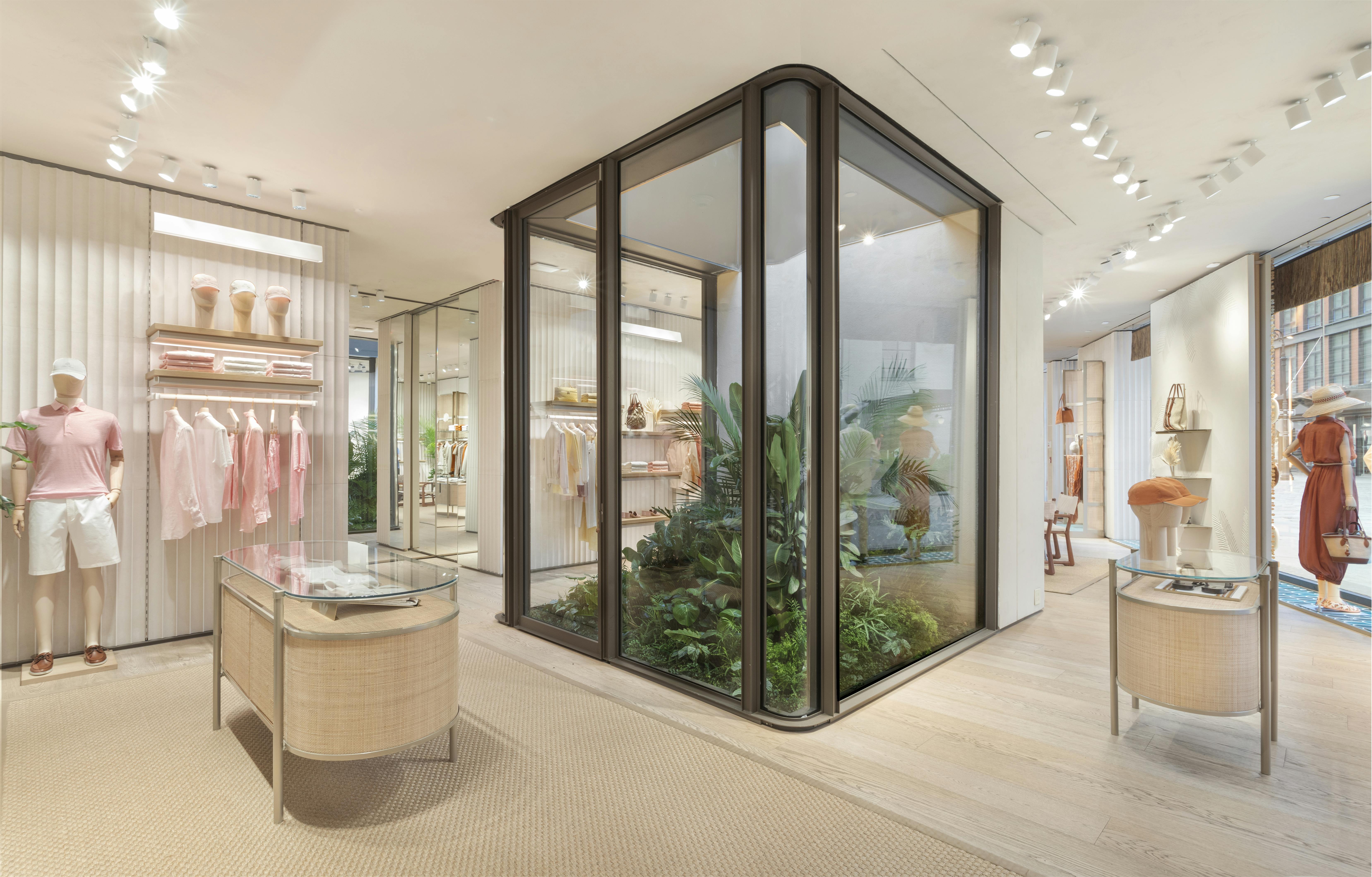
These AI stylists learn in real time. They read intent, compare silhouettes, and suggest textures or colors based on your history and what’s trending nearby. Shoppers see entire looks, not isolated products, which reduces friction and return rates while lifting confidence and conversion.
Case in point:
71% of shoppers are more likely to engage if the brand makes AI part of the experience.
Luxury and beauty leaders are setting the pace; Sephora’s AI assistants surface shade matches informed by thousands of community data points, for example. Across other categories, the result is the same:
Smoother journeys, stronger brand recall, and deeper trust.
For retailers, the payoff runs deeper than uplift metrics. Done right, AI-driven personalization becomes the quiet connective tissue between digital insights and human empathy. It allows associates to focus on care, not computation, and ensures that every recommendation feels curated rather than calculated.
3. Sustainable Store Design Becomes Standard Practice
The next era of experiential retail treats sustainability as foundation, not flourish.
The most forward-thinking brands now design stores as living systems; modular, efficient, and made for renewal. Every fixture and finish serves as part of a closed loop, where beauty and responsibility reinforce each other.
Circularity drives this shift.
Reclaimed wood, recycled metals, and low-carbon concrete all bring tactility without waste. Prefabricated walls and reusable displays allow for faster reconfiguration between flagships and pop-up formats, cutting both cost and landfill load. Even textiles and glass are being reimagined through upcycling and bioplastics, adding narrative depth to the store’s visual language.
Technology is tightening the loop further. IoT sensors now monitor energy use in real time, while AI-driven HVAC systems adjust temperature. Last but not least, LEDs maintain color fidelity on product details while drawing less power.
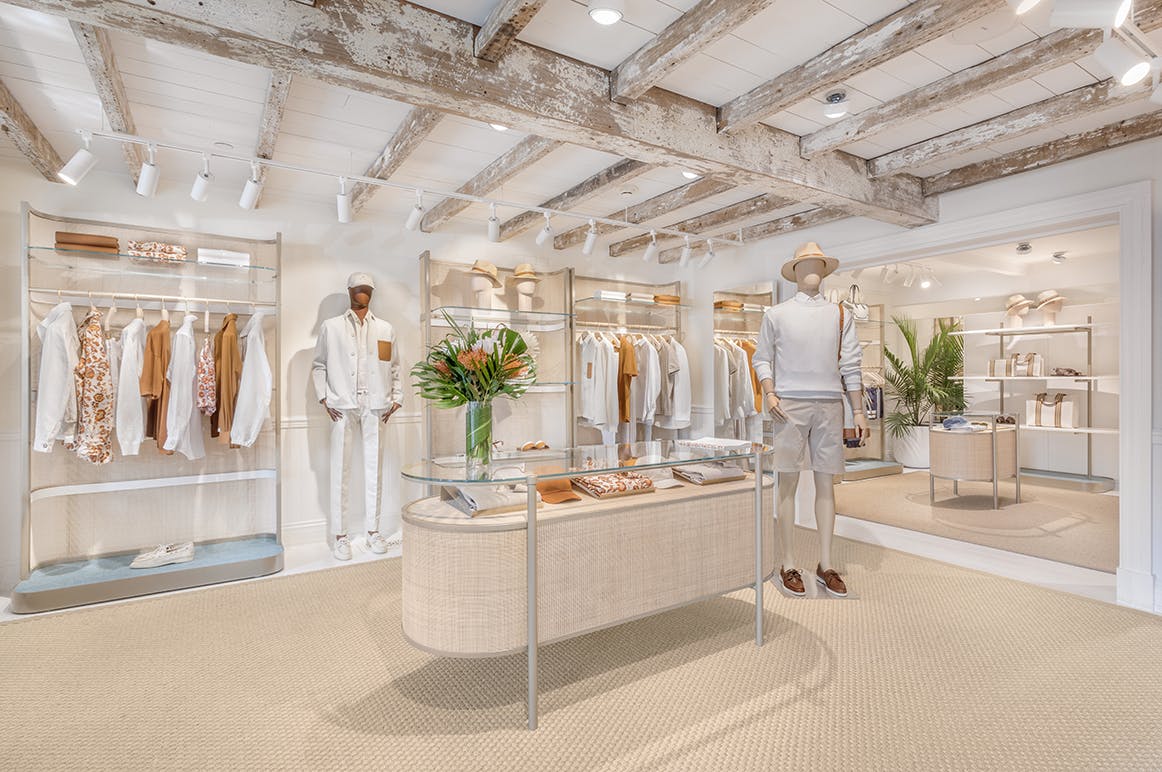
It’s all about creating engaging in-store moments while maintaining energy efficiency.
And no, these optimizations don’t dilute experience. They heighten it, translating operational discipline into sensory ease.
At WONU, we apply these principles in each layer of experiential design. Sustainable sourcing informs the palette, energy efficiency shapes the rhythm, and cultural insights make sure the story resonates.
The result?
A retail environment that proves that sustainability and sophistication now speak the same language.




4. Exclusive Experiences Redefine Luxury
Luxury is shifting from spectacle to intimacy. The future of exclusivity isn’t about velvet ropes or invite-only emails.
It’s the art of being seen and understood.
While the city hums outside, your door stays shut on purpose. Brands are scaling smaller, trading square footage for focus and emotional precision through VIP micro-stores, appointment-only fittings, and curated private showrooms that feel more like ateliers than retail floors.
Brick-and-mortar still dominated with 80.4% of worldwide sales in 2024, so in-person exclusivity aligns with where customers already buy. In fact, it becomes the engine:
Fewer slots, higher conversion, measurable lift in lifetime value.
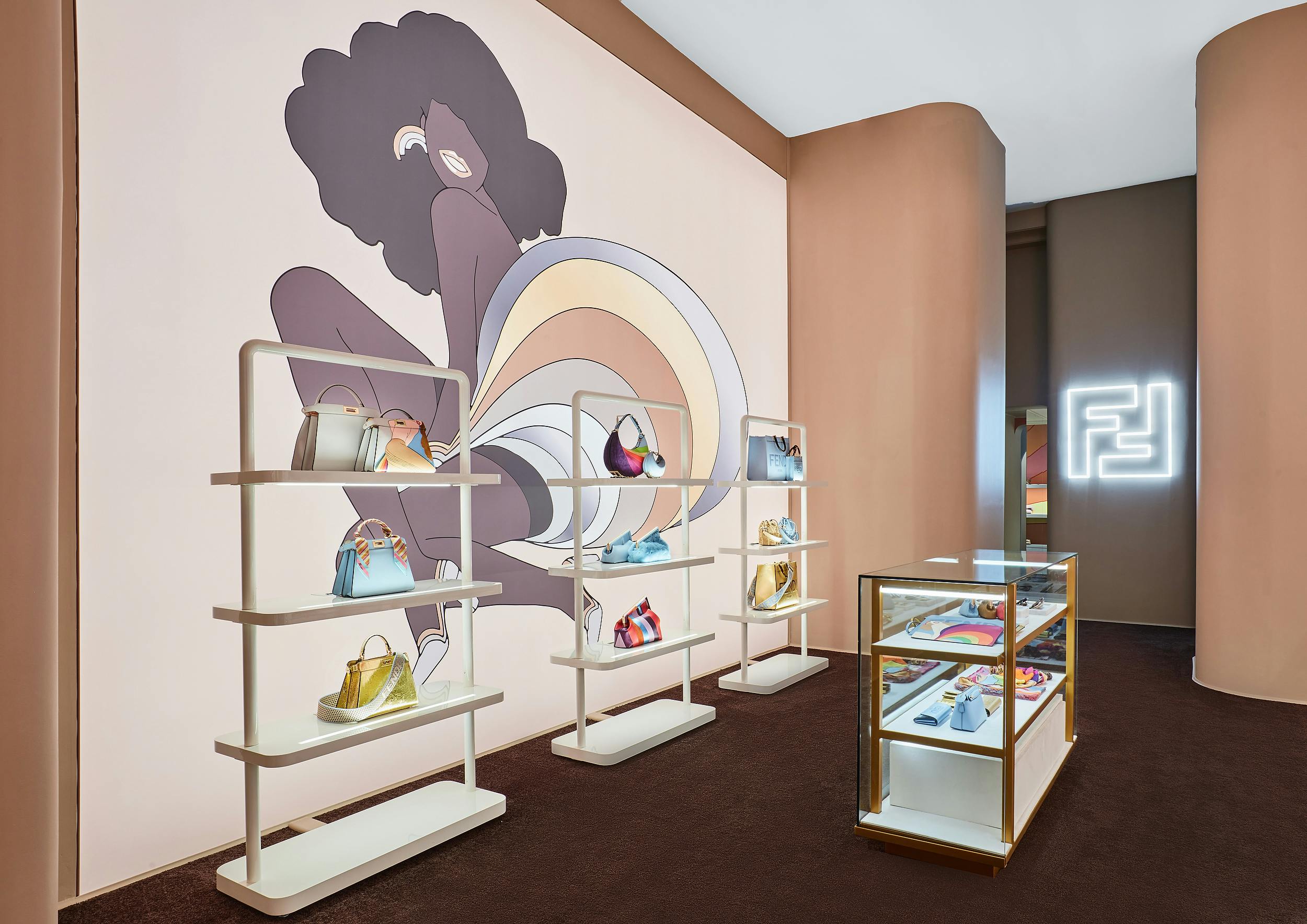
Data makes these experiences seamless. Predictive analytics preps inventory, lighting, and stylists before guests even arrive. AI handles automated interactions, while the staff focuses on high-touch requests. The appointment becomes a fully tailored performance.
This precision pays off:
VIP clienteling programs can lift profit margins by 10-20% while deepening long-term loyalty.
These micro-environments are becoming the new standard for experiential luxury:
Spaces that feel personal, intentional, and calm in a retail world still obsessed with scale.
WONU builds these environments so that every touchpoint, from appointment booking to handoff, reflects care and precision. Because real luxury isn’t about access denied; it’s about connection earned.
5. Community-First Retail Becomes the New Loyalty Program
The store is evolving into a cultural hub, equal parts marketplace and meeting place. Brands that invest in community-first retail hubs are seeing measurable returns on both emotion and engagement.
When a space hosts morning yoga, evening readings, or weekend maker labs, dwell time tends to extend naturally and conversion follows.
Experience leads to belonging, and belonging drives advocacy.
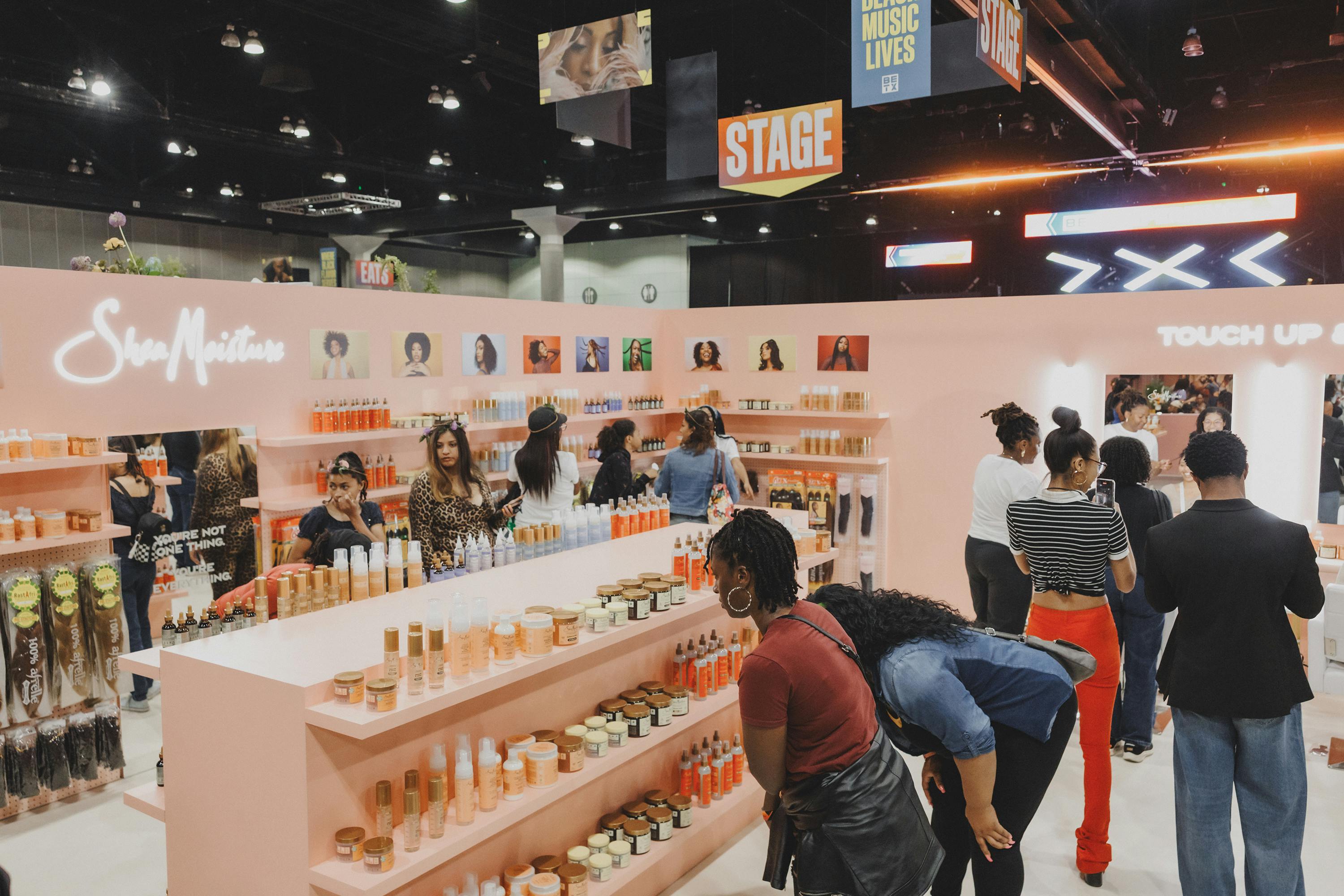
Community engagement isn’t charity; it’s pipeline. Local partnerships with studios, cafés, and cultural orgs open new revenue from ticketed classes and F&B, all while capturing opt-in CRM data that refines future programming.
Do it right, and you’ll transform retail from a transaction site into a shared cultural moment.
Across categories, visit patterns tell the same story:
Value and connection are outperforming scale. Wholesale clubs, community grocers, and regional concept stores all report sustained traffic growth through localized engagement and experiential events, reinforcing the case for community‑centric formats.
Gen Z shows up for in‑person culture, not only products.
Hybrid event spaces further amplify this effect. You gain richer insights, broader demographics, and loyalty that sticks.
With WONU, every element of community-building is designed to create resonance and drive measurable ROI. Because in 2026, the most powerful loyalty program won’t be built on points.
It will be built on presence.
6. Gamified Retail Experiences That Turn Shoppers into Players
Retail is finding its rhythm in play. Interactive discovery zones, collectible rewards, and loyalty quests are reframing engagement as entertainment, transforming shoppers from browsers into active participants.
When designed with intention, these experiences deepen emotional connection and extend session length without feeling transactional.
Gamification works because it feeds the same instinct that drives fandom:
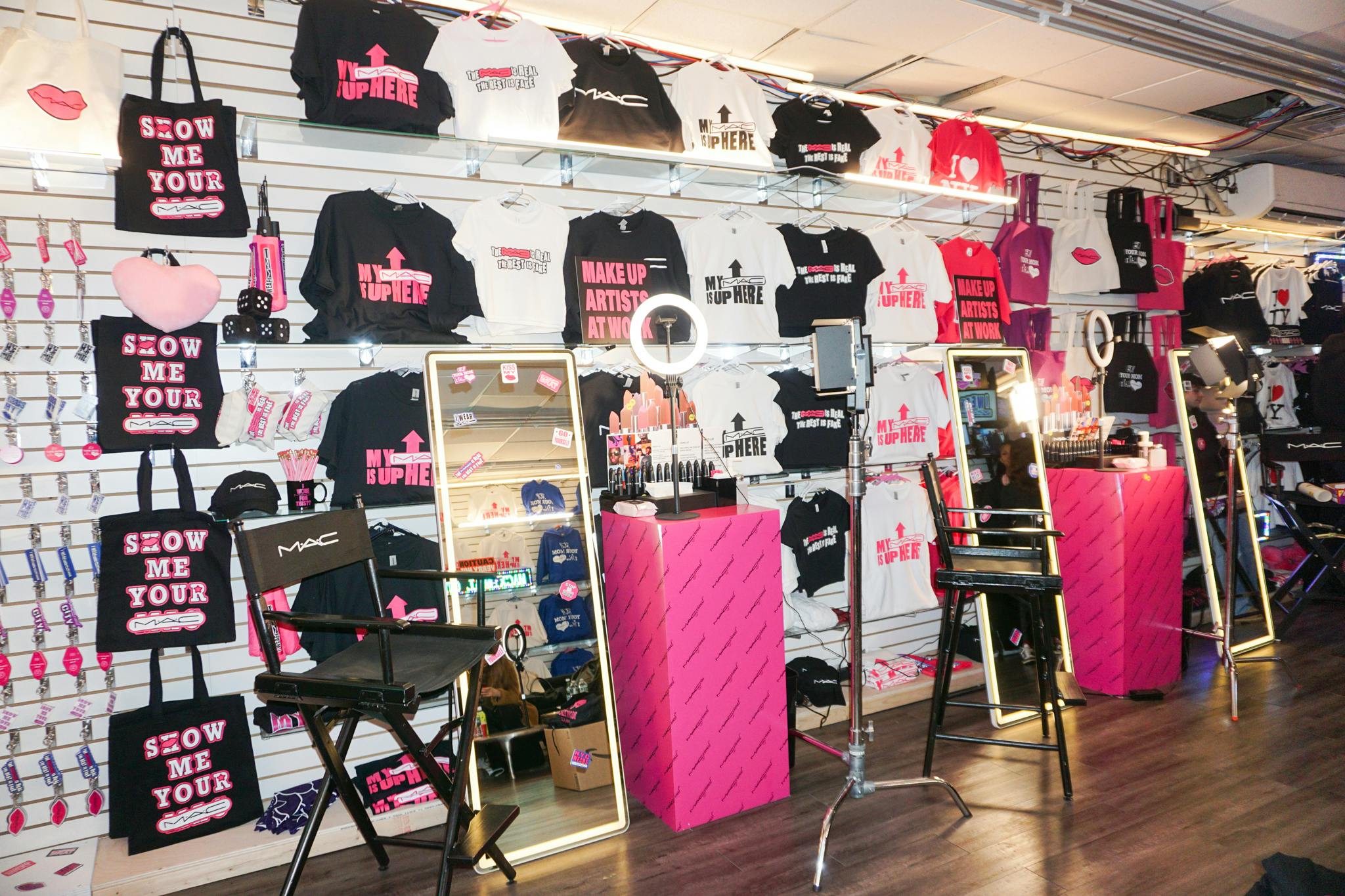
Progress, mastery, and belonging.
Think tiered reward challenges tied to local events, digital scavenger hunts that reveal product drops, and limited-edition collectibles that unlock early access. The most effective activations are those that combine narrative and reward so each touchpoint advances both story and sale.
Forward-thinking brands are already experimenting with spatial storytelling, from pop-ups where digital tokens trigger in-store content to “play zones” where product exploration becomes a shared moment worth filming.
The outcome isn’t fleeting buzz.
It’s a measurable lift in dwell time and average order value, along with a 30% increase in engagement and loyalty.
At WONU, we treat gamification as a strategy, not a spectacle. Every interactive layer is made to reinforce brand meaning, sustain curiosity, and move loyalty from passive to participatory.
Let's build
If you're thinking about how your brand shows up in the world, we'd love to hear from you.
7. Flagship Innovation Labs and Luxury Experiential Formats
AR mirrors and game loops might win the attention, but flagship innovation labs turn that initial spark into a repeatable system.
Innovation is the new luxury, and the flagship is its laboratory. These spaces are no longer primarily built to impress. They’re built to learn:
Test fast, measure hard, then roll out with style.
A flagship innovation lab is part R&D studio and part cultural showroom, one where tech, storytelling, and human behavior converge to shape scalable retail playbooks.
Global leaders are already moving in this direction. And in luxury formats, the bar’s even higher. Rebecca Minkoff’s Soho space proved it; large touchscreens, mirror try‑ons, and sensor‑smart fitting rooms tripled sales compared to traditional layouts.
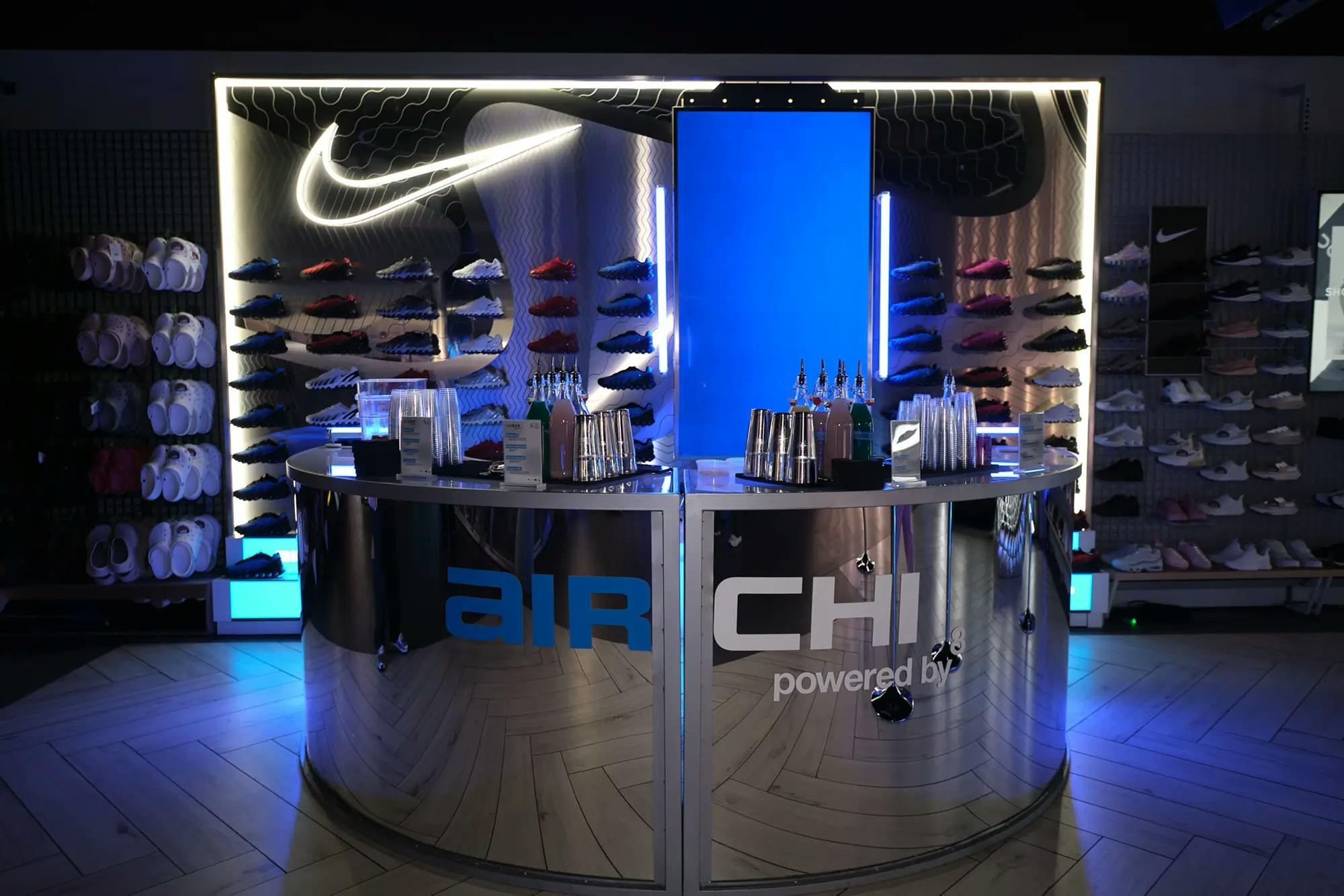
Beauty brands are following suit with open-format “labs” where shoppers get to co-create shades, scents, and rituals that later inform full-scale product lines.
The data backs the approach.
Retailers that use flagship labs for controlled experimentation report faster adoption cycles and stronger loyalty metrics, especially when personalization and sensory design intersect.
Lighting that shifts tone through the day, reactive shelving, and connected mirrors translate innovation into experience, and experience into measurable ROI.
WONU’s team designs flagships with precision and cultural fluency. Every layout, pilot, and partnership is engineered for insight and scale.
8. Data-Driven Frontline Tools and Hyper-Personalized Service
Luxury-level service no longer depends on instinct alone; it runs on insights. When store associates hold real-time data in their hands, every interaction becomes intentional.
That precision lifts customer engagement and trims waste.
They greet the customer by name, recall their purchase history, and suggest products that match a client’s taste, timing, and budget, all before they even ask.
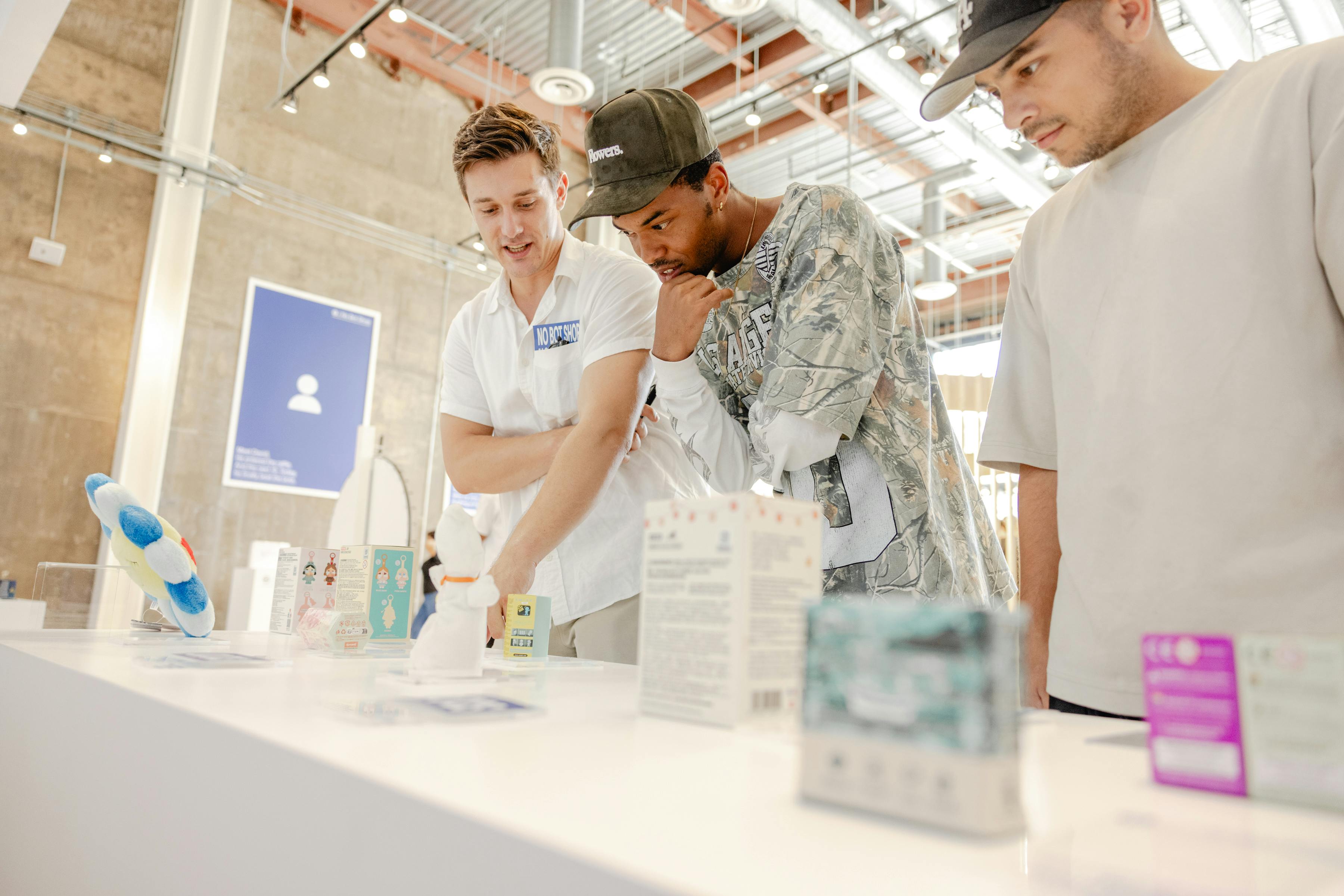
Frontline tools that integrate CRM, POS, and social sentiment are redefining what “personalized” means at scale. And considering that mobile commerce is set to account for more than 70% of total e-commerce sales, instant access to these insights on handheld devices is now essential.
Associates using predictive dashboards see measurable lifts in conversion, while stores that adopt unified data systems report stronger retention and tighter inventory flow.
With AI and machine learning now adopted by 65% of organizations, frontline tools increasingly automate next-best actions and real-time insights.
The best retail tech doesn’t replace people. It empowers them by turning intuition into precision. A single tap can surface client preferences, flag fit issues, or cue a private restock; all quiet advantages that protect both profit and reputation.
WONU designs for people first, with tech that supports empathy and excellence in equal measure.
Designing Retail That Moves People
Experiential retail in 2026 is about more than technology or square footage. It is about designing spaces that feel alive, intuitive, and meaningful.
Every interaction, from micro-moments to immersive environments, should be viewed as an opportunity to inspire, delight, and connect. When every touchpoint feels designed for the customer, loyalty isn’t a metric. It’s momentum.
The brands that succeed will be those that combine creativity, cultural insight, and operational precision to make every visit memorable.
At WONU, we help retailers turn these ideas into reality.
Whether you are looking into phygital integrations, VIP experiences, or community-driven activations, our team builds strategies that perform with both artistry and measurable impact.
Get in touch to see how your brand can lead in this next era of retail.
Let's build
If you're thinking about how your brand shows up in the world, we'd love to hear from you.