

Integrating Digital and Physical Experiences:
The New Standard for Brands
Integrating digital and physical experiences is no longer optional. It’s the foundation for brands wanting to truly connect with today’s consumers.
Customers expect interactions that flow effortlessly between online and offline, blending convenience with personalized moments. This evolving landscape challenges brands to rethink how they engage, making every touchpoint feel intuitive and connected.
Ready to explore why this integration matters and how it’s reshaping the customer journey? Keep reading to learn more about the strategies that turn scattered channels into a unified, memorable experience.
The Rise of Phygital: Why Integration Is Driving the Future of Retail
Even amid economic uncertainty, the retail sector is not slowing down. It’s transforming. With global retail sales projected to reach $7.4 trillion by 2025 and e-commerce expected to exceed $6.5 trillion, the line between digital and physical experiences continues to blur.
What’s fueling that growth?
Strategic investments in tech-forward solutions that create seamless, connected customer journeys.
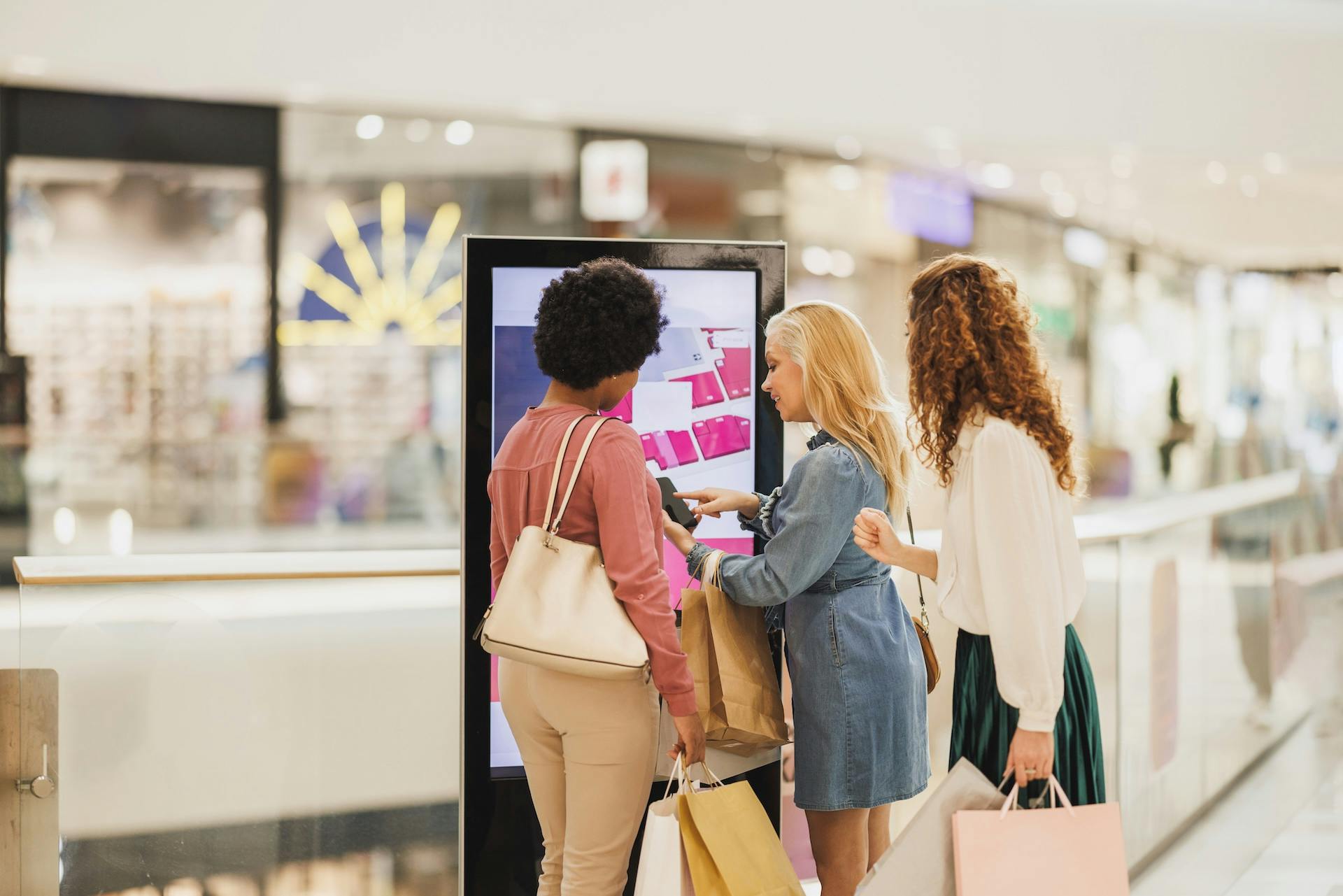
Major brands aren’t going omnichannel; they’re going phygital. That means weaving real-time inventory visibility, AI-powered personalization, and sensor-backed automation into back-end logistics and front-end experiences.
Whether online or in-store, customers now expect consistent, hyper-relevant interactions that match their pace.
This isn’t about operational efficiency. It’s about responding to evolving consumer expectations, especially in high-touch categories like luxury retail.
Luxury foot traffic may have dipped 4% in 2024, but that’s not a signal of decline; it is a cue to adapt. In a market where growth increasingly comes from value over volume, retailers must turn every touchpoint into a moment of personalization and brand connection.
Here in NYC, where retail innovation meets cultural influence, success depends on integration.
As a Black-owned, female-led agency, we understand the importance of building experiences that bridge authenticity and tech because, for today’s consumers, a unified brand presence is no longer nice to have. It’s non-negotiable.
Gen Z and the Birth of the Hybrid Consumer
Spend a Saturday in SoHo and you'll notice it instantly:
Gen Z shoppers move fluidly between phone screens and physical spaces, curating their experience in real time. For this generation, digital and physical channels aren't separate; they're extensions of the same journey.
What sets Gen Z apart isn't only their fluency with tech, but their expectation of seamless integration. They discover products on TikTok, compare reviews in-store, and then complete checkout on mobile, all in one continuous loop.
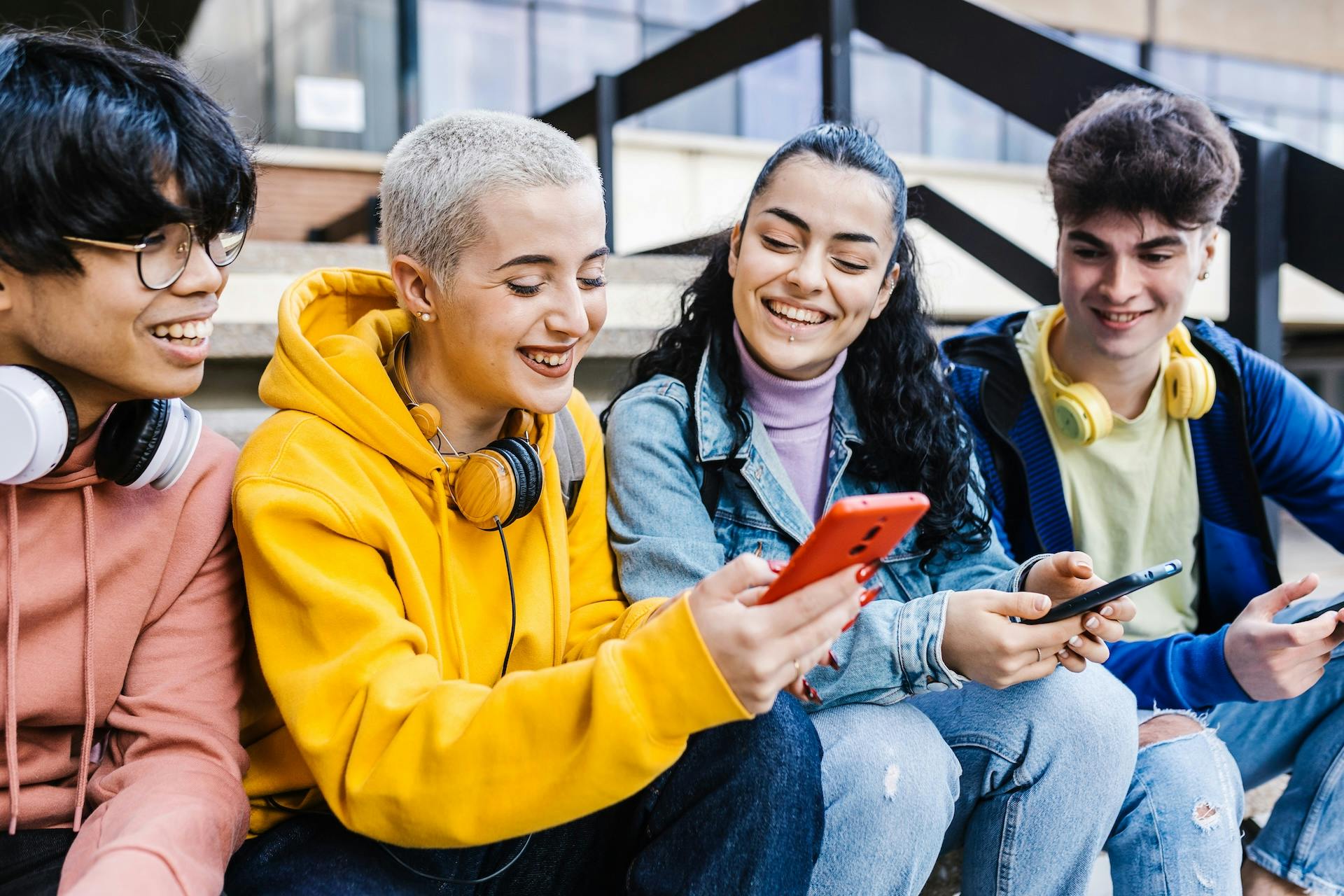
Over 97% use social media as a source of product ideas and inspiration, and e-commerce continues to surge, but in-person shopping remains a key preference, proving that digital influence hasn't replaced physical experiences; it enhances them.
This group is doing more than driving trends; they’re reshaping retail infrastructure. Mobile-first payments dominate, with two-thirds preferring options like Buy Now, Pay Later. Meanwhile, sustainability and brand trust carry weight:
- 80% participate in resale culture,
- 68% actively seek out eco-conscious alternatives,
- and 64% are willing to pay more for brands they believe in.
Their loyalty hinges on relevance.
Whether it’s AR-powered try-ons, mobile-exclusive product drops, or digitally guided in-store experiences, Gen Z expects every interaction to feel personalized, frictionless, and future-facing.
While Millennials adopt many of the same behaviors and Gen Alpha grows into them, Gen Z sets the tone. For brands aiming to stay ahead, meeting the hybrid consumer where they are, across different platforms, touchpoints, and expectations, is no longer optional.
It’s the foundation of modern brand engagement.
Personalization as the Core Driver of Engagement
In today’s luxury and lifestyle markets, personalization isn’t a nice-to-have. It’s the backbone of relevance. Consumers expect every interaction, digital or physical, to feel like it was curated specifically for them.
And that’s not solely about showing the right product; it’s about delivering tailored experiences built on unified customer data.
Thanks to powerful customer data platforms (CDPs), brands can now sync behavioral data across every channel: website visits, in-store purchases, mobile app activity, even social media interactions. This unified view enables highly targeted messaging, real-time personalizations, and experiences that feel intuitive, not invasive.
Take fashion retailer Farfetch, for example. They use AI to suggest outfit pairings based on a shopper’s browsing history and past purchases across app, desktop, and in-store tablets.
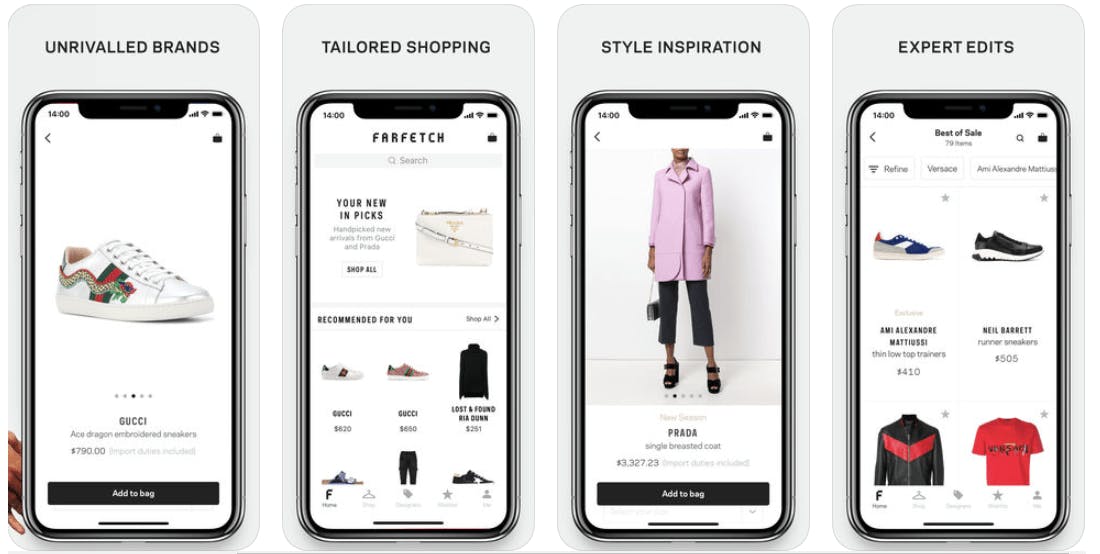
That’s digital-physical integration driven by data.
With personalization, it’s not about the sale; it’s about building loyalty.
Offering early access to pre-launch drops, tailoring styling appointments based on previous buying habits, or pushing sustainability preferences to the forefront, these moments transform standard interactions into memorable brand experiences.
Of course, executing this well means investing in clean, real-time data and privacy-first infrastructure. But the ROI is clear:
Increased conversion, higher retention, and a brand perception rooted in trust.
WONU helps brands bring personalization to life through data-powered experiential campaigns. From tailored activations to dynamic audience segmentation, we build moments that make every customer feel seen.
Key Technologies Behind Digital-Physical Experiences
From the moment a customer approaches your space, the blend of technology and atmosphere begins to shape their experience, be it quietly or with a deliberate spark.
Today’s premium experiences rely on environments designed to react, personalize, and engage, instead of merely displaying information or products.
Key to this integration are IoT-enabled sensors and connected devices that transform physical venues into responsive spaces. Think adaptive lighting that shifts with natural sunlight, interactive windows that update dynamically, or smart mirrors offering personalized styling advice.
These technologies build emotional connections by anticipating visitor needs and preferences in real time.
Underpinning this is the power of hybrid cloud architectures, which provide scalable, flexible infrastructure to support unpredictable traffic spikes, like viral product launches and exclusive events. Adopting a hybrid cloud approach can generate up to 2.5x more value than relying solely on a single public cloud, thanks to increased flexibility and optimized resource allocation.




It allows brands to allocate resources dynamically, ensuring smooth operations without unnecessary cost or downtime.
Some key benefits for brands embracing these technologies include:
- Improved customer engagement: AI-driven recommendations and augmented reality overlays create immersive, customized experiences that delight visitors.
- Operational efficiency: Real-time monitoring and predictive maintenance minimize downtime, optimize energy use, and improve safety.
- Scalability and resilience: Hybrid cloud platforms support seamless data flow and resource allocation, ready for sudden surges or changing demands.
By intentionally designing spaces with these tools, brands can craft a phygital environment where every touchpoint flows naturally, delivering the kind of unified experience customers expect today.
Smart Omnichannel Strategies That Connect Every Customer Touchpoint
Today’s consumers don’t shop in silos. They move between the online stores, social feeds, and physical locations. For brands, this means delivering a frictionless experience that spans across channels and feels truly connected from discovery to purchase.
The key? Unified customer data.
By bringing together the insights from websites, apps, social media, and brick-and-mortar stores into a single profile, brands can tailor messaging and product recommendations that respond to each shopper’s unique journey, no matter where it starts or ends.
Retailers embracing this approach see real results: omnichannel customers spend up to 1.7 times more and purchase nearly 3 times as often as those who engage through only one channel. Moreover, brands with integrated strategies enjoy higher retention rates (up to 89% compared to significantly lower rates for disconnected models) and measurable revenue growth.

This integration relies on customer relationship management (CRM) and customer data platforms (CDPs) that sync digital and physical interactions. These systems allow real-time inventory updates, personalized offers triggered by in-store visits and online behavior, and campaigns that intelligently retarget customers with the right message at the right moment.
For example, a shopper might browse new arrivals on their smartphone, receive a personalized invite to an exclusive in-store event via email, and then complete their purchase with mobile checkout; each step informed by a unified data backbone.
By optimizing channel use based on performance analytics and listening closely to customer preferences, brands build trust and loyalty that amplify lifetime value and drive meaningful engagement.
At WONU, we specialize in orchestrating these omnichannel journeys with data-driven creativity, ensuring your brand connects with customers wherever they are: online, offline, and everywhere in between.
Interactive In-Store Experiences That Bridge Digital and Physical
Today’s retail environments are more than places to shop. They are immersive stages where technology transforms how customers explore, engage, and decide.
Here are three ways brands are using tech to create seamless, interactive in-store experiences:
Social Media Activation During Events and Campaigns
If you’ve ever found yourself among a crowd at a Soho gallery pop-up or a Tribeca launch party, you know the unmistakable buzz: phones raised high, sharing the moment in real time. Today, brand loyalty isn’t built in silence.
It’s crafted through active social storytelling that blurs the line between physical and digital.
Platforms like TikTok and Instagram are more than channels. They’re extensions of the event itself, inviting attendees to participate, create, and amplify the experience. With consumers spending an average of 141 minutes daily on social media, integrating events with digital participation is no longer optional; it’s crucial.
Nearly 72% of attendees capture and share content online during live events, turning every guest into a brand ambassador.

Here’s how brands can leverage this to build deeper engagement:
- Social Storytelling: Use live Reels and branded hashtags to spark event buzz and boost real-time interaction.
- Influencer Collaboration: Co-host livestreams with key creators to reach broader audiences beyond the venue.
- Real-Time Feedback: Polls and comment prompts help tune campaigns on the fly and deepen audience connection.
- Interactive Experiences: AR filters and QR-based scavenger hunts turn attendees into active participants, enhancing brand loyalty.
- Community Building: Exclusive micro-groups foster ongoing conversations that extend far past the event day.
By weaving social media into your event strategy, you create a hybrid experience where physical moments become shareable stories, amplifying reach and impact.
WONU specializes in designing hybrid event campaigns that seamlessly integrate social activation and digital engagement, helping your brand connect with audiences wherever they are.
Redefining Store Design Through Phygital Solutions
Walk into a modern flagship store and you will quickly notice that retail spaces are no longer places to buy; they’re immersive experience hubs where digital technology and physical design work hand in hand to engage customers on every level.
Phygital design goes beyond adding screens and touchpoints. It reimagines the entire environment to create modular, adaptable spaces that flow between discovery, interaction, and purchase.
Digital signage dynamically updates messaging to reflect inventory, customer preferences, or the ongoing promotions, ensuring that every visitor feels seen and valued. AR-enabled mirrors and interactive product displays invite shoppers to explore virtually, while minimalist physical layouts drive hands-on engagement without overwhelming the senses.
Here’s one standout example:
Nike’s “House of Innovation” flagship store on Fifth Avenue, New York, redefined the phygital experience. AR-powered stations and the Nike App made it possible for users to try on virtual sneakers and customize them. Additionally, an entire floor was dedicated to items stocked based on local preferences, with options like “Instant Checkout” adding another layer of convenience.
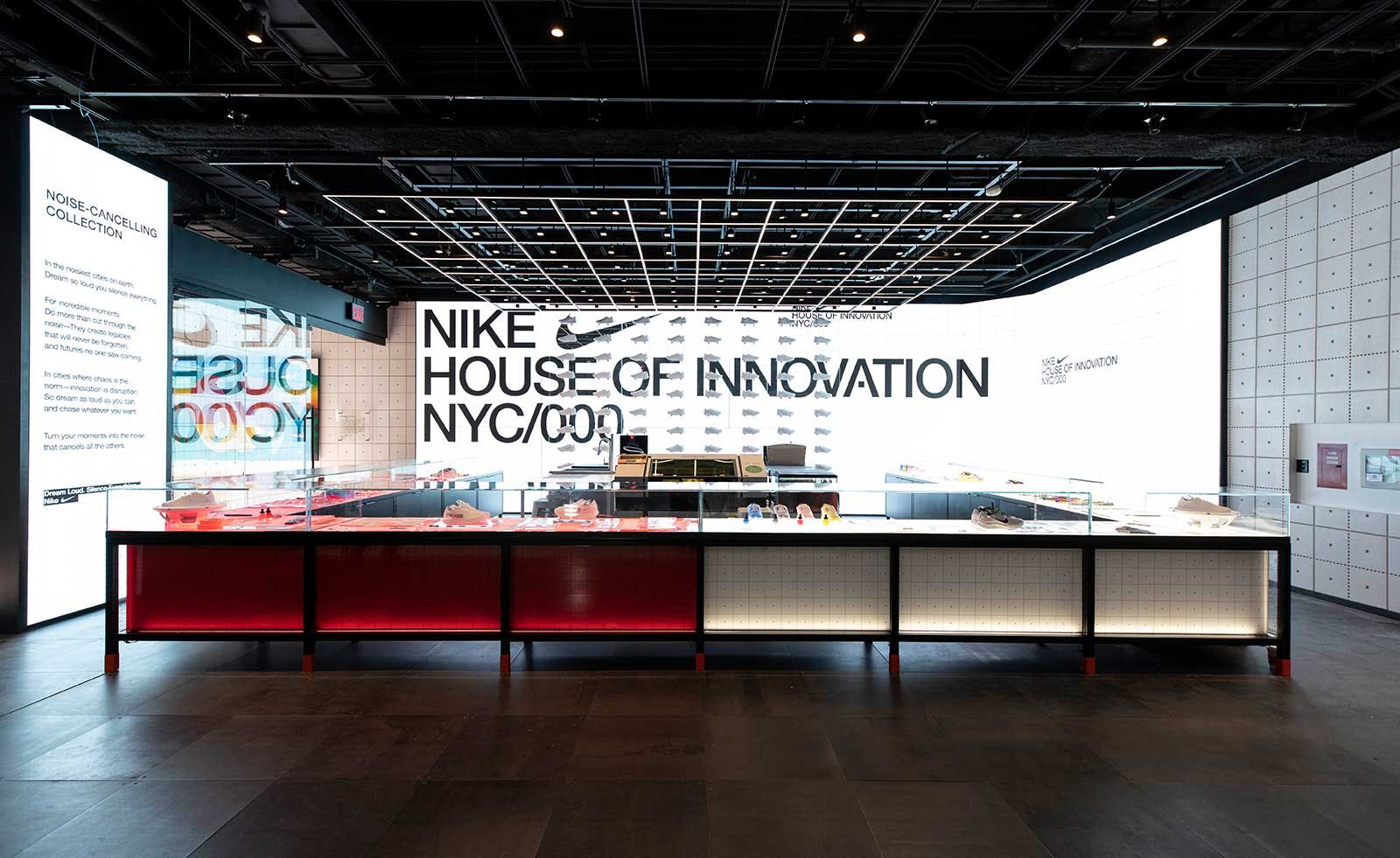
The result?
A space where customers feel both grounded in the brand’s heritage and excited by its innovation.
For brands ready to lead, the future of store design lies in this fusion of tactile and tech-driven interactions, creating moments that resonate long after checkout.
Measuring Success and Overcoming Challenges in Phygital Integration
Integrating digital and physical experiences transforms more than customer journeys. It reshapes how you measure success. Beyond aesthetics and buzz, the real proof lies in data-driven insights that connect operational efficiency with financial impact.
Key performance indicators (KPIs) to track include:
- Engagement metrics such as dwell time and interaction rates with digital touchpoints
- Foot traffic and its conversion uplift across channels
- Revenue per square foot following digital enhancements
- BOPIS (Buy Online, Pick Up In-Store) adoption rates and omnichannel sales lift
Brands leveraging AI-powered inventory management and automation report up to 50% fewer stockouts, freeing staff to focus on personalized service. What’s more, retailers with advanced digital capabilities see up to 3.3x higher revenue growth, consistently outperform competitors.
Yet, navigating this transformation comes with challenges. You’re up against digital transformation’s steep infrastructure investment and tough choices regarding system interoperability.
Data silos and legacy systems can stall integration efforts. Cross-team alignment between creative, tech, and frontline staff requires patient, ongoing change management and training initiatives. Additionally, data privacy compliance and interoperability add layers of complexity to every initiative.
That said, quick wins are within reach:
- Start by unifying data sources to enable consistent customer profiles.
- Implement scalable tech solutions with hybrid cloud architectures.
- Prioritize workforce readiness through targeted training and foster a culture of collaboration.
At WONU, we help brands chart this journey, from setting the right KPIs to overcoming operational hurdles through tailored consultations and workshops. Together, we can build phygital strategies that will deliver measurable results and lasting impact.
Bringing Digital and Physical Together: Your Next Step Forward
The most memorable brands don’t simply blend digital and physical experiences. They create meaningful connections that resonate long after the moment ends.
That integration opens doors to deeper customer relationships and sustainable growth in an ever-evolving marketplace.
If you’re ready to move beyond the isolated touchpoints and create seamless journeys that captivate and convert, WONU is here to help.
Our expertise in designing data-driven, hybrid experiences empowers brands to meet customers wherever they are: online, offline, and everywhere in between.
Contact us to learn more about how we can boost your brand’s connection with its audience.
Let's build
If you're thinking about how your brand shows up in the world, we'd love to hear from you.