

Multi-Sensory Retail Design:
How the Five Senses Shape Modern Retail Experiences
Multi-sensory retail design transforms shopping from a mere transaction into an experience that lingers.
Sight, sound, scent, touch, and taste each play a role in how customers connect with space, product, and brand. The most successful stores don’t overwhelm, though. They orchestrate.
When sensory layers move in harmony, they heighten emotion, deepen recall, and turn browsers into loyal buyers.
So, the question is not whether to design with the senses in mind. It’s how to do it with precision, purpose, and measurable impact.
Continue reading to see how you can turn routine shopping into a memorable, high-value moment.
The Business Case for Multi-Sensory Retail Design
Retail has entered its experiential era.
The truth is, transactions no longer anchor the in-store visit. Emotion does.

And multi-sensory retail design builds that emotion deliberately, using sight, sound, scent, touch, and even temperature to heighten engagement and deepen memory. When executed with precision, these sensory layers turn space into strategy, connecting brand identity to human feeling in real time.
The numbers prove the shift.
Environments that can activate multiple senses deliver nearly twice the sales uplift of traditional builds and extend dwell by an average of six minutes per visit. In addition to that, integrated sensory cues strengthen emotional bonds:
Shoppers report 30% higher purchase intent, brand recall goes up to 70%, and loyalty grows by more than 40% when experiences trigger more than one sense. What’s more, 84% of U.S. consumers now say these cues directly influence where they choose to buy.
The business case is clear:
Multi-sensory retail design moves people and performance in equal measure.
Every light, sound, texture, and scent becomes an active storytelling tool, translating brand purpose into feeling.
Designing for the Eyes: Visual Storytelling That Moves People
Sight is where emotion begins. That’s why, in retail, visuals are more than presentation.
They are persuasion.

Multi-sensory design begins with what customers see, shaping how they feel, explore, and remember your brand.
Designing for the Ears: Sonic Branding and Acoustic Design
Sound builds memory faster than sight. In fact, a well-placed rhythm can guide a customer’s pace, define a space’s energy, and imprint brand emotion before a single word is spoken.
That brings us to sonic branding as a way to transform retail environments into living soundscapes, where every note supports the story.
With curated playlists and tuned acoustic ambiance, you turn dwell time into intent.
Data backs it up:
Recognizable audio can boost perceived value by about 5%. Plus, ads with sonic branding hit 8.53 times harder than visuals alone, with a 41% increase in engagement.
Modern soundscapes can now adapt in real time, matching tempo to traffic and sentiment. Across stores and campaigns, a consistent sonic palette helps brands build recognition and continuity, turning music into a measurable layer of brand equity.
You want to build an audio library and weave it across retail, socials, and podcasts for seamless recall. A committed, long‑term approach to sonic branding increases brand attribution and protects ROI by avoiding short‑term, campaign‑only fixes.
And when it’s aligned with the time of day and customers’ energy levels, music helps pace the journey and tune emotion.
Every beat and silence becomes part of the brand’s language.
Designing for the Nose: Signature Scents That Build Brand Memory
Scent reaches emotion faster than sight or sound. And in retail, it tends to bypass logic and speak directly to memory, transforming atmosphere into attachment.
A signature fragrance can trigger instant recognition, evoke belonging, and make the difference between a store that’s visited once and a space that’s remembered.
Fragrance science explains why:
Olfactory cues link directly to the brain’s emotional and memory centers, forming associations that last far longer than visual impressions.
When brands weave scent into spatial storytelling, they turn air into an asset. In fact, stores that integrate scent marketing report a boost in sales of up to 11%, while signature aromas can increase brand recall up to 35%, compared to 5% for visuals alone.
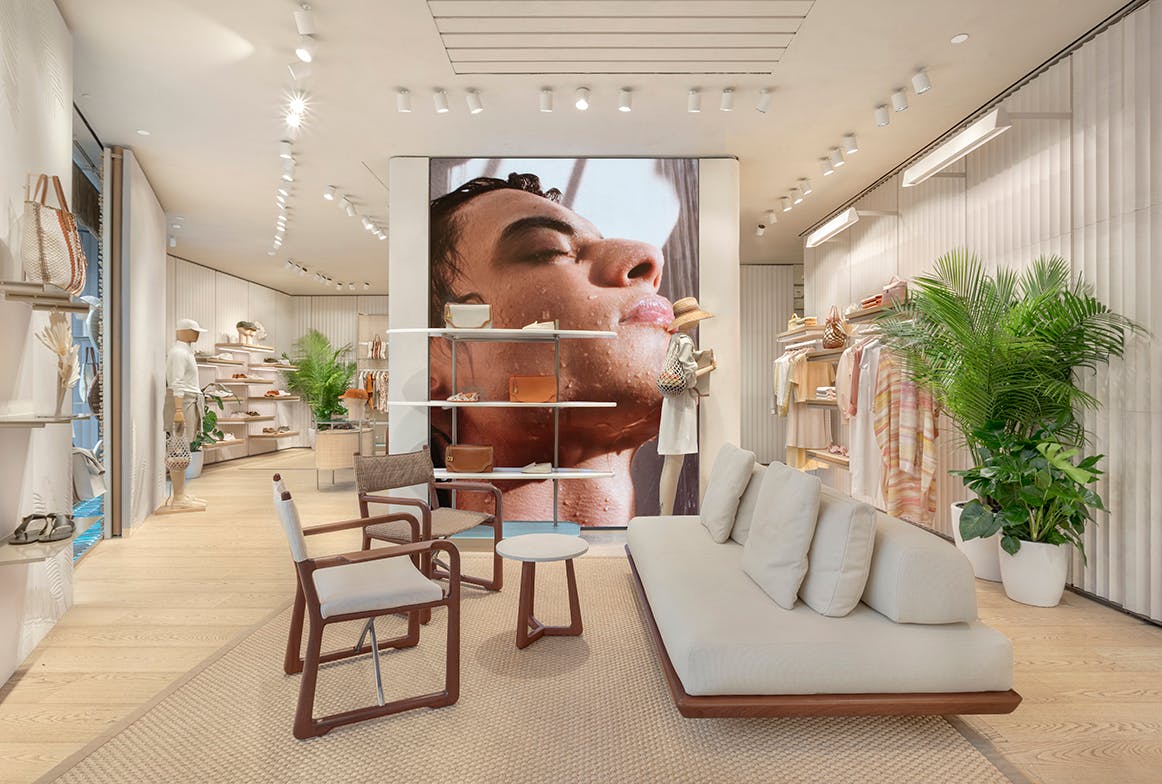
Mood follows suit, with positive affect rising as much as 40%.
That said, scents should always move with intention.
A welcoming note at the entrance signals invitation. Fresh, focused tones near product zones encourage engagement, while softer accords in lounge or checkout areas promote calm. Consistent diffusion, either via HVAC or localized units, ensures the experience feels natural rather than forced.
WONU can create zones that are calibrated by data and emotions. Rooted in sensory innovation, we build signature scent systems that pair creative direction with measurable ROI. Each note is composed to linger long after the visit ends.
Designing for the Hands: Tactile and Material Storytelling
Touch translates trust. Texture and material tell stories long before a word or logo appears.
And in a multi-sensory environment, what shoppers feel shapes what they believe and how long they stay.
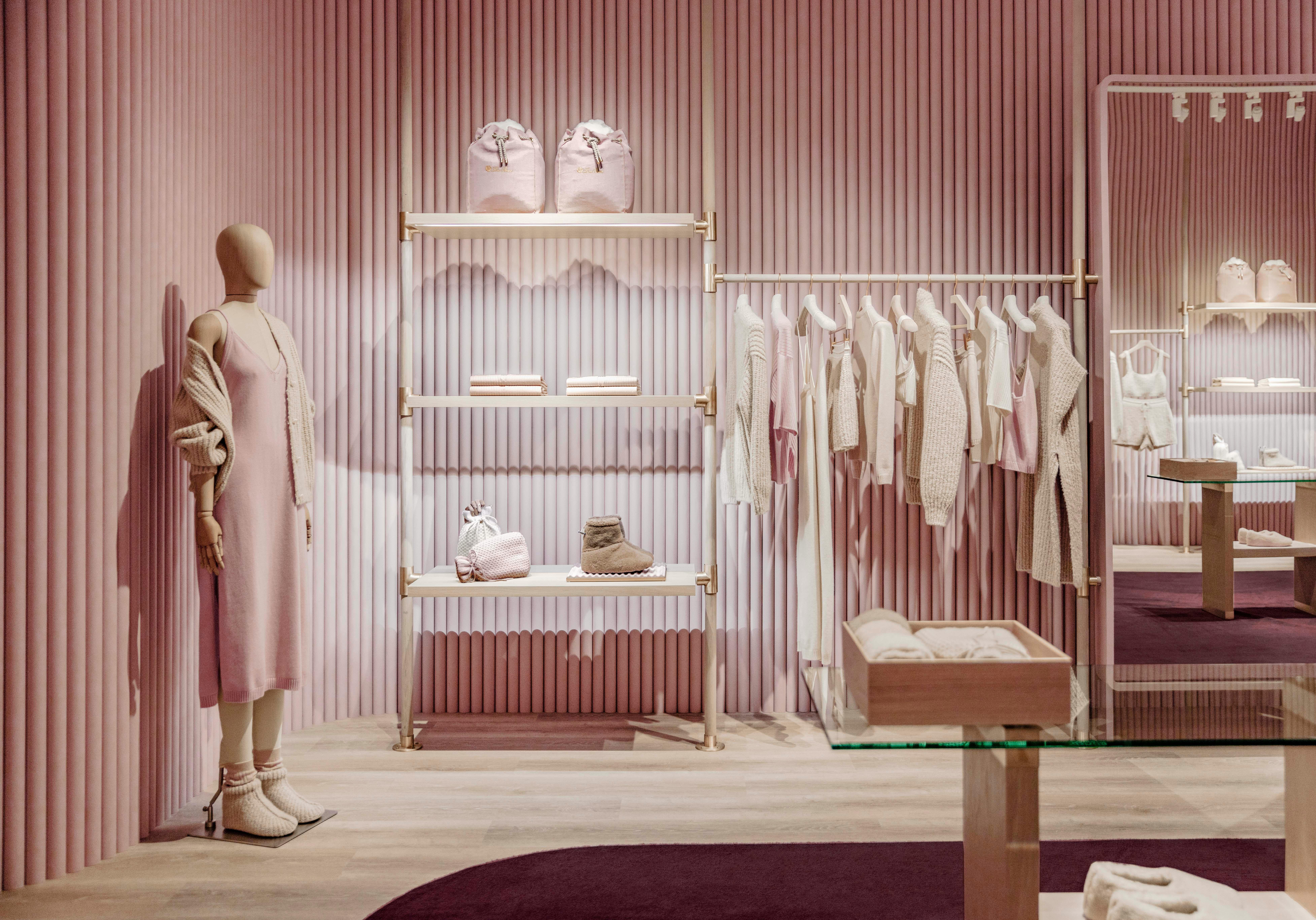
Tactile-rich elements can boost dwell time and drive sales performance by 20%, proving that touch is one of the most direct routes to emotional connection and conversion.
Material and Texture Storytelling
Materials carry meaning. Texture is narrative in motion.
Soft matte leathers, reclaimed oak, natural stone, and brushed metal signal quality and authenticity, while vegan alternatives, like cactus or apple leather, introduce warmth with sustainability.
Then, you have contrasting surfaces, like plush boucle beside honed stone, or supple leather against cool steel. They keep the hand curious and the brand narrative alive.
Each surface, whether it’s ribbed, smooth, woven, or raw, guides emotion through the space.
For example, polished concrete at entry sets anticipation; soft boucle in the lounge areas calms; brushed brass at checkout closes with confidence. These textural shifts mirror your brand’s tone and cue behavior, keeping focus on product while grounding customers in feeling.
Digital overlays revealing provenance or care tips transform texture into an informed, data-rich experience.
Modular Fixtures and Tactile Rituals
Flexibility sustains engagement.
Modular fixtures allow for faster reconfiguration, raising foot traffic by about 10% and keeping seasonal stories tight without blowing budgets. Then, layer interactive installations, like touchscreens, smart mirrors, and IoT displays that track dwell time and suggest add‑ons in real time.
You’ll win speed and control. Before you know it, you’ll be turning sensory feedback into measurable data.
Remember, some moments live in the hand before they reach the mind, like a leathered door pull, a matte card that warms while you grip it, or a basket wrapped in stitched suede. These tactile rituals signal care and invite repeat visits, deepening emotional trust.
Coupled with responsive tech, they scale into systems that blend warmth and efficiency.
At WONU, we design tactile ecosystems that move as fast as culture. Grounded in sensory precision, our programs blend design discipline with measurable ROI.




Designing for Taste: Hospitality Touchpoints That Drive Affinity
Taste is hospitality in motion. And when flavor and ritual meet, a brand becomes felt, not seen.
WONU builds these sensory bridges so that every encounter, from sip to bite and gesture, echoes identity and intention.
Welcome Bites & Signature Sips
The first taste shapes the mood.
Offer welcome experiences that align with your brand’s palette.
You can lead with sensory pairings:
For example, a chilled yuzu spritz, paired with a citrus candle, or a Brooklyn-roasted espresso, set against warm lights and soft vinyl crackle.
These sensory pairings slow the pace, lift emotion, and spark recall. In fact, smell alone drives up to 75% of emotional response.
Serve small, meaningful portions. A one-bite tart or herbal infusion, for example, can extend dwell time by minutes, compounding into measurable ROI and higher basket sizes. Multisensory tastings increase sales and bring back nine out of ten guests.
Hospitality as a Brand Signature
When hospitality becomes ritual, the brand earns memory.
Small acts of care, like how water is served, how a product is handed, and how the guest is seen, all carry emotional weight that digital touchpoints cannot replicate.
And these sensory details translate directly into loyalty.
Case in point:
61% of consumers are willing to pay more for experiences that feel personalized, and brands that weave hospitality into retail see measurable lifts in satisfaction and repeat visits.
The key?
Make service sensory through temperature, rhythm, proximity, and tone. Each becomes a storytelling layer that reinforces brand character.
WONU’s team can choreograph these touchpoints so hospitality functions as a strategy, not an accessory, anchoring emotion, improving experience, and earning return visits through thoughtful design.
Orchestrating the Senses: Cohesion, Timing, and Zoning
Designing an experience is like conducting a score. Sight opens the composition, sound carries emotions, touch grounds memory, and scent and taste step in where resonance matters most.
The key?
Use sensory sequencing to guide the tempo.
A bright, cool entrance can reset focus. Warm, softer decision zones slow the pulse and invite exploration. You need focused beams that highlight hero products and ambient lights that anchor the atmosphere.
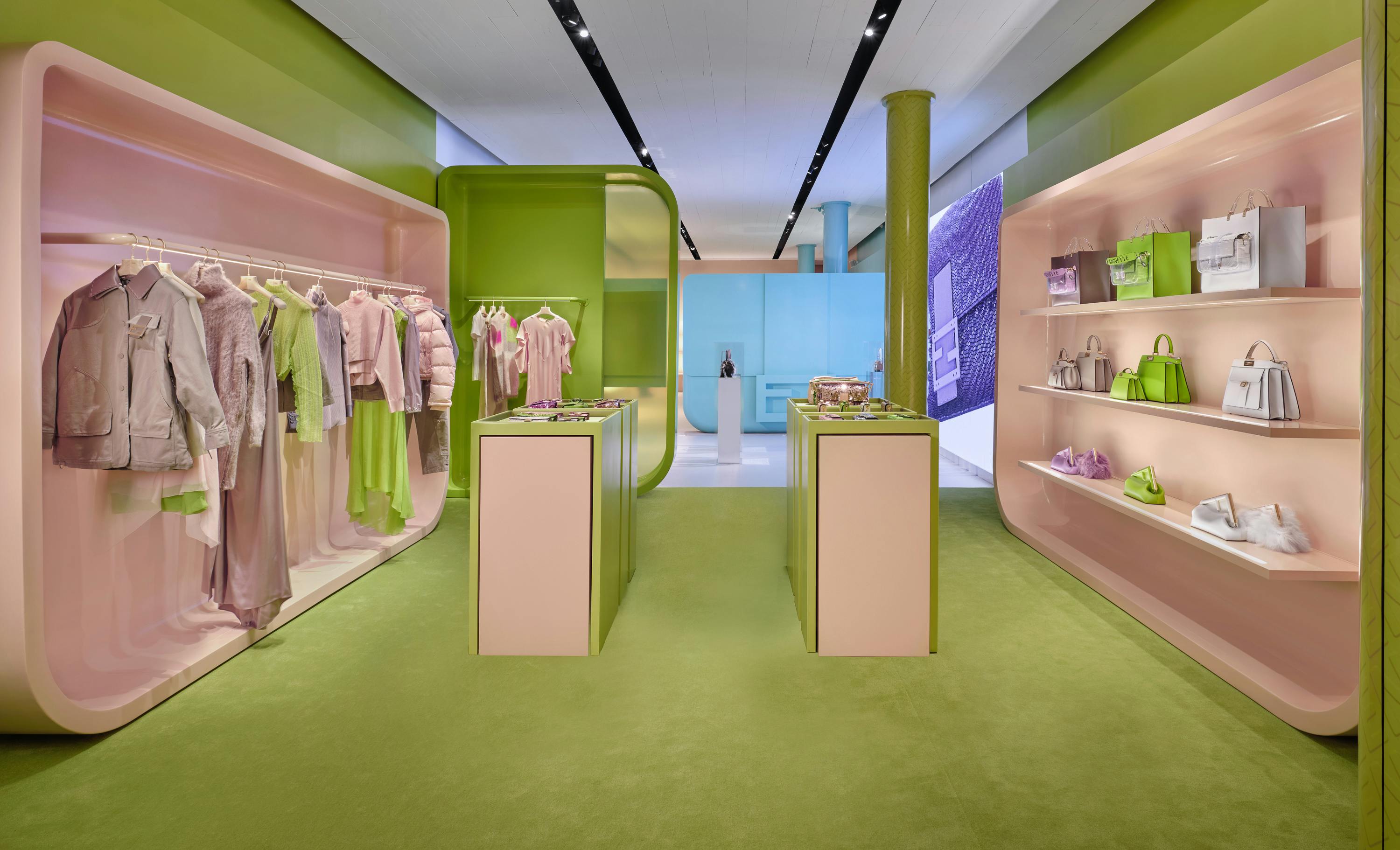
Every cue supports narrative continuity and emotional flow. That’s cohesive integration in practice.
Of course, you need to balance the energy across zones. Keep audio restrained in decompression areas; build richer soundscapes in dwell zones where engagement usually peaks. Calibrated playlists can extend browsing time and strengthen brand recall.
Touch should dial up in tactile bays and taper near high-visual displays. Scent works best as punctuation; think signature near fitting rooms, neutral at entry.
And taste?
It belongs in curated moments, reinforcing exclusivity rather than ubiquity.
At this point, most leading retailers plan to integrate AR to improve in‑store interactivity and storytelling; layering digital interaction onto physical rhythm is clearly the way to go.
This convergence of sensory design and intelligent tech defines the next era of brand experience.
WONU combines these sensory layers with cultural fluency and spatial intelligence, designing immersive journeys that engage both heart and data. We choreograph sensory timing and zoning that move people, products, and perception in harmony.
Measuring Impact: Recall, Dwell Time, Sales, and Loyalty
Before celebrating creative outcomes, you measure what matters.
And the best place to start?
Recall.
Multisensory design lifts memorability up to 70%, with scent anchoring roughly three-quarters of emotional responses. These layered experiences can do more than boost awareness, by the way.
They build memory architecture that 63% of shoppers actively seek when choosing where to buy.
Next, track dwell time. A tuned sensory environment adds an average of six minutes per visit, expanding decision windows and lifting impulse conversion. Touch alone can be enough to drive a positive emotional response, directly correlating with higher satisfaction and intent to return.
Sales follow the pattern; five-sense environments consistently outperform control locations.
That alone is proof that sensory alignment drives measurable ROI.

Then, move beyond numbers.
Evaluate qualitative signals, including brand sentiment, emotional recall, and shareability. When guests photograph textures, tag scent moments, or replay soundtracks online, they transform brand touchpoints into user-generated storytelling.
And that’s when emotional resonance becomes advocacy.
Loyalty grows next. Consistent sensory cues increase retention by up to 40%, turning physical spaces into cultural signatures that outlast campaigns.
At WONU, we make this measurable, pairing analytics with sensory intelligence to quantify emotion, track behavior, and prove that creativity drives conversion.
Future-Ready Experiences: AR, Phygital Displays, and Synesthetic Commerce
Glasses on, phone up, the store wakes. AR overlays, responsive light, and scent-linked visuals build an environment that shifts with every gaze.
Discovery feels choreographed rather than staged.
Studies show that consumers are ready for it. In fact, up to 90% already use or intend to use AR for retail decisions, and 98% say it boosts their confidence in what they buy.
WONU’s approach merges cultural intelligence with sensory precision to create experiences that resonate emotionally and perform commercially. This immersive strategy aligns with the principles of experiential marketing that focus on creating emotional connections through multi-sensory engagement.
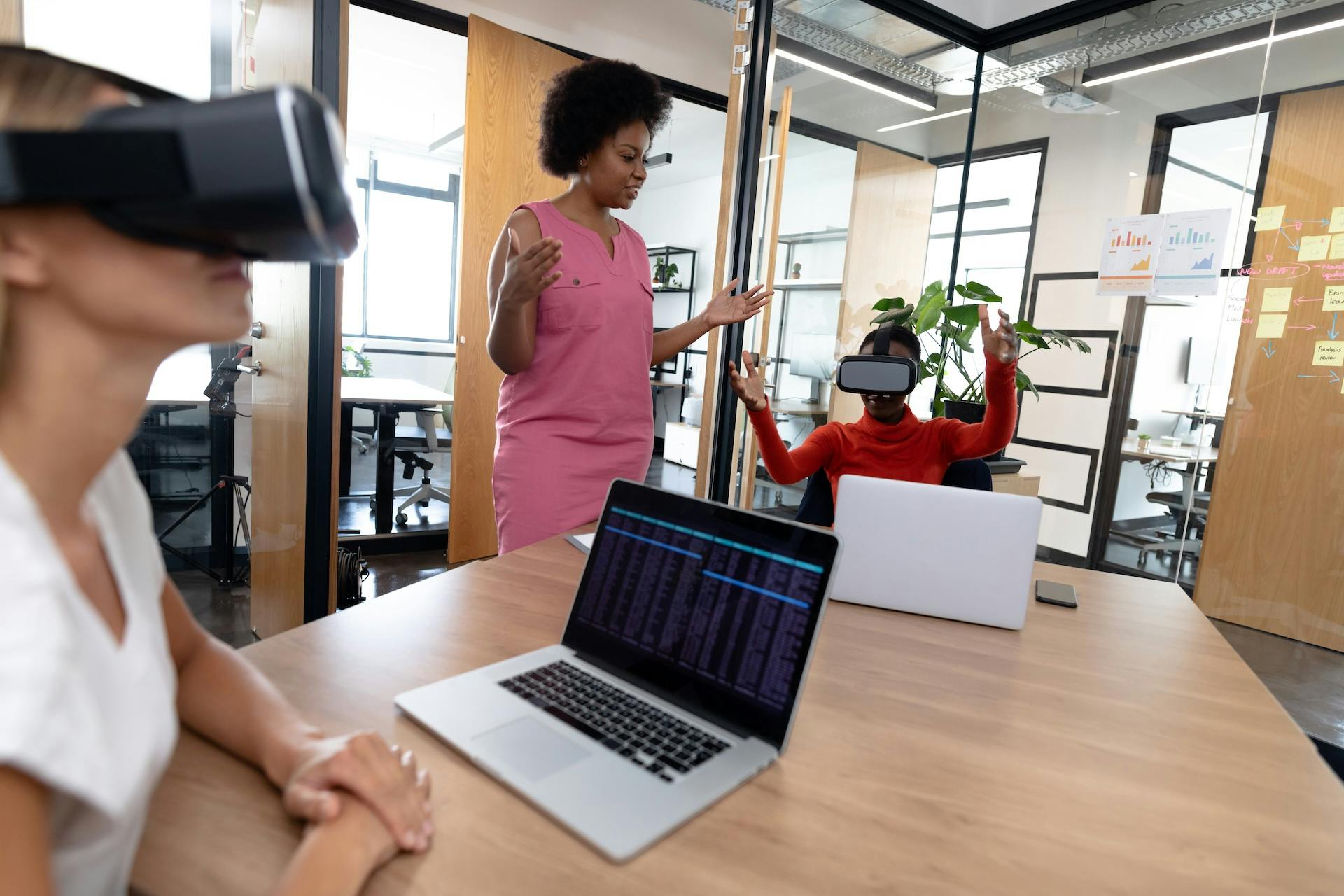
Phygital floors combine tactile zones with digital layers; think smart mirrors that pull lookbooks, 3D product totems that reveal craftsmanship, and fragrance-triggered lighting that marks transitions.
Every element is timed to pace the journey, not distract from it.
Across industries, immersive strategies are setting new benchmarks.
Brands like Nike and Gucci have already integrated AR into flagship displays, letting customers co-create product visuals and explore digital twins of collections.
Here’s the business case:
AR try-ons and phygital activations can lift conversions up to 94%, boost purchase intent by 17%, and cut returns by over 40%. Moreover, 61% of shoppers prefer retailers with immersive AR integration; 71% say it encourages repeat visits, and 40% are willing to pay a premium when they can visualize products in real space.
This evolution points to synesthetic commerce:
A future where sight, sound, scent, touch, and data converge to create environments that think, feel, and remember. Retail becomes less transactional and more orchestral.
Where Strategy Meets Sensation
The future of retail belongs to brands that design for how customers feel, not only for what they see. Every sensory layer is an opportunity to connect:
Sight that guides, sound that grounds, scent that recalls, touch that reassures, and taste that rewards.
And when those moments move together with purpose, they create a rhythm customers want to return to. Your store becomes a destination where you don’t merely sell. You resonate.
At WONU, we translate that rhythm into measurable growth. Our culture-driven team builds multi-sensory environments that sell through emotion and precision. Get in touch today to explore how sensory strategy can move your audience and your bottom line.
Let's build
If you're thinking about how your brand shows up in the world, we'd love to hear from you.