

What Is Experiential Retail?
A New Era of Immersive Shopping
What is experiential retail? It’s the shift from transactional shopping to full-on brand immersion.
Today’s consumers don’t buy; they explore, engage, and connect. Whether you're stepping into a flagship that feels like an art installation or browsing a boutique where every touchpoint is tailored to you, the store has become a stage.
And what’s playing? Story, culture, and emotion.
It’s not about flashy gimmicks or short-term hype. It’s about retailers creating spaces that resonate, where technology amplifies personalization and physical space builds lasting memory. The result?
A shopping experience that actually feels like an experience.
Keep reading to see how leading brands are rewriting the rules, and where the smartest opportunities still lie.
What Is Experiential Retail and Why It Matters
Walk into the right retail space today, and it’s immediately clear that it’s not shopping as usual. The lights, the music, the scent in the air; every detail is curated to spark emotion and engagement.
This is experiential retail, where the store becomes more than a place to buy something. It is a space to feel something.
Experiential retail moves beyond the transactional. Instead of focusing solely on products or price points, brands are designing immersive environments that encourage participation, spark curiosity, and foster connection.
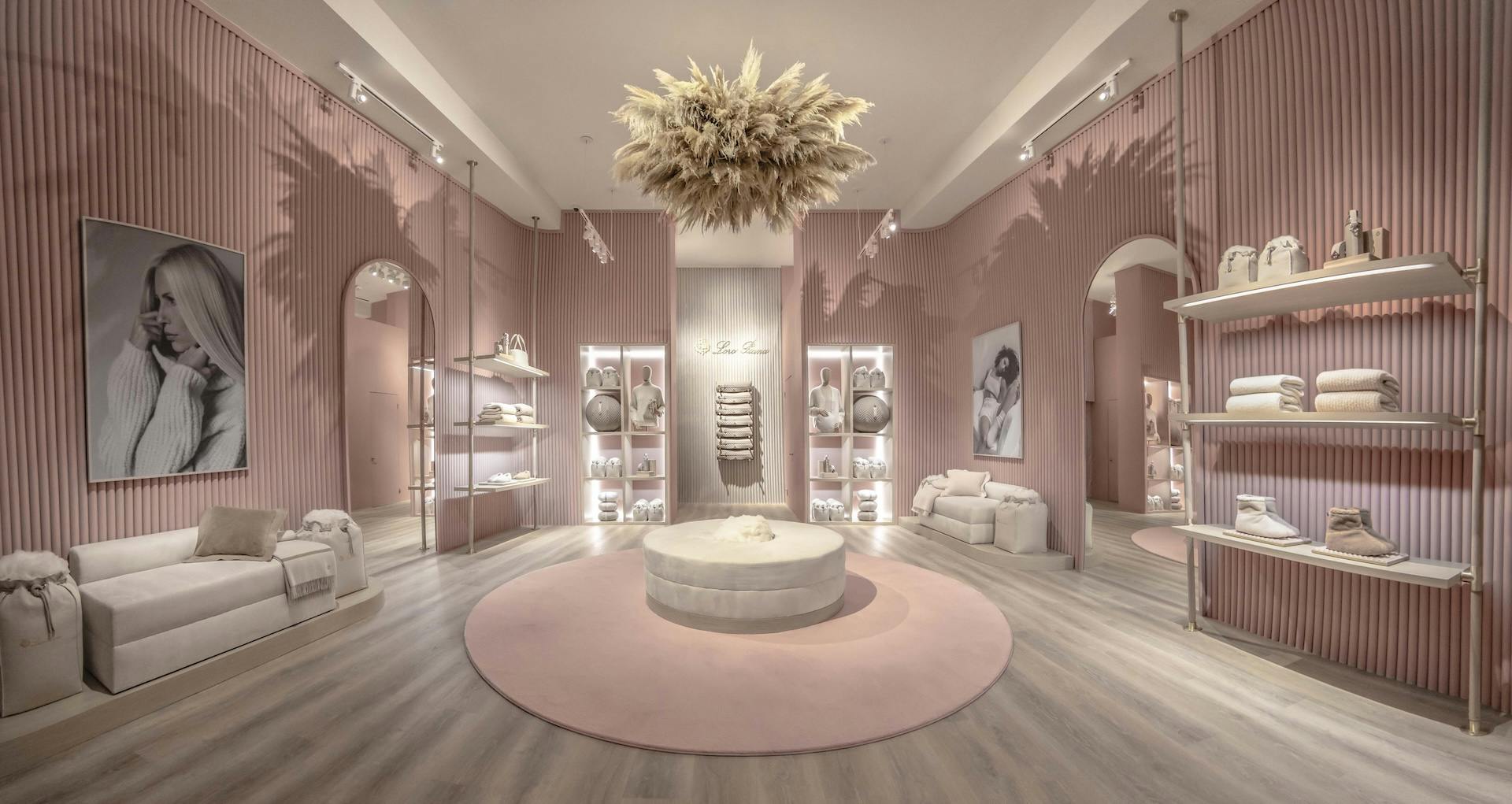
From artful pop-ups to flagship stores that double as content studios or gathering hubs, the goal is clear:
Create moments that customers want to be part of and come back to.
This deepens loyalty, drives foot traffic, and gives physical retail a competitive edge in the increasingly digital world. And now, when consumers crave connections and meaning, experiential retail gives brands a way to show up with intention and impact.
The Core Elements of Experiential Retail
So, what makes an experience feel unforgettable, not gimmicky? At its core, experiential retail is built on four key elements that come together to turn a store into a story:
- Sensory engagement
Touch, sound, scent, and visuals work together to invite customers into the brand’s world. Whether it's the soft glow of light or a hands-on product demo, engaging the senses turns passive browsing into active discovery.
- Story-driven environments
A great experience is always rooted in narrative. From the layout of a space to the curated journey through it, experiential retail uses storytelling to communicate the brand’s values, product origin, or cultural relevance, without saying a word.
- Community-building and participation
It’s not just about the customer; it’s about the collective. Brands that host events, workshops, and local collaborations turn their space into a destination where people come to connect, not merely shop.
- Omnichannel integration
A connection between physical and digital is key here. Whether through QR activations, AR layers, or live-streamed in-store events, experiential retail bridges these platforms to keep the experiences consistent and scalable.
WONU’s team designs retail environments with all four pillars in mind, blending creativity and precision to make every detail meaningful. See how we build immersive retail spaces here.
The Technology Behind Immersive Retail Experiences
Today’s most compelling retail experiences are powered by tech that doesn’t shout for attention; it works in the background, tuning every moment to feel more relevant, more responsive, and more human.
These tools are reshaping how we connect with customers in physical spaces. At the heart of experiential retail is this balance: innovation that feels intuitive, not forced.
Here’s how leading technologies bring that vision to life.
Experiential Retail in Action: Strategies That Deliver Impact
When experiential retail is done right, it doesn’t feel like a campaign. It feels like a moment they stepped into at the right time and didn’t want to leave. The best strategies do more than create buzz; they build real connections, influence behavior, and convert experience into long-term loyalty.
Here are four key approaches brands use to activate experiential retail:
- Pop-Ups and Limited-Time Activations
“Temporary spaces” bring urgency, creativity, and freedom. Pop-ups allow brands to test concepts, tap into local culture, and drive real-time engagement without long-term commitments. Whether it’s a pop-up or a one-week takeover, these activations thrive on exclusivity and energy.
- Product-as-Content Experiences
The product is not the endpoint; it is part of the story. Brands are turning their spaces into content engines, inviting customers to engage visually, physically, and socially with shoppable set designs, editorial-style moments, and curated vignettes that double as photo ops. This “product-as-content” strategy is especially powerful for launches, rebrands, or high-impact seasonal moments.




- Phygital Journeys
Phygital is more than a buzzword; it’s the key connection between in-store and online experiences. Brands are utilizing mobile integration, AR layers, livestream events, and smart checkouts to make physical spaces more flexible and interactive.
- Brand Collaborations and Co-Creation
Some of the most memorable experiential campaigns are born from strategic collaborations. From artist partnerships and multi-brand concepts to community-sourced product drops, these can build cultural capital and expand reach organically.
Experiential retail is strategy in motion. From concept to execution, WONU builds activations that hit all the right notes: creative, culturally fluent, and backed by purpose.
Leading Brands Setting the Standard in Experiential Retail
Some brands don’t wait for customers to walk in; they invite them into an entire world.
They go beyond great design, too. The best experiential retailers create spaces that embody values, spark curiosity, and drive repeat visits.
Here’s how standout brands are shaping the experiential retail landscape and where untapped opportunity still lives:
- Nike
Nike blends personalization with scale, so that every visit feels high-energy and hyper-relevant. It’s experience driven by data and emotion. At Nike’s House of Innovation, every surface is interactive. Touch-activated walls, digital displays, and app integration give customers a space that feels made for them. Real-time product customization and scan-to-shop tech close the loop between discovery and purchase.
- Lululemon
Lululemon’s community-powered stores essentially function as wellness hubs. Customers can join in-store fitness classes, unwind in meditation zones, or linger in the hangout areas designed for connection. The experience is fluid and lifestyle-oriented, rooted in physical and mental well-being.
- Louis Vuitton
Louis Vuitton reimagines luxury retail as a cultural experience. Boutiques feature curated exhibits, artist collaborations, and heritage storytelling that create an atmosphere closer to a gallery than a store. VIP lounges and hospitality elements make the experience feel elevated and immersive.
At WONU, we may study what works in flagship strategies, but we design through a different lens: cultural context, community insight, and meaningful connection.
What Consumers Expect from Experiential Retail
It’s not enough for a retail space to look good. It has to feel personal, purposeful, and seamless. Shoppers want experiences that meet them where they are emotionally, digitally, and ethically.
They’re not impressed by flash without function. They’re looking for alignment.
Here’s what today’s consumers are asking for and how forward-thinking brands can deliver.
- Personal Relevance
Customers expect retail to feel like it was made for them. Not in a generic, segmented kind of way, but through meaningful cues that reflect their taste, habits, and values. AI-powered personalization makes this possible, and 80% of shoppers are more likely to purchase from brands that can deliver personalized experiences. However, it only works when it’s layered with human insight and cultural fluency.
- Share-Worthy Moments
The store is now a stage. Gen Z and younger Millennials view physical retail as a social space and a content opportunity. Environments that are created for discovery, interaction, and surprise inspire organic sharing and strengthen emotional connection.
- Seamless Omnichannel Integration
Shoppers expect to move between online and offline, and the best retail experiences support their rhythm. Whether it's browsing online and finishing in-store, or using QR touchpoints and AR in real time, the transitions should feel smooth and intuitive. 73% of consumers say they are more loyal to brands that offer consistent experiences across channels. Omnichannel isn’t a feature anymore; it is the foundation of trust.
- Ethical, Inclusive, and Value-Driven Design
Purpose-driven retail is not a trend. It’s the expectation. Gen Z consumers are paying attention to everything from materials and labor practices to representation and accessible design. They want to know that brands stand for something. Inclusive sizing, accessible design, ethical sourcing, and community giveback aren’t side notes; they’re part of the experience.
Retail is changing fast, but consumer expectations are changing faster. The brands that thrive in 2025 will be the ones who listen, adapt, and lead with clarity and purpose. WONU can help you create experiential retail that meets these expectations with care and precision.
Market Insights: Growth, Trends, and Opportunities
Experiential retail isn’t niche; it’s leading. Valued at nearly $85 billion in 2023, the global market’s projected to reach $1.2 trillion by 2033. That growth is fueled by a clear shift:
Consumers want shopping to feel more like a connection than a transaction. And brands are responding.
More retailers are allocating a growing portion of their budgets to experiential strategies, with an emphasis on emotional connections that foster brand loyalty.
What’s driving the momentum?
- Consumer demand. Gen Z and Millennials expect retail to deliver highly immersive, emotionally resonant experiences, especially ones that can blend digital ease with tactile storytelling. They’re drawn to spaces that feel curated, sensory, and purposeful.
- Tech accessibility. From AR mirrors and biometric payment options to smart kiosks and AI-driven analytics, brands have powerful tools to personalize in real time. These advancements boost dwell time and conversion rates by as much as 40% and 30%, respectively.
- Global expansion. While the US leads in investments and innovations, markets like China, India, and the EU are fast gaining ground. Regional distinctions matter; eco-focus defines Germany and the UK, while Japan leans into digital layering and Brazil into cultural hubs.
- High-growth sectors. Beauty, fashion, and wellness continue to blur, with AR/VR driving much of the double-digit expansion. These categories thrive on storytelling and sensorial depth, perfect for experiential formats.
The message is clear:
Experiential retail is no longer an experiment. It’s a growth engine. And the most successful brands will be those who build their retail strategies around emotional impact, cultural fluency, and tech-enabled designs.
From Plain Shelves to Interactive Experiences
The most unforgettable stores don’t simply sell; they stage.
Remember that in today’s retail landscape, space is more than real estate. It is a canvas for storytelling, a community hub, a living brand experience.
It’s where curiosity becomes connection, and connection becomes loyalty.
At WONU, we design experiential retail with intention, not gimmicks. If you’re ready to trade beige shelves for bold engagement, we’re ready to build with you
Let’s talk about your next retail experience.
Let's build
If you're thinking about how your brand shows up in the world, we'd love to hear from you.