

Creative Direction vs. Event Planning: Understanding the Difference
Creative direction vs. event planning is one of the most misunderstood distinctions in live experiences. Both shape how your event comes together, but they influence it in very different ways.
One defines what the room is saying. The other makes sure the room holds together when doors open.
If you’ve ever wondered why certain events feel unforgettable, while others simply don’t, that difference is usually the reason. It shows up in the choices teams make, the way budgets get spent, and how pressure is handled when conditions change.
Knowing where creative direction ends and where event planning begins changes how you build, who you hire, and what your audience actually remembers when the night is over. Continue reading, and you’ll see what we mean.
Creative Direction vs Event Planning: A Clear Snapshot
You might’ve noticed that event planning and creative direction often get grouped together. That’s because they show up at the same moment.
But in practice, they operate with different priorities, responsibilities, and measures of success. Think floor plans versus feeling.
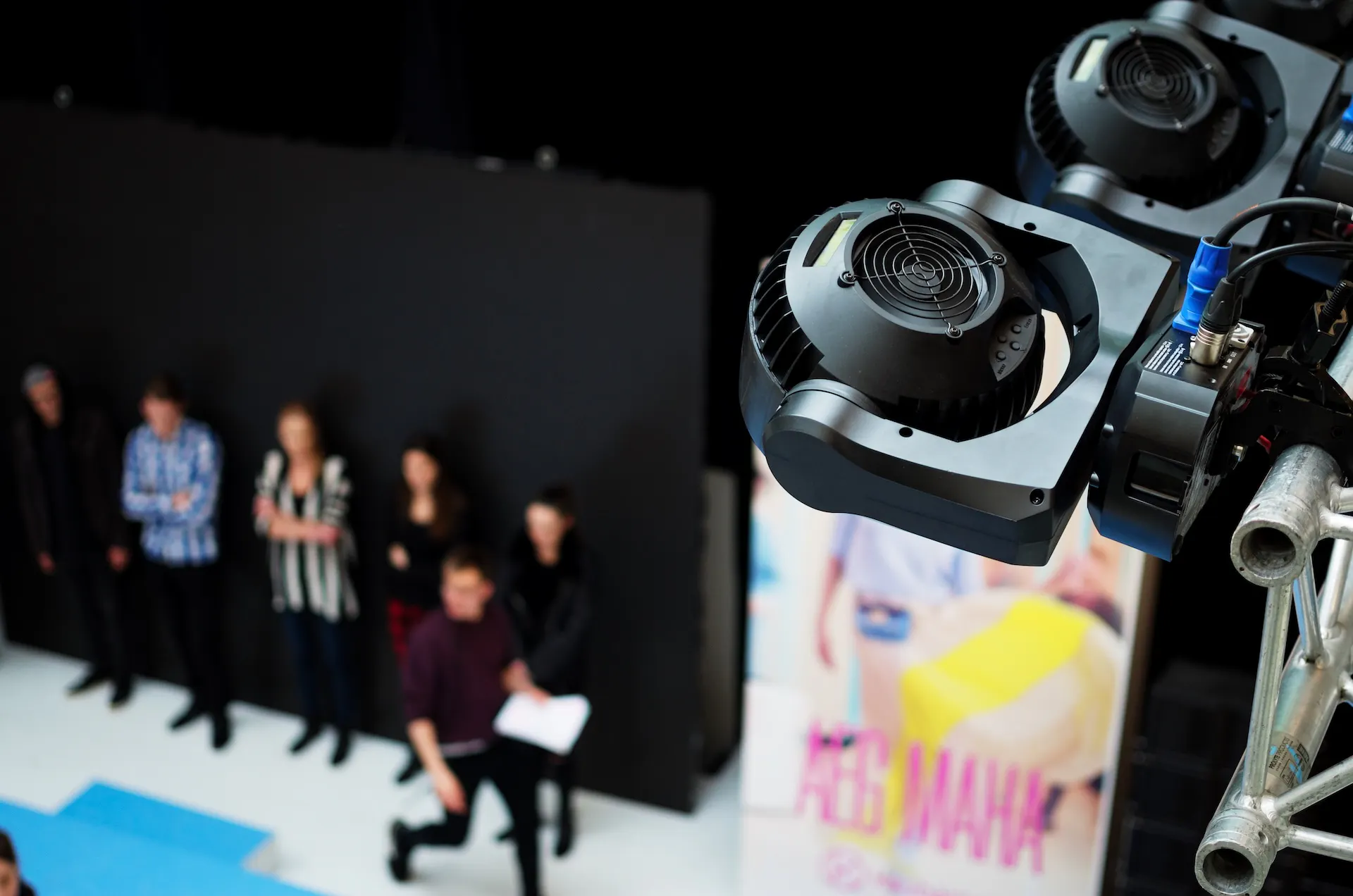
Event planning focuses on control and coordination. You’d hire event planners to control the moving parts, including budgets, venues, vendors, schedules, permits, staffing, and run-of-show. They’re there to handle the operational engine that allows your event to happen on time, on budget, and without visible friction.
Behind that structure is a fast-paced environment, one filled with tight deadlines, remote coordination, and on-site problem solving. When it works, clients experience only the ease of the event, not the complexity behind the scenes.
This is the discipline that makes sure the bar opens on time, the load-in stays on schedule, and the space resets without disruption.
Planning delivers stability. It protects the experience from breaking.
Creative direction, by contrast, steers the creative process and protects it, so that every choice speaks the same visual language.

The focus is on meaning and impact. It defines the story your event is telling and how that story is felt, not explained, shaping the emotional arc of the experience, from first impression to final memory.
It guides the visual language, spatial moments, sound, lighting, scent, materials, and pacing, so that every touchpoint reinforces the same brand narrative.
This work answers different questions:
What should this moment feel like? What emotions do we want to linger after guests leave? What makes this experience unmistakably tied to the brand?
Creative direction delivers resonance. It makes the experience memorable.
Planning asks what happens and when. Creative direction asks why it matters and how it lands.
The strongest experiential work happens when these roles move together. Logistics give the experience its backbone; creative direction gives it a pulse. When they operate in harmony, the room feels intentional, not assembled.
What Creative Direction Means in the Event World
When you talk about creative direction for events, you are actually talking about the person who holds the master vision, from the first moodboard to the last guest exit.
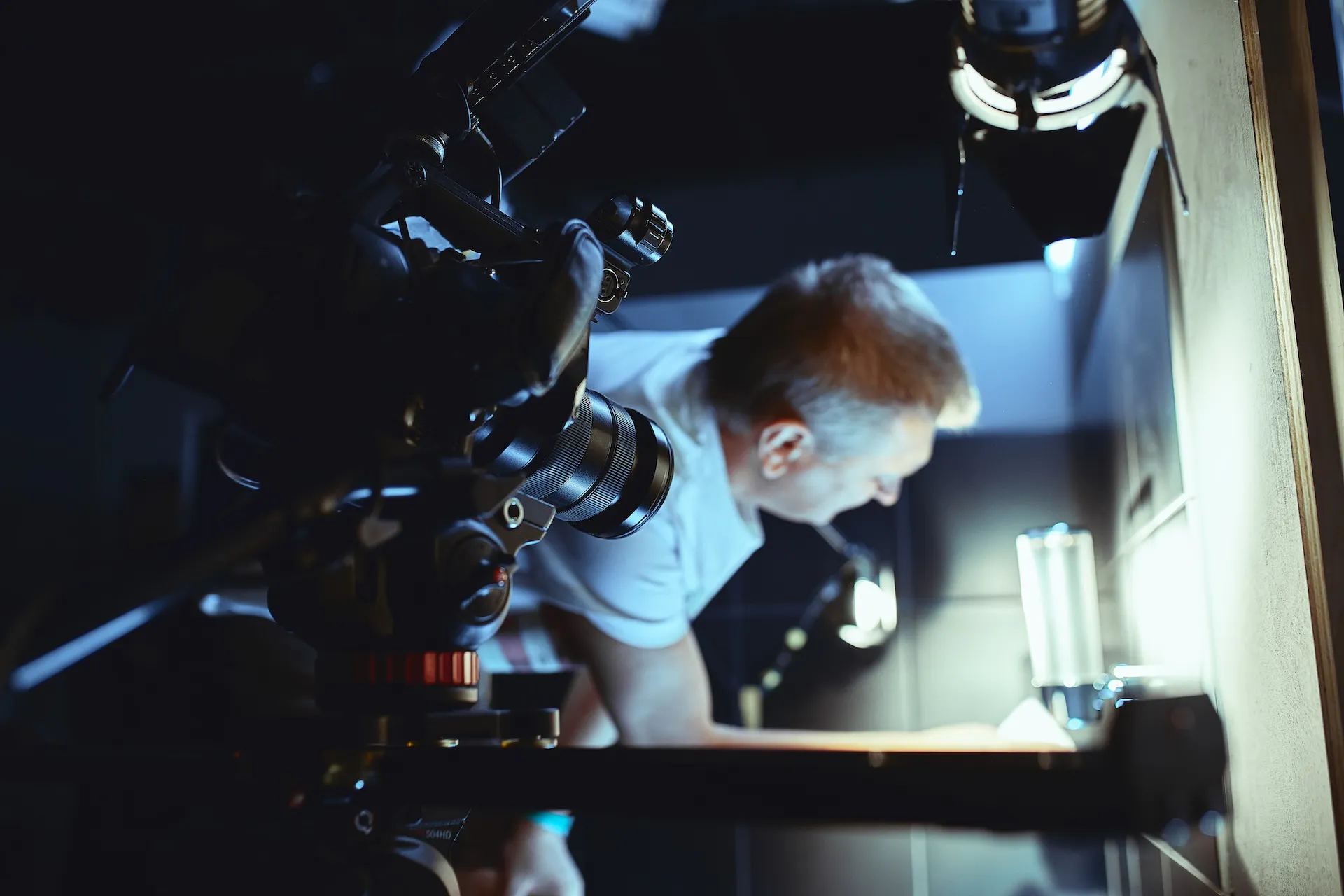
You’re not merely choosing a theme here. You are shaping how the concept turns into an experience and making sure the environment feels as intentional as the storytelling. This kind of visual identity makes the event feel cohesive.
The real work is aligning that vision with the atmosphere your brand needs, so that every little detail in the room quietly repeats the same story.
Defining Creative Direction for Events
Creative direction in events is about authorship. It’s the discipline responsible for holding the central idea steady as it moves from concept to physical space.
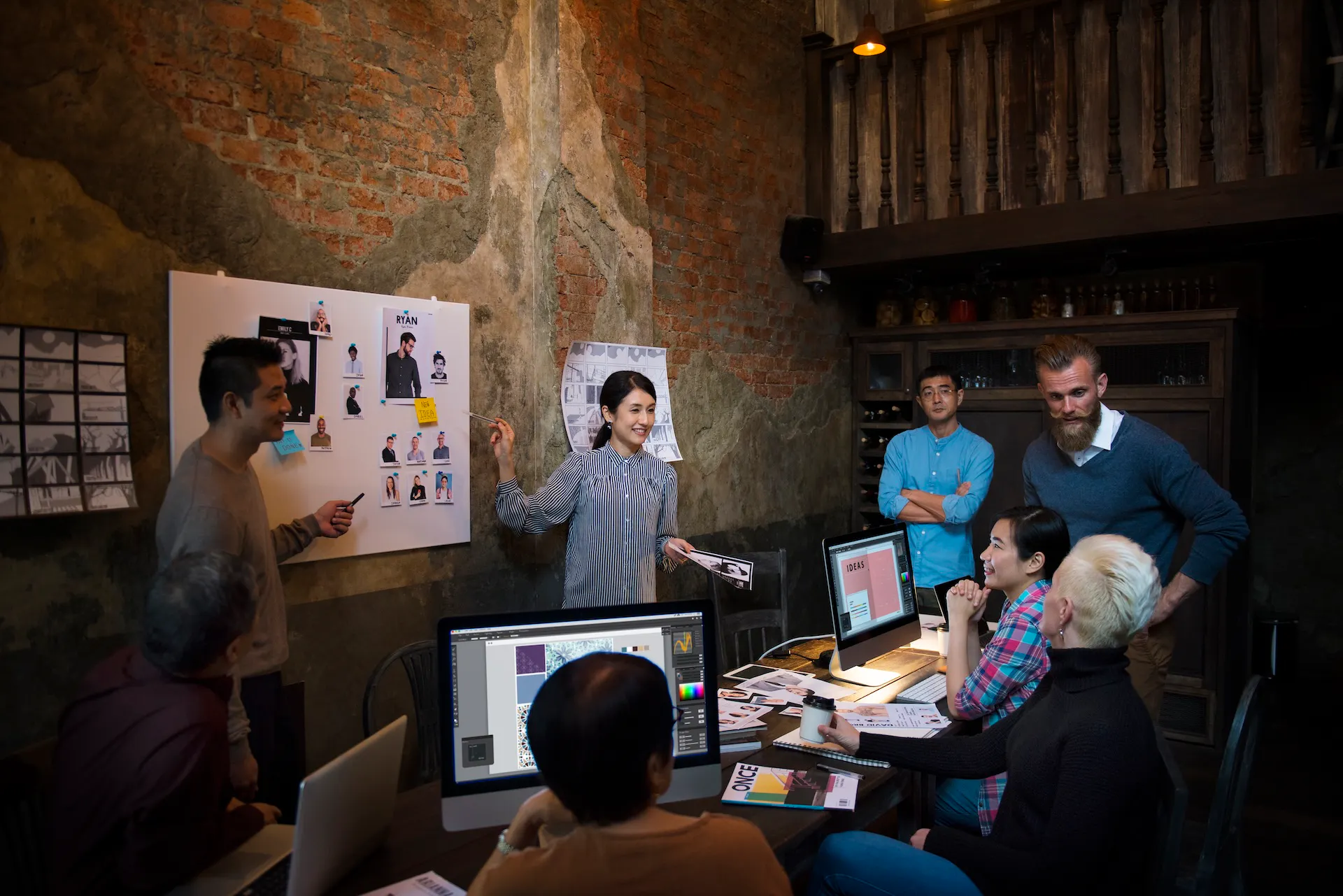
A creative director defines the story an event is telling and makes sure every decision reinforces that story with clarity and intention.
This role isn’t about selecting a theme or decorating a room. It’s about shaping how a brand is felt in three dimensions through lighting temperature, material choices, sound design, pacing, and spatial flow. Each of these elements is evaluated through the same lens:
Does this support the narrative the brand wants to land with its audience?
Strong creative direction creates cohesion before the first guest ever arrives. When the story is clear, the experience feels deliberate and builds brand recognition. When it’s not?
The event becomes a collection of nice ideas competing for attention.
If the story is fuzzy, the spend will be, too. Creative direction protects both.
From Brand Idea to Live Experience
A concept on paper usually means very little until it becomes physical. Creative direction carries the work from strategy to sensation, translating a brand idea into something guests can move through, hear, touch, and remember.
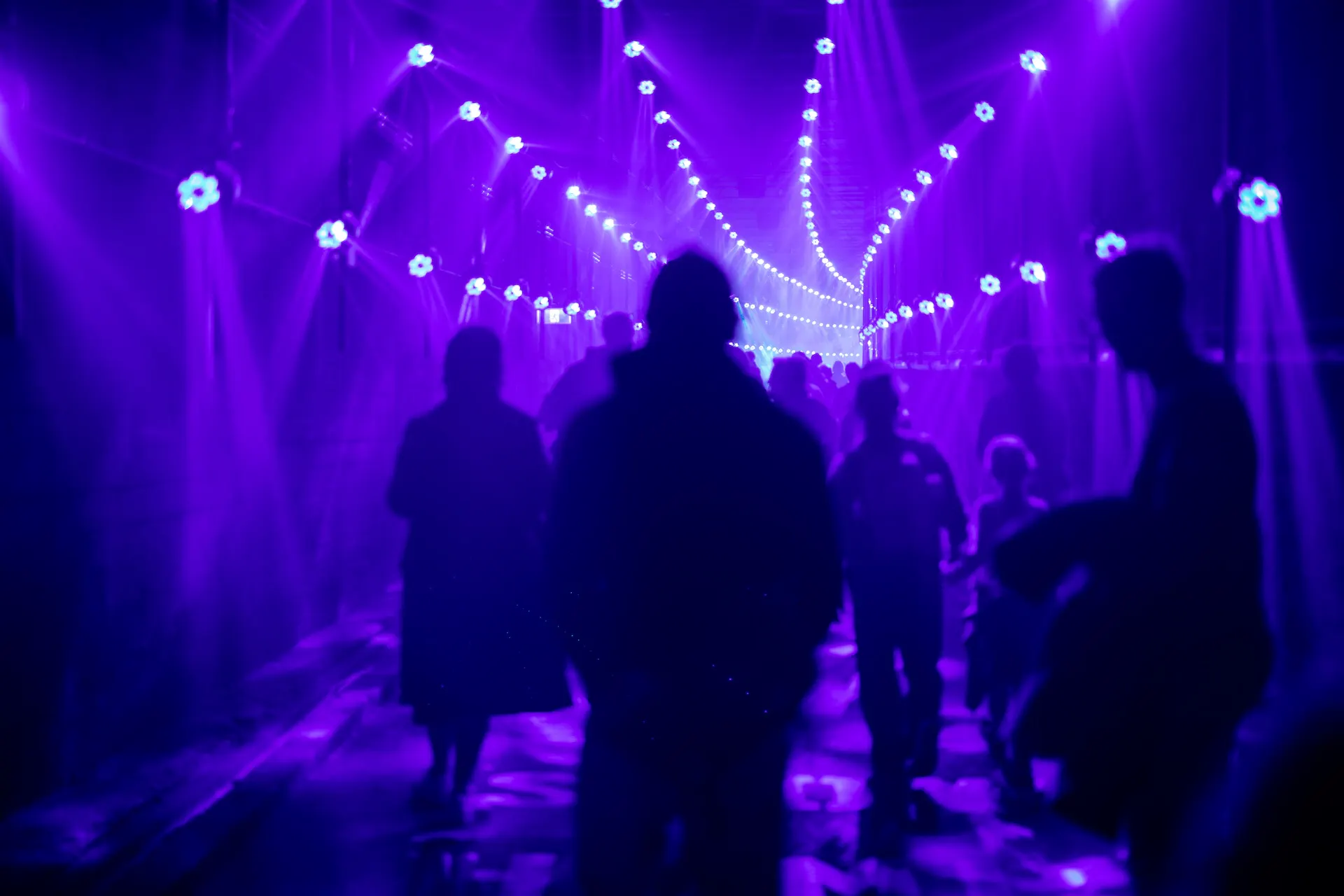
You’re shaping narrative development, not a mere run of show, building a clear experiential arc that aligns every design choice with the event's purpose and desired emotional impact. Think arrival, transition, peak moments, and exit.
Each phase is designed to reinforce the same idea, expressed through different sensory cues.
Discipline is essential. Ideas are edited, so one story can own the room. Visual language stays consistent, and materials, sound, and spatial moments work together, rather than competing. The goal isn’t spectacle for its own sake, but emotional clarity that supports brand objectives and audience engagement.
When creative direction is doing its job, the environment feels unified.
Guests can relax into the experience because nothing feels accidental. The room tells one story, and they stay present inside it.
If you want your events to feel immersive and unmistakably tied to your brand, creative direction is where that outcome begins. WONU can help you build it.
What Event Planning Actually Covers Day to Day
Before the first guest scans a QR code or steps onto branded carpet, event planning has already clocked several hours of work you rarely see.

It’s more than plotting tasks on the calendar. You are organizing hundreds of moves, so vendors, couriers, fabricators, and caterers all hit the right mark at the right hour.
Planning the Logistics Behind the Experience
Event planning is the operational discipline that turns the creative vision into something that can actually happen in real time.
Long before your guests arrive, planners are mapping constraints, sequencing tasks, and pressure-testing assumptions, so the experience holds under real-world conditions.
Vision speaks in feelings, logistics answers in timestamps.
This work starts early and compounds fast.
Dates are locked. Venues are held. Budgets are built and tracked against scope. Timelines are structured around dependencies, approvals, and non-negotiables.
Every decision is anchored to feasibility.
Strong event planning creates a roadmap that can absorb friction without breaking. Delays, conflicts, and shifts are expected variables, not surprises. The system is designed to flex without exposing stress to the guest experience.
Managing Vendors, Budgets, and On-Site Execution
Once the roadmap is set, event planning becomes active orchestration.
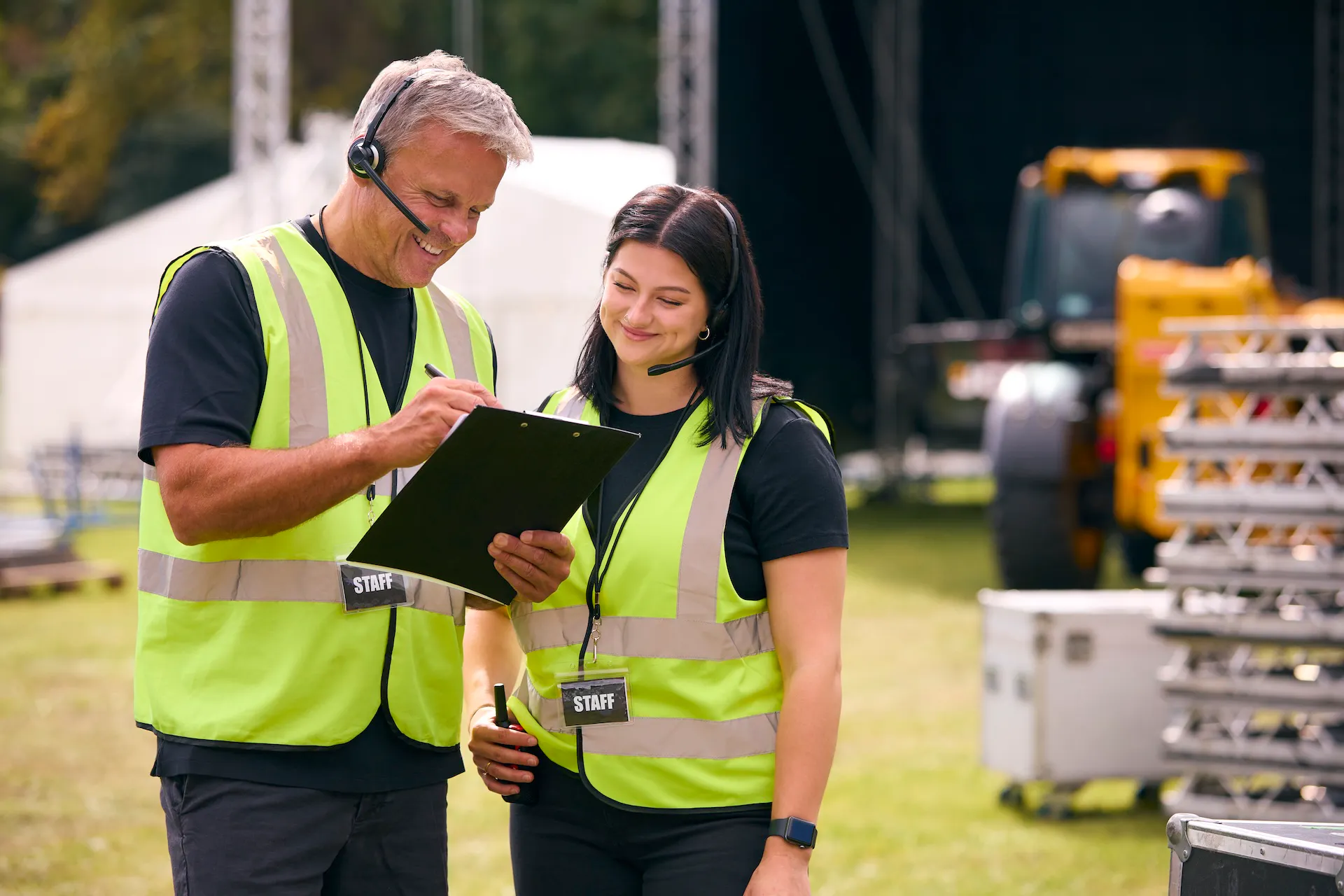
Vendors are sourced, contracted, scheduled, and integrated into a single run of show. Budgets are getting monitored line by line, so that creative ambition and financial reality stay aligned. Communication remains centralized, so nothing drifts.
Remember:
Vendor management isn’t transactional. It’s relational and precise.
Each partner needs clear scope, clear timing, and clear ownership. You need those lines to remain sharp because when they blur, chaos follows.
On-site, planners become the stabilizing force. Think load-ins, technical checks, and timelines, guarded and adjusted in real time. Problems are solved before they surface, so your guests get to experience flow, not friction.
That’s where planning proves its value.
Not in what goes wrong, but in how little anyone notices when it does.
Creative Director vs. Event Planner: Who Owns What
Creative direction and event planning might work in parallel, but they don’t lead the same decisions. That clarity of ownership determines whether the experience feels intentional or improvised.
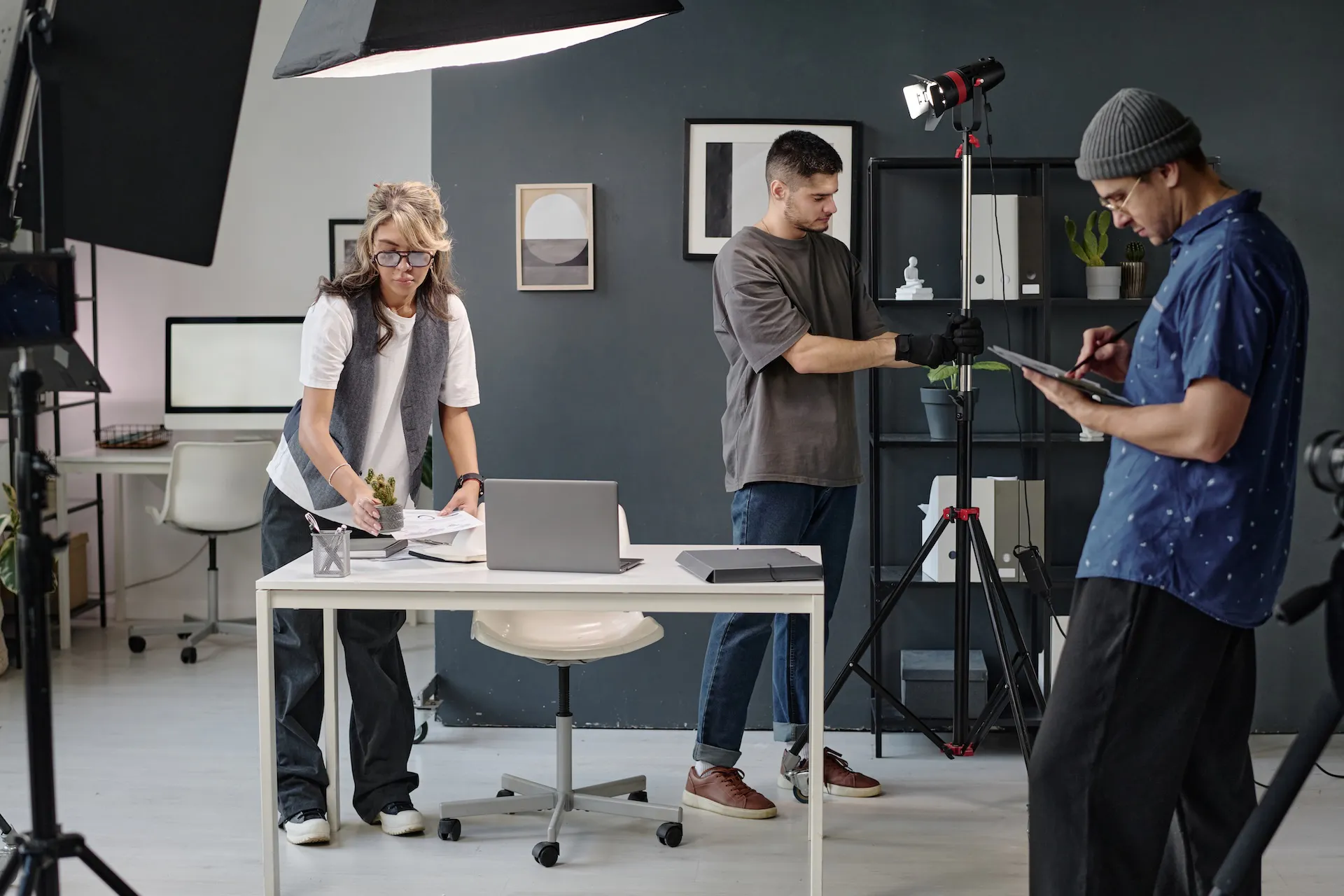
The creative director owns the vision. They have authority over the story your event is telling and how that story is expressed in space.
Creative direction defines the concept, sets the visual and emotional language, and approves how design, sound, lights, materials, and flow support that narrative. When creative decisions are in question, this role answers whether the choice strengthens or weakens the experience.
The event planner owns execution. They have authority over logistics, feasibility, and timing.
Planning determines how and when your vision can be delivered within budget, schedule, and operational constraints. That includes managing vendors, contracts, permits, staffing, and run of show. And whenever trade-offs appear, this role decides what keeps the event functional and on track.
One mind dreams the room. One keeps it scheduled.
Events that feel cohesive and run without friction need clear ownership and decision-making boundaries:
Creative direction handles concept, design intent, and experiential priorities, while event planning handles logistics, sequencing, and risk management.
Neither role overrides the other. They negotiate.
At WONU, creative and planning sit at the same table from the start. Vision is shaped with real constraints in mind, and logistics are built to protect the experience, not dilute it. When things shift, the question stays the same:
Does this still serve the story, and can it still be delivered cleanly?
Where Event Designers Fit Between Direction and Planning
This is the role that causes the most confusion, especially in experiential work where titles blur, and teams move fast.
Event designers don’t replace creative direction or event planning. They translate between them.

Event designers sit closest to the creative vision. They take the story defined by creative direction and turn it into a physical form.
That means translating your mood, narrative, and brand cues into specific layouts, materials, lights, scenic components, florals, and finishes that work in a real space.
They don’t own your story, and they don’t own the schedule. They’re there to make sure that the story and the schedule can coexist, making your vision buildable without flattening it.
When they sit in the middle of your team, the conversations between creative, production, and vendors all start to sync, and the room itself becomes the bridge between idea and execution.




Simply put:
Creative direction is focused on meaning, event planning is focused on control, and designers make sure neither one collapses under the weight of the other.
It’s the middle layer that keeps vision and logistics moving in the same direction.
How Creative Direction and Event Planning Translate a Client Brief
A client brief might be a single input, but it gets read through two very different lenses.

Creative direction and event planning both start in the same place, with your goals, audience, constraints, and success metrics. What changes is the question each discipline asks first.
Creative direction reads the brief for meaning. The focus is emotional and narrative. This lens pulls out the tone, tension, contrast, and symbolism, translating business objectives into sensory cues that can live in a room.
Event planning reads the brief for feasibility. The focus is operational and temporal. This lens pulls out the scope, scale, and constraints, translating ambition into schedules, budgets, and compliance requirements. The goal isn’t to shape the story, but to make sure it can survive reality.
The brief shows what matters. The lens decides how your team answers it.
When creative direction leads, the brief becomes a concept first. With planning in the picture, that creative exploration happens within defined boundaries, protecting the build from late-stage compromises.
That’s where collaboration matters most:
When creative and planning stay in dialogue, the ideas evolve without losing their core. When they work in isolation, the gap shows up late and expensively.
That bridge between creative direction and event planning is where success is decided. WONU turns your brief into a clear story and a workable plan.
When Creative Direction Should Lead
Some events succeed or fail based on how clearly they are felt. And in those moments, creative direction needs to take the lead early and decisively.

- Brand Launches
A brand launch is about first impressions and long-term memory. Creative direction leads when the goal is to introduce your brand or a new chapter of your story within a physical space. That’s when the experience has to communicate identity before it explains anything, and in these moments, the memorability matters more than the density of programming.
- Experiential Retail
Experiential retail lives at the intersection of commerce and emotion. Creative direction should lead when the space needs to change how people feel about a product, not merely display it. In short, it shapes behaviors, including how guests enter, where they pause or touch, and what they decide to share. Storytelling through design creates connection, dwell time, and brand affinity. Sure, planning supports that flow, but creative direction defines why this space feels worth stepping into in the first place.




- Story-Driven Campaigns
When the event is part of a larger campaign narrative, creative direction sets the tone and protects consistency. Each moment has to ladder back to the same idea, even as the formats and locations change. In these cases, creative direction ensures that the experience feels intentional rather than episodic. It aligns the visual language, sensory cues, and emotional beats, so that the story carries across touchpoints without dilution.
If the success of your event depends on memory, meaning, and emotional clarity, creative direction should be driving the build from the start.
When Event Planning Takes Priority
When you’re moving executives, freight, livestream crews, and compliance through high-stakes scenarios, not chasing a new aesthetic, complex event logistics outrank mood boards.

You’re not merely protecting the idea here. You’re protecting the brand, the budget, and everyone’s sanity. That’s when event planning needs to lead the build.
- High-Complexity Logistics
Large-scale or time-constrained events demand planning discipline before any creative expansion. Tight load-in windows, multiple locations, layered technical builds, and immovable dates leave little room for improvisation. In these scenarios, success depends on a clear scope, defined ownership, and realistic sequencing. Without the backbone of event planning, even strong creative ideas tend to collapse under pressure.
- Compliance-Heavy Events
Permits, insurance, union rules, fire codes, accessibility standards. When an event operates inside strict regulatory environments, planning steps in to protect your brand and your audience. Planners handle approvals, documentation, and contingency planning. Besides, potential risks are identified early, monitored continuously, and addressed before they become visible, so your creative choices remain viable.
- Multi-Vendor Productions
The more vendors involved, the greater the need for centralized control. Multi-vendor productions require shared timelines, locked specifications, daily check-ins, and a single source of truth. Event planning coordinates all of that, so your teams move together, not in parallel chaos.
If your event needs to withstand the pressure, regulations, and real-world unpredictability, event planning should be setting the pace.
Building the Right Team for Your Event
Choosing the right mix of creative and planning support shapes everything that follows.
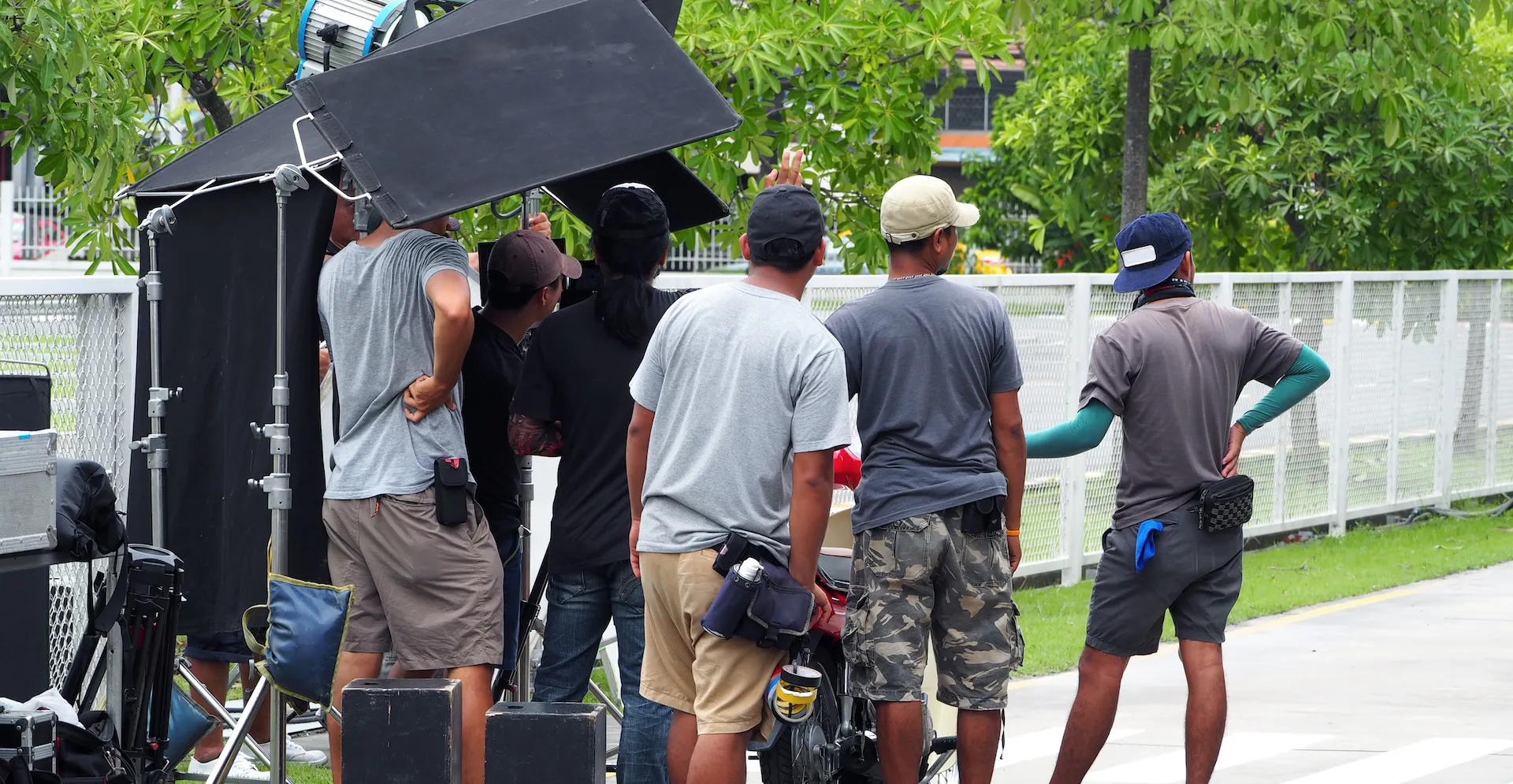
Budget control, brand expression, team dynamics, and how calmly the event runs under pressure all trace back to this decision. But how do you decide if the next launch needs a creative director, an event planner, or maybe even both working in tandem?
Questions to Ask Before Hiring Creative or Planning Support
You need to start by examining your goals, not your timeline. Ask where the risk lives and where the value is created.
If your event’s success depends on emotional impact, brand clarity, and memorability, creative leadership needs to be strong and present early. If, on the other hand, your success depends on timing, compliance, scale, and coordination, planning leadership needs to anchor the process.
Pay attention to how teams think under pressure.
Do they discuss trade-offs, escalation paths, and decision ownership? How do they shape team dynamics, stakeholder involvement, and improvisation during logistical challenges? Do they take the time to map any creative considerations against budget constraints?
One bad delivery window can undo a great idea.
The right partner understands where that risk shows up and how to manage it without panic.
When a Hybrid Approach Works Best
Once you’ve seen the difference between a well-produced event and a fully orchestrated experience, you start to see why a hybrid approach matters.
Creative direction and event planning operate together from the beginning, rather than handing off late in the process.
That’s where event synergy lives:
Creative integration on one side, logistics balance on the other.
In a hybrid approach, creative ideas are developed with real constraints in mind. Planning frameworks are built to protect the story rather than limit it. Audience engagement gets sharper, and design execution gets cleaner, because workflow optimization and vendor relationships sit in the same conversation.
With this structure in place, creative remains bold, execution remains calm, and neither of the two roles is forced to “clean up” decisions made in isolation.
How Agencies Like WONU Blend Strategy, Creative, and Production
Integrated agencies bring strategy, creative direction, planning, and production into the same conversation early. This alignment keeps experiential work precise and grounded in purpose.
At WONU, strategy sets the why, creative direction shapes the story, and planning and production make it real without erosion.
Every single touchpoint earns its place by serving both the audience and the objective. When constraints do surface, decisions are made quickly and collaboratively, so the momentum stays intact.
This integration isn’t about doing more. It’s about doing fewer things with greater clarity and care.
If your event needs both big ideas and perfect delivery, WONU is there to make that balance possible.
Where Strong Events Actually Come From
Great events don’t happen by accident.
They’re built through clear leadership, defined roles, and teams that understand how vision and execution support each other without competing. When creative direction and event planning are treated as distinct disciplines, the work gains focus.
Decisions get sharper, and pressure moments become manageable.
This clarity is what separates experiences that feel intentional from those that feel overworked:
The story holds, the logistics stay quiet, and guests feel guided rather than managed.
This balance is foundational to how WONU approaches experiential retail and brand activations. Strategy, creative direction, and production move together, so ideas stay bold and execution stays controlled.
If you’re thinking about how to structure your next experience, this is the moment to reach out and explore what that kind of integration can unlock.
Let's build
If you're thinking about how your brand shows up in the world, we'd love to hear from you.