

Event Marketing for Product Launches:
How to Build Momentum From Day One
Event marketing for product launches works best when experiences feel intentional, precise, and built to spark momentum.
A strong launch does more than unveil a product.
It creates a moment that signals relevance, anchors your position in the market, and gives your audience a reason to pay attention.
The room becomes a stage for story, emotion, and proof.
When every detail supports the narrative, guests lean in, and the outside world follows. The right strategy turns a single day into a long tail of visibility, conversations, and commercial impact. That is where brands shift from announcements to movements.
Keep reading to see how to plan a launch that performs in real time and delivers outcomes long after the lights go down.
Why Event Marketing Still Wins for Product Launches
Launch events perform because they pull people into an experience that creates belief. Sure, a product can trend online for a day, but a well-crafted event builds intent, emotional connection, and cultural traction in ways digital channels cannot replicate.
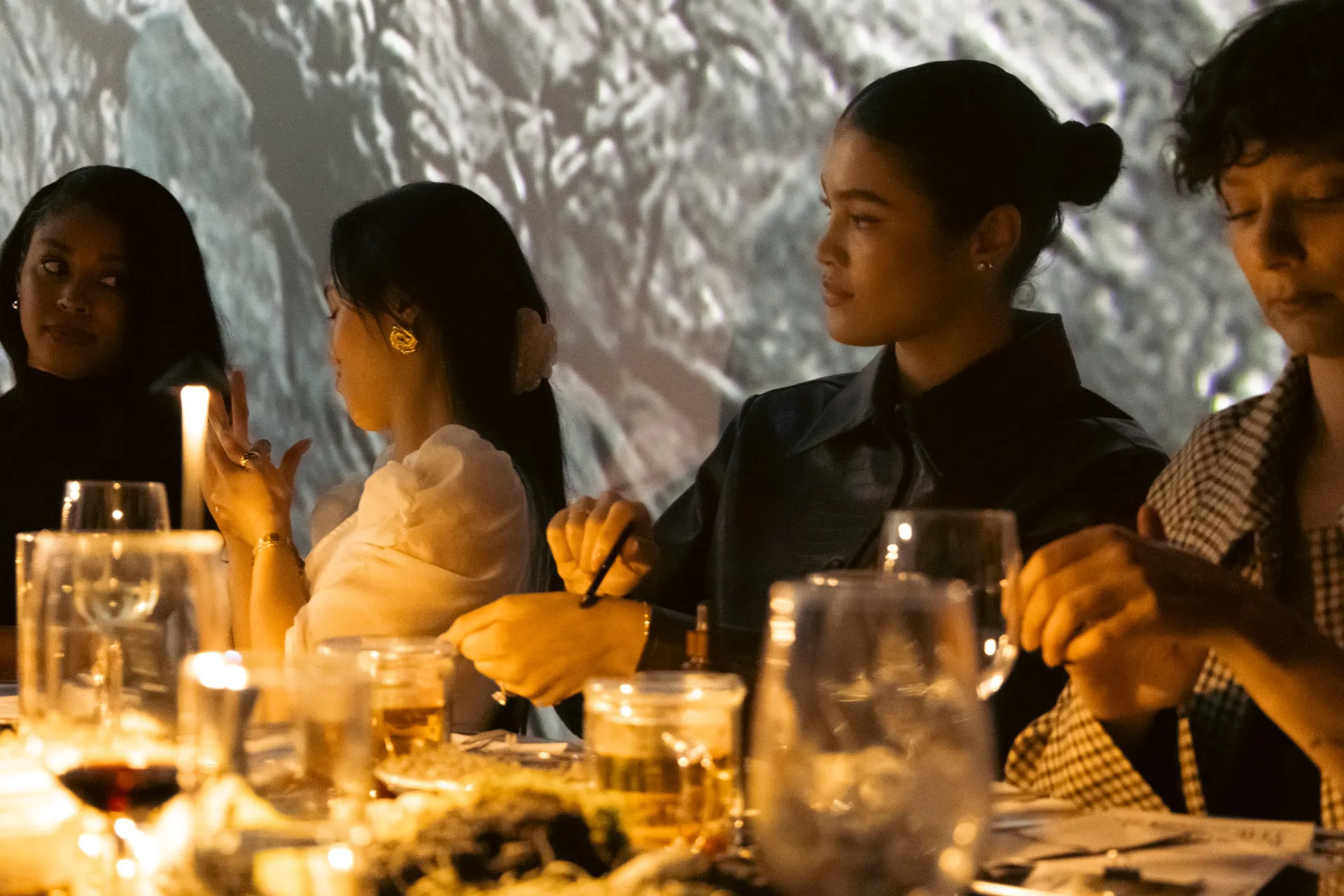
Events anchor the story, create a shared moment of discovery, and give the audience a way to see, touch, and understand the product in a real environment.
Experiential formats also outperform digital when it comes to attention and recall. In-person events remain the most influential activation channel for product education; the majority of attendees report stronger trust in a product after experiencing it live.
The reason is simple:
The audience is not scrolling past the message. They are inside it.
And for product launches, this advantage becomes even more significant. A live setting turns features into demonstrations, stories into movement, and brand positioning into something participants can feel.
Besides, a strong launch event sets the foundation for earned media, partner amplification, and post-event content that continues to generate visibility long after the doors close.
Industry growth reflects this shift in value.
The industry is on track to hit $2.5 trillion by 2035, following a CAGR of 6.8%. Furthermore, 74% of event marketers expect their budgets will continue to grow, and 66% of companies plan on hosting more events next year.
In-person remains the preferred channel for impact, but hybrid is the key to expanding reach and lowering operational load.
This demand signals a clear direction:
Launch events continue to thrive because they deliver outcomes that matter in a crowded market.
Setting Objectives, KPIs, and ROI Frameworks
Before any creative direction or planning takes shape, the launch team needs to define the purpose of the event with complete clarity.
Sharp objectives become the filter that guides every decision, from the story on stage to the experience in the room, while KPIs outline what success looks like and prevent your team from interpreting performance through instinct.
That is where alignment begins.
- Set Business-Aligned Objectives
Launch events perform best when they begin with clear expectations. Before concepts form, define the outcomes the experience must advance. These can include boosting brand awareness, driving product engagement, increasing sales conversations, supporting a market entry, or positioning the brand as an industry leader. Every element of the event should reinforce the primary objective and connect to the larger go-to-market strategy. - Build KPI Models for Awareness, Engagement, and Pipeline
Once objectives are set, develop KPI models that reflect the full funnel. Awareness indicators may include reach, impressions, and web lift during the launch window, while engagement metrics can cover session attendance, dwell time, NPS, demo participation, and content downloads. When it comes to pipeline indicators, you can track qualified leads, meeting volume, sales follow-ups, and opportunity creation influenced by the event. Align the three tiers, and you’ll evaluate performance through a balanced lens instead of overweighing a single moment. - Anchor Spend to Event Impact
A defensible ROI structure starts with direct revenue influence within the first 90 days. Support this with cost-per-lead, pipeline value, brand equity shifts, and customer lifetime value lift. Then, build a measurement map that connects in-room activities with post-event behavior. That provides a clear link between experience and financial impact. Budget allocation should follow the same logic. You should prioritize formats and tactics that have a proven record of advancing pipeline and adoption.
Budgeting and Sponsorship Strategy
A launch only performs when the financial architecture behind it is built with purpose.
Your budgeting and sponsorship strategy shapes the scale of the experience, the quality of execution, and the momentum you can sustain after the reveal. These decisions determine what the guests feel, what the market sees, and how far the story travels.

To make those decisions with clarity, you need a structure that supports the full lifecycle and partners that boost the work rather than distracting from it. Here’s how to build both.
- Budget Architecture for Launch Events
A strong launch budget gives your team clarity on where to invest, where to streamline, and where to scale. Start with benchmarks that fit within the broader marketing plan, then anchor spend to the moments that’ll shape perception; think staging, audiovisual quality, staffing, and guest experience. Allocate across the full launch lifecycle, from pre-event production to post-event nurture, instead of concentrating spend on the day of the launch. - Focused Sponsorship Mix
Budgets set the runway; sponsors fuel the takeoff. Choose three to five partners whose audiences and values align with your product and guest list. Sponsors increasingly prioritize authenticity; they want integrated experiences, not passive logo placements. Remember to build activations that will serve both partners and attendees, including co-branded content, on-site demos, and value-driven touchpoints. With the right mix, sponsors become part of the launch story, rather than attachments, strengthening credibility and impact.
Segmentation, Personas, and Importance of Knowing Your Audience
A launch cannot land with impact until you understand who you are speaking to and what motivates them to act. Audience intelligence drives every layer of the plan:
Programming, format, outreach, and measurement.
When segmentation is rooted in real behaviors, every layer of personalization becomes more effective and more scalable.
- Data-Driven Audience Segmentation
Effective launch events start with clean segmentation that reflects who your audience is, what they value, and how they behave across channels. Data-driven segmentation can shape the experience from the ground up. You should build segments from verified sources, prioritizing 3 to 7 groups with the greatest strategic value, then match each to the channels where their attention is strongest and they are most engaged. Map experience layers, with targeted experiential moments that’ll resonate deeply with each audience segment. - Build Actionable Personas for Launch Events
Ground persona development in both quantitative and qualitative data, so they reflect real people, not hypothetical profiles. Start with segmentation analysis based on registration data, then layer in behavioral analytics, like sessions they stayed for, booths they skipped, and their dwell time. Then, you can turn all these insights into persona storytelling that maps the buyer experience, and shape your messaging and engagement strategies accordingly. - Personalization at Scale
Personalization is what takes a launch from a shared moment to a meaningful one. Use predictive models to identify high-intent segments, guide follow-up priorities, and filter out low-fit leads. You can leverage AI to continuously refine strategies through real-time optimization, too, aligning your content with audience behaviors as campaigns unfold. And because AI can deliver hyper-specific targeting, each impression becomes more valuable. The result is an experience that feels curated at scale and drives stronger post-launch engagement and conversion.
Precision starts with understanding. WONU can help you build a launch they can feel, not one they scroll past.
In‑Person, Virtual, and Hybrid Event Formats
Format selection determines how your audience connects to the story and how your product comes to life. Each model carries strengths, constraints, and distinct opportunities for reach and influence.
The key?
Choosing the format that aligns with your goals, audience behavior, and resource strategy.
The following breakdown clarifies where each format excels, so the launch delivers maximum impact with minimal friction.
- When to Choose In-Person
In-person launches win when you need energy, emotion, and conversions in the same room. They outperform virtual formats when it comes to product reveals, VIP experiences, and press moments, where texture, light, and environment add to the story. Attendees engage more deeply, and brands benefit from stronger recall, richer content capture, and higher-quality leads. Pick this format when the experience itself is a value driver.




- When Virtual Drives Better ROI
Virtual formats work when scale, access, and education matter more than ambience. They reduce travel friction, broaden reach, and support programs where clarity outweighs in-room theatrics. You can use virtual when the goal is volume, training, or global audiences that need to connect without geographic limits. Don’t ignore the challenges; platform fatigue, drop‑off, and production that must feel premium. - Hybrid Strategies That Make Sense (And Those That Do Not)
Hybrid shines when you need reach without losing the authority of a room. It supports multi-market audiences, tiered experiences, and extended campaign lifecycles. It falls short when the in-person and virtual paths compete, overcomplicate logistics, or simply split creative focus. That said, opt for a hybrid event format when the two audiences can be choreographed with intention, not treated as duplicates.
Choose the format that strengthens the story, not the one that simply fills the room. WONU choreographs both.
Channel Mix and Influencer Promotion
A high-performing promotional engine works in sequence, not in silos.

Social, search, email, and influencer activation shape the launch narrative from the initial spark to the final conversion. Each channel plays a specific role within the buyer’s decision arc, and the order in which they activate determines the efficiency of your spend and the strength of your demand signals.
Start with platforms that build early attention, move into channels that capture intent, and close with owned sequences that convert interest into action.
Here’s how every layer contributes to momentum that compounds over time.
- Social and Influencer Activation
Social sets the tempo and establishes early demand. Lead with a social media strategy that favors video; 88% of B2B buyers watch it. Short formats perform best at the awareness stage, supported by creator assets that feel native to the platform. Influencers can strengthen credibility even further. In fact, micro creators may outperform brand-owned claims on engagement, and their content fuels paid amplification through mid-funnel moments. Use social platforms and influencer activity to build momentum, seed the story, and shape demand before search intent rises. - Search and Performance Channels
Search carries the middle arc of the cycle. When the awareness peaks, buyers might start looking for comparisons, pricing, and validation. Align paid search with rising keywords, protect high-value terms, and structure the campaign to capture both branded and non‑brand search. Activate search once your social and influencer signals have shaped attention, so that demand flows into channels where conversion is more efficient. - Email and Owned-Audience Nurture
Finally, owned channels complete this lifecycle. Email sequences can help refine interest through segmentation, guiding buyers from early curiosity to high-intent evaluation. Use pre-event content to clarify value, mid-cycle updates to reinforce relevance, and post-event follow-through to convert. Your owned audience is primed for deeper storytelling and longer-form proof, which is why nurture sits at the end of the arc, as a way to reinforce trust, unlock repeat engagement, and complete the cycle that social and search initiate.
Earn attention, then convert it. That’s the WONU edge.
Storytelling, Demos, and Interactive Moments
A live experience can define how the product feels, not only how it functions. When the environment, story, and interactions all work together, guests follow a clear experiential arc that moves them from discovery to belief to advocacy.
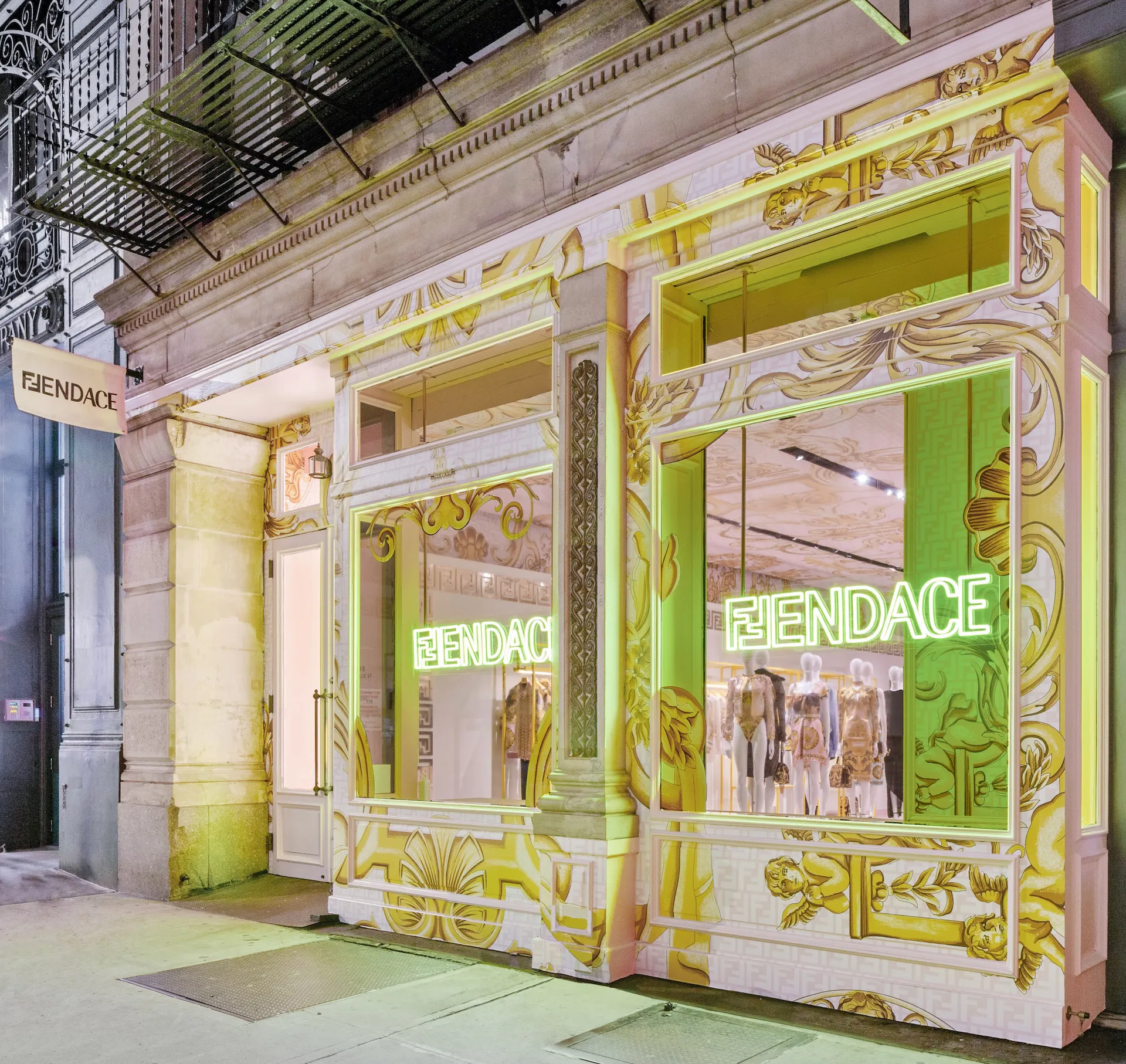
Every element of the room becomes part of the launch narrative.
Story flow sets intention, demos deliver proof, and interaction deepens memory. The experience performs as powerfully as the product itself.
- Narrative Architecture and Brand Story Flow
A strong launch begins with an experiential arc that guides guests from orientation to immersion to advocacy. You do that with live storytelling that moves; sensory cues that set intention, and scenes that tie origin to outcome. The narrative architecture should shape each touchpoint in sequence, so your guests can feel the story, instead of having to decode it. This creates emotional continuity that carries from the first step inside to the moment they reach for the camera. - High-Impact Demo Strategy
Demos work best when they sit at the very center of the arc rather than the edge. You want to lead guests from context into proof, then further into exploration. The most effective demos simplify the product’s value, reduce friction, and give people confidence that the idea holds up in motion. Build event interaction with demo innovation; think hands-on, yet supported by touchless technology for flow. When the demo answers a clear question and resolves a clear tension, conversion rises, too. - Gamification and Hands-On Interaction
Interaction boosts memory, and memory boosts advocacy. Gamification works when it feels native to your brand rather than “ornamental.” Design activities that reward exploration, highlight benefits, and encourage shared participation. Use QR quests, mini challenges, or limited digital collectibles that reinforce the story without distracting from it. Each interaction should move the guests deeper into the arc, so they leave with a sense of involvement and a moment they want to share.
When the story moves with intention, the audience moves with it. WONU can help you design the kind of experience people remember and talk about long after they leave.
Data, Measurement, and Real‑Time Optimization
Measurement is not a recap activity. It is a real-time discipline that shapes how this launch performs in the moment and how it scales after the doors close.
Strong data design ties every guest action to a meaningful signal, giving teams clarity on what lands, what stalls, and where to adapt. Real-time insights can guide immediate adjustments, while post-event analysis connects in-room behavior to revenue, retention, and referral patterns.
Below, we outline how to build that system with focus and accuracy.
- Data Capture and On-Site Insights
Effective measurement begins before the doors even open. Map every touchpoint to a data signal that supports your launch KPIs. You can use check-in scans, QR interactions, demo dwell time, as well as behavior patterns across the venue to better understand how your guests move, react, and convert. Live dashboards will surface attendance trends, intent indicators, sentiment patterns, and high-value segments; your team can reinforce what resonates. When the room responds, the data confirms it. - Real-Time Optimization and Post-Event Analysis
Real-time optimization keeps the experience aligned with your targets; think shifting staffing toward active zones when engagement spikes, refining the messaging if sentiment dips, or shortening the onboarding when trial sign-ups fall below the benchmarks. And after the event, connect the on-site behaviors with downstream metrics, such as pipeline acceleration, revenue per attendee, retention strength, and referral lift. Combine qualitative signals with quantitative insights, and you will have a post-event model that can inform your next launch with precision and clarity.
Optimize in the moment, then scale what worked. That’s how WONU translates data into strategy.
Post-Event Amplification and Lead Nurture
The launch continues long after the final cue. That is where post-event amplification comes in, turning this experience into a sustained narrative that reaches new audiences, strengthens credibility, and accelerates conversion.
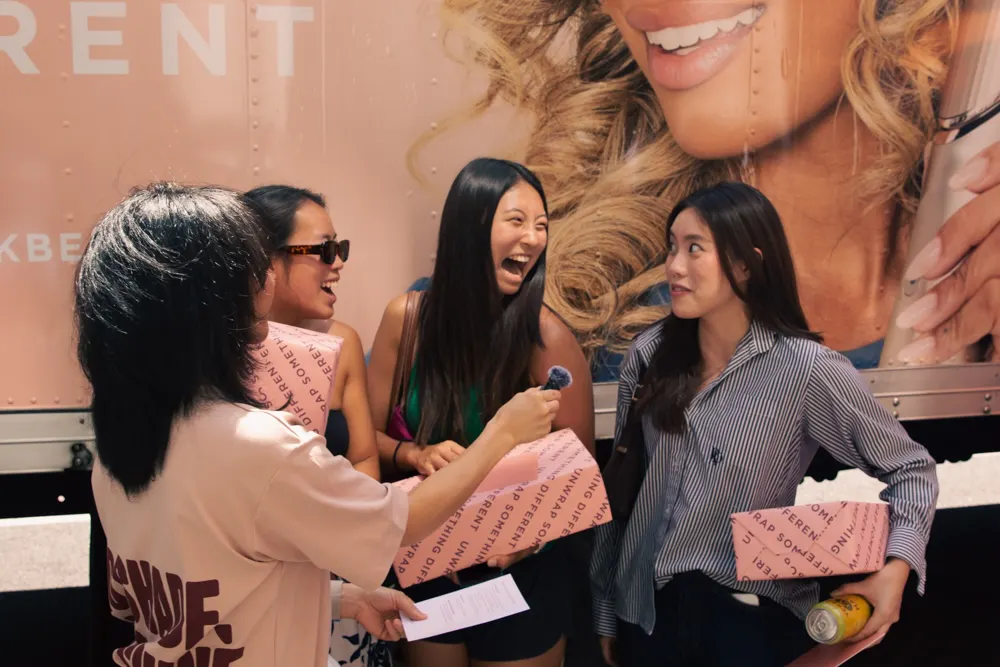
Media relationships extend authority, content repurposing multiplies reach, and lead nurture turns attention into a measurable pipeline. When all these elements work together, they unlock the full value of your event and maintain momentum through the early sales cycle.
- Press and PR Extensions
Press momentum begins before the recap even hits social. Refine your media list, then follow with targeted outreach when editors are most responsive. You can offer executive quotes, data-backed angles, and assets that reduce editorial lift. Use a news API to track mentions, sentiment patterns, and topic clusters, so your team can respond, clarify, and reinforce the narrative as coverage rolls out. Remember, strong press positioning can keep your launch visible long after the final guest has exited. - Content Repurposing and Social Amplification
Your content engine should convert the live experience into a multiformat library that extends reach across channels. Create a content strategy that repackages high‑res images, technical specs, and crowd clips into assets. You can turn your event’s strongest themes into thought-leadership pieces, behind-the-scenes edits, and optimized landing pages; it’s content repurposing that expands brand visibility and digital presence. - Lead Nurture
Once the spotlight fades, actual conversion starts. Score leads based on engagement signals from registration data, in-venue interactions, and post-event behavior. Route high-intent prospects into a short-cycle nurture flow with tailored product benefits and next-step offers. Let performance metrics guide the follow-up tactics; track meeting bookings, trial activations, and repeat site visits to assess the true yield of the launch.
Bringing Your Launch Strategy Full Circle
A high-performing launch feels intentional from the first invite to the final follow-up, and the brands that win are the ones that treat the moment as a growth lever rather than a ceremonial reveal.
Remember, you’re not guessing. You’re orchestrating.
When every detail supports that momentum, your event becomes a catalyst that shapes perception, fuels demand, and positions the product with authority.
If you need support designing launch experiences that drive measurable outcomes, partner with WONU to create programs that blend cultural insight, strategic clarity, and revenue-focused creativity. We know how to turn brand moments into market impact and build a launch that performs long after the room empties.
Get in touch with WONU today.
Let's build
If you're thinking about how your brand shows up in the world, we'd love to hear from you.