

What’s Next: 7 Experiential Marketing Trends for 2026
Experiential marketing trends for 2026 are reshaping how brands connect with culture, community, and commerce.
This isn’t about chasing moments; it’s about creating experiences that move people and scale impact.
As consumers’ expectations evolve, so do the strategies behind every install, pop-up, and flagship launch. From fashion and luxury to tech and wellness, the brands winning next year will lead with meaning, agility, and a serious eye for emotional resonance.
If you’re ready to see where the industry is headed and how to stay ahead, keep reading.
1. Hybrid Retail Isn’t a Trend, It’s the New Standard
Step onto Greene Street, and you’ll feel it immediately: pop-ups don’t exist in isolation anymore. They are seamlessly wired into digital layers, merging street-level energy with screen-based amplification.
This shift toward a hybrid strategy isn’t experimental; it’s expected.
Whether it’s scannable AR artwork, mobile-triggered playlists, or digital lookbooks that are accessible via QR, audiences now engage in ways that stretch across touchpoints, timelines, and time zones.
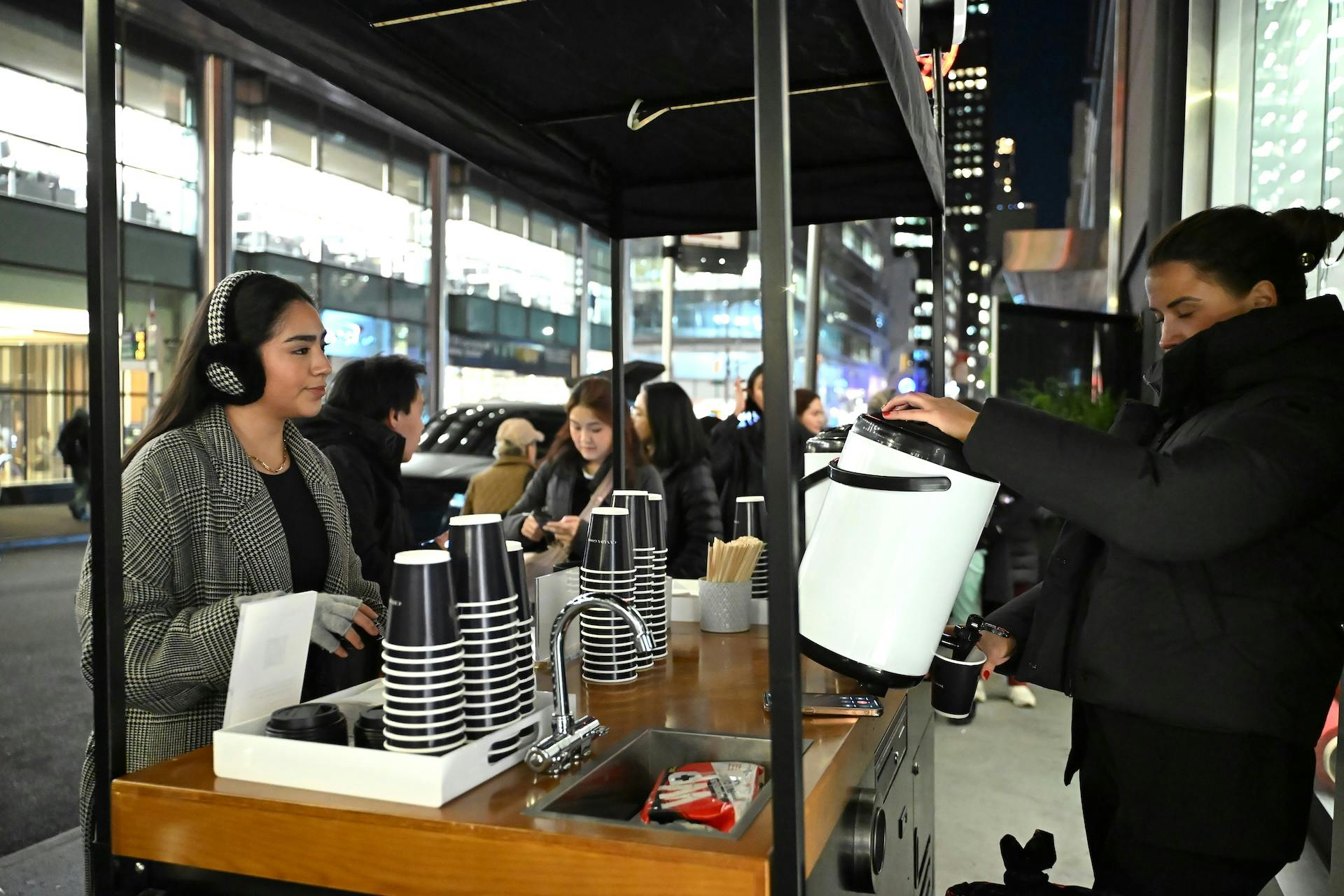
Phygital experiences aren’t simply flashier; they’re smarter. Mobile activations are replacing fixed pop-ups, offering flexibility and wider reach without sacrificing production quality. Case in point:
Hybrid events lead to a 50% increase in engagement rates, showing that integrated phygital experiences are essential for capturing and retaining diverse audiences.
And thanks to real-time digital tracking, brands can measure impact across every surface: foot traffic, live shares, dwell time, and online conversion. That lets teams make confident budget decisions based on true multi-channel ROI, not hunches.
But perhaps the most powerful shift is access. With the right martech stack, a campaign no longer belongs to one neighborhood. A single dashboard can localize creative for Lagos, New York, and Berlin in parallel, honoring cultural nuance, language needs, and platform preference.
That kind of digital inclusion isn’t a luxury add-on; it’s central to what modern audiences expect.
WONU doesn’t treat hybrid as a tactic; we see it as the architecture behind every activation. Our culturally intelligent, globally aware approach ensures every campaign moves with agility, lands with relevance, and drives results far beyond the moment.
2. Immersive Tech Moves From Novelty to Strategy
AR and VR aren’t fringe elements anymore. They’re key tools that are reshaping how audiences discover, feel, and remember your brand.
From digital try-ons to interactive windows that reveal hidden narratives, immersive tech now anchors the most effective campaigns in experiential marketing.
Augmented reality brings storytelling into the physical world. Think mirrors that display 3D sketches, store walls that react to your movements, or phone lenses unlocking designer lore through layered visual cues.
Retail alone reportedly drove 55% of AR usage in 2024, and brands using AR-led storytelling report 70% higher recall and triple the social shares compared to static displays.
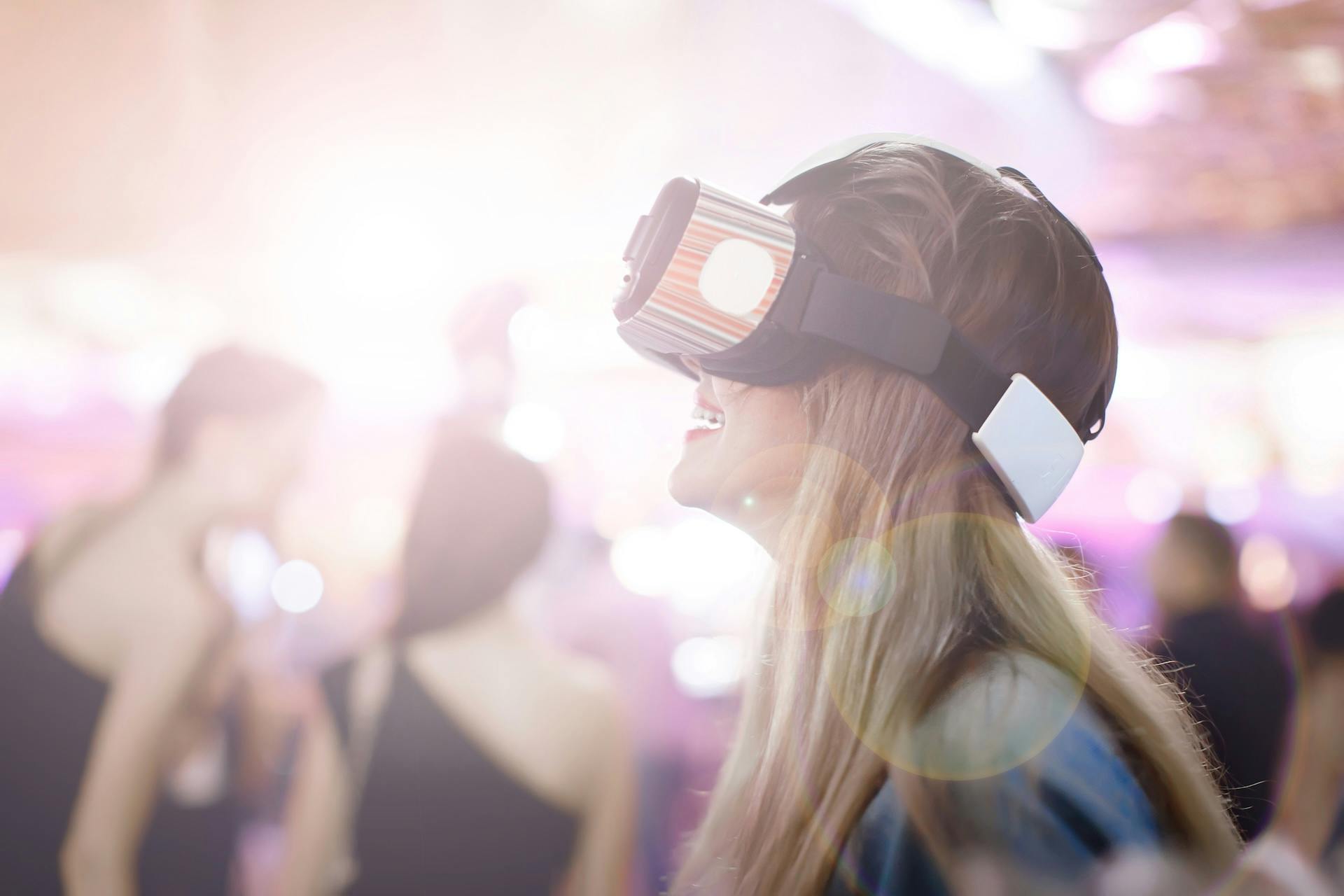
Virtual reality (VR) can add another layer of depth, especially before the event even begins. Pre-show VR activations are becoming standard for high-consideration audiences.
As brands increasingly adopt game-like elements to deepen interaction, pre-show VR activations can also serve as engaging icebreakers that prime attendees for meaningful participation. Instead of email teasers, your guests explore tailored simulations and gamified environments built specifically for their interests.
The result?
Seven minutes of deep engagement, a 17.5% average conversion rate, and an impact that lasts long after the headset comes off.
This is not about spectacle for spectacle’s sake. It is about strategy rooted in emotional design. The role of immersive tech here is to draw your audiences deeper into the world you’re building, because the future of engagement isn’t flat.
It’s dimensional, intentional, and designed to stay with you.
3. Real-Time AI Personalization Becomes Emotionally Intelligent
Inside a retail experience powered by AI, nothing stands still; not the music, not the lighting, not even the content on the walls. Every detail flexes in response to real-time data, tuning itself to individual behaviors, energy, and even environmental context.
This isn’t personalization as a checkbox.
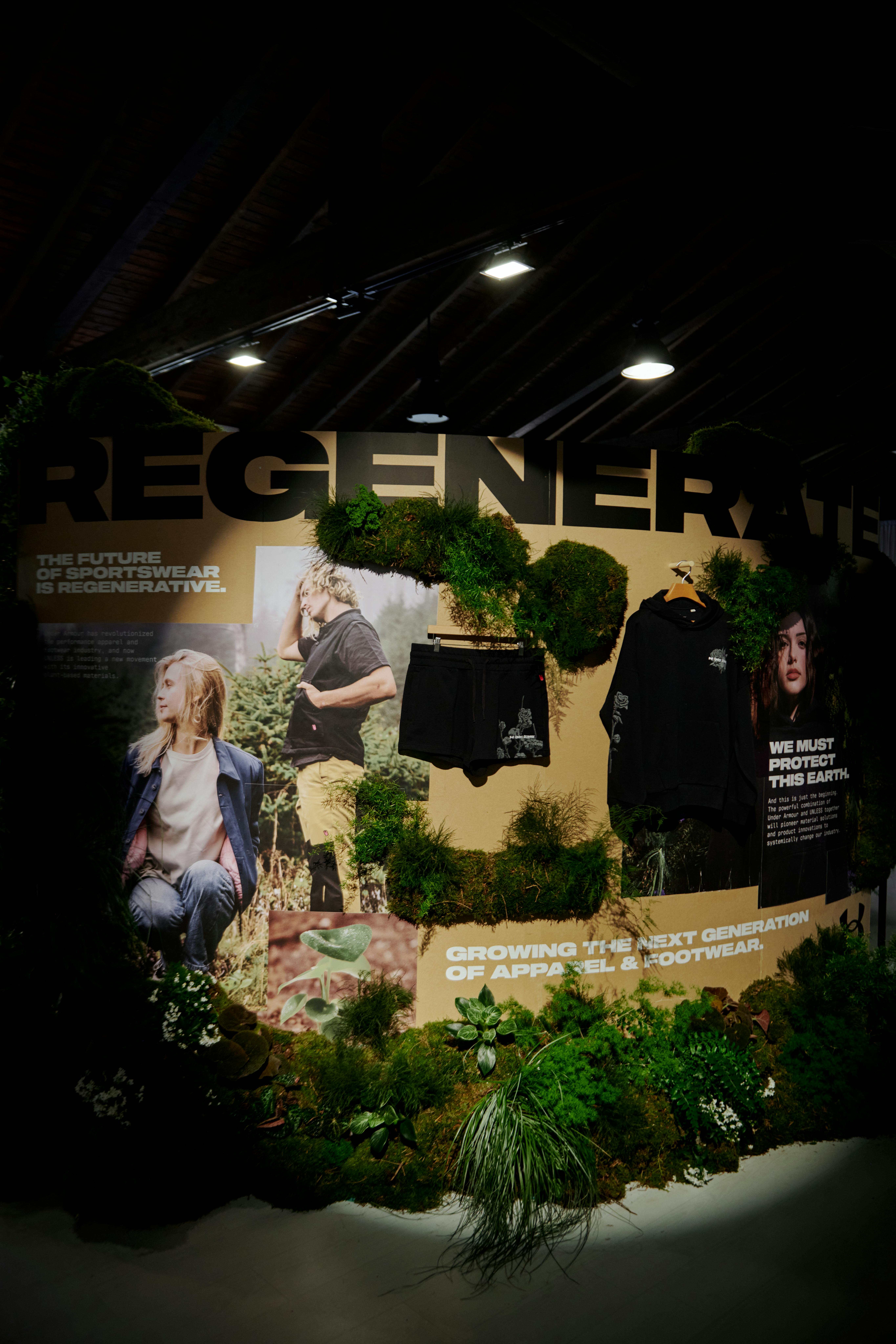
It’s an ambient, emotionally intelligent layer that shapes how people feel as they move through the space.
Human-centered AI now reads micro-behaviors and adjusts activations on the fly. Pause too long near a silk scarf? The display beside you shifts. Your phone buzzes with a tailored recommendation. The in-store soundtrack calibrates to crowd density or mood.
These responsive adjustments are no longer experimental; they’re becoming baseline expectations, even more so in high-touch environments where relevance drives results.
This form of dynamic adaptation isn't about simple segmentation. It actually layers behavioral signals with real-world variables like weather, traffic, and local events, turning every activation into a living, breathing system.




The impact is measurable: increased dwell time, higher conversion rates, and less content fatigue across all channels.
Real-time personalization only works when it resonates, and for us, resonance begins with respect for the privacy, context, and the lived experiences of every guest. We combine precision with human-first cultural strategy, building retail experiences that are not only smart but deeply felt.
4. Gamified Experiences Are Replacing Passive Participation
The most effective brand activations no longer speak at audiences; they invite them to play.
From real-time co-design stations to digital scavenger hunts and story-driven challenges, these gamified experiences are becoming a core pillar of experiential marketing strategy. This isn’t about novelty, either; it’s about designing for emotional investment and cultural resonance.
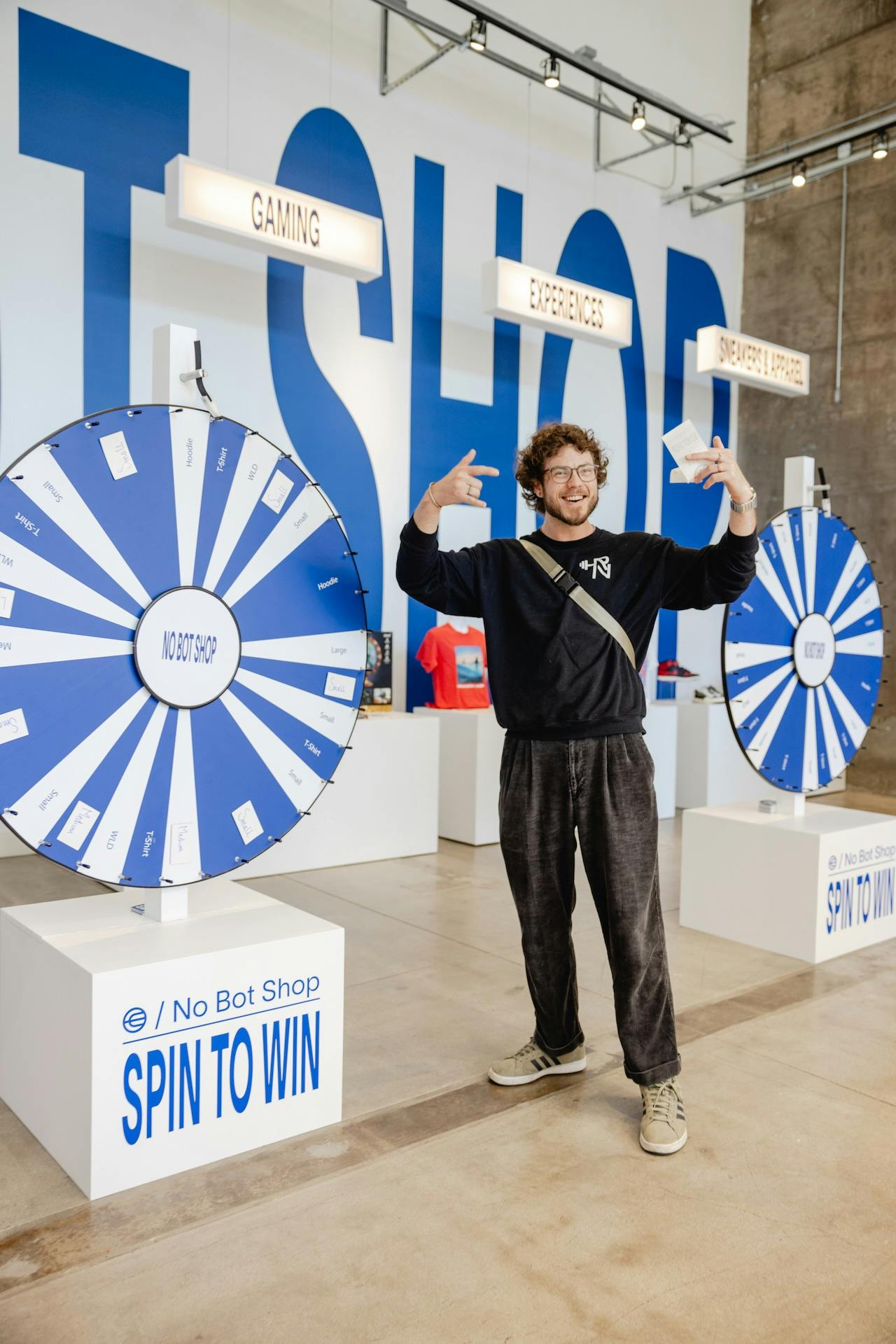
In retail alone, gamified tactics drove nearly 28.5% of the market’s total share in 2024, with engagement gains between 100% and 150% when compared to static formats. Why? Because today’s audiences want more than loyalty cards.
They want leaderboards, unlockable content, mission-based storytelling, and the chance to shape how the experience unfolds.
Smart brands are responding by layering challenge-based mechanics into their activations, tailoring tasks to different personality types, offering real-time feedback, and syncing progress across digital and physical platforms.
It could be a flagship installation, a pop-up activation, or a mobile-first campaign; in any case, these tactics improve session time, drive repeat participation, and generate measurable buzz.
In a market where attention is currency, the brands that win are the ones that actually invite their audience to belong through play. Gamification with intent is key to making sure that each interaction feels intuitive, inclusive, and shareable.
5. Community-Driven Design Is the Future of Brand Loyalty
Step inside any well-executed New York activation worth remembering, and what strikes you isn't the glow of the lighting or the precision of the build, but the unmistakable intentionality humming beneath it all.
Brand loyalty in 2026 does not come from spectacle. It comes from shared values made visible through thoughtful designs, inclusive practices, and co-created experiences that reflect the communities you claim to serve.
Consumers, especially Gen Z, are seeking more than alignment. They’re looking for evidence.
And experiential marketing is where that proof lives.
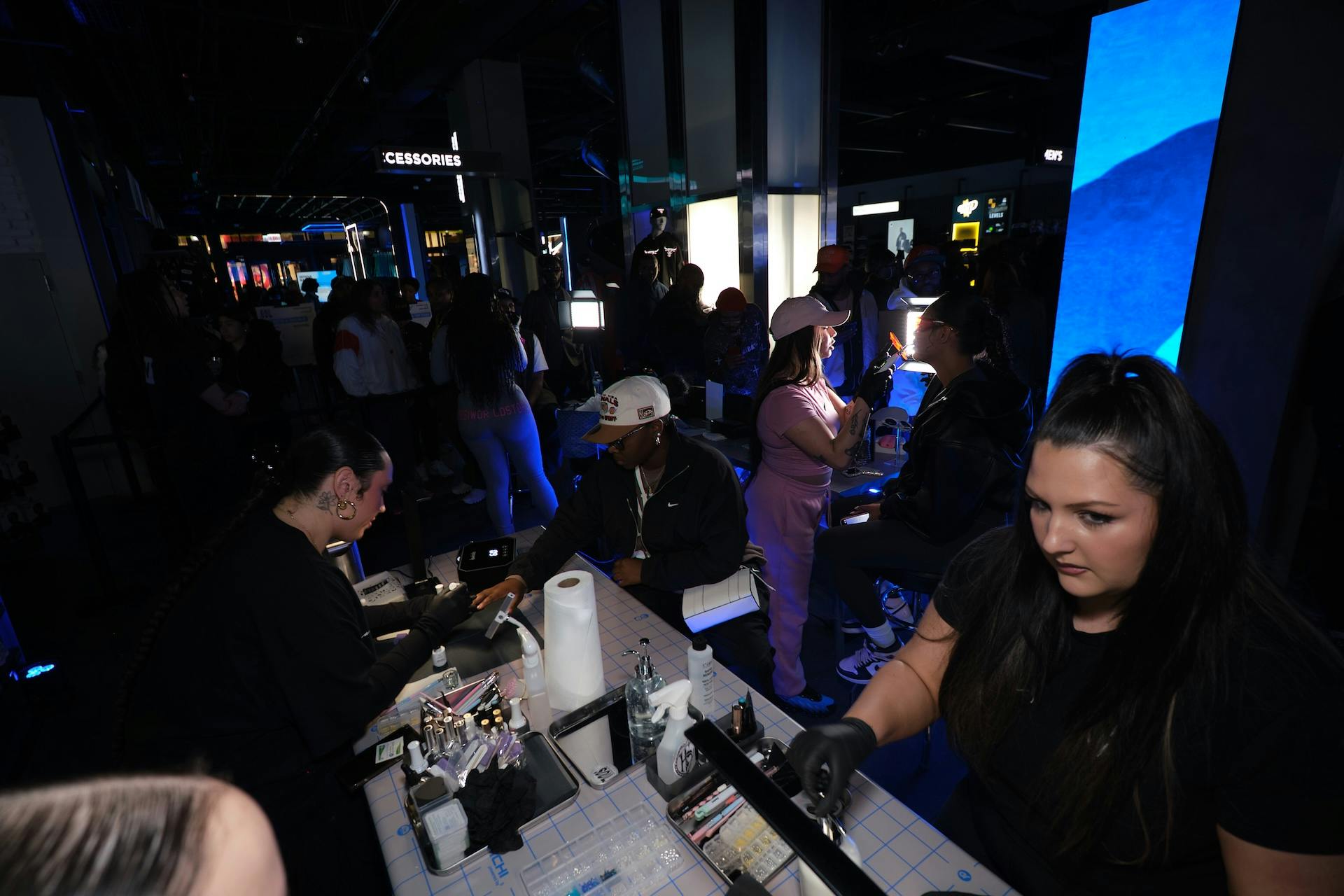
When design centers around the community, everything shifts.
Modular builds reduce waste. Compostable materials, scent-free spaces, and multi-language navigation aren’t perks; they are prerequisites. The most effective activations are co-built with local creatives, driven by peer participation, and shaped by feedback loops that keep real people at the center.
You’ll find emotional connection and trust-building fundamental to brand loyalty, far beyond what traditional ads accomplish.
The impact is measurable:
Up to 40% lower customer acquisition costs, longer retention cycles, and stronger emotional ties.
Inclusivity, in this case, doesn’t mean checking boxes. It means designing for every body, every ability, and every background, and, most importantly, doing so with intention. That’s exactly why brands that integrate sustainable and community-first frameworks are outperforming those that rely on aesthetics alone.
WONU moves past the performative. Our method is holistic, precise, and grounded in real cultural fluency. As a Black-owned, women-led agency, we don’t retrofit equity. We lead with it. Because loyalty isn’t given. It’s earned through care, creativity, and connection.
6. Experiential ROI Now Starts with Emotional Impact
With so many brands competing for attention, immersive, memorable experiences are now more valuable to consumers than traditional approaches, something 72% say shapes their loyalty.
In 2026, measuring the success of an experiential campaign means looking beyond headcount or hashtag reach. The focus should be on tracking what moved people; what they felt, remembered, and carried into future interactions with your brand.
The metric has shifted from visibility to vitality. From impressions to impact.
As many as 74% of Fortune 1000 brands are now increasing their experiential budgets, driven by results that outperform static media and the 38.34% measurable success rates.
However, real ROI isn't defined by spend alone; it comes from capturing the moments that spark advocacy and change behavior. Time on site, user-generated content, and sentiment analytics currently serve as the new success indicators.
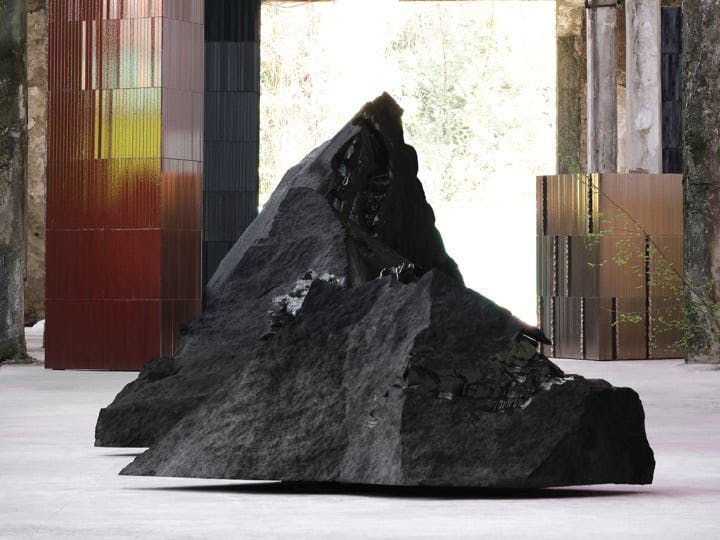
You need more than foot traffic; you want proof of impact.
This evolution has also brought rise to Return on Experience (ROX), a deeper layer of analysis that takes emotional resonance, shareability, and post-event loyalty into account. AI-assisted tools can measure how long guests linger, how often they engage, and what they say about the experience, both during and after.
It’s a more nuanced picture, one that reflects the full life cycle of a brand encounter.
At WONU, we engineer experiences designed to be felt first, then shared, then remembered. Our team’s approach brings rigor to the emotional: tracking resonance, mapping influence, and transforming cultural moments into sustained business results.
Because lasting ROI starts with how your brand makes people feel, and we believe that feeling should be unforgettable.
7. Social Amplification Is Built Into the Blueprint
In 2026, shareability isn’t an afterthought; it’s a design principle.
The most successful experiential campaigns are built for the scroll, the story, and the side conversation. From iconic backdrops to challenge-driven activations, every moment is created to travel beyond the room and live online long after the event ends.
This approach is more than a visibility play.
It extends the campaign’s lifespan and reduces customer acquisition costs by turning your participants into distribution channels. Short-form video, interactive filters, and co-created challenges make it possible for branded content to move organically across various communities, gaining traction with each repost, remix, and reaction.
Today’s audiences expect to participate. They want moments they can own, whether that means unlocking hidden rewards, playing through an AR challenge, or casting real-time votes that influence the outcome of an activation.
When these elements are intentionally layered into an experience, the results scale fast and stick longer.
At WONU, we choreograph shareability from the start. Every visual, prompt, and mechanic is created with cultural fluency and strategic reach in mind. It’s how we can turn physical presence into digital movement, translating on-site energy into wide-scale influence, without ever losing authenticity.
The Future You Can Feel
In a world where attention fades fast, impact belongs to the brands that spark something real.
Whether it's an artful pause, a communal ritual, or a personalized journey that lives on through story and share, experiential marketing in 2026 is about meaning, not noise.
It's not enough to show up. You need to resonate.
WONU partners with brands ready to design for emotion, equity, and measurable impact. If you're thinking ahead, let's create something bold, data-driven, and truly unforgettable.
Get in touch and future-proof your strategy with precision and soul.
Let's build
If you're thinking about how your brand shows up in the world, we'd love to hear from you.