

User Flow & Physical Space:
Designing Movement That Drives Engagement
User flow and physical space can shape how people move, decide, and engage the moment they step inside.
Before a product is touched or a conversation begins, visitors are already reacting to layout, visibility, and cues that signal what to do next.
When that experience feels unclear, momentum fades fast. But when it feels intuitive?
People lean in, explore, and stay longer.
The difference isn’t aesthetics. It’s whether you’ve mapped the physical path before anyone took their first step. Remember, movement is never random, and neither is engagement. The brands that get that design for both from the start.
Continue reading to learn more.
Why User Flow Drives Performance in Physical Space
When someone steps into a pop-up or brand activation in SoHo, they start making decisions immediately.
Where do they look first? Which direction feels natural? What signals that something in there is worth their time?
These decisions happen fast, and most of them are not conscious.
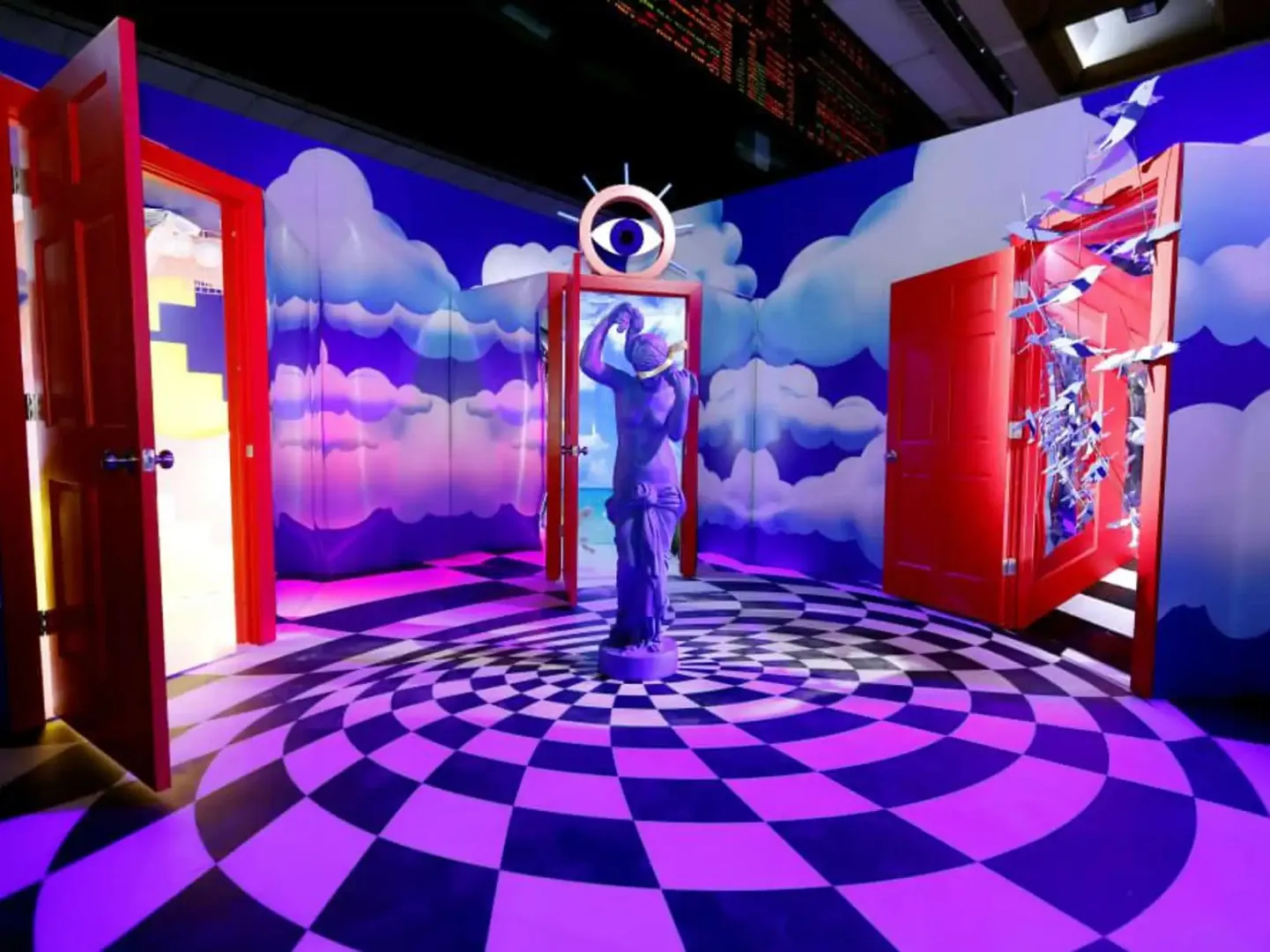
User flow, in a physical context, is the structure behind those decisions. It’s how space guides movement, how movement shapes attention, and how attention ultimately leads to action.
Compared to digital environments, where paths are explicit, physical spaces rely on spatial cues, visibility, and instinct.
Motivation may bring someone to the door. Flow determines whether they move, engage, and stay.
If the entry point feels unclear, people hesitate. If the next step isn’t obvious, they slow down and, possibly, even leave, because when movement breaks, attention follows.
And once attention drops, the opportunity is gone.
Physical environments are anything but static. They operate as a sequence of decision points, each one either reinforcing momentum or disrupting it based on how clearly you've designed the path forward. Clear pathways, strong visual anchors, and intuitive transitions; these serve as visual anchors that guide visitors through each decision point without conscious effort.
That sense of ease keeps them engaged and open to interaction.
WONU helps you design the path with intention. Do that, and the results follow.
How People Move Through Physical Spaces
Understanding user flow starts with observing what people actually do, not what we expect them to do.
Movement through a space is rarely linear. More often than not, it’s shaped by instinct, visibility, perceived effort, and immediate reward. Every step reveals intent, and every pause signals a decision point.
When you read that movement correctly, you can design for it. But ignore it, and even a visually striking space ends up underperforming.
Entry Points, First Impressions, and Three-Second Decisions
The first few seconds inside a space determine everything that follows.
Before someone fully enters, they pause. They scan. They assess whether the space feels clear, inviting, and worth their time. That hesitation tells you everything.
It’s where the flow either begins or breaks.
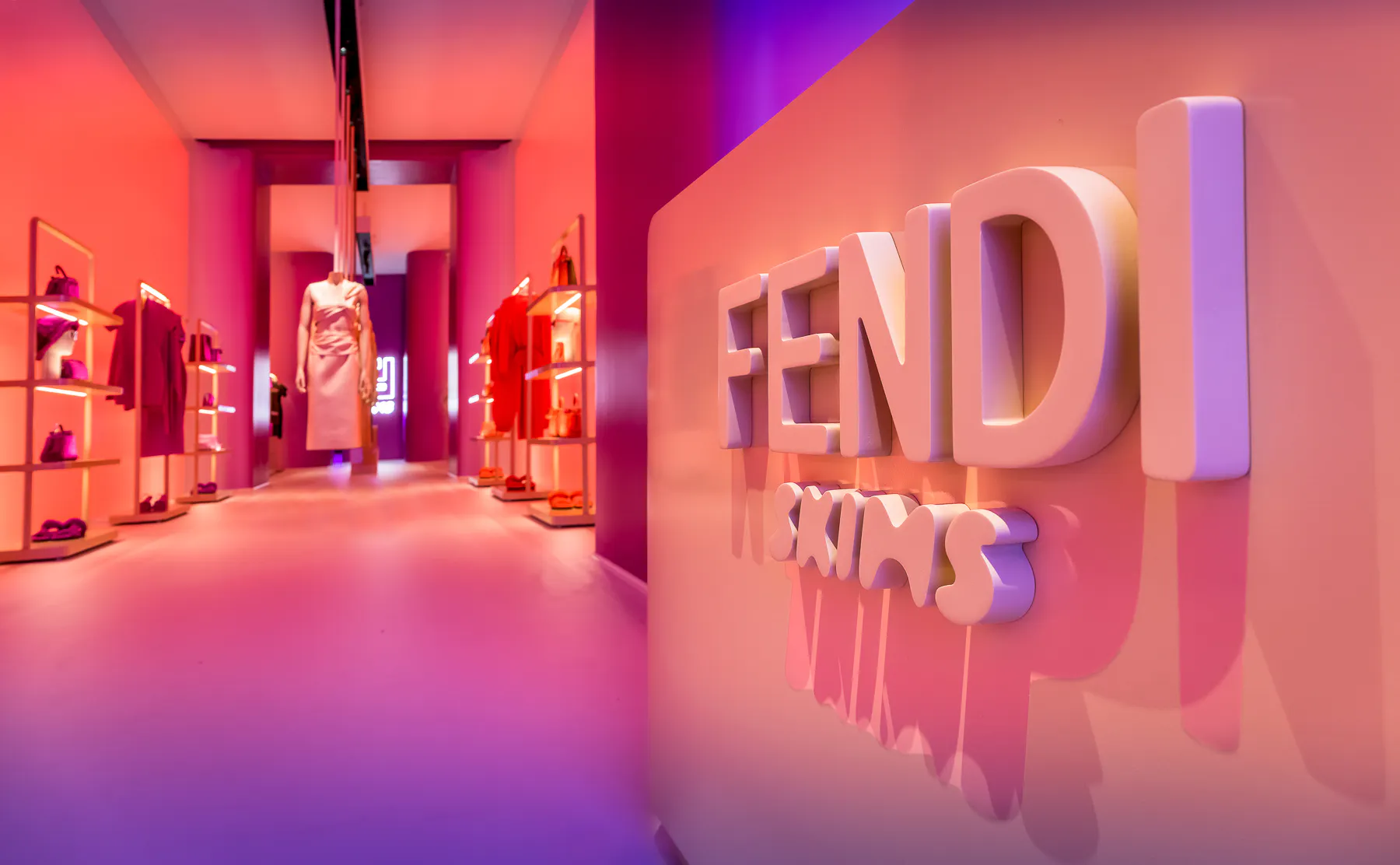
Strong entry points remove friction immediately. Visitors should be able to answer three questions without thinking:
- What is this space about?
- Where do I go first?
- What do I get if I step in?
If those answers aren’t obvious, people keep walking.
Entry behavior can be measured in multiple ways, from threshold tracking and overhead sensors to direct observation. Quantitative tools cover the when and where, while qualitative context helps explain the why. Employ them together, and patterns start to emerge quickly:
Certain visuals pull people in. Others create uncertainty.
But the most effective spaces? They treat entry as a performance layer, not an afterthought.
Dwell Time and What It Really Signals
Traffic alone doesn't tell the whole story. You’ll need dwell time analysis to separate the curious from the committed.
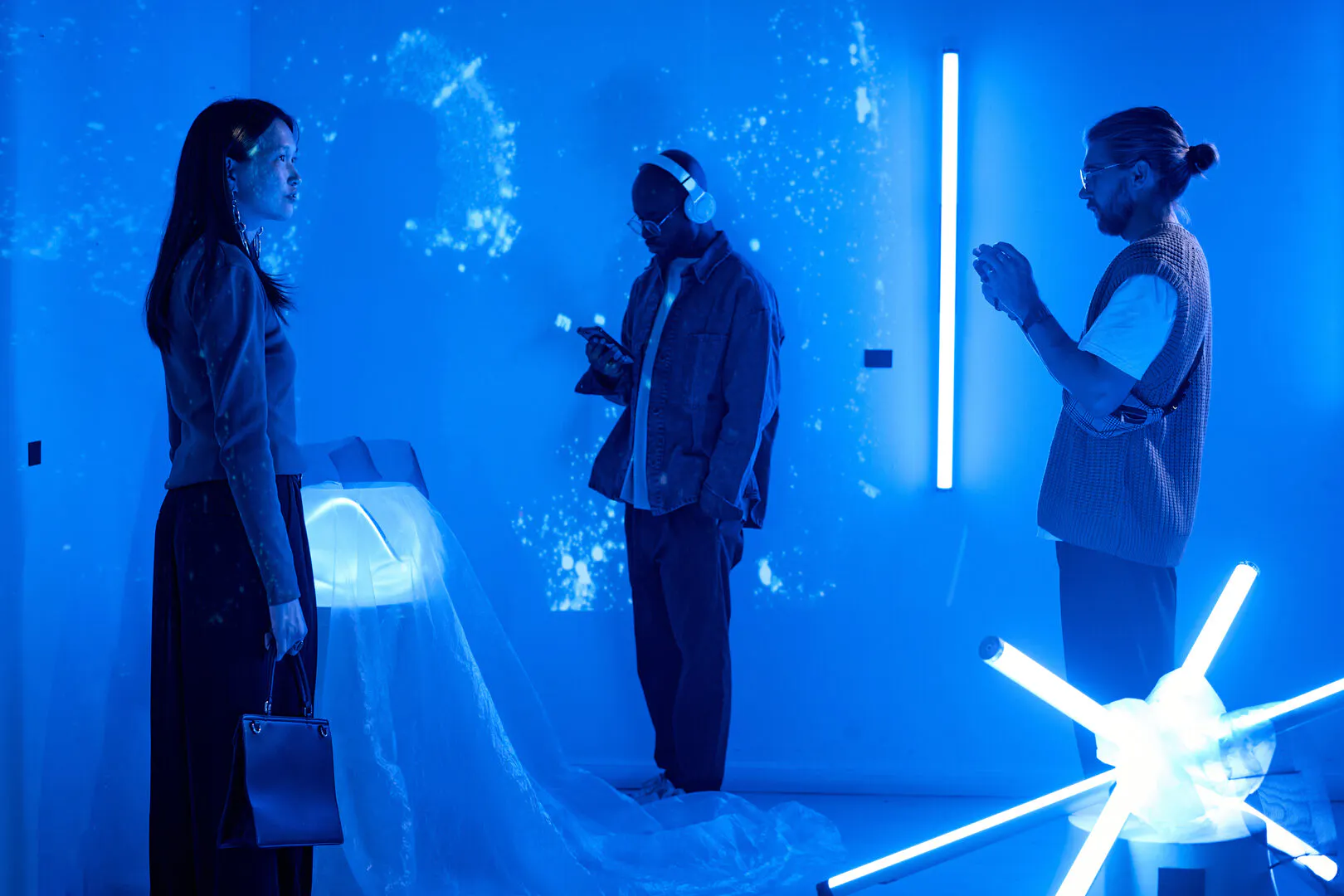
Where people choose to stop, and how long they stay, tells you what is working inside the space. A quick pass-through signals low engagement. But when a visitor decides to linger near a product demo for three minutes instead of thirty seconds, that's measurable interest, not coincidence.
And a longer pause signals curiosity, consideration, or intent.
Foot traffic shows volume. Dwell time shows interest.
This metric becomes particularly useful during peak traffic windows. The truth is, crowded doesn't always mean engaged.
High traffic can still produce shallow interactions if nothing holds attention. And, on the other hand, quieter periods might reveal where real engagement happens.
That’s where flow connects back to performance:
The longer someone stays in a high-value zone, the higher the likelihood of interactions, conversion, and recall, making dwell time a critical indicator of both immediate and future revenue potential.
Path Patterns and What They Reveal About Intent
Movement patterns are behavioral signals. They show what visitors are looking for and how easily they can find it.
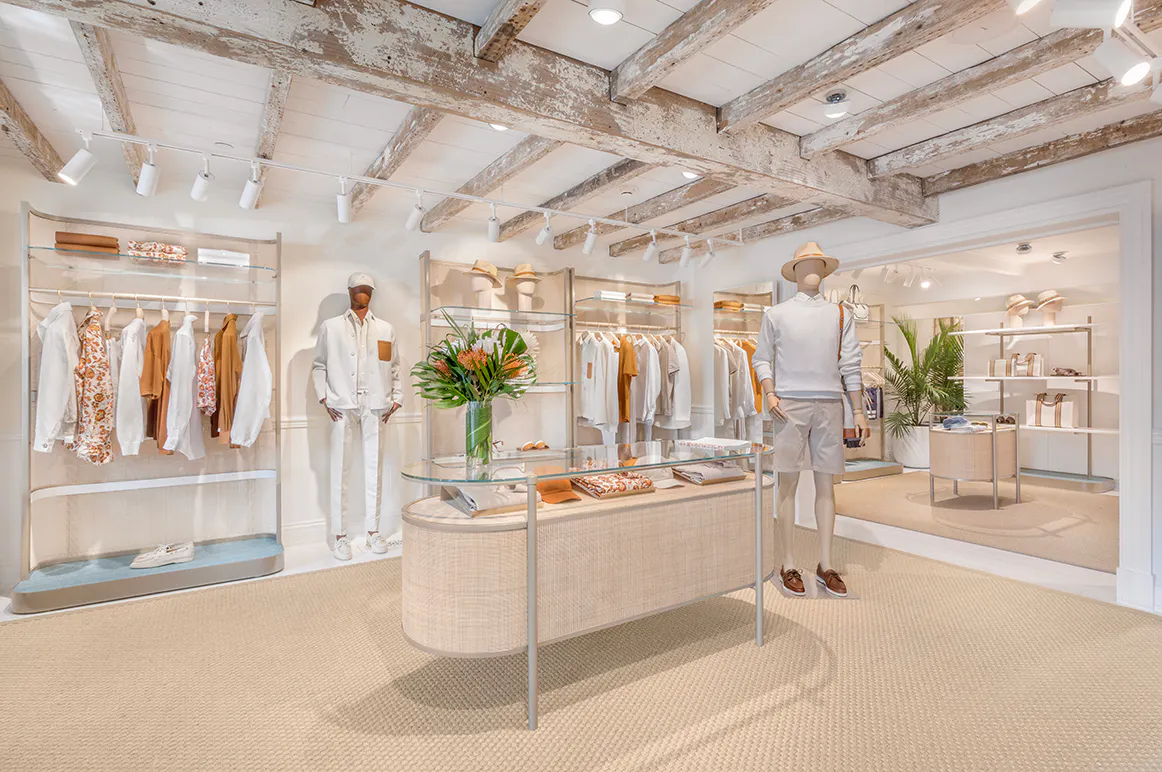
Some visitors move with purpose. Others merely explore. That’s why you’ll see some skim the perimeters, while others head straight toward a focal point, like product demos or consultation tables. These paths are shaped by what the space makes visible and accessible.
Track which routes the attendees actually take, from direct paths and pauses at thresholds to backtracking and clusters forming around high-interest zones.
The first few steps inside a space often predict the entire journey. If the path forward feels intuitive, people continue. If it feels uncertain, they disengage.
Clear sightlines, intentional placement, and strong visual anchors guide movement without forcing it. The goal isn’t to control every step, but to remove friction so visitors move with confidence.
WONU understands that movement. That’s how we shape experiences that hold attention and drive action from the first step to the last.
Plan User Flow Before You Design the Space
Strong physical spaces aren’t designed from the outside in. They’re built around movement, because most booth failures happen long before anyone hammers a single nail.
User flow should be mapped before the layout, materials, and any visual direction are finalized. If that path is unclear at the planning stage, no amount of “polishing” will fix it later.
That’s where strategy does the heavy lifting.
You’re not designing a booth yet. Right now, you’re designing how people move through it.
Define Primary and Secondary Visitor Journeys
Not every visitor moves the same way, and not every visitor should.
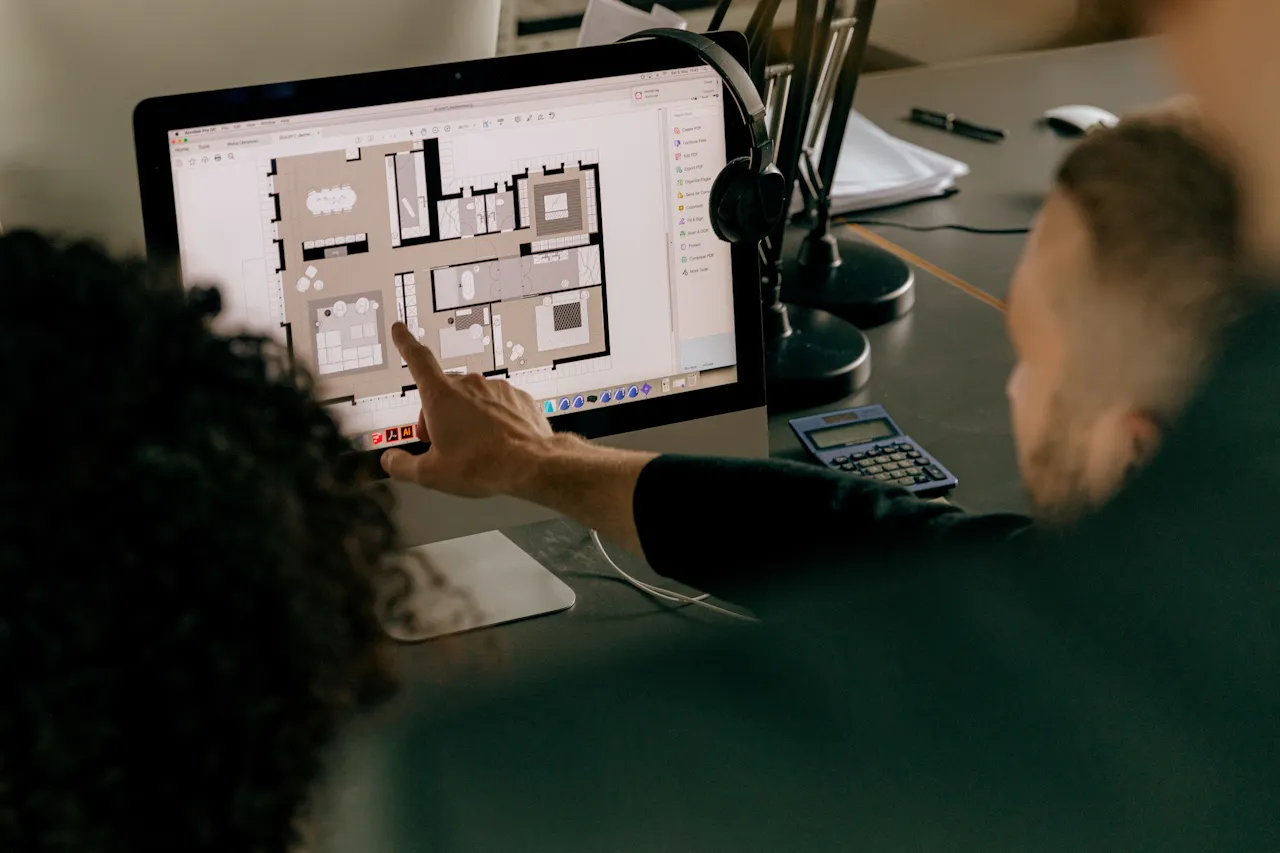
A primary journey reflects your ideal path. It’s how you want the majority of visitors to enter, engage, and progress through the space, and, as such, should lead directly to your highest-value moments.
Secondary journeys account for everything else. Browsers, pass-through traffic, and visitors with limited time all move differently. If you ignore them, they disengage early.
You need to map both and, most importantly, layer in alternatives to that primary journey. That’s how the space becomes flexible without losing direction.
Turn Traffic Data Into Spatial Decisions
Once movement patterns and key moments are defined, they need to be translated into a physical space. That’s where you apply layout design principles that match human behavior instead of fighting it.
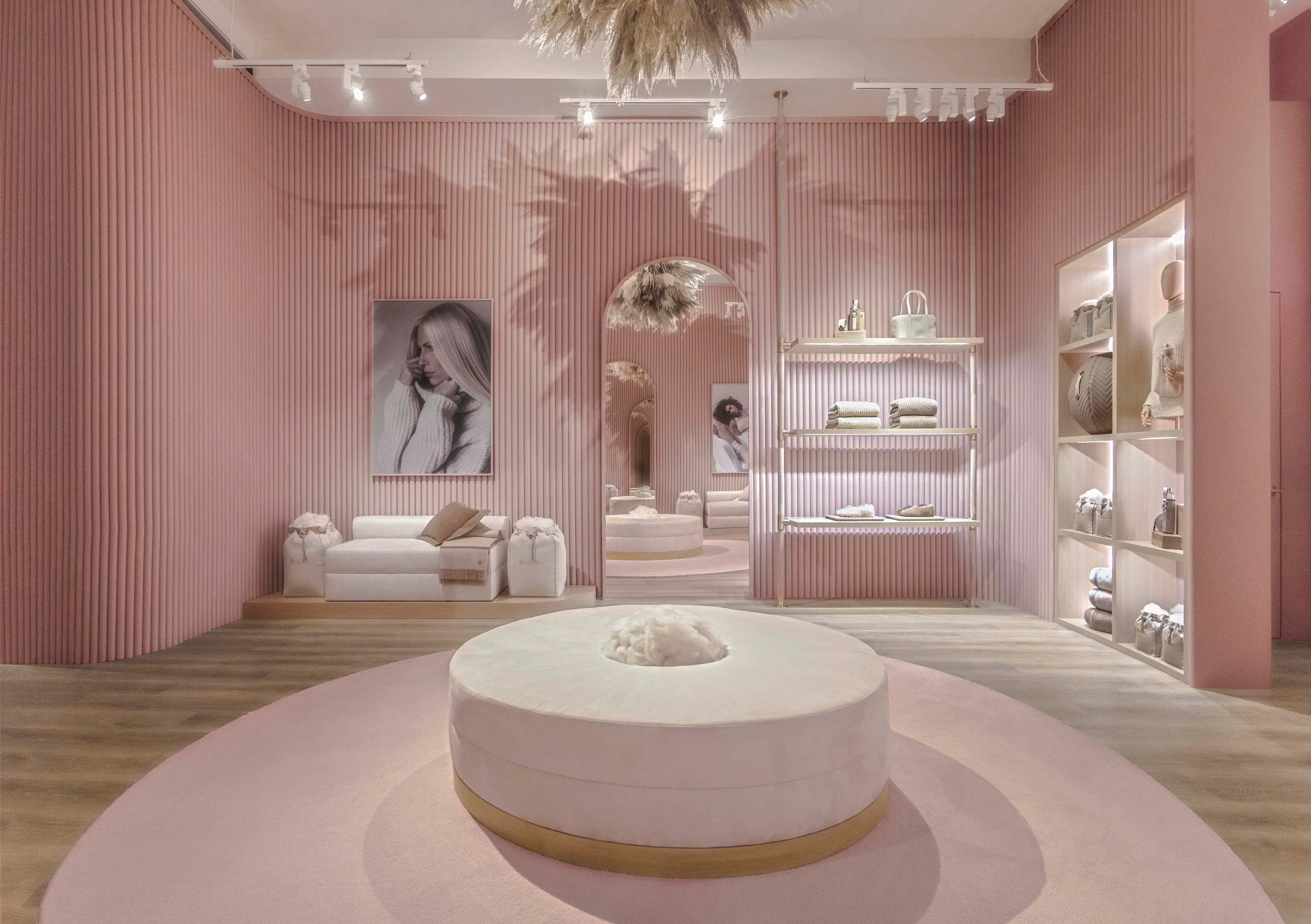
Behavioral insights should directly inform decisions like:
- Placement of high-impact elements in high-traffic zones
- Width and positioning of pathways to prevent congestion
- Location of interactive areas where people are already inclined to stop
- Sightlines that reveal key moments from a distance
- Openings that allow easy entry and exit without confusion
That’s how you remove guesswork. Instead of designing based on preferences, you design based on how people actually move. Plus, it prevents common failures, including dead zones, bottlenecks, and missed opportunities that typically stem from ignoring flow early on.
When the flow is clear, every design decision that follows has purpose. WONU maps it with care.
Designing Physical Spaces That Guide Movement Naturally
Once the user flow is mapped, design becomes the tool that brings it to life.
At this stage, every decision should support movement. Not force it, not overcomplicate it, but guide it in a way that feels effortless. The goal? Remove potential frictions, clarify choices, and create momentum from entry to exit.
[image]
That’s where spatial design shifts from visual to functional.
Visual Hierarchy and Sightlines
People don’t read spaces. They scan them.
Visual hierarchy determines what gets seen first, what holds their attention, and even what fades into the background. Without it, everything competes. But with it?
Attention is directed with precision.
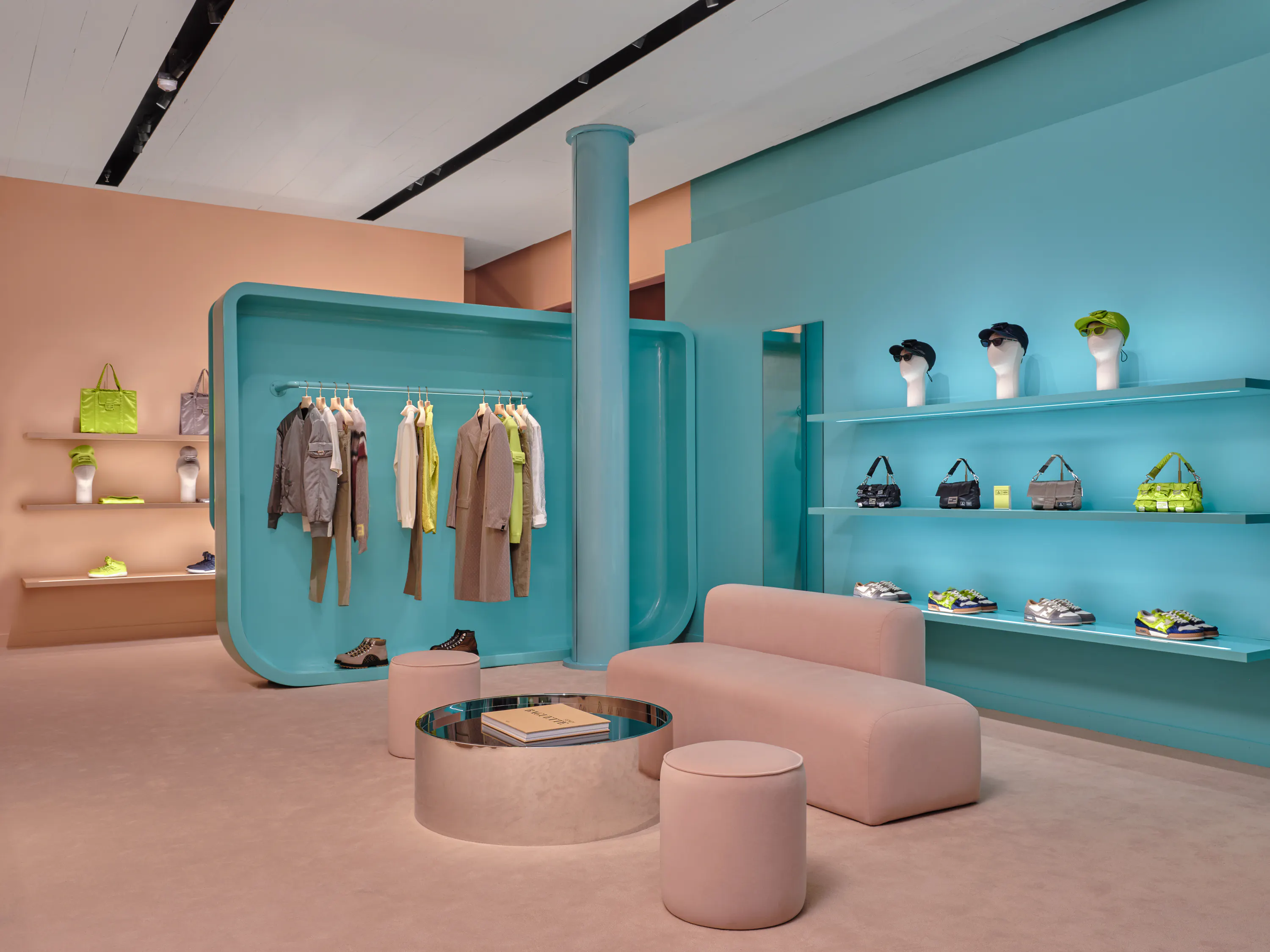
Here are the key elements that help you shape that hierarchy:
- Scale, where larger elements signal importance
- Contrast, where color and light isolate focal points
- Positioning, where eye-level placement increases visibility
- Spacing, where separation reduces visual noise
Sightlines extend this further. When someone enters a space, they look for anchors that tell them where to go next. So, make sure that those key moments are visible from multiple angles, and that movement feels guided without instruction.
Clear Navigation and Intuitive Pathways
Navigation in physical spaces should feel obvious and easy to follow without relying on excessive signage and explanations, with your floor plan answering questions before they even form.
[image]
That’s how you prevent frustration:
By maintaining a clear structure that guides customers naturally through the space.
If visitors have to stop and figure out where to go, the flow is already broken.
You can mark these zones with cues like material shifts, lighting changes, and color breaks. Even strategic staff placement can help reinforce direction.
Remember:
Clear paths reduce cognitive friction. When customers understand where they're going, they relax into the space and stay longer. User engagement climbs when navigation feels obvious, not clever. Hesitation kills momentum.




Dwell Zones vs. Transition Zones
Not every part of a space serves the same purpose.
Some areas are designed for movement. Others are designed for stopping. Understanding that difference is critical to maintaining flow.
[image]
Floor plans don't show you where time slows down. But dwell zones do. These are the spots where guests pause, lean in, try something on, or reach for their phones to share what they're seeing. Movement zones such as corridors, entryways, and connecting areas, on the other hand, are there to move guests from one moment to the next.
And user engagement? It lives in the dwell zone.
That's where brand moments happen, where conversions form, where memory sets in.
But when these zones aren’t clearly defined, movement might slow in the wrong places, and engagement might suffer where it matters most.
Messaging Hierarchy Across the Space
Before any interaction happens, the space has already communicated something.
That’s the role of messaging hierarchy in a physical space. It ensures that the communication happens in the right order. It's about directing attention with the same precision you'd use to choreograph movement.
Content matters, but so does placement:
High-priority messages belong at entry points and along primary sightlines. Supporting information should appear where people naturally pause. Final prompts should be positioned where engagement peaks.
Without this structured approach, physical spaces risk the same inconsistent communication that plagues brand consistency across digital channels.
WONU designs with intention. That’s when engagement stops being a challenge and starts becoming the default.
Test and Refine User Flow Before and During Activation
Even the most thoughtful design needs validation.
User flow is not something you can set once and hope it performs. It has to be tested before the build and optimized in real time once people enter the physical space. This is where assumptions are replaced with actual behavior.
The goal is simple:
Identify friction early, fix it quickly, and refine continuously.
Prototype Layouts and Walk-Through Simulations
Flow issues are easiest to fix before anything is built.
Prototype iteration starts with basic mockups:
Tape out booth navigation paths, place stand-ins for screens or sampling stations, and walk them yourself. Then, bring in visitors who match your audience profile, and observe their behaviors closely. Watch where they pause, pivot, or miss cues entirely.
Their behavior exposes gaps between intention and reality.
Small adjustments at this stage prevent expensive mistakes later.
Use Heatmaps, Dwell Time, and Traffic Tracking
Once the space is live, data becomes your most valuable asset.
Heatmaps show where attention concentrates and where it drops off. Dwell time reveals how long visitors engage within particular zones. Finally, traffic tracking can highlight movement patterns, bottlenecks, and exit behavior.
Together, these metrics answer critical questions:
Which areas attract and hold people’s attention? Where do they move without engaging? Which paths are overused or underutilized? How does movement align with your intended journey?
This isn’t about collecting data for reporting. It’s about using real behaviors to inform improvements on-site and sharpen every future decision about your booth design.
Identify and Fix Dead Zones Early
Remember, traffic doesn't lie.
A booth can be perfectly constructed and still hemorrhage visitors at the entry. And dead zones are where flow tends to break.
They’re the areas people avoid, move through too quickly, and even abandon entirely, typically as a result of poor visibility, unclear purpose, or physical constraints that disrupt movement. Think blocked or unclear entry points, narrow corridors, poor lighting, and overloaded, cluttered areas.
Dead zones are not always obvious in plans. They become visible through movement patterns and on-site observation.
The key is to catch them early and correct the friction before opening day.
Test with intention, refine with data, and let real behavior shape the final experience. WONU can help.
Connect Booth Engagement to Measurable Results
User flow doesn’t end when someone leaves the space.
If movement is designed well, it creates momentum. And that momentum should carry into measurable outcomes, not disappear at the exit.
That’s where spatial design connects directly to ROI.
The goal?
Make sure that every step inside the space supports what happens after.
Capture Contact Data Without Breaking Flow
Most brand activations end the moment the guest walks away.
That's the disconnect. You've spent weeks shaping the spatial experience, only to lose the thread because visitor engagement never became contact collection.

That said, data capture should feel like a part of the experience, not a separate task.
When it interrupts movement or feels transactional, visitors disengage. You need to keep it embedded into high-interest moments. That’s when visitors move from engagement to action without friction.
For example, you could try QR codes linked to mobile forms and synced to your CRM, interactive displays that reveal content after a quick email sign-up, photo booths or giveaways tied to simple digital forms, and lead capture tools as a part of staff interactions.
Think about placement, too. Your main capture points should sit where attention is already high, not at the edges where energy drops.
Connect In-Booth Behavior to Post-Event Follow-Up
Not all visitors are equal, and their behavior tells you why.
Someone who actually spent time in a product demo or scanned a code has a completely different intent than someone who merely passed through. And similarly, someone who interacted multiple times signals a stronger interest than someone who scanned once and left.
Once guests leave, your actual work begins. That’s where you turn flow into intelligence.
Behavior inside the space should inform what happens next.
Segment contacts based on dwell time and interaction type, and trigger follow-up communication while the experience is still fresh, so you don’t lose that momentum. If someone abandoned a form halfway, you can send a shorter prompt. If they completed it, route them to sales with context attached.
Speed matters, but relevance is key:
When the follow-up reflects the in-person experience, it feels connected, and that connection is what helps drive conversion potential
Where Strong Spatial Design Delivers Real Impact
Most exhibitors think their booth failed because of bad visuals or weak messaging. They're wrong.
The real killer?
Ignoring how people move through space.
When user flow and physical space are aligned, people move with confidence, engagement feels natural, and every interaction builds toward something measurable.
The experience doesn’t end at the booth. It carries forward into relationships, conversions, and long-term brand recall.
That’s the difference between a space people pass through and one they remember.
WONU approaches every environment with that level of precision. Get in touch when you’re ready to build something that moves people and delivers results.
Let's build
If you're thinking about how your brand shows up in the world, we'd love to hear from you.