

Blending Hospitality and Retail:
Creating Stores That Feel Like Destinations
Blending hospitality and retail is transforming how brands connect with people. Today’s customers want more than shelves and checkouts; they crave spaces that feel alive, personal, and worth lingering in.
From in-store cafés that spark conversations to lounges that can boost dwell time and art installations that shape emotion, the new retail experience feels less like a transaction and more like belonging.
The most forward-thinking brands aren’t simply adding comfort; they’re designing environments that reflect care, culture, and community.
But how do you balance atmosphere with performance and design with operational precision?
This guide explores how you can create immersive, emotionally intelligent retail spaces that inspire loyalty and redefine what it means to shop.
Why Hospitality Belongs in Retail Now
Retail has entered its relationship era. Shoppers are no longer seeking transactions. They are looking for belonging, ease, and recognition. After years of digital fatigue, they crave places that feel human again; spaces that invite them to pause, explore, and connect.
Hospitality thinking meets that need. Across categories, stores that integrate service-driven design report longer dwell times, higher return visits, and greater loyalty. One recent study found omnichannel shoppers spend about 1.5 times more than single-channel guests; that’s a growth in revenue you can’t ignore.
The return is not only emotional. It is measurable.
Hospitality also reframes technology’s role. In fact, 82% of consumers think well-designed tech improves, rather than replaces, human connections, and more than three-quarters prefer brands that use automation to make service faster and smoother.
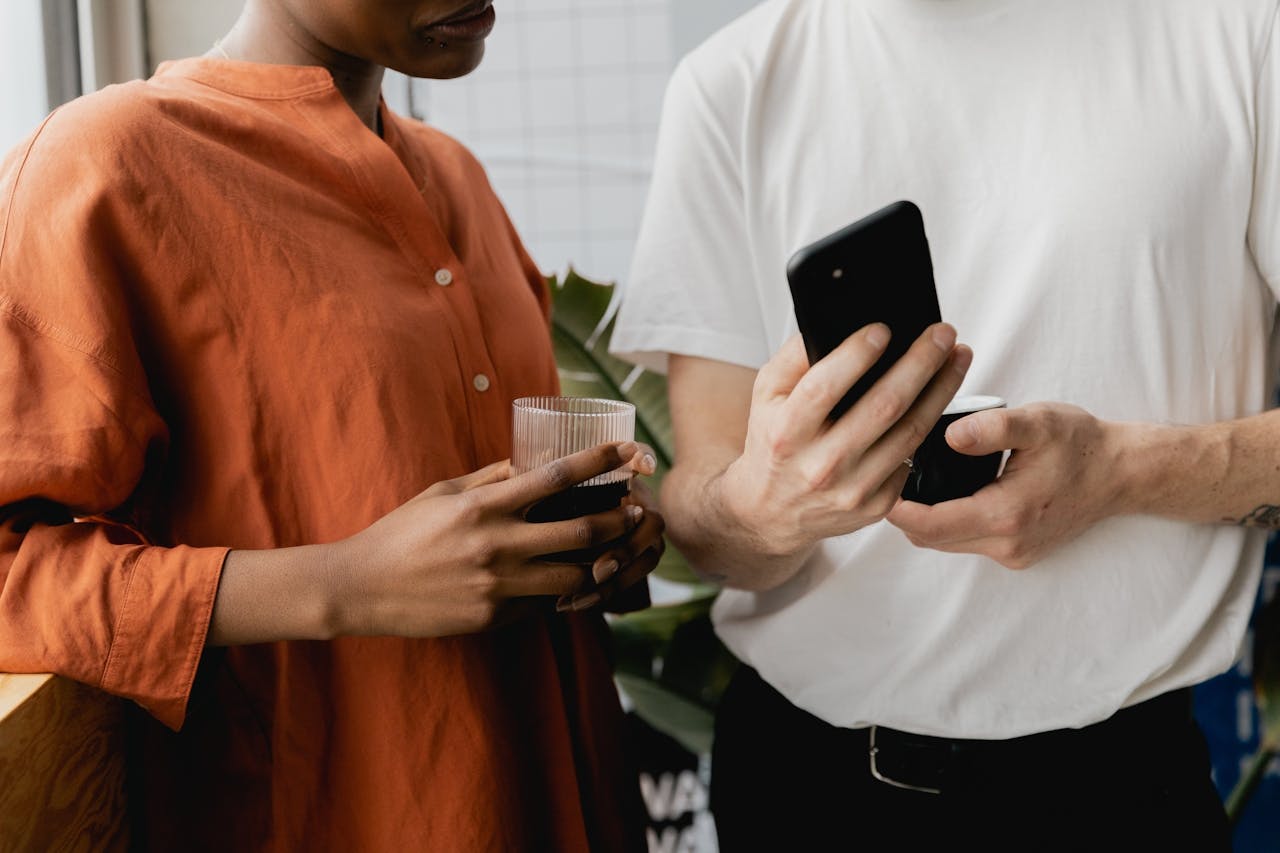
Whether it’s mobile checkout or personalized recommendations, the goal is the same:
A space that anticipates needs and feels effortless to navigate.
Travel has long set that expectation. Guests now expect personalization, seamless tech, and sustainable operations wherever they go, including retail. The brands that are meeting them there are building deeper relationships and transforming stores into cultural and lifestyle destinations.
At WONU, we help brands make that shift. Our team designs hospitality-caliber retail experiences that turn every visit into an act of care and every square foot into a lasting impression.
Designing for Dwell Time: The New Layout Language
In a culture that moves fast, the ability to slow down feels like a luxury. Retail spaces that master the art of the pause are rewriting how consumers experience shopping.
The thing is, hospitality-inspired environments invite the guest to stay longer, explore deeper, and connect more meaningfully with a brand’s story.
And the most successful stores now build dwell time into their floor plans.
Key dwell-time design strategies include:
- Micro-hospitality hubs. A coffee bar or beverage station becomes more than a caffeine stop; it becomes a moment of reset, an anchor for community and curiosity. With 73% of Americans now drinking coffee daily, these micro-experiences turn nearby intent into actual foot traffic. Designed well, they drive revenue and relevance while pulling customers from online discovery into in-store engagement.
- Comfort-driven layouts. Lounges that borrow from residential design use warm lights, soft sound levels, and intuitive sightlines to create comfort without distraction. Circular layouts can lift average basket size by 25–30%, while modular pieces result in more flexible spaces for workshops, drops, and solo moments.
Combined with biophilic materials and tactile finishes, these zones calm the senses and extend stay time.
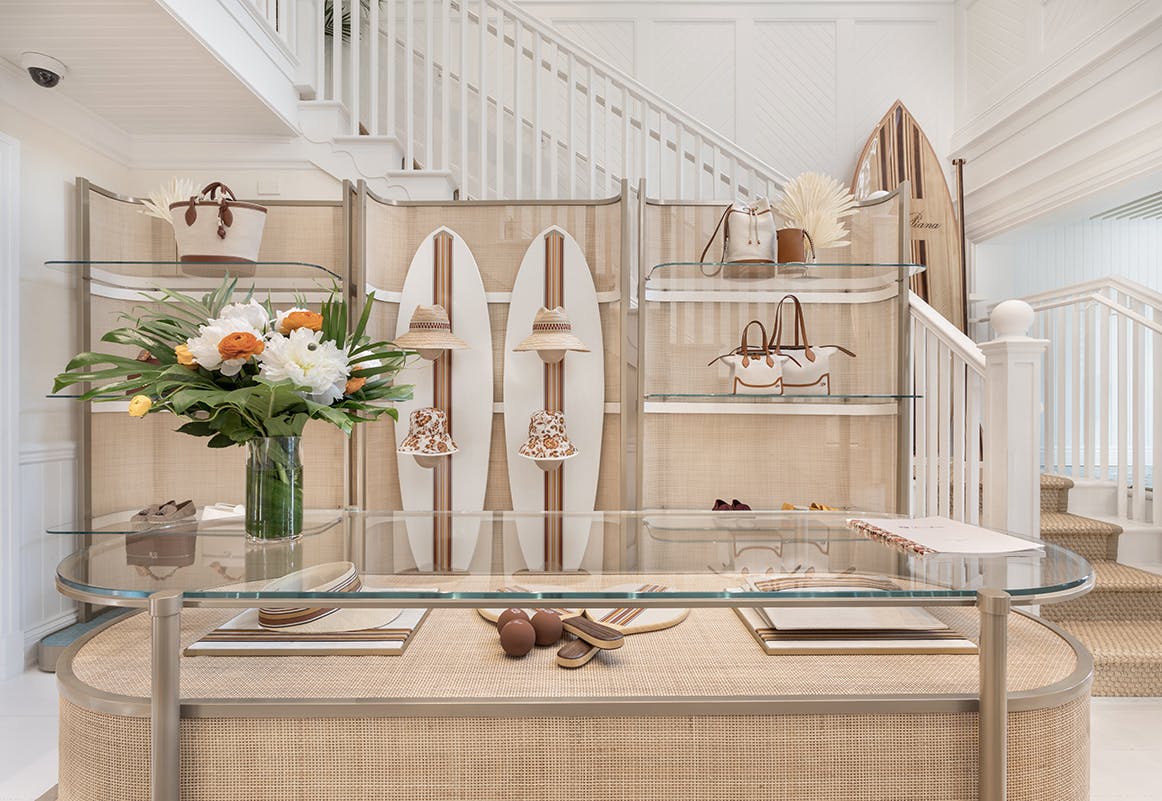
Every decision, from texture to traffic flow, signals care. The layout acts like a host, greeting, guiding, and grounding guests through subtle cues. And in the best spaces, comfort does not compete with commerce.
It fuels it.
WONU can translate hospitality principles into spatial strategies that balance beauty, function, and brand purpose. Our experiential retail work creates environments where people linger a little longer, spend with intention, and leave feeling cared for.
Sensory Storytelling: Making the Experience Felt
Great retail design can tell its story without saying a word. Every single sound, scent, texture, and light cue becomes part of a brand’s language:
A sensory conversation that shapes how people feel and move within a space.
When they are layered with care, those details turn stores into experiences guests remember long after they leave.
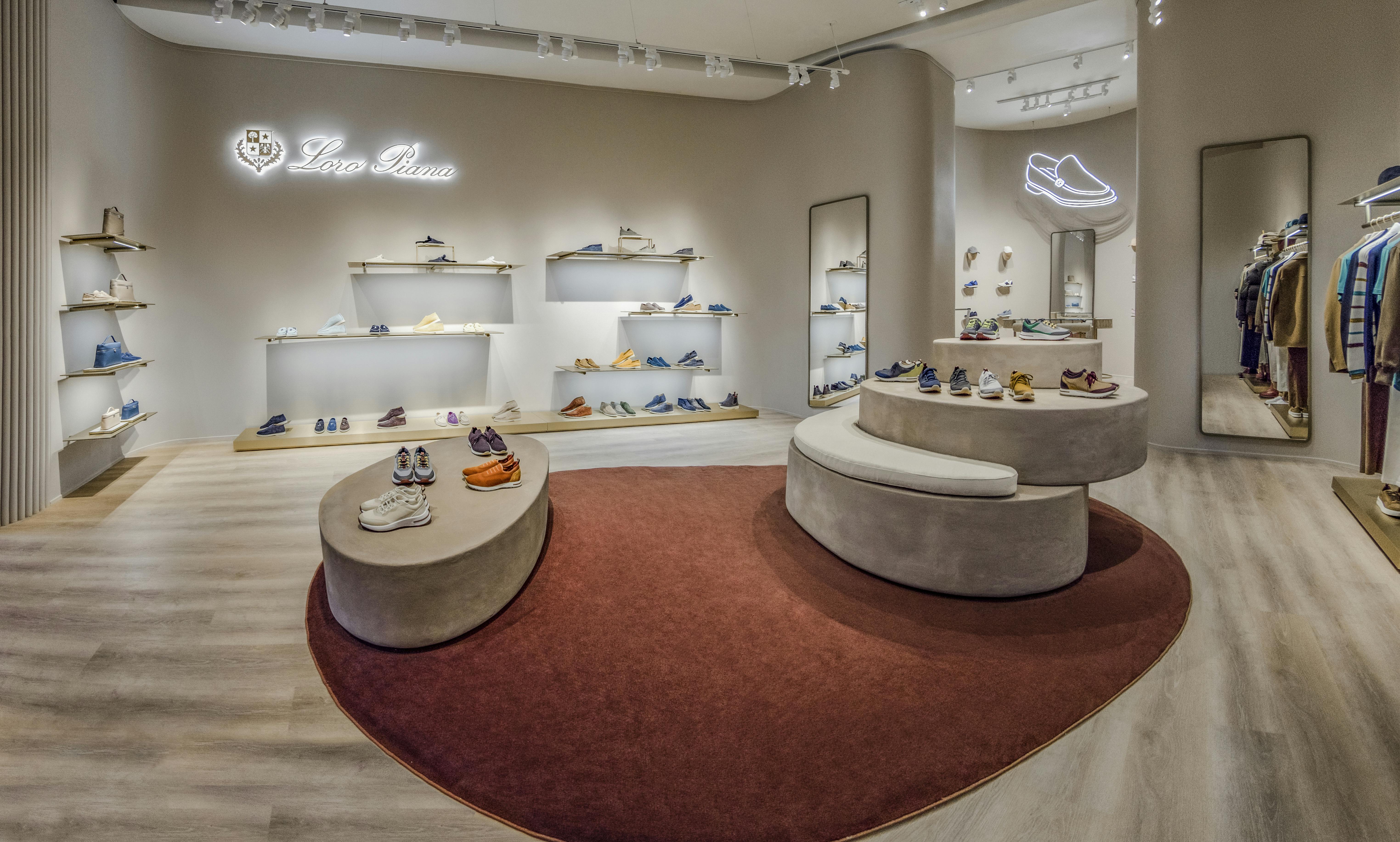
Hospitality-led retail relies on immersion, not instruction.
Here, the core elements of sensory storytelling include:
- Sound. Curate a playlist that mirrors the guest’s tempo; it can increase dwell time and spend. Soft white noise and biophilic soundscapes can help mask crowd noise, lower stress, and extend visits, too.
- Lighting. Go with lights that shift with the space (think warm in lounges, and cool near displays) to help customers settle in while keeping merchandise vivid.
- Scent. Keep the scents subtle and use them to complete the emotional signature, with lavender or vanilla for a calming effect, and citrus to energize.
- Texture. Tie it together with tactile contrast, so touch invites experiential engagement.
Of course, how people move through that atmosphere matters as much as what they sense. The first few feet inside the door should decompress the mind, easing that transition from street to retail. Keep it clean; that means no hard sells and no high-ticket bait.
Instead, use gentle lighting transitions and subtle flooring shifts to guide exploration without a single sign.
Dwell naturally deepens when guests feel both oriented and free to wander.
At WONU, we design sensory storytelling systems that unite emotions, function, and flow. Every material, sound, and scent earns its place in your brand’s narrative. Our work helps clients move beyond aesthetic appeal into experiences that feel grounded, human, and unforgettable.
The Human Layer: Hospitality Through Service and Care
Design draws people in, but care keeps them coming back.
You’ll notice that most forward-thinking retailers treat service as a design discipline in its own right:
A choreography of gestures, tone, and timing that transforms transactions into trust.
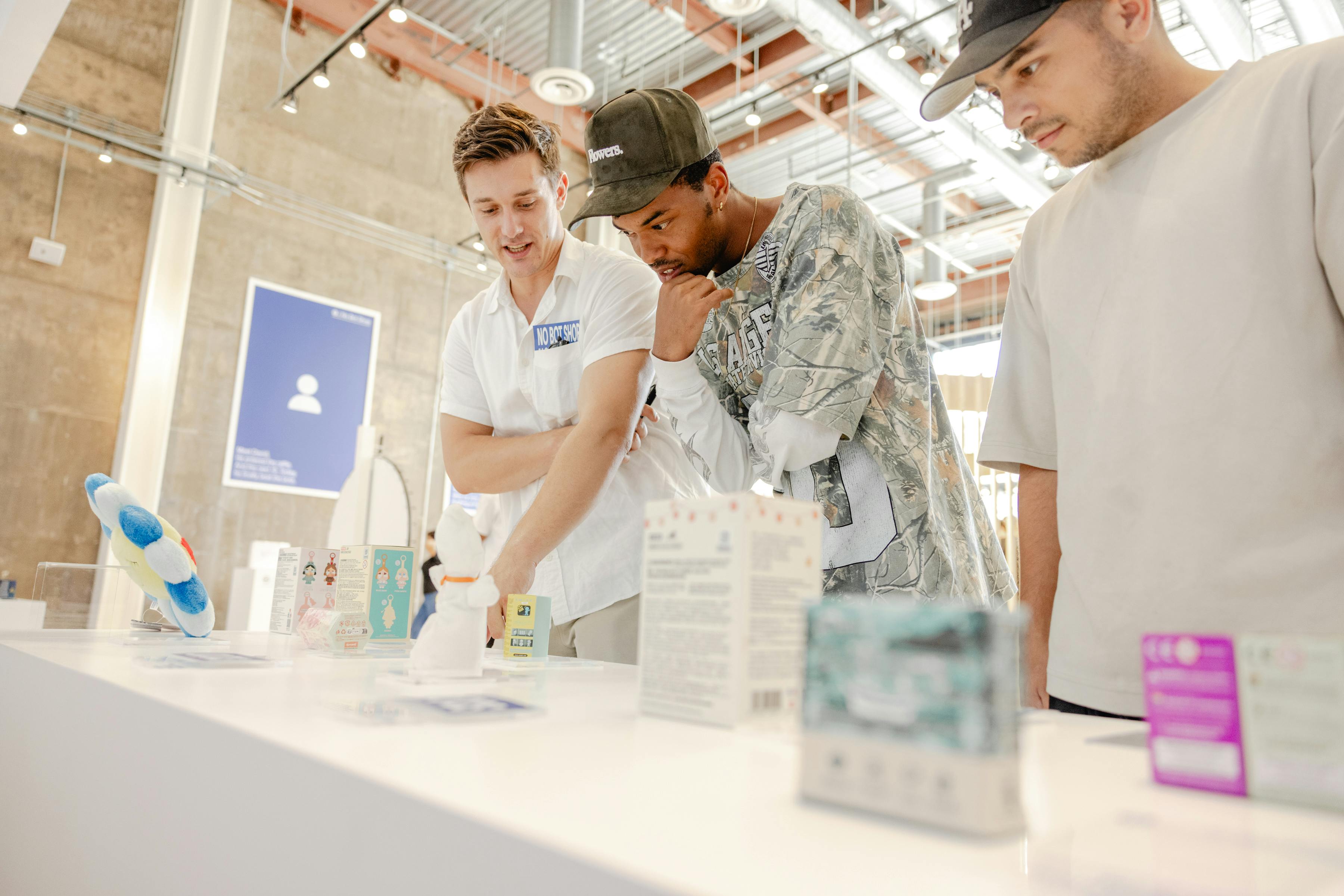
Let’s break down the anatomy of care-led service:
- Hospitality in retail lives in the little details, like greeting a client by name, offering the right size before they ask, or adjusting lighting when a fitting room feels too bright. These small anticipations build emotional equity. Whether supported by AI or delivered by human instinct, care becomes the signature that defines the brand.
- Personalization sits at the center of this. When the client’s profile informs every touchpoint, the experience feels less like service and more like recognition. Pairing staff intuition with smart data allows brands to scale empathy. It reinforces the same message; they’re seen, and they’re valued.
- Proactive care completes the loop. You win loyalty when you fix friction before it surfaces. When you can anticipate and address issues before they appear, you turn recovery into reputation.
- The balance lies in blending automation with human warmth. Consumers don’t mind tech and actually say it can improve service as long as it’s guided by empathy. And those who feel cared for spend more, stay longer, and return sooner.
WONU can help you scale hospitality without losing soul. We build care into every layer of the experience, quietly, consistently, and always in your brand’s voice.
Beyond Commerce: Art, Culture, and Education as Destinations
Retail is evolving into something more layered than a sales environment. Shoppers now seek meaning and belonging in the same spaces where they spend their time and their money.
As a result, galleries, classrooms, and creative studios are all taking root within the sales floor, turning transactions into participation.
Brands that integrate culture-forward programming consistently see stronger customer loyalty and longer dwell times. These activations might include:
- Rotating art installations that refresh the visual energy of the space
- Artist residencies or workshops that invite the community behind the curtain
- Educational exhibits that spark curiosity and deepen connection
Partnerships with museums and cultural institutions bring curatorial credibility while grounding a brand within its local context. A SoHo flagship, for instance, may host a live artist talk, while a Fifth Avenue salon could curate a rotating archive of design history.




Each initiative reframes retail as a civic space, one that’s alive with learning, dialogue, and shared identity.
Effective cultural programming requires both creativity and operational clarity. WONU bridges these worlds and delivers authenticity that feels distinctly New York, never generic. Our team’s cultural fluency, informed by our Black-owned, female-led perspective, helps brands turn culture into engagement that moves hearts and numbers.
Building the Third Place: From In-Store to Omnichannel Hospitality
A true third place earns its linger. It speaks to the senses before it ever speaks to the sale; think lights that soften shoulders, sounds that anchor mood, textures that invite touch, and scents that signal calm.
Every detail is part of a silent choreography designed to make guests feel seen, not managed.
Then, you layer tech where it actually deepens presence:
- Smart mirrors and AR try-ons that create moments of discovery that feel natural, rather than novel, and increase conversions by up to 40%
- Contactless touchpoints that streamline the flow
- CRM signals that tune the soundtrack, content, and service to real guest preferences
You are crafting immersive experiences, not stages for products. Let automation handle the transactional, so staff can host, guiding tastings, demos, and micro-rituals that actually build emotional connections.
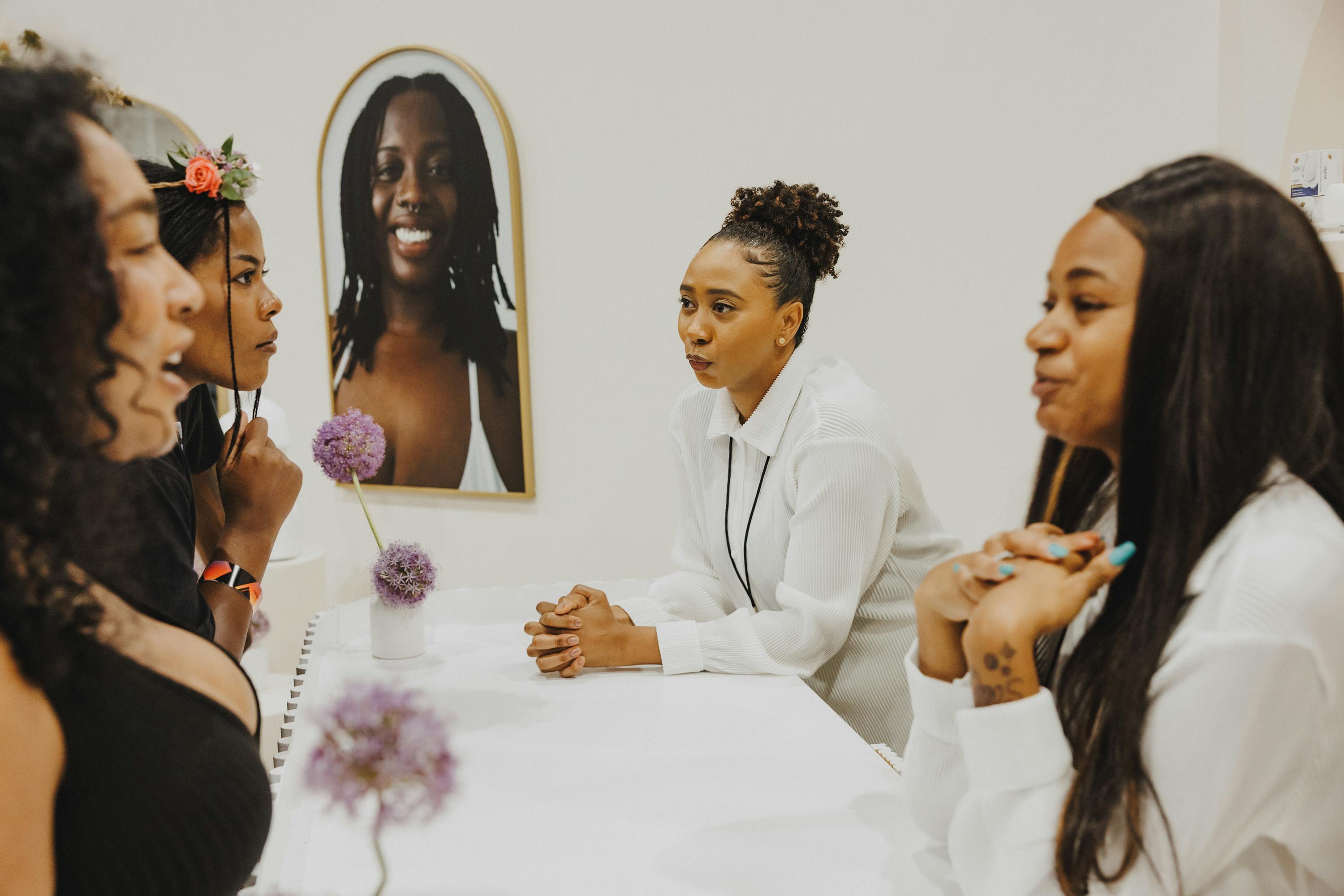
The experience continues beyond the store. Hospitality extends across every touchpoint the guest meets before, during, and after their visit. That’s where omnichannel integration comes in.
It ties mobile, store, and fulfillment into one intuitive journey.
A customer might book a fitting through an app, scan a QR menu to explore a product story, or receive a location-aware service prompt that feels timely rather than intrusive. The handoff between the digital and the physical should feel as polished as your lounge lighting.
Used with care, data becomes a hospitality tool rather than a marketing lever. When a barista remembers a name or a stylist preps a lookbook from past visits, personalization feels human, not engineered.
These moments lift satisfaction and loyalty, translating emotional connections into measurable conversion.
WONU crafts third places that exist between physical and digital worlds, balancing tech, tactility, and taste. The result is a brand experience that feels alive across channels, yet rooted in one shared truth:
Comfort that keeps people coming back.
Service Blueprints and Scaling the Hospitality Mindset
Hospitality becomes a brand advantage when it scales without losing soul. What begins as a pilot lounge or service ritual can grow into a network of spaces united by care, not sameness. To do that, brands need systems that translate warmth into process:
Service blueprints, accessibility standards, and sustainable operations that make consistency feel natural.
- Blueprint the service flow. Map every guest journey, from arrival to checkout, aligning front-stage scripts with back-stage prep. When the staff know the choreography (who moves, when, and why), service feels effortless. Then, tie in digital points through apps, loyalty platforms, and payments, so that transitions between channels stay invisible.
- Design for accessibility. It’s not an add-on; it defines modern hospitality. Design ADA-first layouts with clear paths, adjustable lighting, noise zones, braille and tactile cues that honor every body and ability. Extend the same inclusivity online with accessible mobile and e-commerce flows; the goal is to invite rather than exclude.
- Operate sustainably. Sustainability is part of the same operational DNA. Think smart HVAC, LED lighting, recycling, and local sourcing; it should be integrated into the design blueprint. Sustainable choices become hospitality when they improve comfort, air quality, and community wellbeing.
When a pilot pops, you don’t merely scale the vibe; you scale the system.
Codify what worked and create cross-functional teams that can bridge design, retail ops, IT, and service to move decisions fast and maintain agility as you grow. Then, lock your scaling strategies. And remember that data supports, but people deliver:
Automation should free teams to engage, not replace the human welcome.
Heading Toward the Future of Retail
Hospitality is no longer a flourish; it is the current that is shaping modern commerce. And when you design for care, your space becomes more than a store.
It becomes a rhythm of belonging, where every guest feels seen and every detail speaks.
That’s why the future of retail belongs to brands that understand that emotion and precision can genuinely coexist, and that beauty performs best when it serves.
At WONU, we help brands build that balance; spaces that move people and systems that sustain them. If you’re ready to turn your retail environment into a living expression of your values, connect with our team, and let’s start designing what’s next.
Let's build
If you're thinking about how your brand shows up in the world, we'd love to hear from you.