

B2B vs B2C Experiential Campaign Examples:
How Brands Connect in Different Worlds
When you compare B2B vs B2C experiential campaign examples, it’s immediately clear that these two worlds play by very different rules. What excites a consumer on the street won’t necessarily resonate with a C-suite executive, and vice versa.
While both rely on immersive, memorable moments to spark connection, the goals, audiences, and tactics behind them vary dramatically. That’s what makes comparing them so compelling.
Whether you are planning your first activation or refining a multi-market rollout, knowing how brands have successfully tailored experiences for business clients versus everyday consumers is key. It will give you a sharper sense of how each strategy plays out in the real world.
In this guide, we’ll break down the main differences and bring them to life with real-world campaigns you’ll actually remember.
B2B vs. B2C Experiential Campaigns: What Sets Them Apart?
While both B2B and B2C experiential marketing aim to create lasting impressions, the way they go about it could not be any more different. From the goals they chase to the tools they use and the emotions they tap into, these two approaches are tailored to very distinct audiences.
Here’s how the strategies diverge and why it matters when planning your next campaign.
Campaign Objectives and KPIs
The goals behind B2B and B2C experiential campaigns not only differ, they are built on entirely different definitions of success.
In the B2B space, every single campaign move is strategic and usually slow-burning. The focus? Building credibility, nurturing long-term relationships, and capturing high-value leads.
Think curated executive experiences, technical product walkthroughs, and industry workshops that double as educational platforms. These events aim to position a brand as a trusted partner rather than a vendor, so KPIs are all about lead quality, pipeline influence, and thought leadership impact.
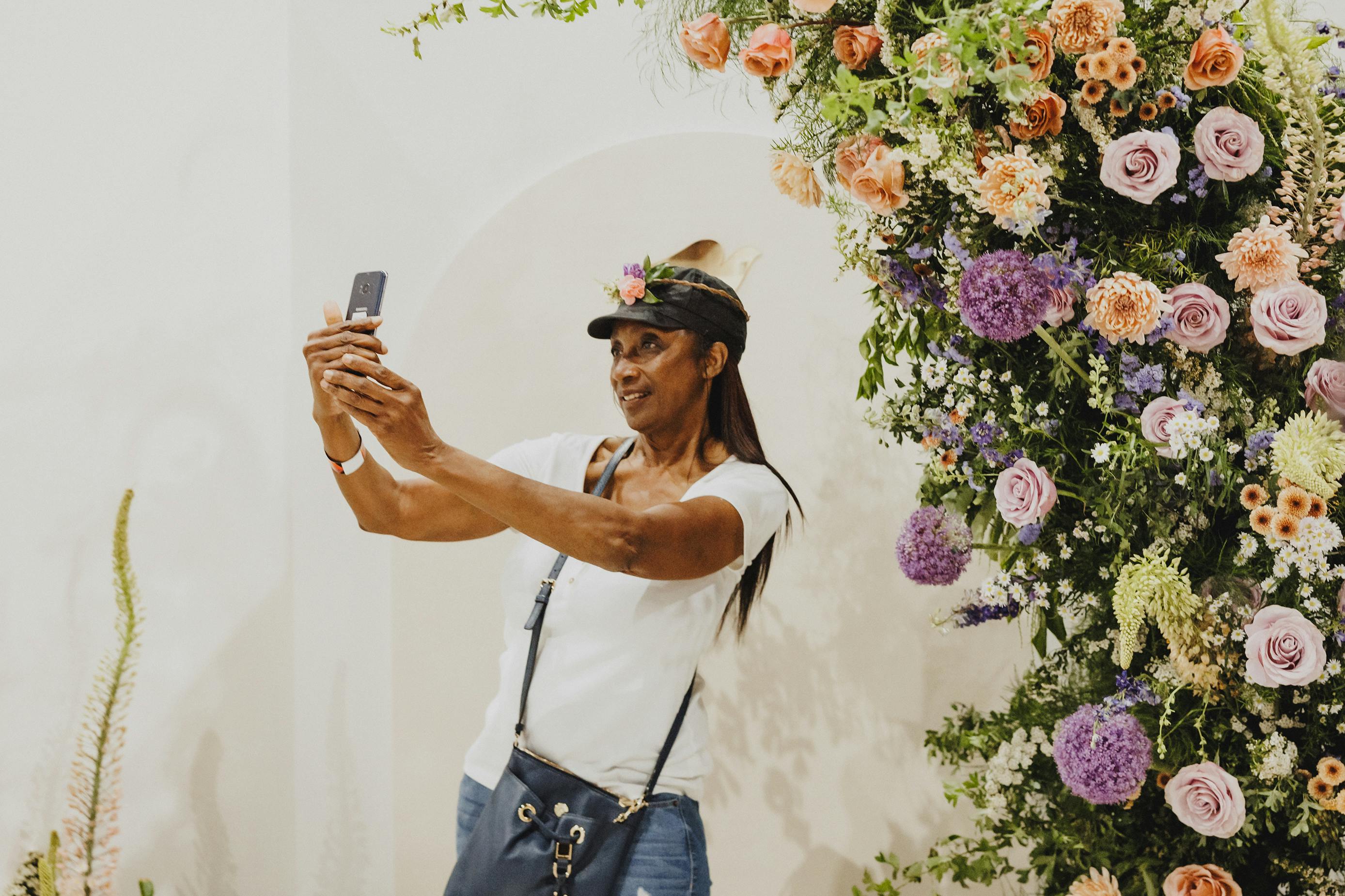
B2C experiential campaigns, on the other hand, live in the moment. They are designed to evoke emotions, spark conversation, and drive instant action, be it a social share, an impulse purchase, or a product trial. Strategies pivot around loyalty, limited editions, and viral moments.
Understanding these opposing targets is essential.
At WONU, that clarity defines how we design experiences that actually move the needle, whether it’s with execs or everyday consumers.
Audience Engagement That Matches the Moment
Objectives are only as effective as the tactics behind them, especially when attention spans are short and expectations are high. The key?
Tailoring engagement to the psychology and pace of your target audience.
In B2B experiential campaigns, success comes from creating high-value, low-noise environments that foster trust and facilitate meaningful conversations. That typically includes live product demos, invite-only panels, one-on-one consultations, and interactive displays that allow decision-makers to explore solutions on their own terms.
The tone is consultative, not flashy.
In B2C campaigns, emotional energy takes center stage. Consumers want to be surprised, delighted, and part of something worth sharing.
Think immersive pop-ups, branded AR/VR experiences, personalization stations, and vibrant installations; these all encourage organic interaction and often go viral when done right.
No matter the audience, live engagement still reigns supreme. 82% of event attendees prefer in-person experiences.
Well-crafted experiential tactics are more than impressive. They are essential for building connections and driving results.
Tech Use in Experiential: B2B vs. B2C
In experiential marketing, the right tech does more than support the moment; it defines it. Whether you’re streamlining enterprise workflows or creating immersive activations on the street, the tools you choose to use here directly shape the experience and the outcome.
B2B campaigns prioritize precision, integration, and insight. That’s why brands lean into technologies like CRM-connected lead capture, interactive AR product demos, and AI-driven analytics that turn participation into pipeline.
Behind the scenes, enterprise platforms like Frends iPaaS, Exalate, and CLEO Integration Cloud silently power complex syncs between systems, making sure every interaction is tracked, scored, and routed with minimal friction. It’s not flashy; it’s functional, future-ready, and mission-critical.

B2C tech, on the other hand, lives in the spotlight. Consumers expect interaction that’s sensory, seamless, and instantly shareable. From AR try-ons to gamified QR hunts and branded Instagram filters, technology becomes the experience.
These tools can blur the boundary between brand and behavior, encouraging playful exploration while boosting dwell time, UGC, and emotional recall. One scan can unlock a discount; one filter might spawn a viral trend.
Each tech layer can change perception, cement product familiarity, and shape the purchasing experience. That’s the future B2C brands need to own.
Done right, technology can take your brand from background noise to a cultural moment, whether you are pitching to procurement teams or creating buzz on Broadway.
Data Personalization Strategies
With long buying cycles and multiple decision-makers, personalization is not a “nice to have.” It’s how you stay relevant. CDPs, marketing automation tools, CRM integrations, and intent-based scoring models can power dynamic content, personalized agendas, and targeted invites.
Paired with account-based marketing (ABM), these tools help map messaging to specific business needs or pain points, even within the same vertical.
B2C campaigns, on the other hand, use data to make moments feel more spontaneous, even when they might be algorithmically crafted. Real-time behavioral insights, location tracking, and preference tagging fuel dynamic signage, custom product recommendations, or on-the-fly surprises.
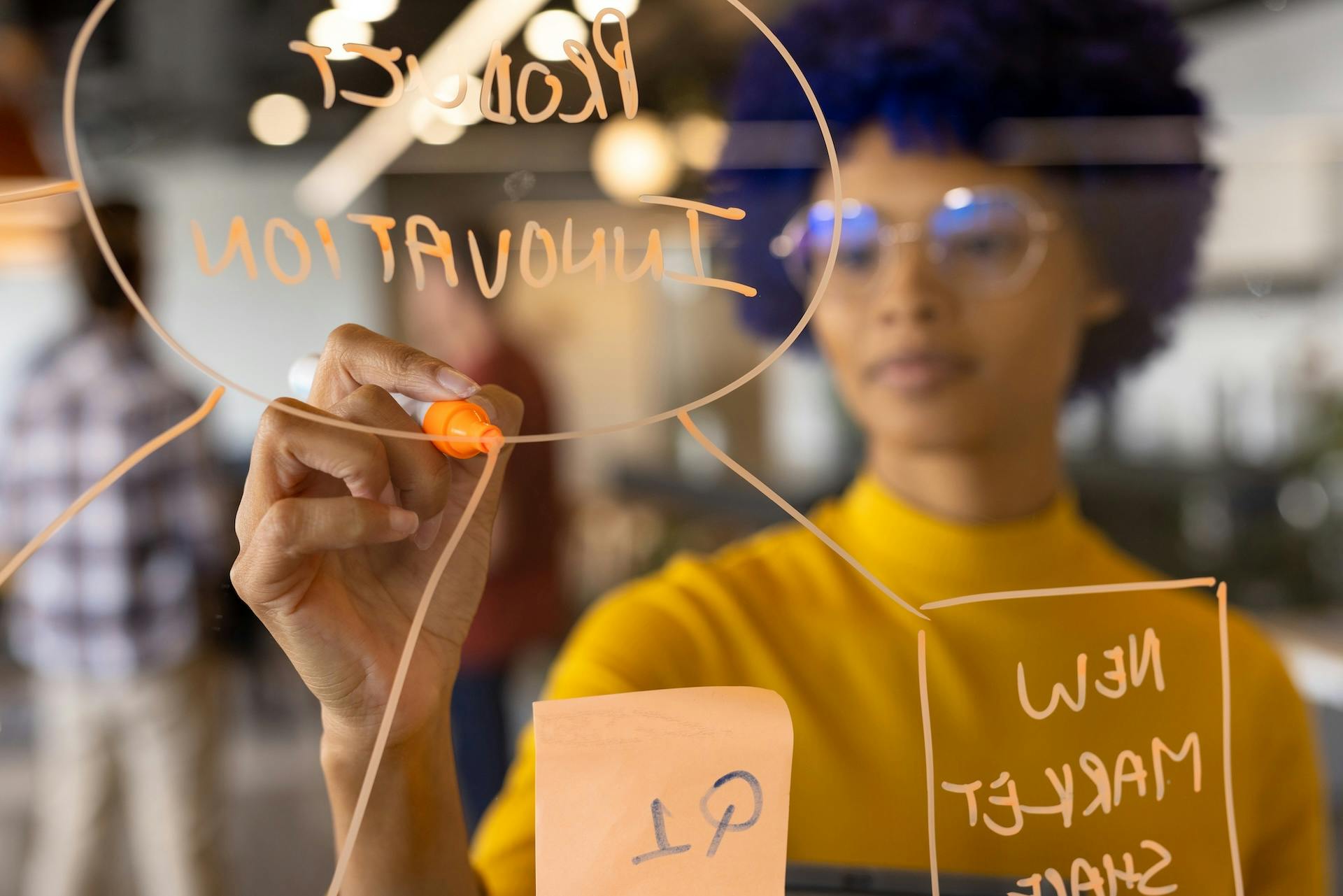
Segmentation strategies might zero in on style tribes, local trends, and even mood-based micro-moments.
Effective personalization does not mean removing emotion. It means understanding your audience so well that the experience feels effortless.
From a high-touch product walkthrough to a reactive in-store display, data is what turns passive attendees into engaged participants.
Event Formats and Settings: Crafting the Right Stage
The setting is more than a backdrop; it’s part of the message. From polished conference rooms to neon-lit storefronts, the environment shapes how your audience feels, reacts, and remembers.
B2C experiential events thrive in places that spark curiosity and encourage impulse. Pop-up shops, artful street installations, and hybrid retail spaces all invite discovery. These formats are designed to catch eyes, generate UGC, and convert foot traffic into instant buzz or sales.
Venue selection is anything but random; it’s strategic, setting the tone for event types that drive status and sales. From storefronts in SoHo to reimagined shipping containers in Venice Beach, location is everything: unexpected, photogenic, and emotionally charged.

B2B events, on the other hand, succeed in curated, high-trust spaces.
Venues like conference suites, private lofts, and architecturally rich galleries offer the intimacy needed for hands-on demos, relationship-building, and high-stakes conversation. These are spaces made for focus, where every touchpoint, from seating and lighting to flow, supports a deeper business objective.
And while hybrid options exist, attendees prefer in-person experiences, which proved to be most effective for driving ROI. That’s why top-performing brands, including those we collaborate with here at WONU, are investing more in physical formats that deliver both atmosphere and intent.
Measuring Success: ROI in B2B vs. B2C Campaigns
Partnerships might set the vision, but performance is what proves the value. In experiential marketing, success isn’t solely about crowd size; it’s about what happens next.
And in B2B vs. B2C campaigns, the ROI equation looks very different.
B2B brands measure success through a long lens. Metrics like lead quality, account engagement, and pipeline acceleration take center stage. A single executive demo may lead to a multi-year contract, so ROI is often tied to deal influence, renewal rates, and cross-departmental impact.
With long sales cycles and complex attribution, robust measurement frameworks (often powered by CRM and ABM platforms) are essential.
B2C success, meanwhile, is often instantaneous. Brands might look at performance indicators like social reach, foot traffic, coupon redemptions, and on-site purchases to gauge impact.
The focus is on visibility, emotional response, and short-term conversion. If it’s not being filmed, posted, or shared, it didn’t happen.
Here’s how the metrics stack up:
Channel | Key Metrics | ROI Focus |
B2B | Lead quality, demo-to-deal, renewal rates | Long-term growth, ABM traction |
B2C | Social shares, foot traffic, promo redemptions | Immediate reach, sales lift |
Shared | NPS, survey feedback | Loyalty, repeats |
Technology | Real-time analytics, CRM integration | Predictive, blended insights |
Track both the story and the spreadsheet, and you’ll see results that resonate beyond the event. Partner with WONU and let’s deliver experiences your audience will remember and results your stakeholders can measure.
Notable B2B Experiential Campaign Examples
In B2B, the most effective campaigns aren’t the loudest ones. They’re the ones that invite decision-makers into an experience that feels thoughtful, useful, and worth their time.
The examples you’ll find below show how the right blend of education, personalization, and innovation can turn engagement into measurable business outcomes.
Notable B2C Experiential Campaign Examples
B2C experiential marketing is about more than a flashy setup or free samples. The most iconic campaigns pull people into a full-body experience, something they feel, taste, and remember long after the moment ends.
The following examples show how storytelling, multi-sensory details, and unexpected interactivity can turn a passive consumer into an active brand advocate.
WONU specializes in these high-touch, story-first activations, bringing a culturally aware, emotionally rich approach to every experience we design. When your brand is ready to connect with audiences on a visceral level, we help make it unforgettable.
Strategic Partnerships in Experiential: When Brands Build Together
Even the most visionary experiential campaign doesn’t happen in a vacuum. Behind every unforgettable activation, whether it’s a sleek showroom for execs or a sidewalk sensation with a TikTok line out the door, there’s a tight circle of collaborators shaping the experience from the ground up.
In both B2B and B2C experiential marketing, partnerships are the invisible engine. Co-branding amplifies reach. Technology partners support innovation. Influencers spark momentum. And venue alliances unlock new creative possibilities.
The line between these two worlds is increasingly fluid, especially as audiences expect brands to deliver bold, authentic, and mutually reinforced experiences.




Here are a few collaboration models shaping standout campaigns:
- Co-Branding: SAP’s neighborhood-themed show floors or Nike’s in-store VR lounges show how dual-brand presence deepens engagement.
- Influencer Integration: From B2B thought leaders to consumer-facing creators, real voices and authentic personalities humanize the experience and drive organic reach.
- Technology Partnerships: AR/VR providers help bring abstract offerings to life, both emotionally and interactively.
- Venue Strategy: Whether it’s a hotel rooftop or a retail takeover, the right location partner sets the tone and scale of the event.
With over 98% of attendees generating digital content at live activations, these partnerships do more than shape the event. They shape how it's remembered and reshared.
At WONU, our Black-owned, female-led perspective brings culture-forward thinking and a collaborative approach that ensures every partnership delivers more than the sum of its parts.
Turning Moments Into Movements
Experiential campaigns bridge the gap between B2B and B2C by creating memorable, engaging moments tailored to the unique needs of the audiences. And the best campaigns? They’ll do a lot more than capture attention.
They’ll shift perception, deepen trust, and drive action.
Whether your audience wears suits or sneakers, what they remember are the moments that feel designed for them. That’s where great brands stand apart.
WONU creates those moments with precision, soul, and a lens that brings culture and strategy together. If you're ready to build something unforgettable for your clients, customers, or community, we’d love to help.
Let's build
If you're thinking about how your brand shows up in the world, we'd love to hear from you.