

Event Marketing ROI:
How High-Impact Brands Measure What Matters
Event marketing ROI has become one of the most contested topics in experiential, primarily because the work brands value most, like the connections, the conversations, and the cultural lift, very rarely shows up in a spreadsheet.
Luxury- and experience-driven teams already know that their events move people. But proving how those moments move the business is where the real challenge begins. That’s why ROI today is not solely about counting leads or reporting footfall.
It’s about understanding the ripple effect:
The behaviors your brand inspires, the demand you spark, and the story data tells long after the activation ends.
If you are looking for a clear, grounded way to measure impact and finally connect creativity to commercial outcomes, you’re in the right place.
Defining Event ROI for Luxury and Experiential Brands
Although “ROI” sounds clinical, in the luxury and experiential space, it’s a layered scorecard; part revenue, part reputation.
Financial return matters, sure. But the value of the activation lives in experience equity, brand momentum, and the kind of visibility that influences high-intent audiences long after the doors close, too.
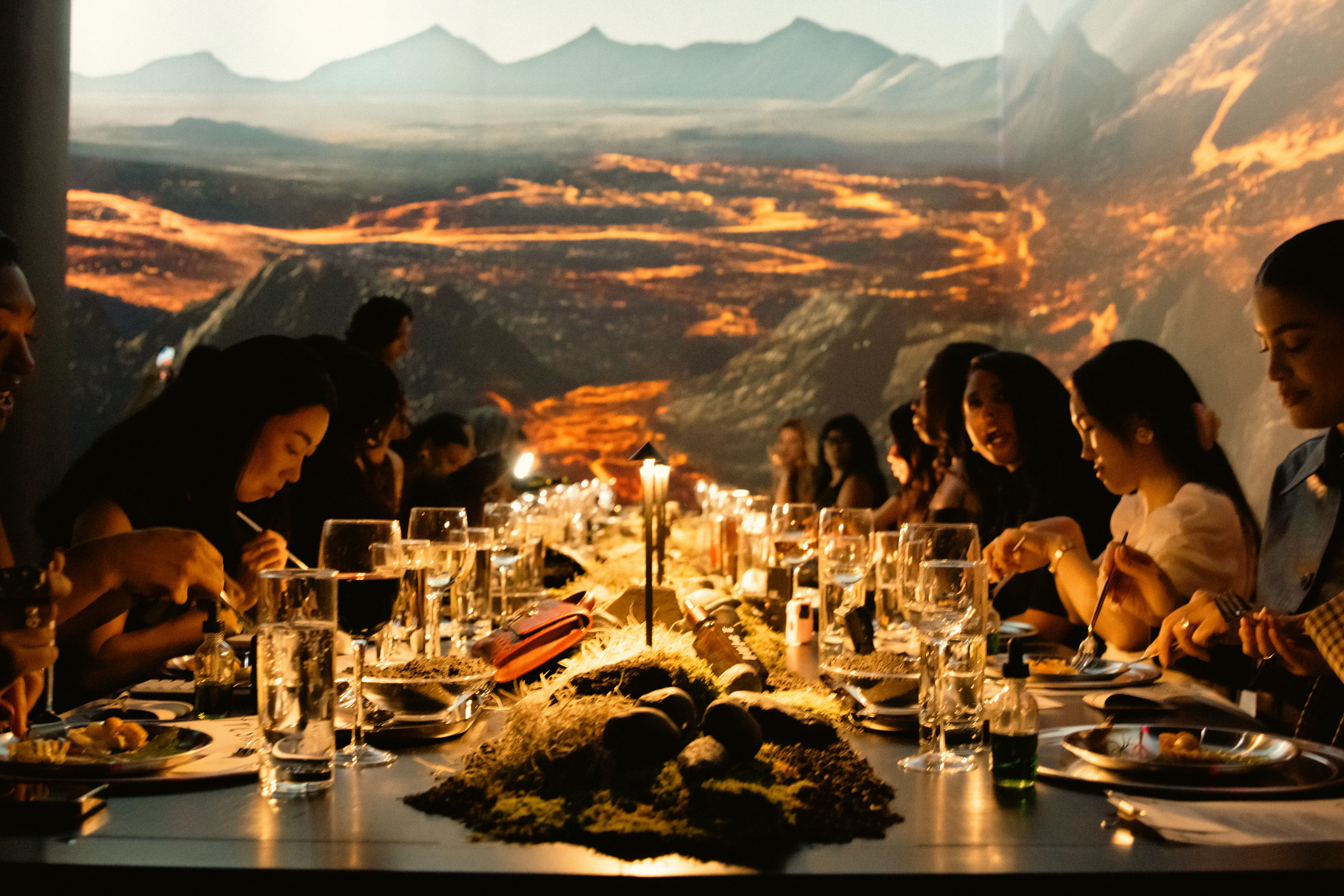
Luxury brands are not merely counting receipts. They’re investing in moments that create emotional lift, deepen loyalty, and give people a story worth sharing.
Those outcomes shape demand in ways that standard attribution tools rarely capture.
Experiential impact comes into focus when you measure depth instead of volume. Smaller guest counts can generate stronger preference shifts, higher-quality leads, and richer long-tail yield. A clear view of ROI means blending performance indicators with experience signals.
Remember that luxury targets often convert over quarters, not days. Track lifetime value trends, booking patterns, and referral strength to better understand how exclusivity and personalization can reshape these customer relationships.
This creates an ROI picture that reflects both financial return and long-term brand health.
If your brand wants a framework built for high-impact activations, WONU can help define what to measure and how to interpret the results with clarity and confidence.
Setting Clear Goals and Aligning KPIs to Business Outcomes
Luxury ROI gets real the moment you define a target and name the numbers that prove it. Whatever those goals might be, they need to be specific, measurable, and connected to real commercial movement, rather than activity for activity’s sake.
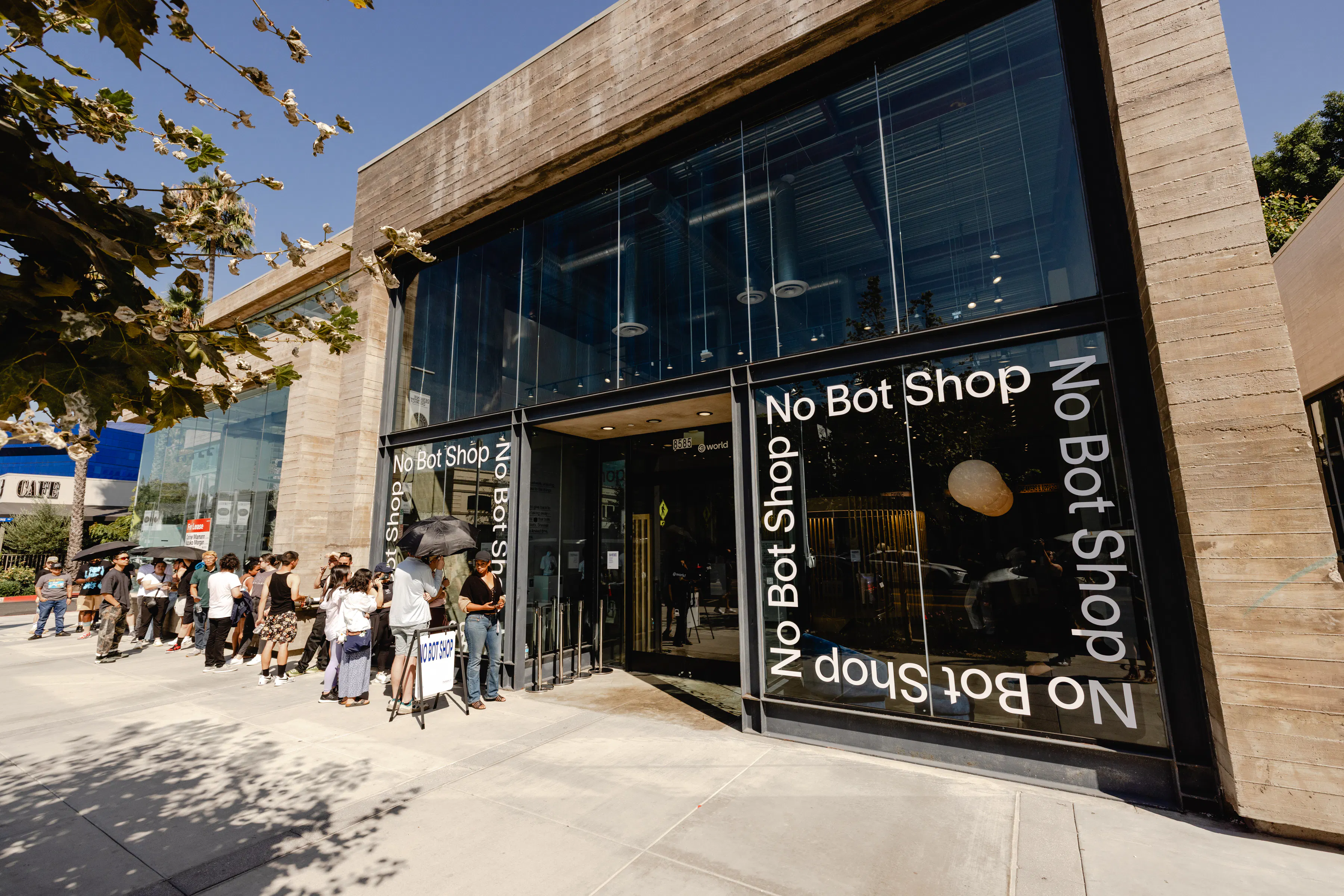
Start by identifying the purpose of the event. Your objectives might include:
- Enterprise pipeline growth
- Influence within strategic accounts
- High-value lead capture
- Stronger brand visibility within a defined cultural set
- Sponsorship retention and partner value
Once the purpose is clear, select KPIs that directly support these outcomes. Remember, a focused list is more powerful than a wide dashboard.
Focus on common performance indicators, including SQLs with shared sales criteria, pipeline generated and influenced, qualified meetings booked, and accounts touched. Include sponsor-focused KPIs, such as the returning sponsor rate, to gauge partnership value and future revenue stability.
Of course, pre-event KPIs matter. They help you assess readiness and refine the plan before the launch.
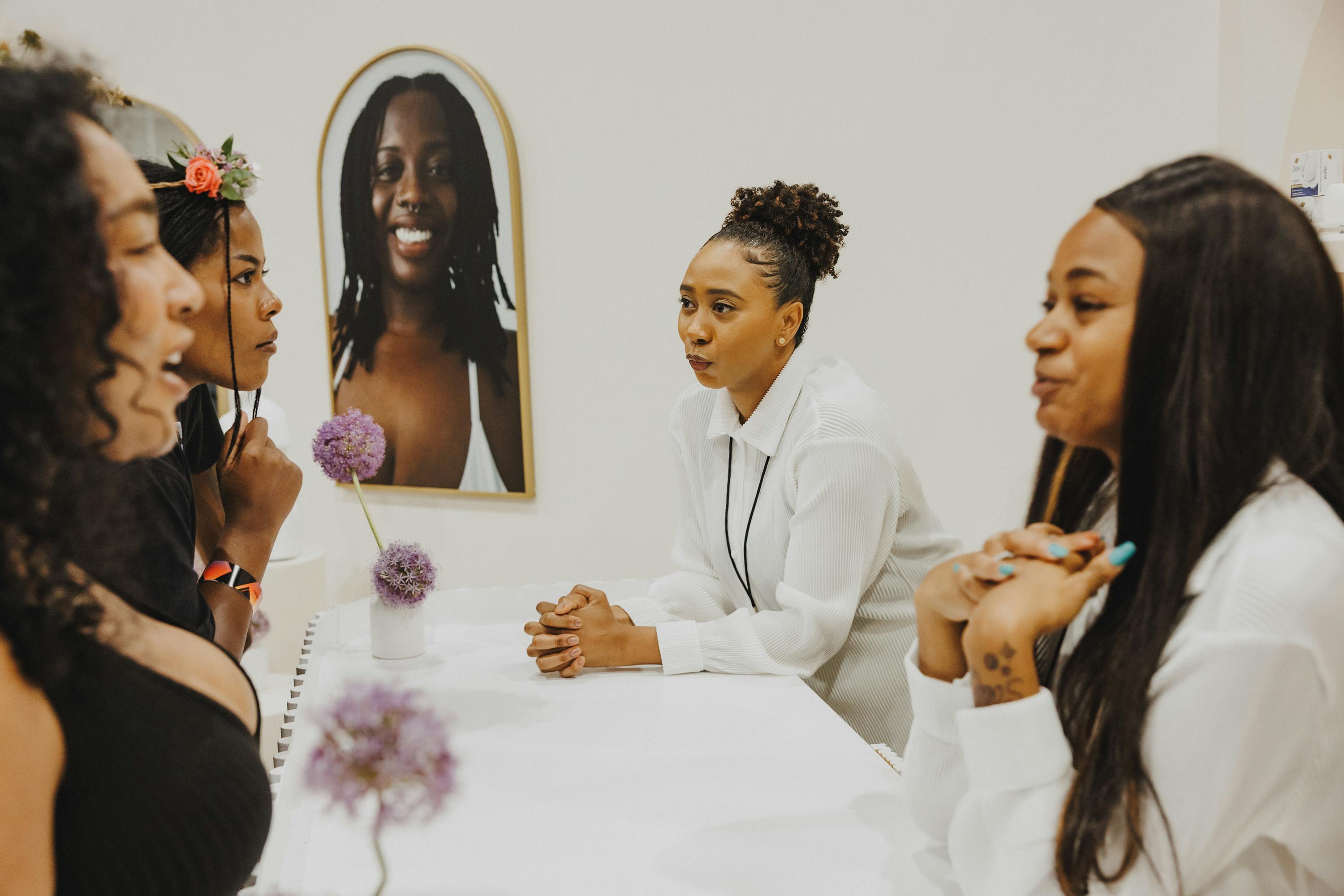
If awareness is the priority, focus on event mentions, press hits, influencer amplification, and social reach across the platforms where your audiences actually are. For mid-funnel work, keep an eye on dwell time, interactions, meeting volume, and content engagement. As for late-stage goals, track conversion patterns and opportunity progression.
Align each KPI to a point on the customer journey. Early-stage buzz, mid-funnel interaction, and late-stage conversion should all connect through one measurement framework.
Review after every activation and evaluate performance against your original objectives. Keep the metrics that drive outcomes and remove the ones that only add noise.
The Core Event ROI Metrics (3 Categories That Matter)
A clear view of ROI relies on a balanced set of financial, engagement, and demand-generation metrics.
These three categories map directly to how luxury and experiential brands influence customer behaviors and revenue movement. And together, they make up a measurement system that honors creativity, while staying accountable to the business.
1. Financial Metrics
Financial clarity keeps every activation accountable.

Start with a straightforward ROI calculation that gives every team a shared starting point:
ROI = (Event Value – Event Cost) / Event Cost x 100
Work from a complete cost picture. Tally direct costs, such as venue, build, fabrication, production, talent, and staffing, along with internal time allocations from creative and stakeholder reviews. Then, map every revenue stream that applies to the event.
These usually include ticket sales, sponsorships, on-site sales, and the pipeline lift attributed to the event.
Use CRM and event platform integrations to keep this financial picture precise and visible across teams and make sure it reflects both quantitative and qualitative outcomes. That’s where ROI becomes more than a budget recap and starts to reflect real business impact.
To deepen the analysis, you can evaluate your event through three lenses:
- Return on Investment: Event Revenue / Event Cost
- Profit: Event Value – Event Cost
- Incremental Margin: (Gross Margin – Event Cost) / Event Cost
2. Engagement and Experience Metrics
When the doors open and the room hums, you measure more than the people queuing up. You track how long they stay, what they touch, and how they feel on the way out.
Experiential work thrives on depth, sensory details, and emotional connections. Engagement metrics help quantify the quality of that experience.
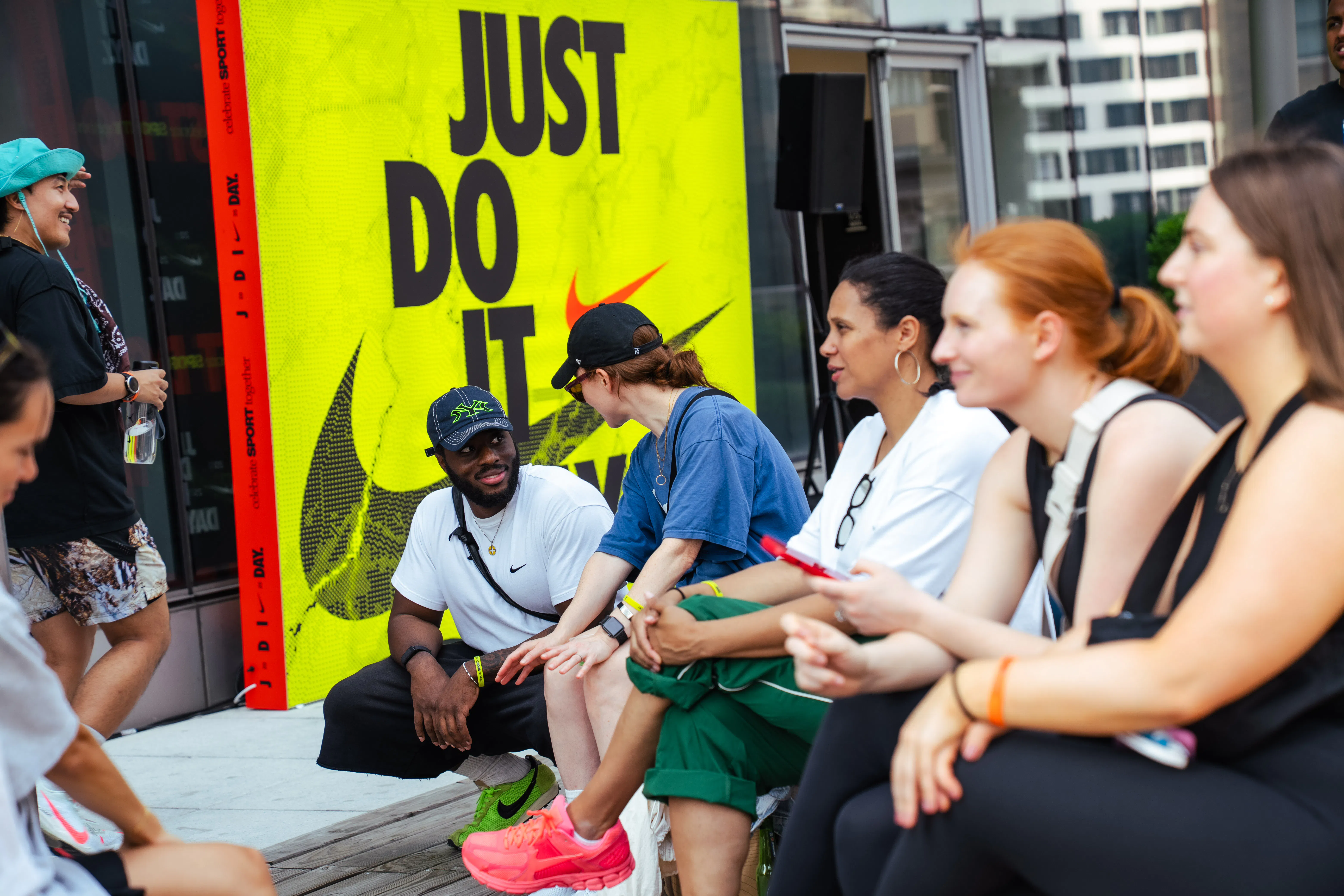
Start with dwell time. Measure minutes per zone, identify drop-off points, and highlight segments that pull the upper quartile of attention. These moments often signal the creative or thematic elements that deserve amplification in future builds.
Then, map interaction patterns to see what resonates most. Track poll responses, Q&A activity, product demos, networking counts, content engagement, and social activity per attendee.
Experiential marketing’s focus on emotional connection means these metrics can reveal the true depth of consumer engagement, not only surface-level attention.
Qualitative indicators matter here, too. Look for sentiment shifts, post-event commentary, and the tone of social shares, and layer this with structured frameworks, such as NPS, session scores, and in-the-moment feedback captured through surveys and conversational feedback.
These insights reveal how the experience influenced perception, loyalty, and brand affinity.
3. Demand Generation and Lead Quality
The third pillar of ROI measurement would be demand generation and pipeline quality. Strong events lead to high-intent conversations and clear paths to revenue.
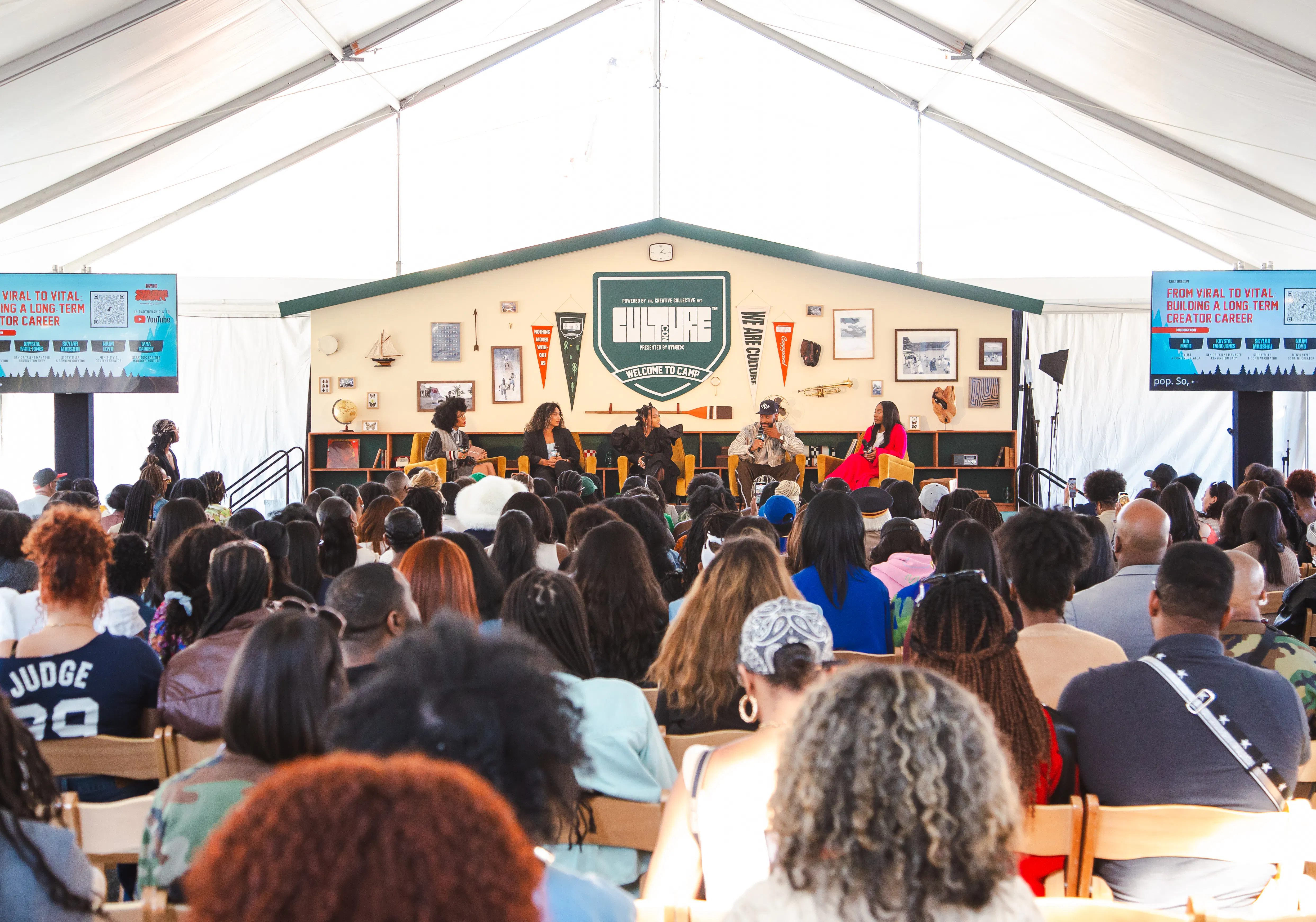
It’s where experiential storytelling converts into a measurable commercial opportunity.
Track the journey from registration to follow-up. Think registration source, attendance rate, session scans, and content downloads. Feed these inputs into your lead scoring model.
Combine demographic fit with behavioral signals, so marketing qualified leads (MQLs) reflect true intent rather than surface activity. From there, move your qualified prospects along into the sales qualified lead (SQL) status using shared criteria with sales.
Finally, tie spend to pipeline, not vibes.




Look at the conversion rate, cost per lead, cost per opportunity, average deal size, and CLV. On that note, you can generally expect higher conversion from in‑person touchpoints; industry averages tend to show a stronger conversion rate compared to digital-only channels.
Operational strength matters. As attendance and engagement scale, your lead-nurturing engine must stay aligned with audience expectations and the creative standards of luxury experiences.
A measurement system built around these three categories gives brands a complete, actionable picture of ROI. If your brand needs an integrated framework that honors both the creative vision and the commercial outcomes, WONU can help build a system that reflects the real value of the experience you deliver.
Attribution Models and Conversion Lift Across the Customer Journey
For luxury and experiential brands, visibility is measured by influence, not noise. Here, event marketing ROI depends on the quality of the attention you get and the credibility of the voices that carry it forward. In other words, you track what the crowd actually sees and shares.

Start with your core visibility signals; think on-site content output, branded share rate, earned impressions, press mentions, branded search lift, and referral traffic spikes. Track where your story goes. A high-impact audience on Instagram or TikTok can outperform a larger but unfocused reach on other platforms.
The truth is, luxury brands benefit from depth. One well-crafted post from a relevant creator often delivers more value than a dozen broad impressions.
Social amplification is where the event extends beyond the room. Track creator output, guest-generated content, and share rates among priority audience segments. Measure how each asset performs, and layer in livestream engagement if the experience continues digitally.
Then, convert all that chatter into Media Impact Value.
MIV translates social posts, creator content, and editorial coverage into an ad-value equivalent that aligns with how luxury brands measure earned influence. By capturing volume, source, and sentiment, you’ll see which moments, formats, and partners truly carried your brand.
Capture volume, source, and sentiment, then use it to observe which creators, formats, and moments truly carried your brand.
When you understand how and why attention moved, you see both emotional momentum and measurable scale. And if you want this event to shape culture rather than chase it, WONU can build an experience that merges creative excellence with precise measurement.
Attribution Models and Conversion Lift Across the Customer Journey
Because the deal rarely happens on the demo floor, you need an attribution model that captures the entire path, from first signal to signed invoice.

Attribution models show which channels and moments shape performance and drive ROI, guiding smarter spend and cleaner forecasting.
That said, single-touch models have limitations. First-touch highlights the ad that sparked event interest; last-touch flatters the final email. Helpful, but shallow.
Luxury and B2B teams thrive when attribution mirrors the depth of their journeys, which is why you want to lean into multi-touch:
- W-shaped models with weight on first touch, lead creation at the event, and opportunity creation.
- Linear models that distribute credit across the journey, ideal when brand building and nurturing matter as much as the close.
- Time decay models that highlight momentum in the days after an experience, when interest peaks and follow-up accelerates.
To close this loop, connect your event platform, CRM, and marketing automation tools, so every attendee, session, and interaction can become traceable. That unlocks cleaner ROI reporting and attribution across touchpoints.
Conversion lift is where ROI becomes visible. One thing to keep in mind is that luxury and cultural brands often see slower sales cycles, making it important to widen the attribution window beyond the standard 30 days. You can typically extend tracking to 60 or 180 days.
When the experience is crafted with cultural intention, the lift is clear.
Think of a Tribeca salon pop-up with brushed steel, warm glow of Edison bulbs, and refined sensory cues; it creates a level of resonance that shows up in the data. It pulls people deeper into the brand, then moves through the journey with the kind of rigor that reflects WONU’s edge.
Tools and Integrations That Power Accurate Event ROI
You’ve mapped attribution; now make the data move.
Strong ROI reporting depends on a tech stack that turns every interaction into structured, traceable data.
That is why luxury and experiential teams often rely on tools that can connect registration, onsite behavior, and post-event revenue without friction.
- CRM and CDP Integrations
A unified data layer is the foundation for reliable ROI. By syncing attendee profiles, scans, session data, and follow-up tasks to a central CRM, teams can make sure every interaction is captured and actionable. Enrich contact records inside the CDP so that marketing, sales, and sponsorship teams operate from a shared source of truth and track without manual uploads and fragmented lists. That alignment guarantees the post-event recap is grounded in evidence and tied directly to measurable business outcomes.
- QR and UTM Tracking
QR codes and UTM parameters bring clarity on what attendees do in real time, not only what they see. Check-ins, session entries, and product discoveries can all be captured instantly, while UTMs across landing pages, RSVPs, VIP content, and digital touchpoints show which channels drive the highest return. By connecting scans, clicks, and dwell times to revenue in your CRM or CDP, every interaction contributes to cleaner attribution. This approach strengthens the data story behind each activation, from first engagement to long-term conversion.
- AI-Driven Reporting and Insight Automation
AI tools speed up post-event analysis and surface patterns that are hard to see manually. They can predict high-intent clusters, recommend next steps for sales, or even uncover micro-segments that responded to specific touchpoints. AI can analyze sentiment across social conversations and press coverage, too, and produce summaries that quantify lift by channel, experience, and cohort. Simply put, it transforms raw activity into insights, accelerates decision-making, and strengthens alignment across teams.
When you integrate the right platforms with scans, UTMs, and AI reporting, your events start behaving like performance engines.
Building a Continuous Measurement and Optimization Framework
A high-performing experiential program grows through a repeating loop, one that links strategy, data, and creativity across the full lifecycle. That way, every activation informs the next.
Set expectations, read the room, and turn outcomes into insights and direction.
- Pre-Event Baselines
Set the foundation before the first guest arrives. Define the revenue goals, segment priorities, and KPIs that tie directly to business outcomes, then establish a baseline for awareness, engagement, sentiment, and expected pipeline. With clear expectations in place, measurement stays disciplined when the experience begins to move.
- In-Event Adjustments
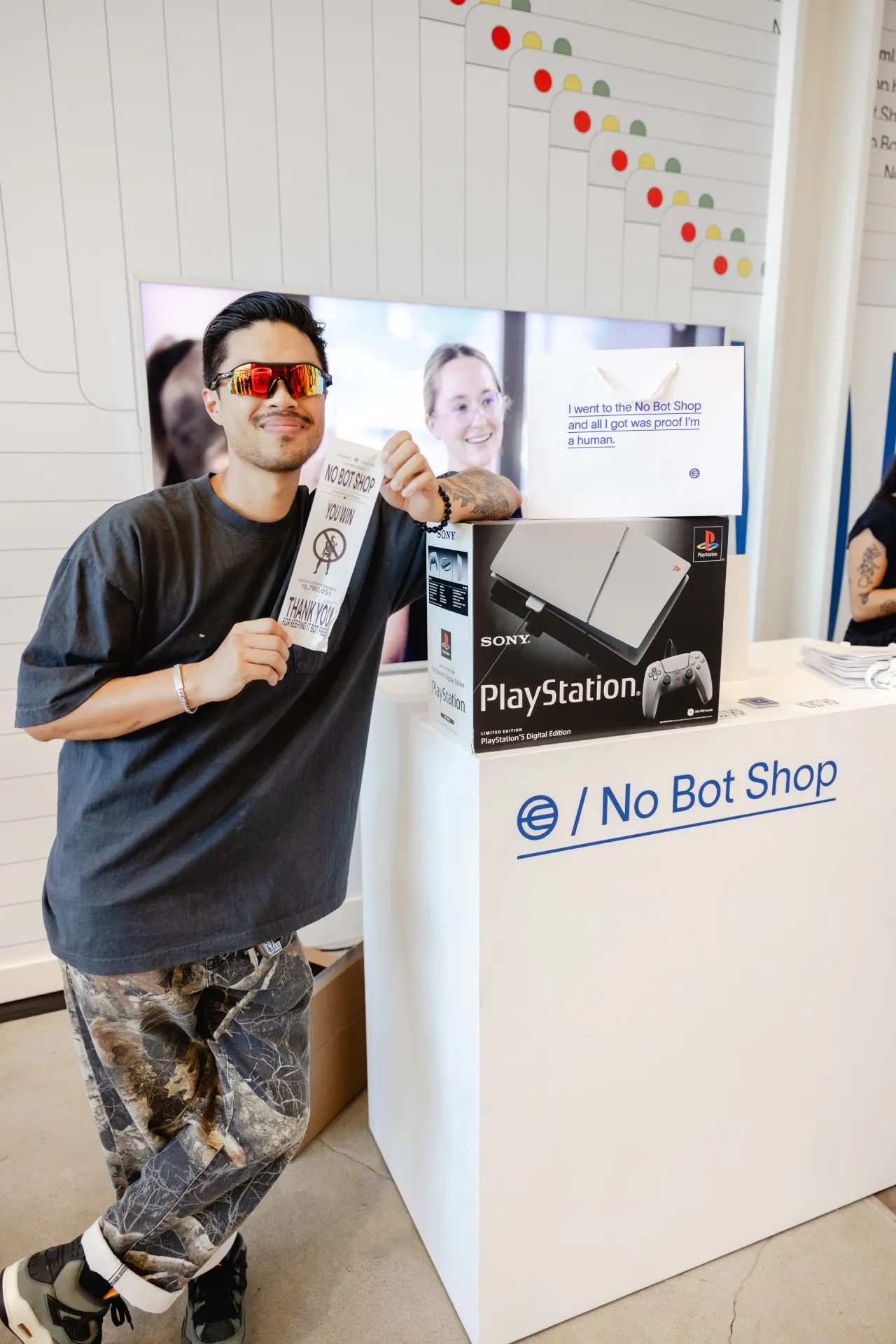
Events shift minute by minute; your framework should be able to adapt with equal agility. Read the environment in real time. Use attendance rates, session performance, scans, QR interactions, and content engagement to guide decisions on pacing, staffing, or amplification while the energy is still unfolding. These in-the-moment adjustments elevate the experience while strengthening the story that will define your ROI.
- Post-Event Reporting
Once the lights go down, translate the full body of activity into pipeline, influence, and brand value. Review what accelerated momentum and what needs refinement, then feed those insights directly into clarity and planning for the next experience.
This loop is the heart of continuous optimization and the hallmark of high-performing luxury brands.
WONU designs frameworks that balance creative ambition with measurable outcomes, weaving precision into every touchpoint and lifting the impact of each activation.
Turning Measurement Into Momentum
The brands that win in experiential are the ones that treat event data as a living system. Not a recap, not a deck, but a rhythm that shapes how they design, host, and influence the market.
You measure what matters, then make it matter more.
When your measurement framework sharpens the story, and your creative earns the room, events start to move the business in ways that are both visible and defensible.
If you want to design an experience that looks refined on the surface and runs with discipline underneath, WONU can build that foundation.
Ready to turn your next activation into measurable momentum?
Connect with the team and explore our approach.
Let's build
If you're thinking about how your brand shows up in the world, we'd love to hear from you.