

How Quality Control in Event Production Separates a Great Activation from an Expensive Mistake
Walk into two brand activations built from the same brief, the same budget, the same creative deck, and the experience can still land completely differently. One reads as considered. The other reads as rushed. The spatial logic holds in the first; in the second, something's off, though most guests couldn't name exactly what.
Event production quality control is the discipline that closes that gap, and it operates almost entirely out of sight. When it's working, no one notices it. When it breaks, everyone does.
The difference between an activation that earns attention and one that quietly underperforms often has nothing to do with creative ambition, and everything to do with the standards built into the production process. How thoroughly the brief was written. How early the right conversations happened. How closely the finished space was held to what was designed.
What that discipline actually looks like, in practice, is worth understanding before the next brief goes out.
What Quality Control in Event Production Actually Means
Quality control in event production is the systematic process of maintaining brand standards through every phase of an activation's lifecycle, from brief to build to breakdown. It's not a final inspection before doors open. It's the set of decisions, reviews, and checkpoints that runs the full length of a project to keep the physical output aligned with what was designed and what the brand requires.

The term borrows from manufacturing, where quality control describes measuring product output against a defined specification. In experiential production, the "specification" is less precise: it's a brand identity, a spatial vision, an intended guest experience. That makes the discipline harder to execute, not easier to skip. The stakes are comparable. A unit that ships out of spec costs money to fix and something harder to quantify to explain.
This matters more than it ever has. According to BizBash, nearly three-quarters of Fortune 1000 companies planned to increase their experiential marketing budgets in 2025, which means the brands funding activations have more money and higher expectations, and the agencies delivering them have less tolerance for production error. Quality control is no longer a differentiator. It's the floor.
It matters most in three scenarios. Multi-market activations, where the same experience has to perform consistently in Chicago and Los Angeles and New York. High-profile launches, where the window for error is a single day and a compressed build schedule. Long-running campaigns, where brand standards drift across vendors and timelines if no one's actively holding the line. In each case, the variable isn't budget or creative vision. It's whether the production process has quality baked into it from the start.
Why the Brief Is a Production Document, Not Just a Creative One
The most common point where quality in event production begins to erode is the brief. Not because brands don't care about quality, but because most briefs are written to communicate the idea and stop there.
They describe the concept, the mood, the audience, the brand story. They don't describe the production reality with enough precision for the people who have to build it.
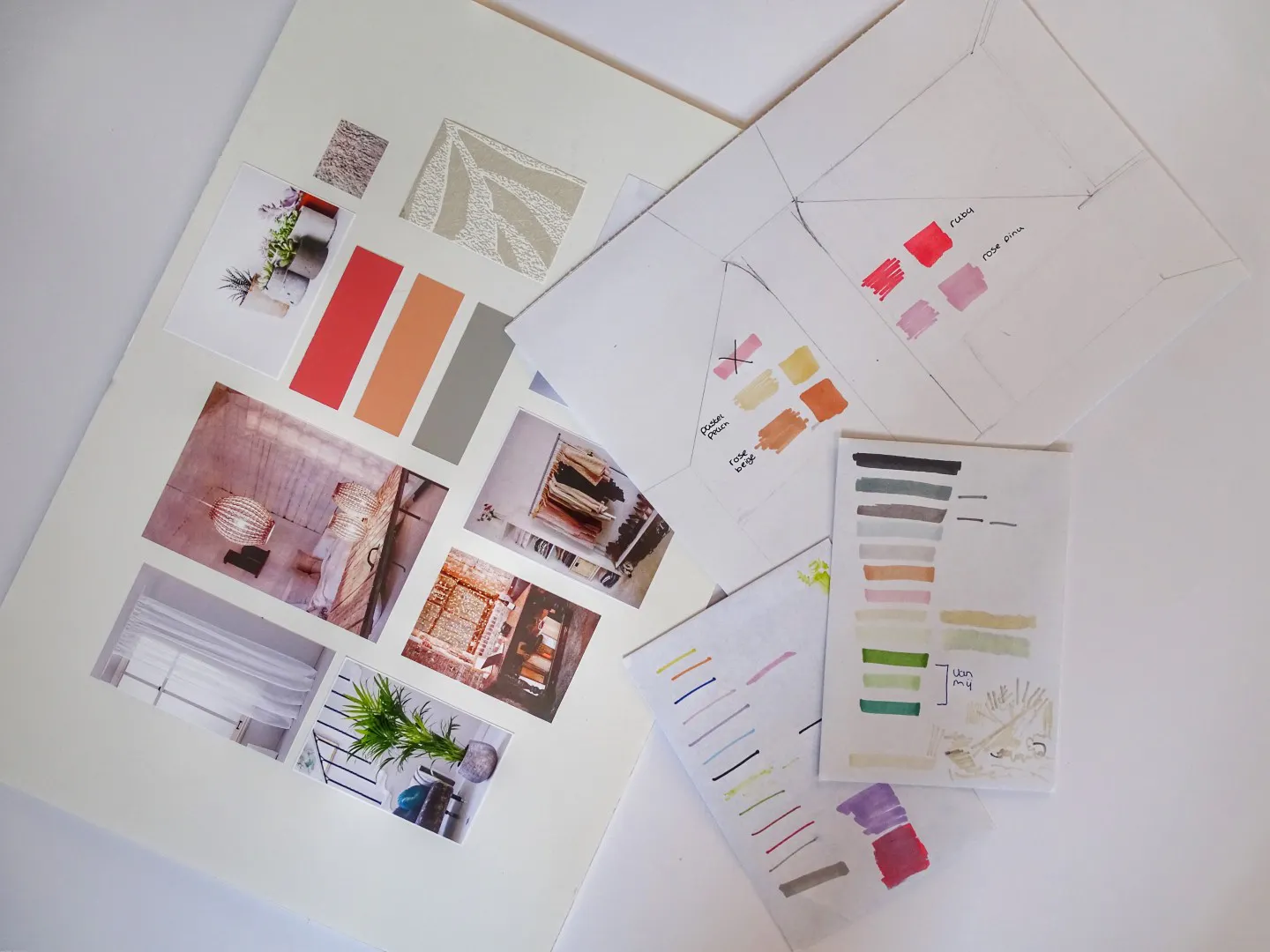
A production-fluent brief answers a different set of questions.
- What are the hard site constraints?
- What's the venue's load-in window? Which design elements are fixed and which can flex when site conditions differ from the floor plan?
- Who approves material substitutions and by what deadline?
- What are the brand-critical elements that cannot be compromised, versus the components where the team has discretion?
When those answers aren't in the brief, they get made informally, on-site, under pressure, by whoever happens to be standing next to the problem. That's not quality control. That's improvisation with someone else's brand on the line.
The brief also sets the quality benchmark against which everything else is measured. If it's vague, there's no shared standard, which means "it looks fine" becomes the de facto threshold.
Event Marketer's research has consistently shown that the top two performance metrics event teams report to senior leadership are sales impact and digital engagement data, yet most production briefs contain neither a sales proxy nor an engagement benchmark. The brief isn't the creative artifact. It's the contract between the idea and the build.
Where Quality Is Actually Won: The Six Weeks Before Show Day
Most of the decisions that determine whether an activation holds its quality standard are made well before the build crew arrives on-site. The six weeks before show day are where the real quality work happens, and it's also where agencies under deadline pressure are most likely to cut steps.
Site surveys matter more than most brands realize. A floor plan and a venue spec sheet won't tell you where the freight elevator actually opens, how natural light shifts across the space from noon to six, or where an existing HVAC vent creates a draft that affects fabric installations.
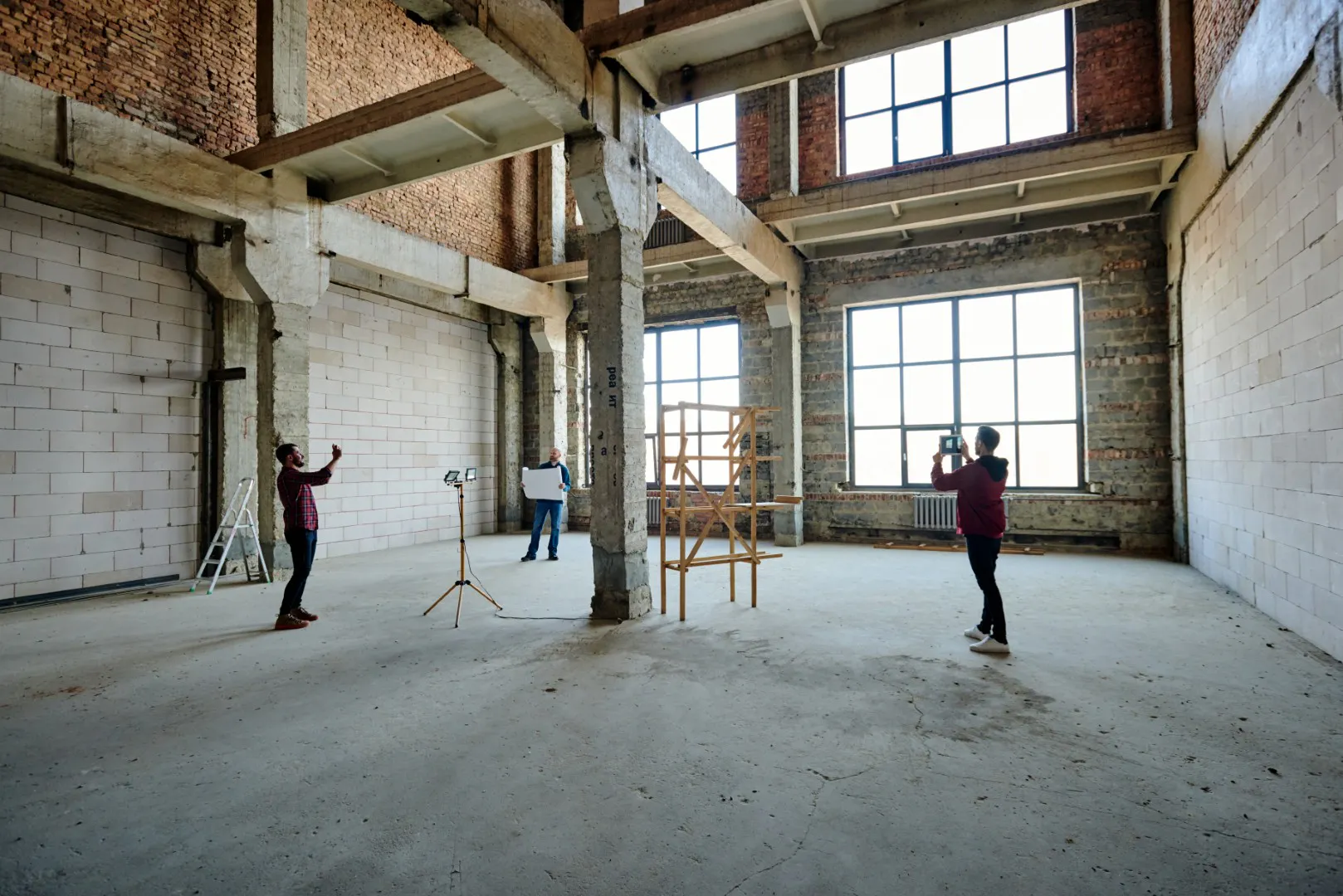
A thorough site survey catches those conditions early enough to adjust the design or fabrication spec rather than improvising around them at 11pm on load-in night.
Vendor selection and review are the other production variable that separates consistent output from unpredictable output. Choosing a fabricator isn't only a cost decision. It's a quality decision. What's their tolerance for precision work? Do they have documented processes for finishing, assembly, and on-site installation? What does their communication look like when something's running behind?
BizBash's coverage of top event vendors consistently surfaces the same pattern among strong production partnerships: technical knowledge, transparent communication, and a shared understanding of what the finished environment is supposed to feel like. The answers to those questions determine whether the production spec that leaves the studio arrives on-site intact.




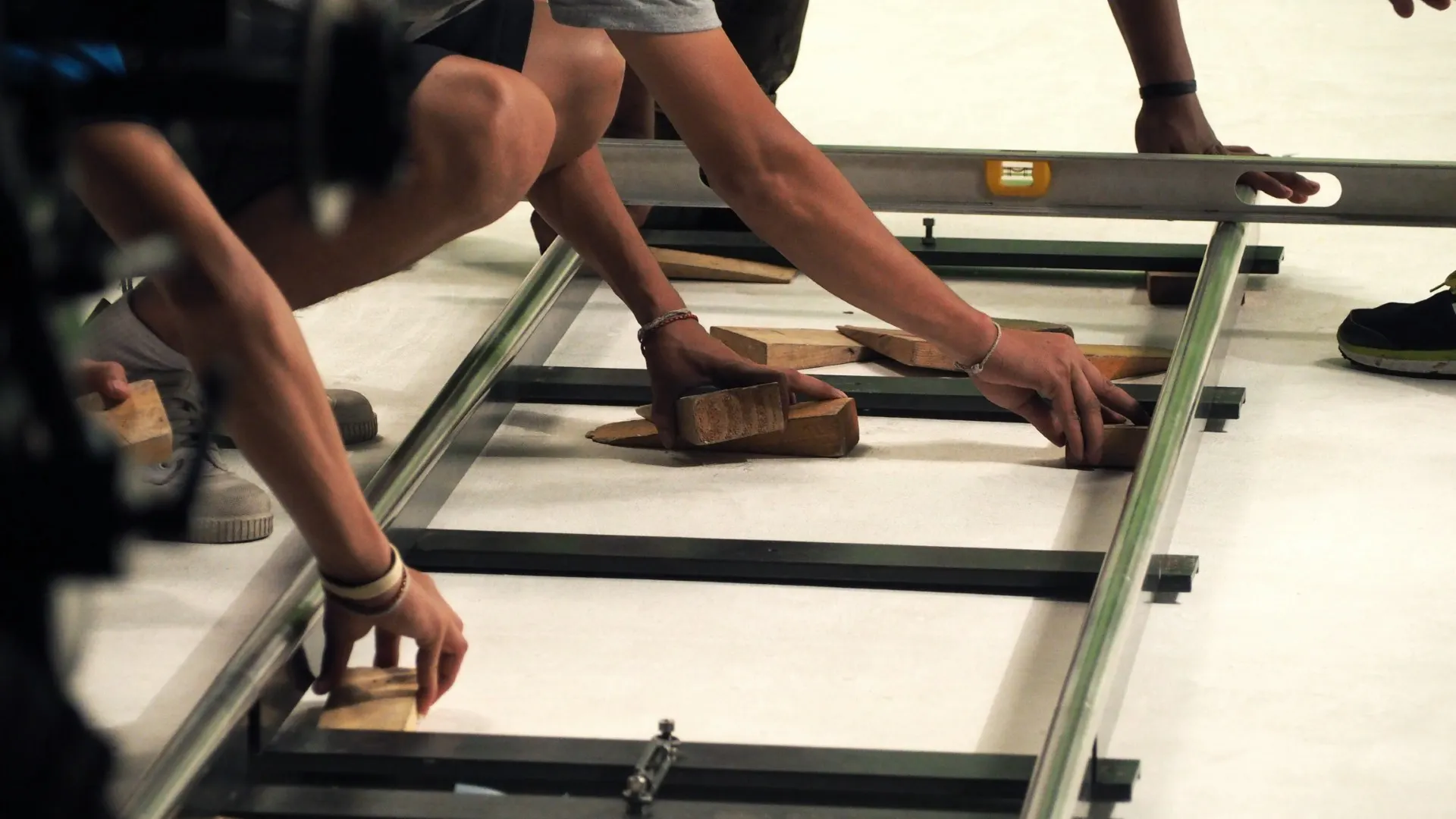
Fabrication reviews at intermediate stages, before the final build is complete, give the production team the opportunity to catch misalignments with the design spec while there's still time to correct them. Skipping this step to save time on the front end routinely creates much larger time and cost problems on the back end. A surface that's finished wrong at the factory is a crisis on load-in day. Caught at a mid-build review, it's a conversation.
WONU's production and project management practice is built around this pre-production discipline: structured review cycles, vendor accountability frameworks, and a site intelligence process that builds known venue conditions into the production plan before the design is finalized. The goal is to convert unknowns into knowns before anyone's on the clock at the venue.
What Makes Multi-Market Consistency So Hard to Get Right
Running the same activation in multiple cities introduces a quality challenge that single-market events don't have: the experience has to feel identical in environments that aren't. Different venues, different union rules, different vendor relationships, different lead times. The brand's guests don't know any of that. They only know whether the space feels right.
The structural difficulty is that quality control on a multi-market program can't rely on the same team and the same fabricator replicating the same build. It requires documented standards tight enough that different crews, in different cities, with different site conditions, produce output that reads as the same brand.
Tools For Humanity's World activations illustrate what this requires in practice. WONU produced the inaugural U.S. World activation at the brand's Melrose Ave showroom in Los Angeles, transforming the space into a gamified, interactive experience designed to build brand awareness and drive product verifications, with custom prize areas, interactive displays, exterior branding, and welcome signage working together to create a coherent brand world. The activation exceeded its national benchmark of 120 verifications by 1pm.
The follow-on World Santa's No Bot Shop in San Francisco extended the program into a holiday-themed format at a different venue with a different footprint.
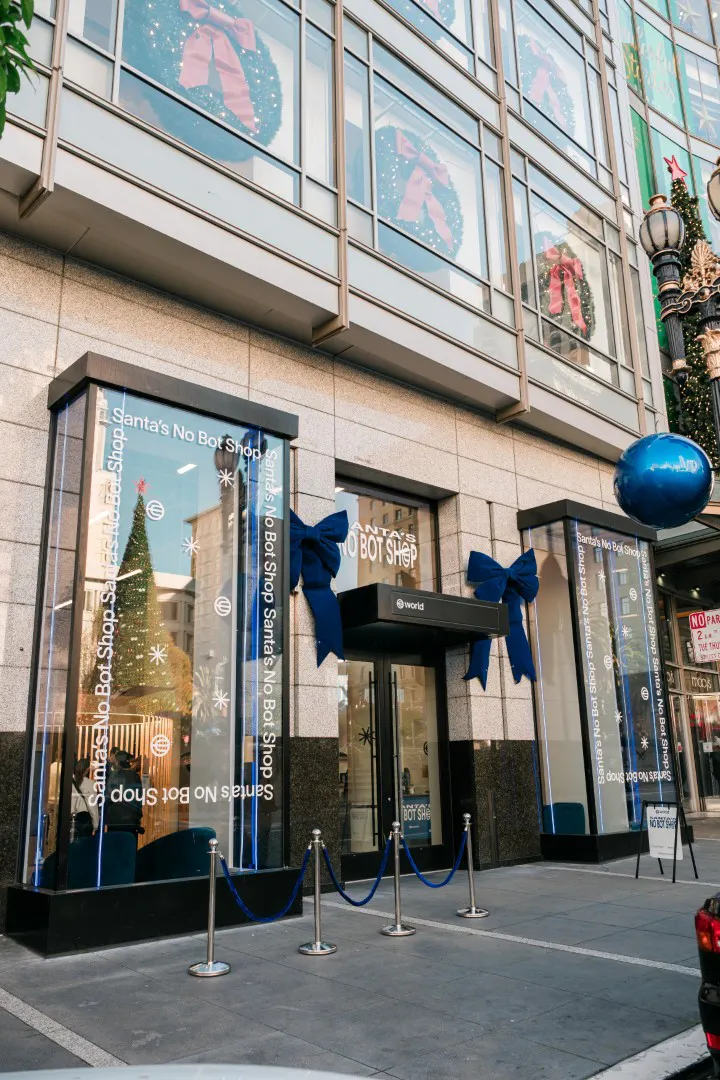
Holding brand consistency across those two markets required production documentation specific enough to function as a transfer spec, not just a creative reference.
Speed compounds the challenge. WONU's Nike x JD Sports Maxxed Out activation in Chicago was built and executed in under four weeks, producing 1,295 RSVPs against a goal that was exceeded by more than three times, with the Air Max DN8 becoming the top-selling Nike item at JD's State Street flagship that day.
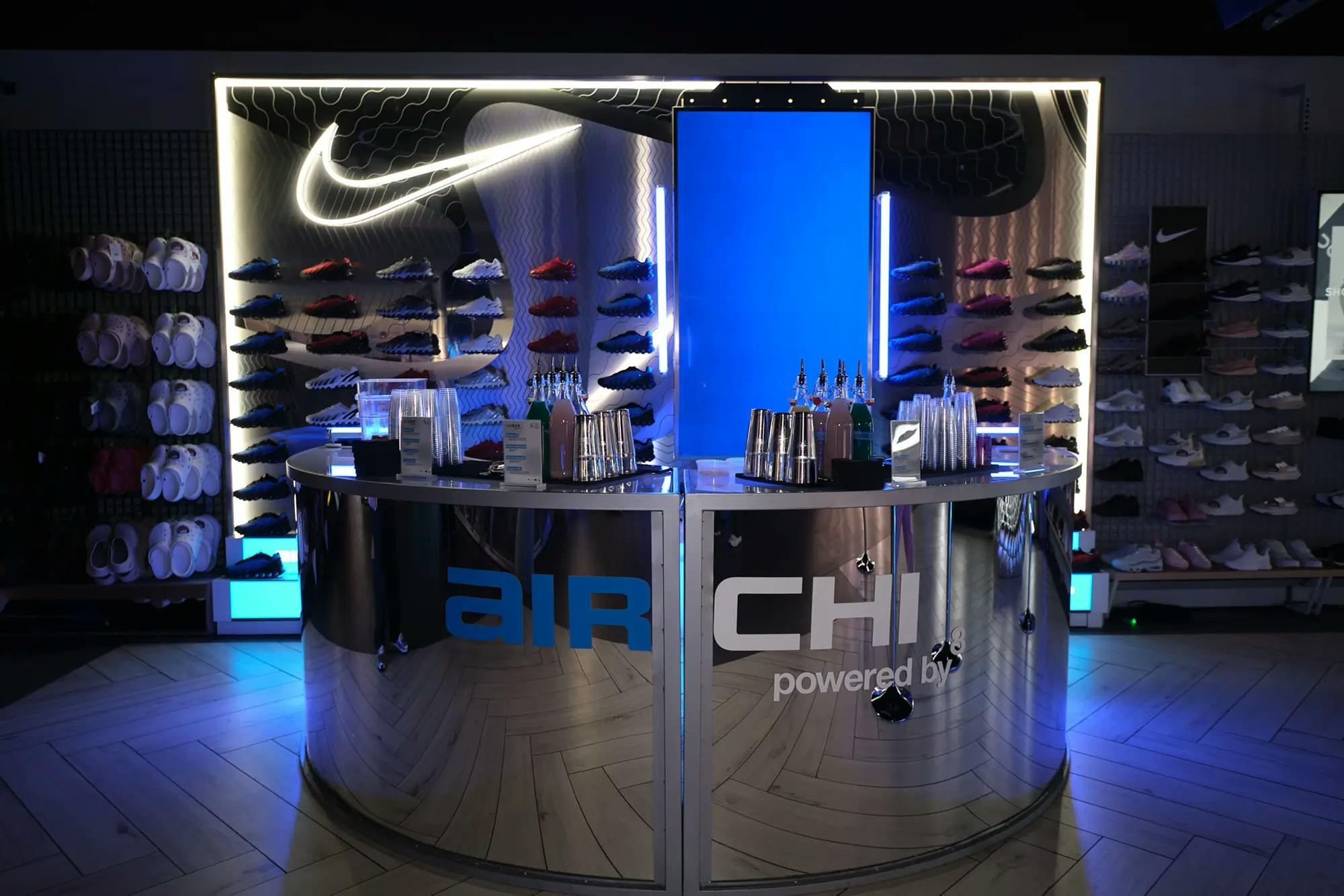
That kind of result, at that speed, doesn't happen without pre-production standards that can move fast without becoming informal.
For brands running programs across multiple markets, WONU's experiential strategy and multi-market production capability includes the vendor management frameworks and documentation standards that keep brand quality transferable across geographies.
On-Site Quality: What's Visible and What Isn't
Walk into a well-produced activation and the quality registers before you can identify a single element.
The light temperature is right. The sound sits at the level where conversation is still possible but the energy of the space is unmistakably present. Traffic flows the way the design intended, without guests having to read a floor plan to understand it.
None of those things are visible in the same way a custom fabricated fixture or a branded graphic wall is. They're the result of decisions made in the final 48 hours of production: the lighting focus, the speaker placement, the staff positioning, the sequencing of which elements get finished first so the space can be read as a whole before the first guests arrive.
Staff briefing is one of the most underweighted on-site quality variables. Brand environments fail not just when a build element doesn't hold, but when the people inside the space don't understand the experience they're meant to create. A team that knows the guest journey, the brand talking points, the sequencing of interactive elements, and the escalation process when something goes wrong is a quality control mechanism. A team that doesn't know those things is a liability, regardless of how well the space was built.
WONU's Canada Goose "Born in the North" pop-up at Bloomingdale's shows how the less visible production decisions shape the overall experience.
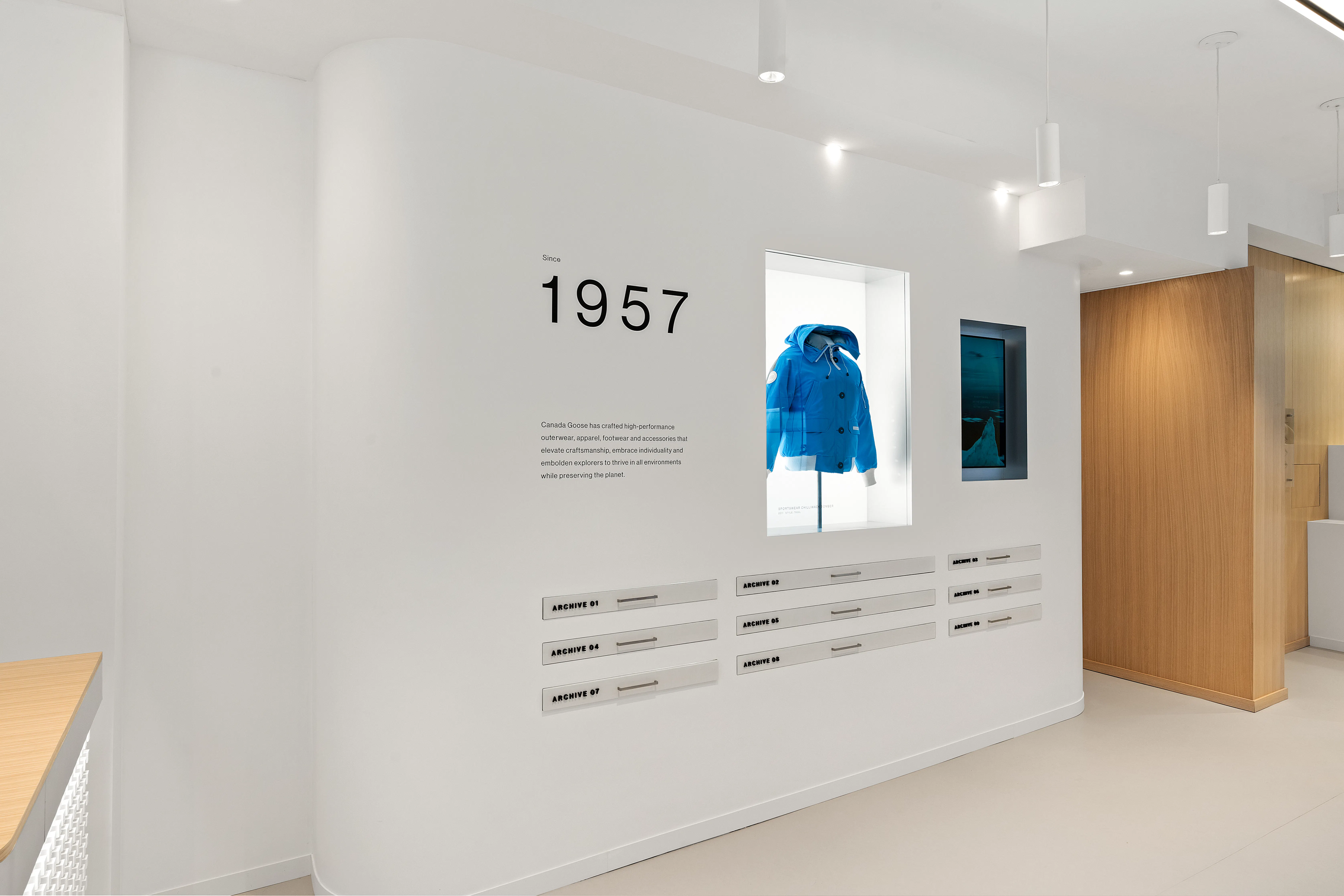
WONU transformed an unused sushi restaurant space on the retail floor into a brand heritage installation: edge-lit light tower window displays with organic fabric components, an exhibition-style multimedia archive wall with pullout archive drawers and a built-in TV niche, a custom workshop display counter, and custom flooring treatment.
The finished environment created a publicly accessible cultural destination from a space that had no retail identity. That result wasn't only about the fabricated elements. It was about how those elements were installed, lit, and sequenced to create a coherent guest experience rather than a collection of impressive parts.
WONU's creative direction and spatial design practice treats the on-site quality pass as a design phase: the moment when all the production decisions are evaluated as a complete environment, not a checklist of individual items.
How Do You Measure Quality After an Activation?
Quality control in event production doesn't end when the doors close. The measurement phase is where the production team captures evidence of whether the quality standards held, and where the debrief process generates the institutional knowledge that makes the next program sharper.
The most direct quality signals come from the guest experience data. Dwell time, the average duration a guest spends inside an activation environment, is one of the clearest indicators of whether the spatial design is doing its job.

BizBash notes that most serious event teams combine qualitative and quantitative data for a complete picture: pairing time-spent data with guest feedback to answer the question of whether the activation created genuine engagement, rather than just foot traffic. Low dwell time in a space designed for extended engagement is a production problem, not just a design problem. Guests who move through faster than intended are usually responding to a spatial cue the environment sent without meaning to: an unclear entry sequence, a sound level that drives exit behavior, a traffic flow that pools people in the wrong area.
Conversion behavior tells a parallel story. At Tools For Humanity's World activation in Los Angeles, 210 verifications were completed by 1pm, against a national program benchmark of 120. That result traces directly to specific production decisions: the placement of the verification stations within the spatial sequence, the flow logic of the interactive experience, the staff briefing that kept the process moving during peak hours.
Outcome data is production data, when you know how to read it.
Client and team debrief captures the qualitative layer: what held up against the brief, what diverged, where the production plan met a site condition that required an in-the-moment call. Event Marketer has documented the shift toward what leading agencies now call "Experiential Commerce," an approach that treats outcome data as production data, connecting build decisions to measurable consumer behavior rather than treating measurement as a separate post-event exercise. These aren't post-mortem conversations. They're the inputs that build better production standards for the next brief.
WONU's measurement and reporting framework connects on-site production decisions to post-event data, closing the loop between what was built and what it produced. For more on the metrics side of experiential production, how experiential marketing drives ROI and measuring success in experiential retail cover the quantitative frameworks in detail.
Frequently Asked Questions
Built In, Not Bolted On
The brands that produce consistently across markets and timelines aren't doing something fundamentally different in their creative approach. They've made different structural commitments: tighter briefs, earlier site intelligence, more rigorous vendor accountability, more intentional on-site quality passes. These aren't refinements layered onto the production process. They're the production process, for teams that take quality seriously.
An activation that earns attention, holds dwell time, and converts guests into something more than visitors is almost always the product of decisions made weeks before show day. Getting those decisions right requires a production partner with both the design fluency to understand what the brand is trying to build and the operational discipline to hold that standard through every handoff.
If your next program needs that kind of partner, start a conversation with our team.
Let's build
If you're thinking about how your brand shows up in the world, we'd love to hear from you.