

How Luxury Brands Actually Market During New York Fashion Week
The week the runways went up across Manhattan, the most talked-about room in fashion was a souvenir shop on Canal Street. It had folding tables of keychains out front and a full brand market inside, built for New York Fashion Week without a single runway seat involved.
That gap is the whole opportunity. For every brand with a show on the schedule, many more want the week's attention and have no runway to get it, so they build somewhere else. A market, a dinner, a pop-up worth crossing town for.
New York Fashion Week marketing, done well, is not about the runway at all. It is about the rooms around it. One of those rooms, a beauty launch in a Chelsea space with no kitchen, still came in 11 percent over its attendance goal, because it gave people a reason to show up that a front-row seat never could.
Here is how brands actually win the week.
What Does Marketing During New York Fashion Week Actually Take?
Marketing during New York Fashion Week takes a plan to win attention in the most crowded week the city runs, when hundreds of shows, dinners, and activations compete for the same editors, creators, and calendars. The runway is one channel. It is not the only one, and for most brands it is not the right one.
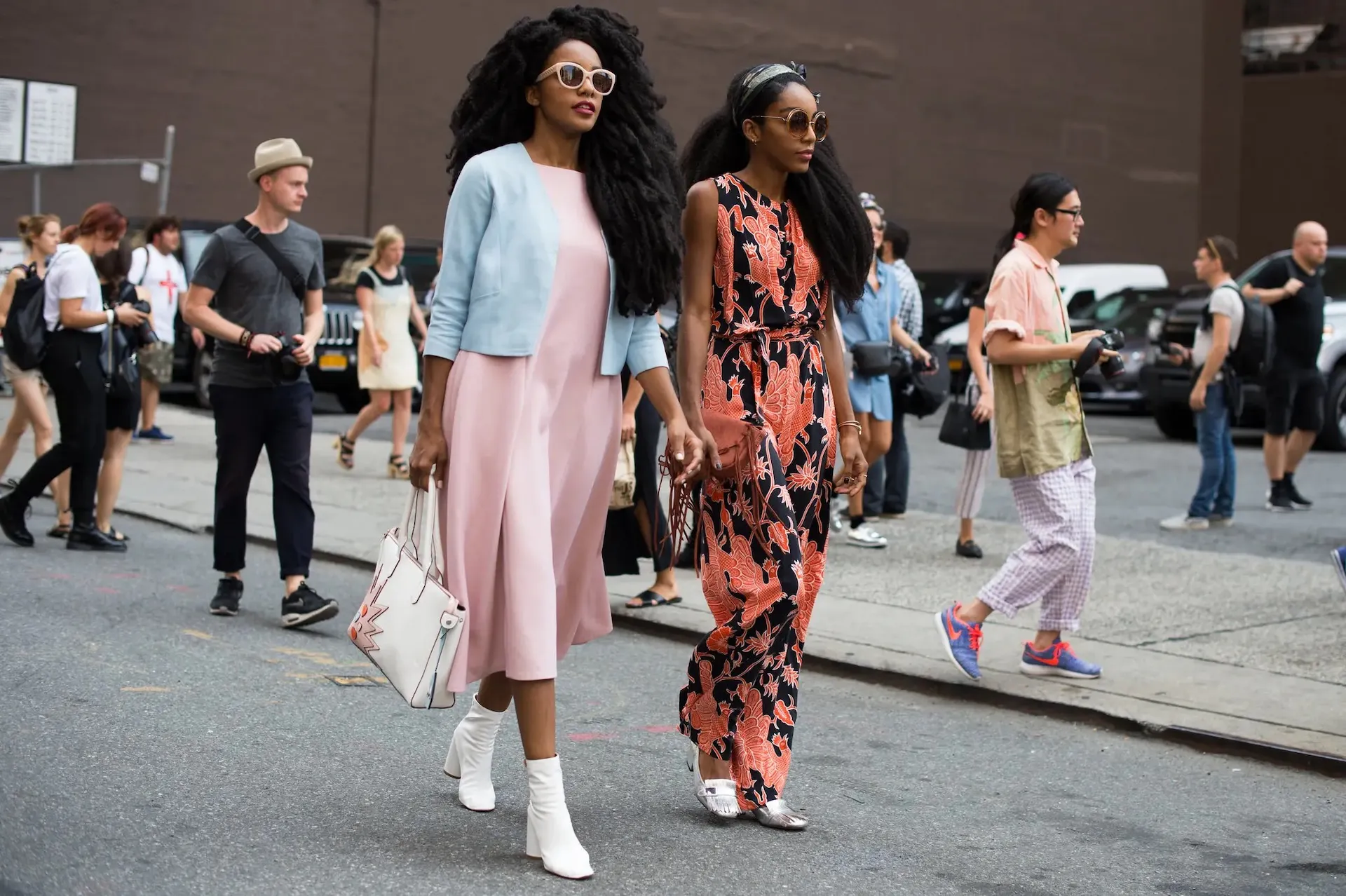
For every label with a show, many more brands go beyond the runway with pop-ups, product launches, and experiences timed to catch the same audience while it is already in town and paying attention. The show is a fifteen-minute broadcast. A room a guest can walk into runs for days.
That is the opening. A brand does not need a runway to own a piece of Fashion Week. It needs something worth leaving the schedule for.
Presence is the real currency here, not a slot on the calendar.
The Calendar Is Crowded, So Timing Is Strategy
The official Fashion Week calendar runs twice a year, in February and September, and it pulls the entire industry into New York at once. That concentration is the appeal and the problem in the same breath.
When every brand wants the same week, production crews, rental inventory, venues, and press attention all tighten together. A brand that decides late pays more for less, and often opens into a night when three other activations are fighting for the same guest list.
The brands that win tend to decide early and pick their moment inside the week. Opening a few days ahead of the rush can own a quieter news cycle. Anchoring to a specific neighborhood can borrow its energy. Timing here is not logistics. It is the strategy.
Plan the week backward from the attention you want, not forward from the date you booked.
The Off-Runway Play Has a Few Shapes
Off-runway does not mean one thing. The brands that use Fashion Week well pick a format that fits what they are actually trying to do, and the menu is wider than most assume.
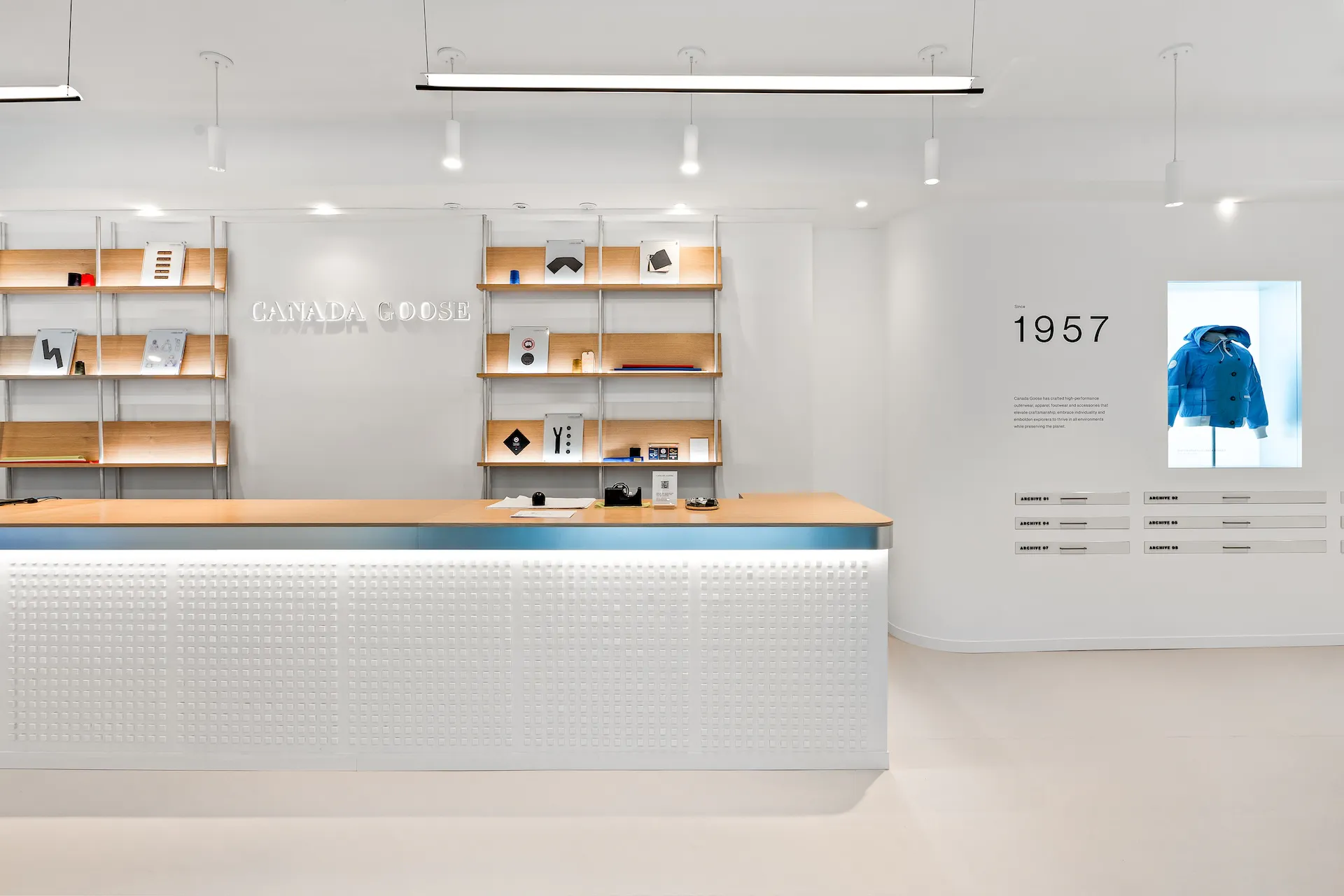
A branded market or pop-up works when the goal is reach and retail energy, a space people can walk into, touch, and buy from. A hosted dinner works when the goal is depth over volume, a smaller room that turns key guests, press, and partners into advocates. A retail takeover works when a brand wants to borrow an existing destination's foot traffic and reframe it, the way WONU rebuilt an unused corner inside Bloomingdale's for Canada Goose, with edge-lit archive displays and a workshop counter, into a heritage room in the middle of a department store.
The mistake is picking the format for its prestige instead of its purpose. A dinner that should have been a market reaches too few people. A market that should have been a dinner spends its budget on a crowd that was never going to convert.
Match the shape to the goal, and the week starts working for the brand instead of the other way around.
Capture the Block, Don't Fight It
The strongest Fashion Week activations do not drop a generic brand world into New York. They read the specific block they land on and use it.
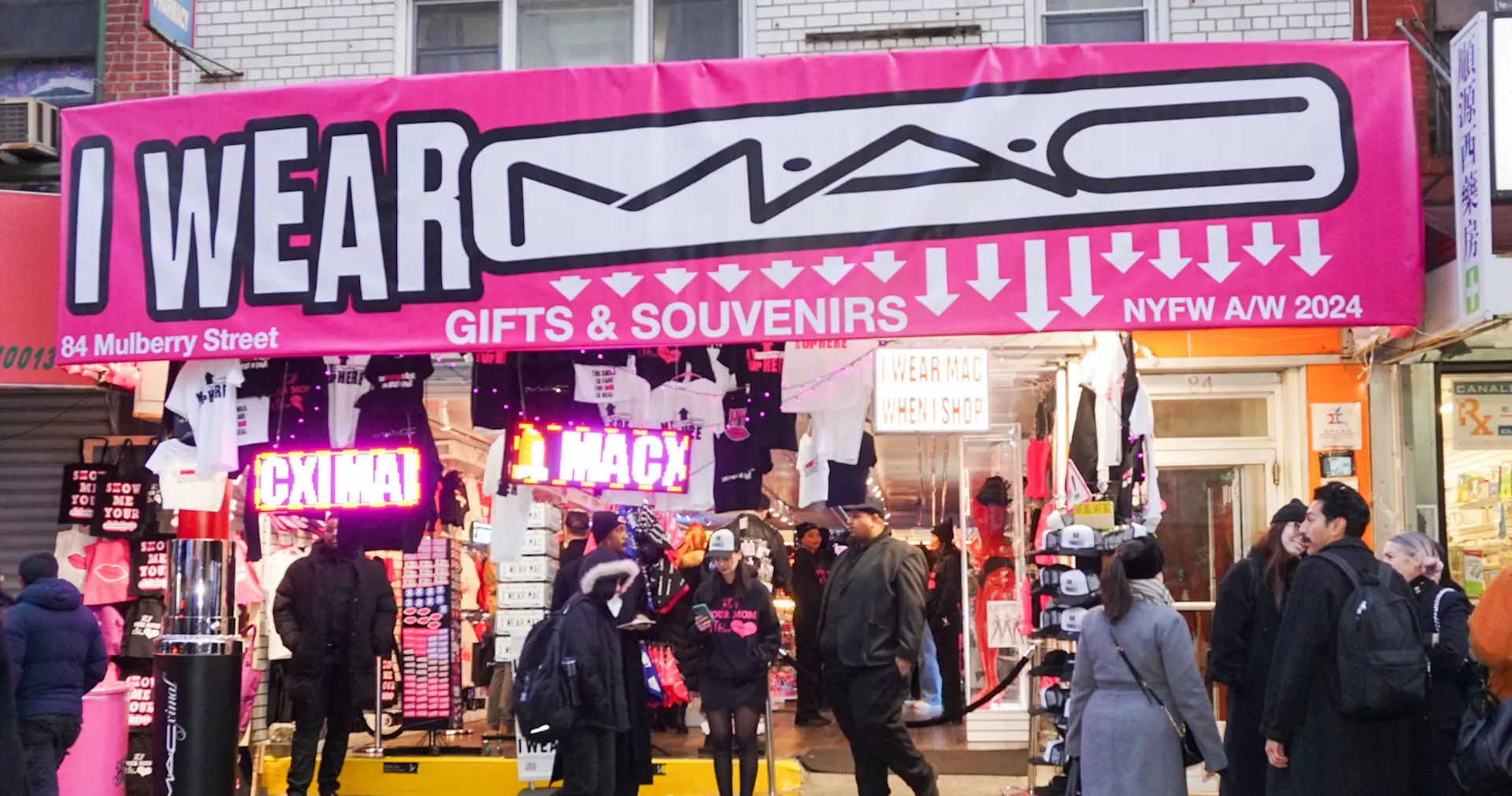
For M.A.C Market, WONU turned a Canal Street souvenir shop in Chinatown into a branded market during Fashion Week, and the move was to keep the block's tourist-retail energy rather than hide it. Inside went a gift shop of more than thirty custom pieces, a live-performance stage, a full bar, and a food truck, all built to feel authentic, energetic, and a little rule-breaking against a very high bar and a short timeline.
The result was a room that belonged to its street, which is exactly why it read as real instead of parachuted in. During a week when most brands are trying to look expensive, looking genuine is the harder and better trick.
Reading a location for what it already is, then building with it, is the center of WONU's creative direction and spatial design work.
Win the Editor and the Creator, or It Didn't Happen
A Fashion Week activation that no one photographs, posts, or writes about did not really happen, no matter how good the room was. The week runs on coverage, and coverage goes to the moments built to be shared.
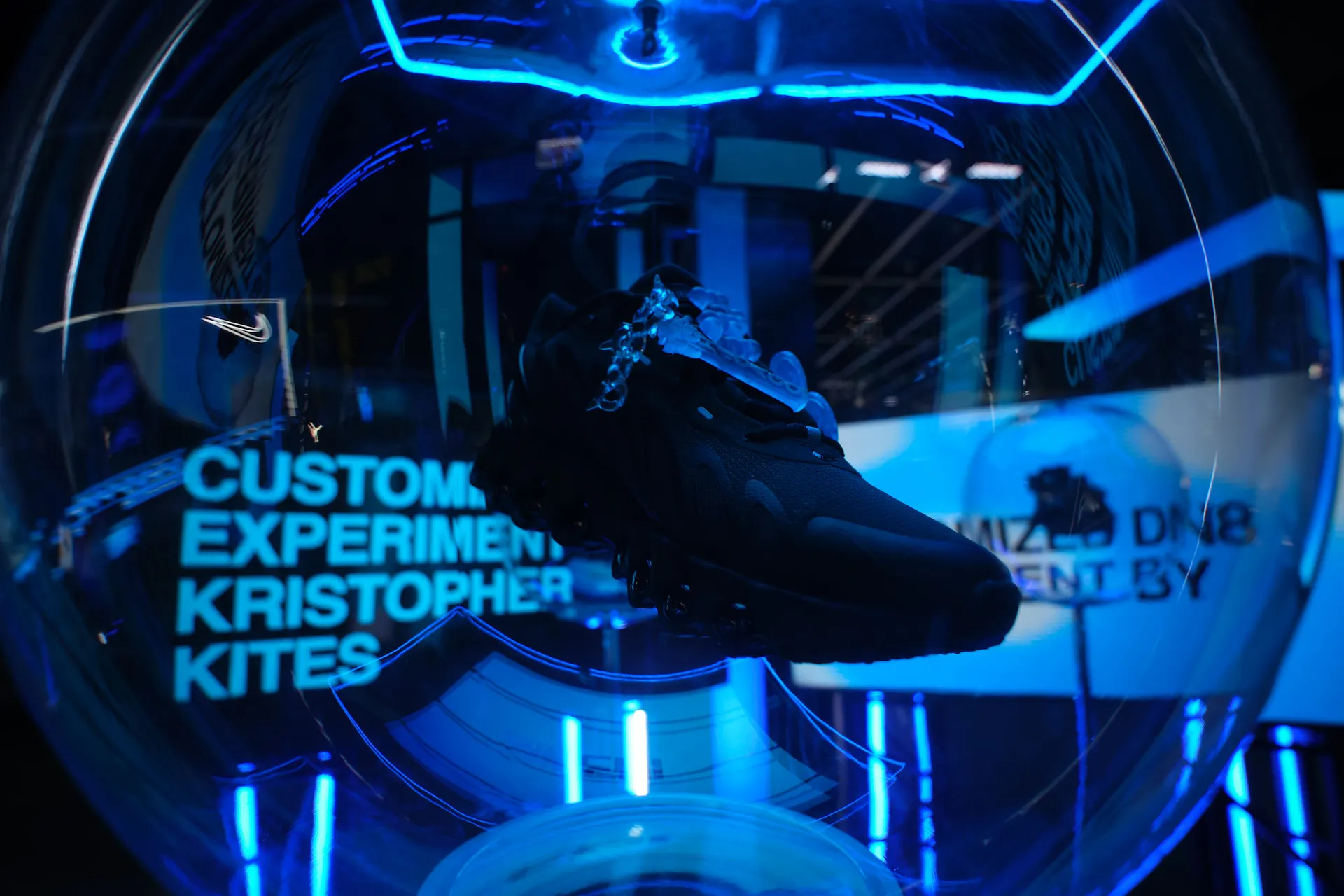
That means designing for the editor and the creator from the floor plan up, not as an afterthought. It is part of why beauty brands' Fashion Week pop-ups keep working: a space where a guest makes, customizes, or tries something gives them a reason to create content, and gives an editor a story with a picture attached.
WONU builds that logic in early. For a Nike launch with JD Sports, the activation was built around local creators customizing product by hand before doors opened, so the people most likely to post were also the people who helped make the thing. The content was not captured after the fact. It was designed into the room.
Engineering an activation's second life on social and in press is what WONU's amplification strategy and content capture work is built around.
How Do You Measure a Fashion Week Activation?
A Fashion Week activation is measured by whether it moved the things the brand came for: earned press, the right guests in the room, content volume and quality, and product interest that outlasts the week. Attendance and photos are the start, not the scorecard.
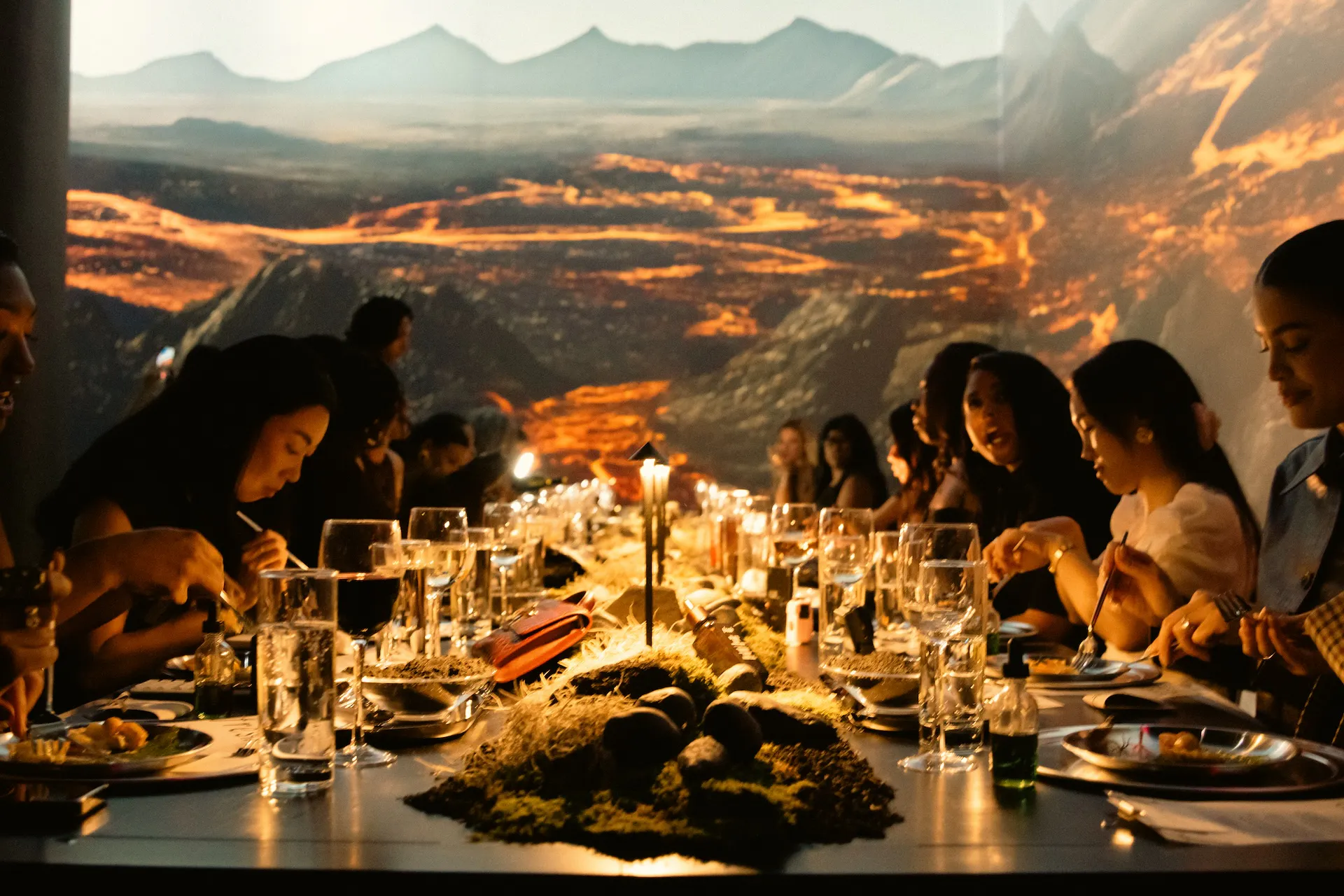
The honest signals are specific. The fresh Black Tea Serum launch in a Chelsea LED room came in 11 percent over its attendance goal and generated 5.75 million impressions, and the more useful number was how long guests stayed once the product story ran across the walls.
Decide what counts before the build, then set the room up to capture it. Choosing those signals up front, instead of counting whatever is easy afterward, is where WONU's measurement and reporting work earns its place.
Frequently Asked Questions
The Week Belongs to the Rooms
The runway shows will always be the headline of New York Fashion Week. The brands that get remembered are often the ones that were never on it, the ones that built a room the week could not ignore.
That takes reading the city and the moment, not just booking a date. It means choosing a block, timing the opening, and designing an experience people want to make part of their own story of the week.
A show ends when the last look walks. A good activation keeps working in the posts, the coverage, and the memory of everyone who walked through it.
If you're planning a brand moment for Fashion Week in New York and want a partner who builds for the week, not just a night, talk to WONU.
Let's build
If you're thinking about how your brand shows up in the world, we'd love to hear from you.