What Actually Gets a Luxury Activation Covered
At the JD Sports State Street flagship in Chicago, a Nike DN8 launch pulled 1,295 RSVPs against a goal a third that size, outsold every other Nike item in the store that day, and stacked more than three million paid impressions. The press coverage and the social reach didn't come from the shoe. They came from the decision to hand the day to eight Chicago creatives, who ran the customization workshops on the retail floor and turned a product drop into a story the city wanted to tell about itself.
That's the whole mechanic behind press coverage for experiential campaigns: editors and feeds carry stories, not products. At the luxury tier the mechanic is identical, but the gatekeepers have names. Vogue, Business of Fashion, WWD. They're harder to move, and they decide fast. Earning their attention is a build, not a hope.
What gets a luxury activation covered?
A luxury activation gets covered when it hands the press a story bigger than the brand, gives the right journalists clean access to it, and makes the images effortless to publish. Coverage is decided in the planning, not at the door. The brands that get written up aren't the ones with the biggest budgets; they're the ones that gave an editor something worth an editor's byline.
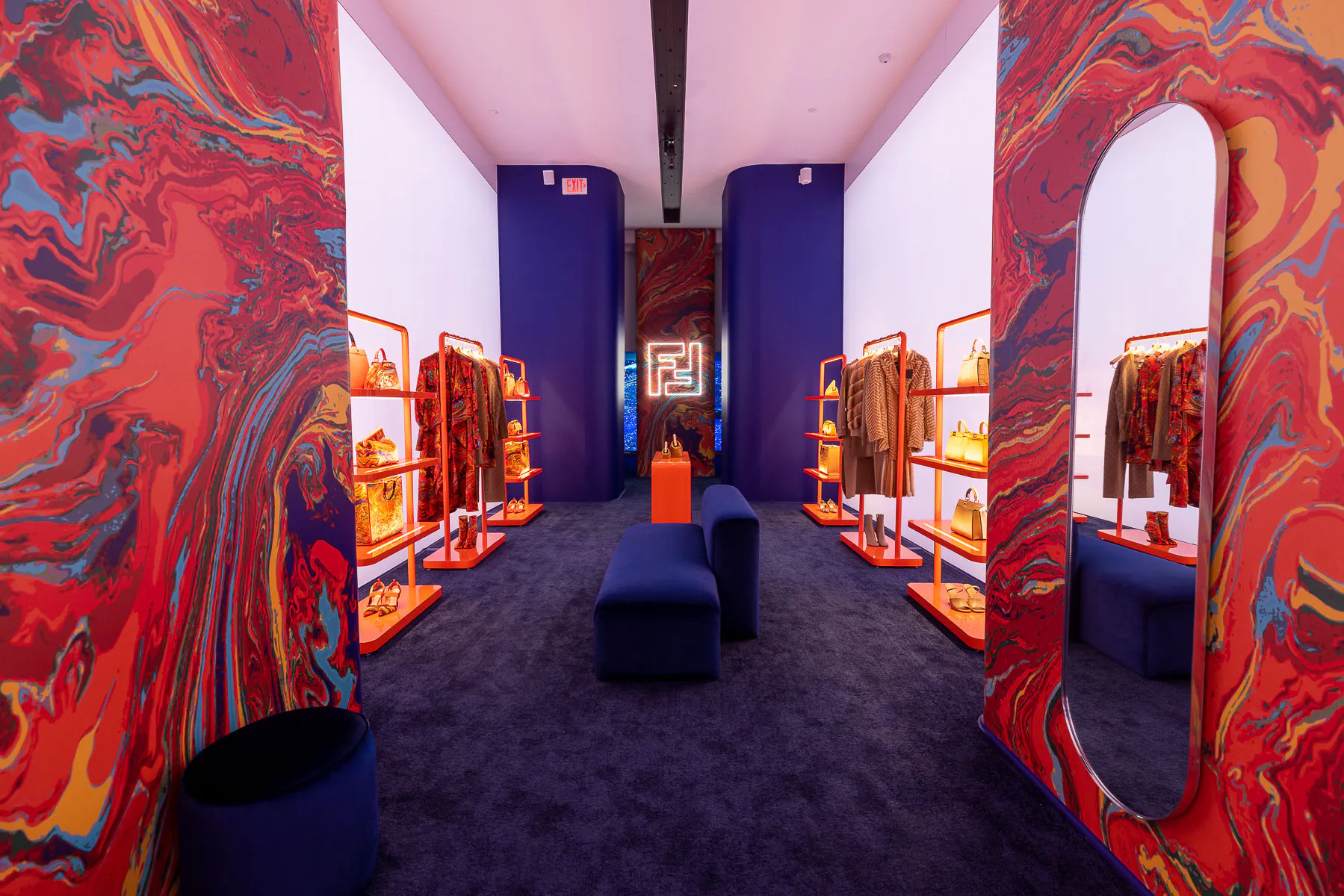
Press coverage for experiential campaigns is the earned editorial and media pickup an event generates, as distinct from the paid reach a brand buys around it. In luxury, the distinction matters more than anywhere else, because a single feature in a tier-one fashion title carries authority that no amount of paid placement reproduces.
Three levers decide it, and all three are set before the invitations go out. The story the event tells. The access the right journalists get to it. And how ready the images are to run the morning after. Miss any one and the coverage thins, no matter how good the room looked.
The cross-channel mechanics, real-time social, creator coordination, the always-on content engine, are covered in the broader playbook on PR and social from live events. This guide stays in the luxury-press lane, where the outlets are fewer, the bar is higher, and the relationship is everything.
Start with the story, not the guest list
Fashion and luxury editors don't cover events. They cover stories that happen to take place at events. The first question isn't who to invite; it's what the activation is actually about, and whether that subject can stand on its own in a headline without the brand's name propping it up.
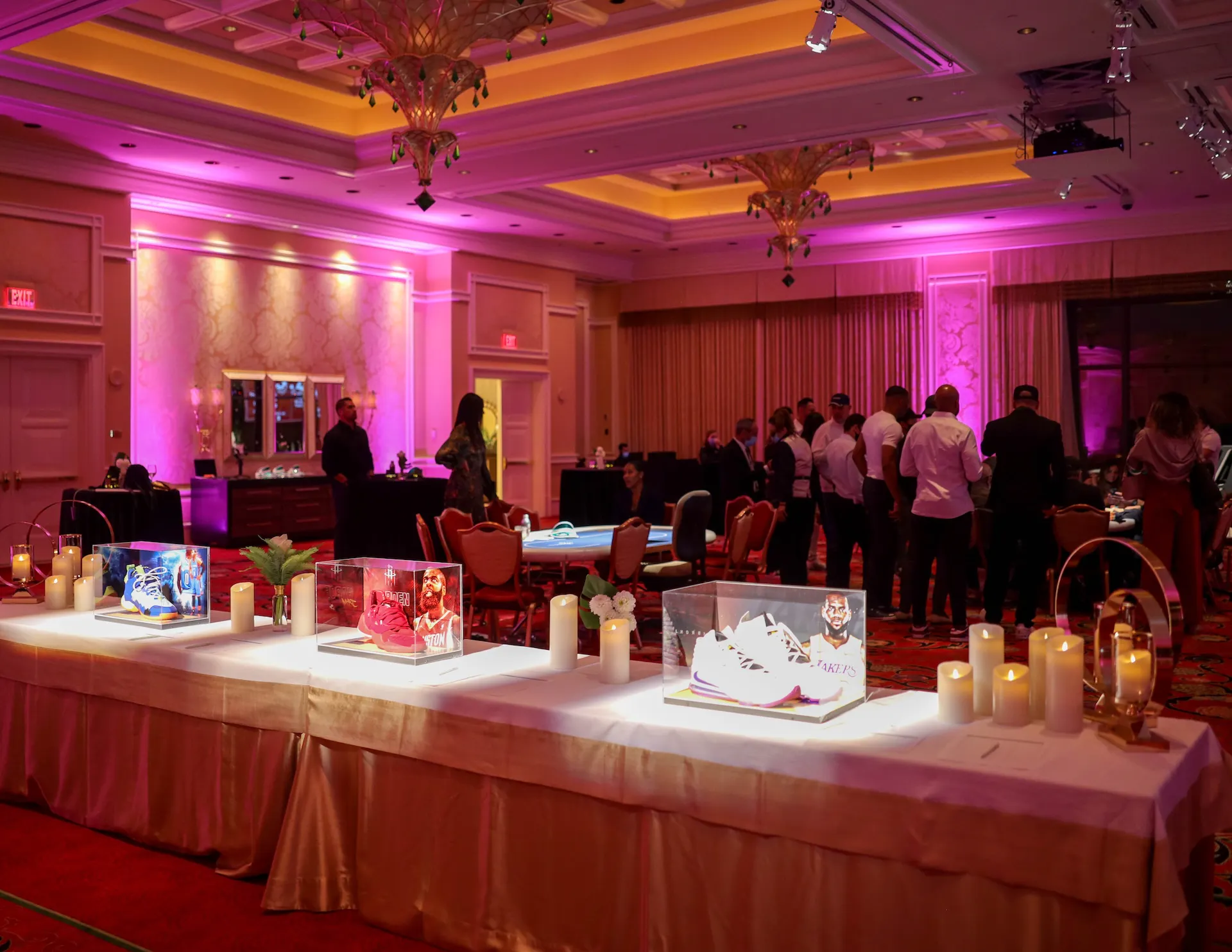
The strongest pegs are the ones already pulling press gravity. A milestone the audience cares about. A collaboration with genuine cultural weight. A tie to a moment that's already on the media's calendar. WONU's Hennessy Reimagines New Orleans activation worked on exactly this logic, staging a branded restaurant takeover at the beloved Turkey and the Wolf during Tales of the Cocktail, when the drinks press was already in the city. The "Made for More" narrative of high-low Southern hospitality gave writers a cultural story, not an ad to ignore.
A milestone does the same work. Unbothered's fifth anniversary gave The Glow Up a reason to exist beyond the brands inside it, a news peg an editor could open a piece with.
The test is simple. Could a journalist write the first paragraph of their story without mentioning that it was sponsored? If yes, there's a story. If the only available lede is "Brand X threw a party," there isn't one yet, and no guest list will fix that. The narrative is also what your influencers and celebrities at the event end up amplifying, so it has to be set first.
The exclusive invite and the press preview hour
Luxury press responds to luxury treatment, and a mass invite blast is the opposite of that. The invitation itself should signal the same exclusivity the brand sells. That means a researched, personal list of the specific editors and writers whose actual beat is this category, addressed by name, with a reason this particular story fits what they cover. Twelve right invitations outperform two hundred generic ones.
The single most underused tactic in the category is the press preview hour. A dedicated window before the public crush, when journalists and photographers get unhurried access, clean sightlines, the founder or designer for a real quote, and first images before the room fills with phones. The preview hour is where coverage is actually written, because it's the only time the activation looks the way the brand intended and the journalist isn't fighting a crowd to see it.
Access this controlled is a production problem before it's a PR one. Building a quiet, camera-ready preview window into the run of show without compromising the public event is the kind of orchestration our production and project management practice exists to hold. The room has to be finished early, lit twice, and staffed for two different audiences in the same day.
Hand them the photographs they'll actually run
A tier-one fashion title will not run a guest's phone photo. It runs editorial-grade imagery, high resolution, correctly lit, properly credited, delivered fast. If the brand can't supply that, the placement either shrinks to a text mention or doesn't happen. The photography isn't documentation of the event; for press purposes, it is the event.
That's why the content capture has to be designed into the production from the floor plan, not added as an afterthought. The hero shots, the sightlines a camera needs, the lighting that reads on a screen as well as in the room: those are spatial decisions made weeks before anyone arrives. WONU builds professional photography and content capture into the production itself, the same in-house capability that shot the Nike Chicago and Tools for Humanity activations, so the press-ready gallery exists the moment the preview hour ends.

The kit that goes around the images matters too. A tight fact sheet: what it is, who made it, the credits a magazine needs to publish without chasing, the dates, and the narrative in two clean lines. Make the editor's job effortless, and you've removed the last reason not to run it. The strongest version treats the gallery and kit as a deliverable in their own right, which is where amplification strategy and content capture does its wo
Track the coverage that actually matters
In luxury, coverage is weighed, not counted. One feature in Business of Fashion or a Vogue placement outranks fifty aggregator reposts, and a tracking approach that treats them as equal is measuring the wrong thing. The first question after any activation isn't how many pickups landed; it's whether the outlets that confer authority in this category ran it, and how well.
So the tracking has to be tiered. Which named publications covered it, whether each ran a full feature or a passing mention, whether they used the supplied photography, and where the story traveled after the first placement through syndication and reuse. That qualitative read is the real return, and it's a different exercise from the cross-channel reach metrics in the general playbook.
Follow-up is part of tracking, not separate from it. The press gallery and fact sheet should reach every attending journalist, and anyone who expressed interest, within twenty-four hours, while the event is still warm and embargoed pieces are still being written. Capturing placement quality, not just placement volume, is exactly what our measurement and reporting work is built to surface. A brand that only counts pickups will keep optimizing for the wrong number.
Frequently Asked Questions
The Story Leaves the Room
The build comes down in a day. The coverage, the photography, and the relationships with the editors who showed up are what stay, and they compound. A strong gallery becomes an owned image library the brand uses for a year. A tier-one feature becomes a permanent citation. An editor who had a clean, generous experience at the preview opens the next email.
None of that is luck. It's decided in the run of show, the invitation list, the lighting plan, and the press kit, long before a single journalist walks in. The brands that treat press as infrastructure get covered. The ones that treat it as a hope get a beautiful room nobody wrote about.
If your next luxury activation needs to earn the coverage, not just deserve it, start a conversation with us and we'll build the press strategy into the production from the start.
Let's build
If you're thinking about how your brand shows up in the world, we'd love to hear from you.