

Understanding the Luxury Consumer in 2026:
Who They Are, What They Value, and Why Experience Has Become the New Currency
The luxury consumer in 2026 isn't who brands spent the last decade designing for. Walk through any high-end flagship on Fifth Avenue today and the picture has shifted: younger faces, more globally distributed spending power, and a purchasing logic that places lived experience well ahead of logo display. Something changed during the pandemic years that wasn't a blip. It was structural.
The people who can spend on luxury are now asking not what they own, but what they felt and where they were. That shift has real consequences for how luxury brands design their physical presence, their events, and their activations. Understanding who the luxury consumer actually is in 2026, what they value, what they're spending on, and what they genuinely expect from brand experiences, is the starting point for getting the physical strategy right.
The Market in Stabilization: What the Numbers Actually Tell Us
The global luxury market reached €1.44 trillion in total spending in 2025, according to the annual Bain-Altagamma Luxury Goods Worldwide Market Study. That number sounds stable. Read deeper and the picture gets more pointed.
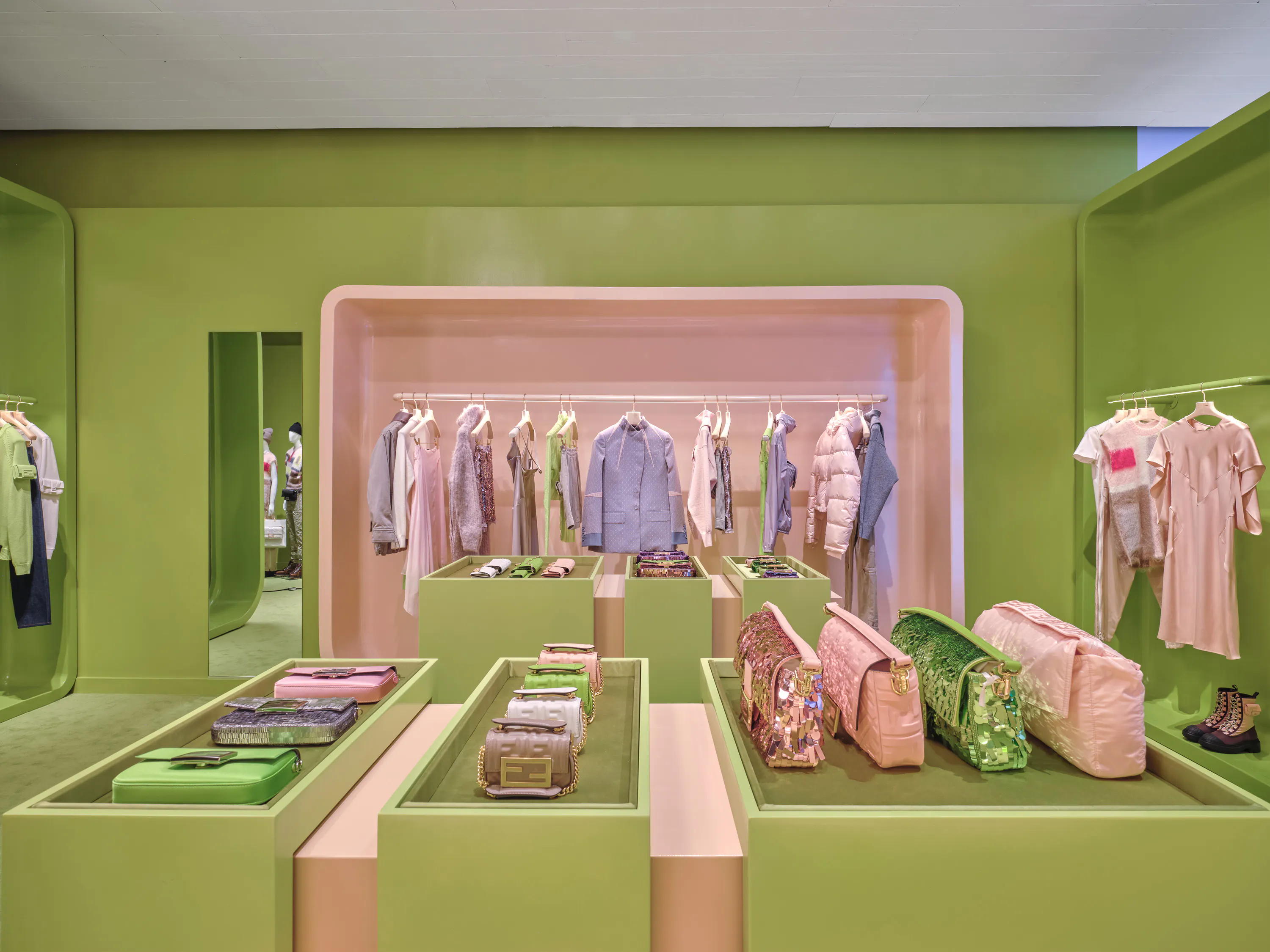
Personal luxury goods held roughly flat at €358 billion. The consumer base itself contracted, from 400 million active luxury buyers in 2022 to around 340 million by end of 2025. New customer acquisition fell approximately 5% year over year. Aspirational buyers pulled back. The shoppers who stayed became more selective, not less engaged.
One segment grew. Luxury experiences, including wellness retreats, private hospitality, fine dining, and curated cultural events, rose approximately 3%, extending a sustained multi-year run. Since 2023, experience categories have been the only segment of the luxury market contributing net positive growth. Bain describes the underlying current as a move away from conspicuous consumption toward what its researchers call "experiential indulgence" as the new marker of status.
That's a structural change, not a cyclical one. It isn't belt-tightening. It's a redefinition of what luxury actually means to the people spending on it.
Regionally, the Americas held relatively firm in 2025, posting growth of 0 to 2% while other major markets contracted. New York City is where much of that resilience lives. According to JLL's luxury retail analysis, New York leads the country as the top destination for new luxury store openings, with Madison Avenue, Fifth Avenue, and SoHo ranking as the three most active urban districts nationally, even as the broader luxury goods market absorbed headwinds.
Newly opened luxury retail square footage in the U.S. increased 65.1% in the first half of 2025; a disproportionate share of that activity landed in Manhattan. The city's retail sales tax revenue, a reliable proxy for on-the-ground spending, rose 4.9% year over year through September 2025, per the Partnership for New York City's economic tracking. NYC isn't immune to global softness, but it's behaving like a market in a category of its own.
Who Is the Luxury Consumer in 2026? A Demographic Shift in Real Time
The luxury consumer demographic has changed substantially over the past decade, and the pace of that change hasn't slowed.
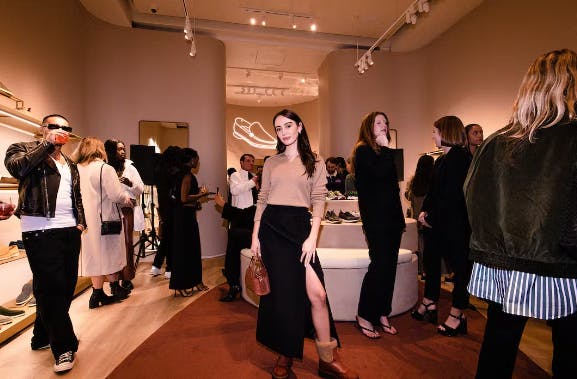
Millennials (born roughly between 1981 and 1996) remain the largest generational block of luxury spenders globally, accounting for approximately 45% of total luxury goods expenditure, per Statista's luxury market analysis. Their spending behavior is deliberate: they research, compare, and hold brands to a standard of sustained relevance. Heritage alone doesn't carry the conversation the way it once did.
Gen Z is arriving faster than many brands anticipated. This cohort now represents around 20% of luxury expenditure and is expanding its share at a faster rate than any prior generation at the same life stage. The behavioral difference from millennials is measurable. Bain's mid-2025 luxury analysis describes Gen Z consumers as "seeking creativity, excitement, and emotional re-engagement" at a moment when brand engagement broadly has cooled: social media follower growth is down 90% across more than 40% of luxury brands, and engagement rates have fallen 40% since 2022, largely attributed to price fatigue and what Bain calls stagnant creativity.
Geographically, the map has been redrawn. The Middle East grew 4 to 6% in 2025 and is outperforming every traditional luxury hub. Southeast Asia, India, Latin America, and parts of Africa combined now match Mainland China in luxury market scale, at around €45 billion. The center of luxury gravity in 2026 is plural. Brands still operating with a three-market mental model are already working with an incomplete picture.
Why Are Luxury Experiences Outperforming Luxury Goods Right Now?
The data on experiential luxury is consistent. Since 2023, categories like private hospitality, curated wellness, and immersive cultural events have been the only luxury segments contributing net growth to the overall market. In Q1 2025, experiential luxury continued to outpace tangible goods, with luxury hospitality particularly strong on the back of rising hotel occupancy and extended stays, per Bain's mid-year reporting.
Experiential luxury describes spending on encounters, events, and curated moments rather than durable goods. The category runs from a week at a private wellness retreat in the Japanese Alps to a custom brand activation in a converted SoHo townhouse to a pop-up built specifically around a collection's material story.
The World Luxury Chamber's 2026 consumer analysis frames this shift directly: affluent consumers today prioritize experiences over ownership, with growing demand for encounters that are meaningful, memorable, and personal. Travel and hospitality rank as the top choice for high-net-worth individuals across gender, region, and generation. And within that demand, "experiential indulgence" has replaced conspicuous consumption as the primary status signal.




For brands investing in physical presence, the implication is concrete. A booth, retail activation, or pop-up that functions primarily as a distribution point no longer justifies the real estate it occupies. The visit has to produce a feeling that the product alone can't deliver. That's where experiential marketing strategy has to enter the brief before a single spatial or material choice is made. You're not designing a display. You're designing an encounter.
For more on how luxury brands are translating this principle into measurable outcomes, the benefits of experiential marketing for luxury retailers covers the evidence in depth.
The Chinese Luxury Market's Quiet Recalibration
China's luxury market contracted an estimated 3 to 5% in 2025 at constant exchange rates, per Bain. That headline number obscures what's actually shifting. Chinese consumers aren't spending less on luxury broadly. They're redirecting: toward domestic brands with cultural resonance, toward experience-driven categories, and toward a different value system altogether.
Gen Z and millennial buyers in China account for an estimated 70% of the country's luxury spending, per analysis from Istituto Marangoni, with the average Chinese luxury consumer sitting around 28 years old, roughly a decade younger than the global average. Logo-centric purchases are losing ground. What's gained in their place: cultural identity, craftsmanship with local resonance, and experiences that affirm a refined sense of self rather than broadcast wealth. Domestic heritage brands like Shang Xia, built around traditional Chinese craft, have grown alongside the international houses rather than at their expense.
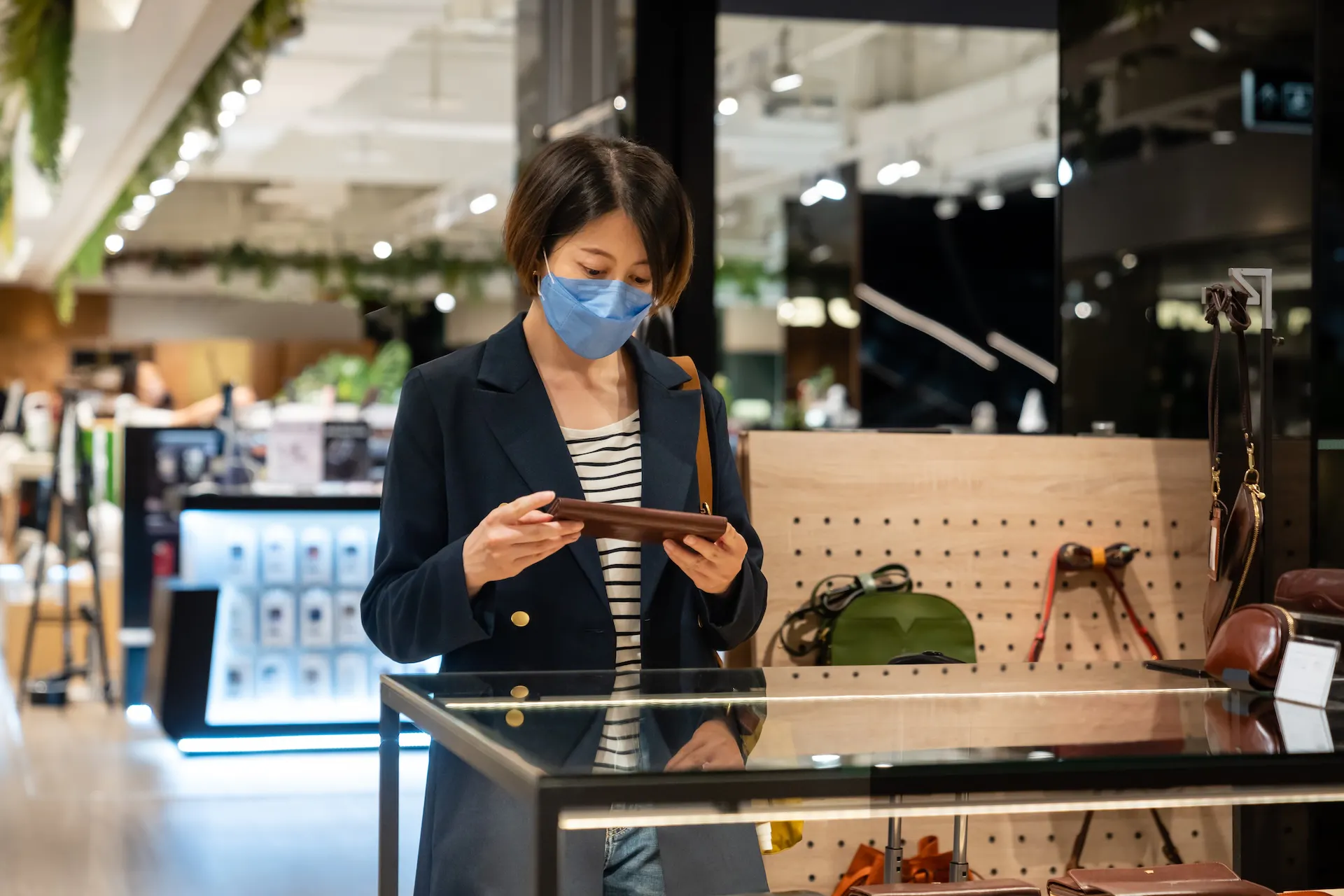
The "quiet luxury" trend is prominent here. Economic uncertainty and social pressure have shifted preference toward understated, high-quality items over overtly branded products, reflecting what analysts describe as a cultural transformation in which status symbols change shape rather than disappear.
For international brands, the implication is pointed. Generic global rollouts don't land in this market. What works is specificity: culturally fluent design, local creative partnerships, and activations that feel built for this audience rather than adapted for it. Tencent's 2024 Luxury Report frames the expectation plainly: young Chinese consumers want brands to function as lifestyle curators, not status vendors. The brief that follows from that is fundamentally experiential in nature.
What Does Personalization Actually Mean at This Level?
Personalization in luxury used to mean a monogram on a bag or a first name in an email. That threshold has moved considerably.
The modern luxury consumer expects personalization to operate at the level of the experience itself: communication that reflects actual preferences, activations designed around specific cultural reference points, physical spaces that feel built for a person rather than a segment. Among Chinese luxury consumers, 90% say they're willing to pay a premium for genuinely personalized products and experiences, though 66% express concern that AI-driven personalization at scale risks undermining the exclusivity they value. That tension isn't unique to Chinese buyers. It sits at the center of how every luxury brand is thinking about customization right now.
The question is: how do you apply data-enabled personalization without making the experience feel mass-produced?
The answer, increasingly, is physical space. A well-designed activation can deliver genuine personalization in a way that digital touchpoints still struggle to replicate. When someone walks into an environment clearly built with their values, their aesthetic, and their cultural identity in mind, the feeling of being seen doesn't require an algorithm. It requires craft.
This is where creative direction and spatial design functions as the mechanism for personalization that doesn't flatten into sameness. Material, light, sequence, scent: these choices communicate intention before a single brand message is consciously registered.
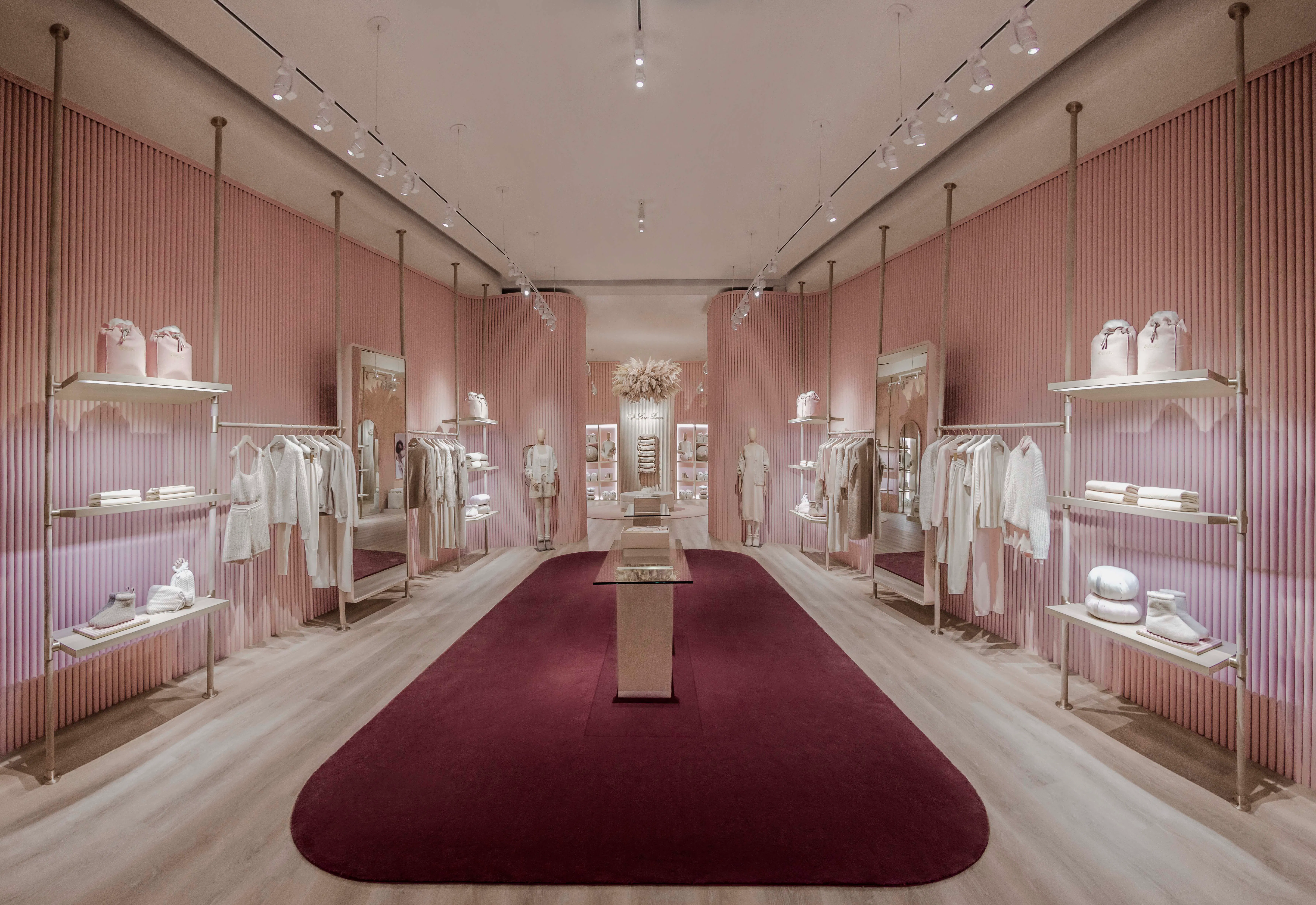
WONU's Loro Piana Cocooning pop-up illustrates exactly this. The space used custom fixtures wrapped in woven cane with rounded brass detailing to translate the collection's tactile emphasis on natural fibers into a walk-through environment. The fabrication language matched what the brand was actually saying about its materials. Nothing announced itself. Everything communicated.
For more on how personalization functions at the campaign and strategy level, personalization in experiential marketing covers the mechanics across formats.
Sustainability Has Shifted From Signal to Standard
Among Chinese millennial luxury consumers, 62% say they actively prioritize sustainable luxury goods when making purchasing decisions, per Deloitte's 2024 luxury consumer report. That number is notable, but not primarily because it's high. What matters is what sustainability has become in this context: not a differentiator, but a baseline expectation.
Younger luxury consumers globally no longer view sustainability commitments as exceptional. They view their absence as disqualifying. This is a materially different relationship with the issue than existed five years ago. Then, sustainability was a halo. Now it's a floor.
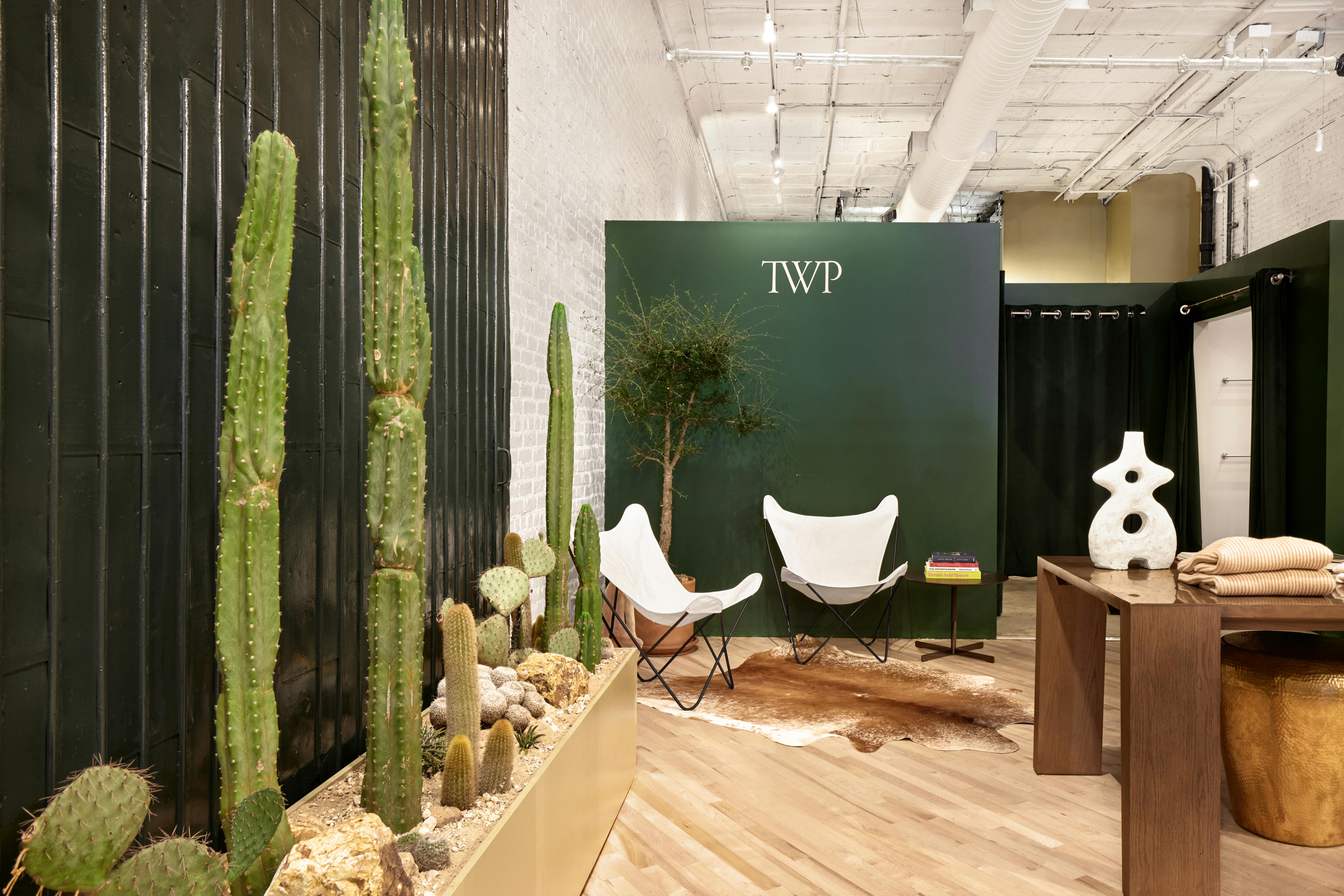
For experiential brand moments, this creates a design constraint that's also a creative opportunity. Materials sourced responsibly, fabrication methods that minimize waste, structures built to be reconfigured rather than discarded: these choices now carry brand signal in the same way material quality does. The luxury consumer reads the room, literally. What the space is made of, and how it was made, is increasingly part of their experience of the brand itself.
The strongest brands communicate sustainability through design choices, not press releases. The story is in the materials. Getting that story right requires the kind of production and project management discipline that builds activations capable of holding up under close material scrutiny, both logistically and ethically.
New York City as the Luxury Consumer's Most Competitive Testing Ground
New York City isn't just the largest luxury market in the Americas. It's the city where the global luxury consumer's expectations get pressure-tested against the most concentrated and competitive physical retail environment in the United States. What works here, and what doesn't, tends to travel.
The real estate data tells a specific story. According to Cushman & Wakefield's luxury retail analysis, availability on Fifth and Madison Avenues has halved over the past five years, now sitting at just 13 to 15%. SoHo's Spring and Prince Streets are tighter still, at approximately 10%. Meanwhile, REBNY's retail market reporting for 2025 places SoHo's Broadway corridor median asking rent at $726 per square foot, within 12% of its 2016 all-time peak. Upper Fifth Avenue asking rents rose 17% in the first half of the year. This isn't a rebound. It's scarcity, and it's structural.
The scarcity is forcing a strategic shift in how luxury brands inhabit Manhattan. Between 2023 and 2024, at least 14 major luxury retailers, including LVMH, Kering, Prada, and Rolex, made direct real estate purchases in New York City rather than signing leases. The bet isn't just on retail traffic. It's on control: the ability to build environments on their own terms, for the long run, without interruption from landlord cycles.
That bet is also driving a pronounced pivot toward hospitality as retail infrastructure. Manhattan has become the clearest laboratory in the U.S. for what this model looks like in practice. Tiffany's Blue Box Cafe at 727 Fifth Avenue, LVMH's Le Cafe Louis Vuitton at 6 East 57th Street, Prada's new cafe at 142 Mercer Street, Armani's restaurant on Madison Avenue: these aren't ancillary amenities. They're architectural arguments for dwell time. The longer someone stays inside a brand environment, the more the space does the work that a sales floor can't. What looks like hospitality is, in spatial terms, experiential retail design operating at its most intentional.
As marquee corridors reach capacity, luxury activity is spreading into adjacent neighborhoods. NoHo, NoLita, Bleecker Street in the West Village, and increasingly Williamsburg are drawing smaller boutique brands priced out of SoHo and Madison. These aren't fallback locations. They're where a new wave of younger, experience-oriented luxury buyers already spends time. The map of where NYC's luxury consumer moves has gotten wider, and brands building physical experiences need to follow it accordingly.
The disruption at Saks Global, which filed for Chapter 11 in January 2026 following a debt-heavy merger, adds another variable to the picture. If the Fifth Avenue flagship eventually closes or significantly contracts, brands that relied on department store co-tenancy will need new physical strategies fast. Pop-ups, activations, and short-cycle experiential formats become more important, not less, when flagship real estate compresses. The brands best positioned to respond are already treating standalone events and custom-built activations as primary channel strategy rather than supplementary marketing.
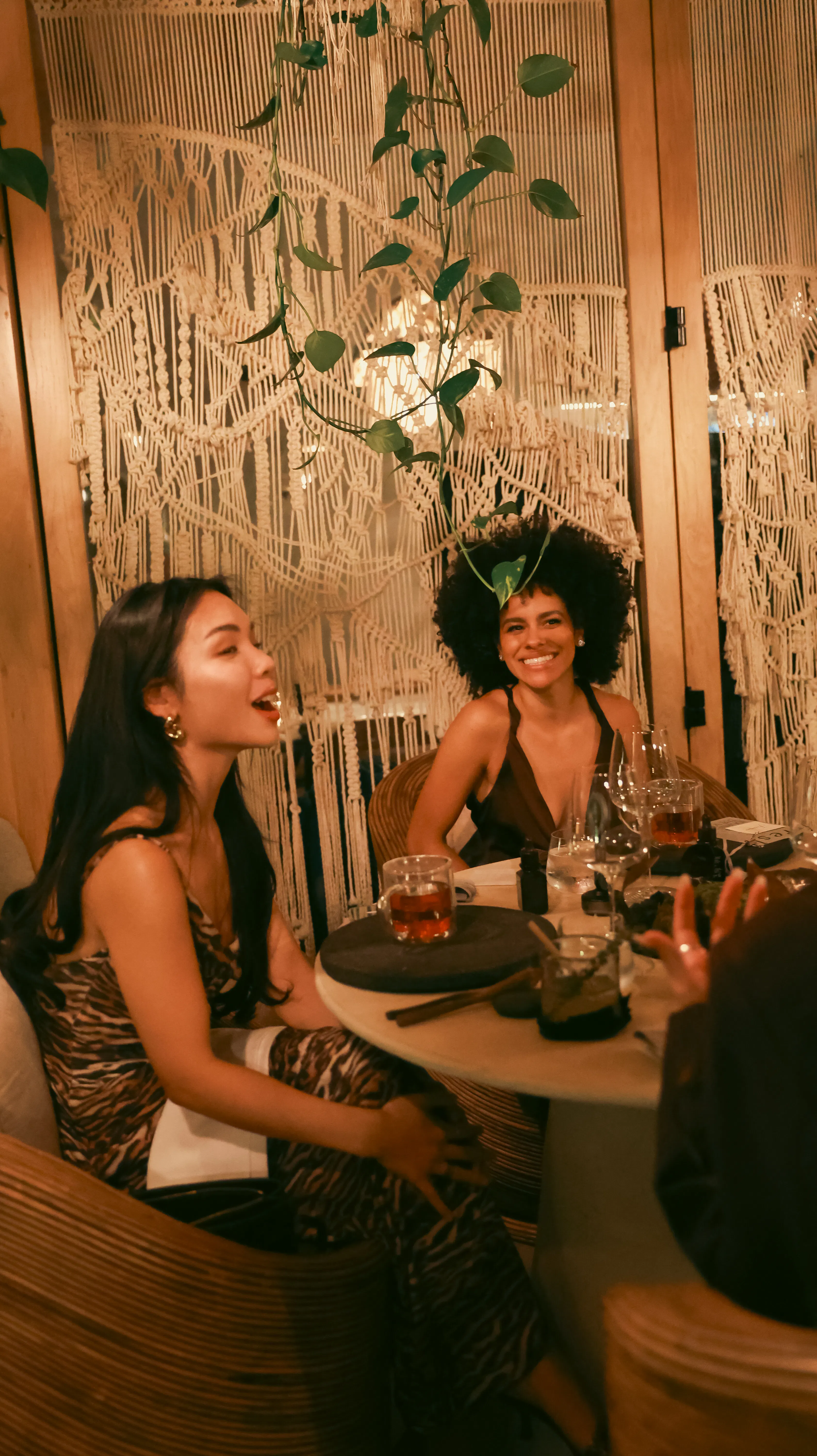
WONU's base in Brooklyn, with deep working relationships across Manhattan's core luxury corridors, positions the studio precisely at the intersection of this shift. Work like the fresh Black Tea Serum Launch put a brand's most significant product moment into a physical activation built for a specific audience in a specific neighborhood, producing the kind of dwell time and documented engagement that a Madison Avenue counter can't generate on its own.
The luxury consumer in 2026 is experienced, selective, and holds a high bar for both physical quality and cultural specificity. They've attended activations. They've seen what generic looks like. They know the difference between a space designed for a demographic and one designed for who they actually are.
The brands getting consistent traction share a few qualities. They build experiences with cultural specificity rather than cultural adaptation. They use physical space to produce emotional outcomes that digital channels can't replicate. They invest in measurement that captures engagement quality, not just footfall.
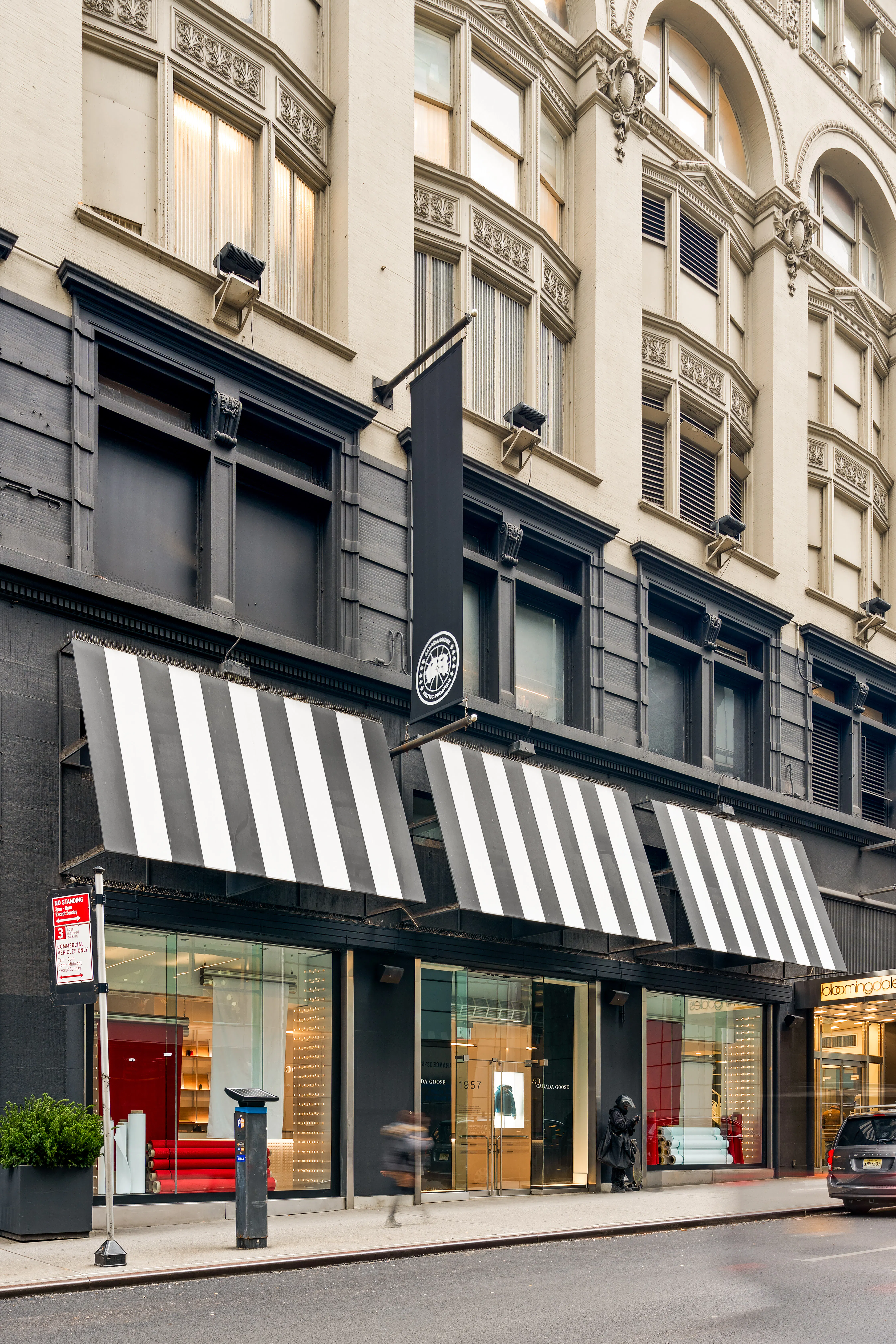
WONU's work with Canada Goose on the Born in the North holiday pop-up reflects this approach: the activation was built around the brand's geographic and material identity as a distinctly Northern label, using spatial and fabrication choices to make the brand's origin story felt rather than stated. Visitors weren't told what the brand stood for. They experienced the climate, the craft, the restraint.
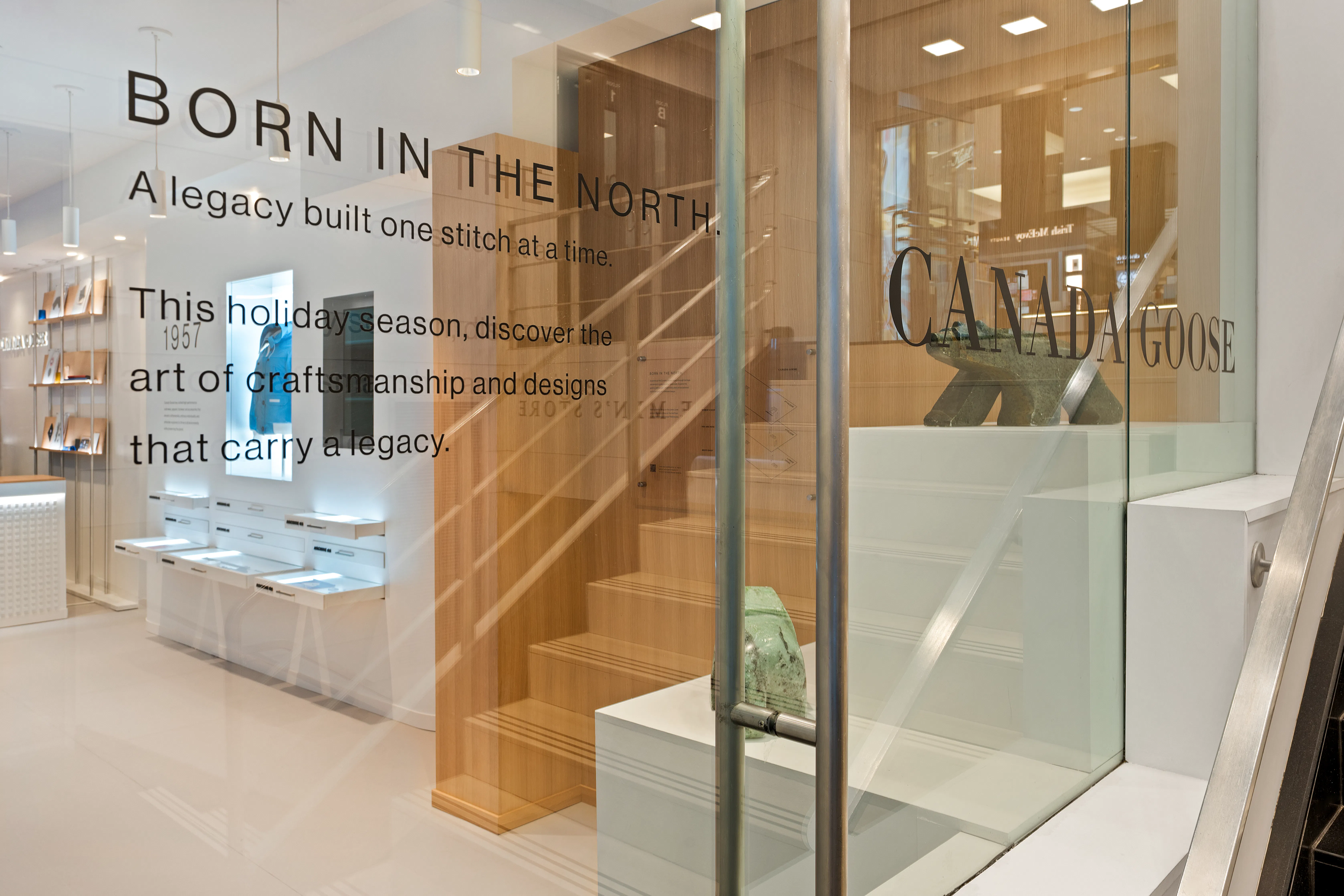
That's what the current trajectory in experiential marketing trends confirms across the industry: the brands earning loyalty from younger luxury consumers are the ones treating the physical brief as a cultural statement, not a production order.
The luxury consumer in 2026 doesn't need more places to encounter products. They need experiences that justify their attention, their time, and their continued investment in a brand. The physical space, whether a pop-up in a NoLita courtyard, a custom installation at a Javits Center tradeshow, or an immersive activation built for a SoHo weekend, is where that justification either happens or it doesn't. In New York City, where the density of luxury options is unmatched and the consumer's standard for quality is calibrated accordingly, there's no room for a space that doesn't know why it exists.
Frequently Asked Questions
The Space Has to Earn the Time It Asks For
The luxury consumer profile in 2026 isn't waiting for brands to catch up. It's already calibrated around a different set of expectations: experiences over ownership, cultural specificity over adapted templates, quiet craft over conspicuous branding. These aren't emerging trends. The Bain data, the demographic research, and the global spending patterns all point in the same direction.
What this means practically is that the physical touchpoints brands invest in, whether a pop-up activation on Bleecker Street or a custom exhibit at a major industry event, have to operate as genuine experiences. The space has to earn the time it asks for. It has to communicate before it speaks, using materials, light, and spatial sequence to tell the brand's story to people who are skilled at reading rooms.
Getting that right requires more than creative ambition. It takes a production partner fluent in both the design language and the logistical reality of building at this level.
If your brand is ready to build physical experiences that resonate with today's luxury consumer, start a conversation with our team.
Let's build
If you're thinking about how your brand shows up in the world, we'd love to hear from you.