

Storytelling in Experiential Campaigns:
How Brands Spark Lasting Bonds
Storytelling in experiential campaigns is more than a trend; it is the element that turns an activation into a moment people never forget.
When audiences are invited into a living narrative, they do more than attend. They participate, they share, and they remember. The power of story lies in its ability to transform a space into an emotion and a brand into a relationship, deepening trust and loyalty along the way.
From fashion runways to global sporting events, the most impactful campaigns succeed because they feel like stories unfolding in real time. If you want your brand to resonate long after the lights fade, it starts with the story you choose to tell.
Here’s how these strategies boost recall, engagement, and long-term value throughout every stage of your campaign.
The Power of Narrative-Driven Engagement
Imagine yourself stepping into a gallery in the Lower East Side. The floors creak, the air carries the hum of conversation, and every detail, from the lights and soundscape to the textures beneath your fingers, tells a story.
What you’re experiencing is not a random assortment of design choices. It is a story unfolding in real time, one that turns a space into an emotional journey and draws people into a narrative they can truly feel, and not simply observe.
That is the heart of storytelling in experiential campaigns.
Research shows 92% of consumers pay close attention when a campaign is framed as a story. Even more so, storytelling strengthens recall and loyalty; more than half of participants reported a greater likelihood of purchasing from a brand after experiencing an immersive narrative.
Stories build trust because they make brands relatable and human. They spark emotional connection, and emotional connection is what makes people remember, return, and advocate.
Live experiences outperform traditional advertising precisely because of this resonance.
Check Out Our Live Experience Projects




87% of people say events leave a stronger impact than digital ads, and younger audiences are especially responsive. Millennials and Gen Z respond far more to immersive brand storytelling than to traditional ads, making experiential campaigns a vital touchpoint.
Storytelling also drives measurable business outcomes. Visual content integrated into a story can raise conversion rates by as much as 30%, while broader use of narrative frameworks has contributed to a 46% growth in storytelling-based marketing approaches over the last few years.
These connections don’t happen by chance. By engaging multiple senses, brands tap into the parts of the brain where emotion and memory intersect. And when campaigns feel like community, not pitches, they change how people see value and how deeply they commit to a brand.
At its best, narrative-driven engagement transforms an interaction into belonging. That sense of belonging is what keeps audiences leaning in, and it’s where trust begins.
Boosting Perceived Value Through Storytelling
Before a product is seen or touched, atmosphere sets the tone. Storytelling is what gives that atmosphere meaning, transforming an item or service into a symbol of something larger.
When campaigns unfold like a narrative, value is no longer tied to the price alone. It becomes a matter of belonging, aspiration, and purpose.
This approach isn’t just theater; the numbers back it up.
Research shows that 91% of people feel more positive about a brand after participating in an experience, and 74% remember that brand long after the event. This is the power of narrative:
It positions a brand not as a transaction but as part of a customer’s own story.
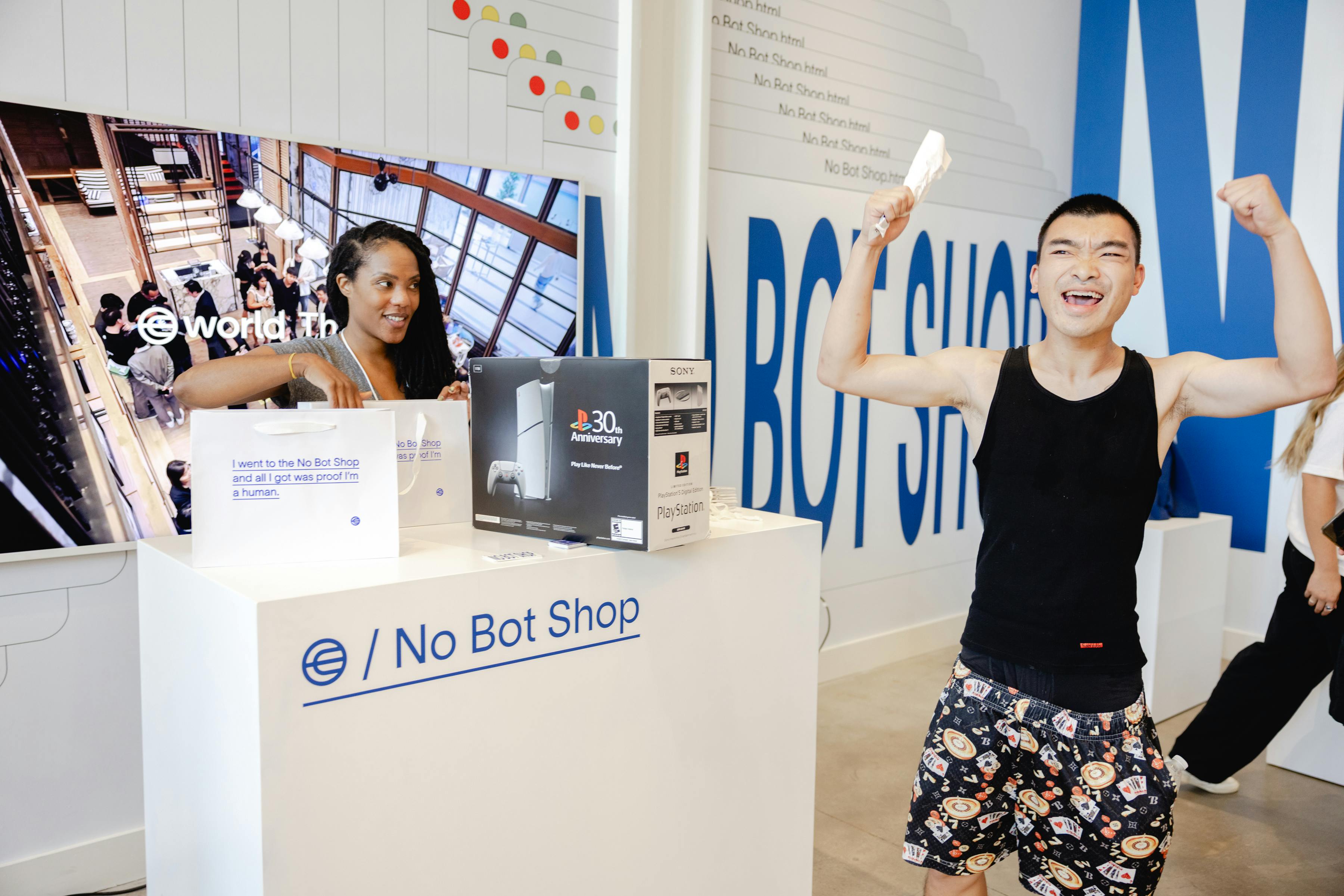
Luxury activations, in particular, repeatedly illustrate this shift. A behind-the-scenes atelier experience can make a fashion house feel more personal and intimate, while a high-touch product demo can elevate even a simple item into something aspirational.
When storytelling frames the entire experience, audiences can connect emotionally, and those emotions translate into trust, loyalty, and repeat purchases.
The takeaway for marketers is clear:
Weaving a story into every touchpoint increases both perceived value and long-term ROI.
The most impactful campaigns are the ones that feel alive, where every moment builds on the last. WONU specializes in creating those immersive journeys that turn atmosphere into lasting affinity.
Storytelling Frameworks and Core Elements
Strong experiential campaigns rarely happen without a narrative blueprint. The most effective activations borrow from time-tested storytelling frameworks that guide how audiences enter, move through, and remember an experience.
One of the most powerful approaches is placing the audience at the center as the hero. So, instead of positioning the brand as the main star, the campaign highlights the visitor’s journey, allowing them to feel that the brand is a guide helping them achieve something meaningful.
Nested loops are another technique, where smaller stories are layered inside the larger brand narrative. This structure keeps audiences engaged while reinforcing a central theme.
Signature stories also play a vital role. These are authentic, repeatable brand tales that carry emotional weight, whether they’re rooted in heritage, innovation, or community. They create a “touchstone” of sorts that customers can retell, extending the campaign’s reach.
Alongside these frameworks, user-generated content introduces authenticity and personalization. When audiences see their own voices, faces, and contributions woven into the campaign, the story becomes collective rather than one-sided.
Together, these elements turn experiences into living narratives that move beyond the event, embedding the brand into memory and culture.
Visual Storytelling and Hybrid Experience Trends
Visual storytelling in experiential campaigns has moved beyond static displays. Today, brands experiment with layers of reality, from tactile street-style activations in Tribeca to AR runway shows streamed directly to your phone.
These experiences turn audiences into participants, shaping narratives through every swipe, tap, and step into a digitally activated fitting room.
Hybrid formats are setting the pace, taking their cue from New York’s own layering of scenes. Hyperreal 3D showrooms, interactive AR filters, and user-generated micro-narratives now unfold across screens and sidewalks, giving a new dimension to brand stories.
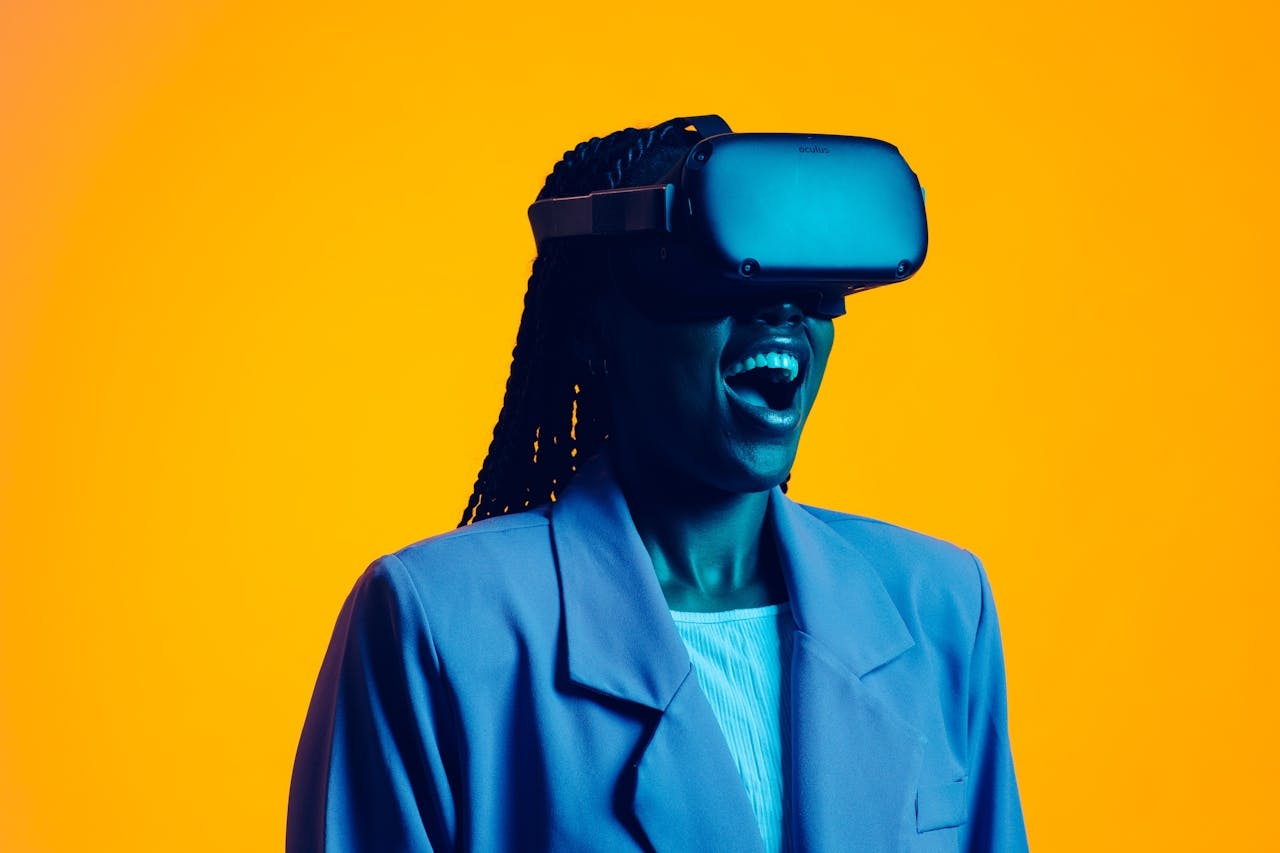
Increasingly, experiential design teams are drawing inspiration from nature-inspired aesthetics, integrating organic shapes and earthy color palettes into both digital and physical brand experiences. Campaigns now frequently feature hybrid 2D/3D animation, as well, with flat, 2D characters interacting seamlessly in three-dimensional spaces, creating visually compelling experiences.
WONU’s team ensures that these innovations carry authenticity and cultural depth. We lean into blended reality that fuses live street footage with digital artistry, designing experiences that resonate as powerfully online as they do on Soho’s sunlit sidewalks.
And for brands, this blend of tangible and virtual storytelling bridges the gap between online and offline, establishing resonance both on the ground and across digital platforms.
Who Benefits: B2B and B2C Impact
Storytelling in experiential marketing resonates across audiences; however, the way it lands in B2B versus consumer settings usually looks different.
What unites them is the ability of the narrative to turn a brand interaction into something memorable and emotionally charged.
In B2B environments, stories often emphasize trust, expertise, and partnership. A well-crafted narrative can help decision-makers see a brand not only as a vendor but as a long-term ally.
Studies show B2B campaigns with strong storytelling elements drive significantly higher engagement and conversion rates, proving that emotional connection matters even in business contexts.
For consumer audiences, authenticity takes center stage. Nearly nine out of ten shoppers report that authenticity influences which brands they support.
Have A Project In Mind?
If you're thinking about how your brand shows up in the world, we'd love to hear from you.
Experiential campaigns that highlight real stories, cultural touchpoints, or user participation foster loyalty and spark word-of-mouth. Add visuals and multisensory cues, and those moments become twenty times more memorable than facts alone.
Whether speaking to a corporate buyer or an everyday shopper, narrative-driven experiences cut through noise and improve perception. For brands willing to invest in the story, the return is more than numbers; it is trust, affinity, and relevance across every audience segment.
WONU’s method centers on creating meaningful experiences that blend creativity with cultural influences, exemplifying how purpose-driven approaches elevate storytelling in campaigns.
Measuring Success in Story-Driven Experiential Campaigns
Immersive storytelling feels electric in the moment, but the true value is proven in what lingers afterward. Measuring that impact calls for a combination of quantitative and qualitative metrics; each reveals how narrative-driven campaigns shape audience behavior and brand perception.
Engagement data provides the first layer.
Metrics such as dwell time, interaction rates, and foot traffic show how many people participated and how deeply they explored. Social shareability adds another signal; tracking hashtags, social media mentions, and user-generated content reflects how well the story inspired people to retell it in their own words.

Emotional resonance is harder to quantify but equally vital. Post-event surveys, sentiment analysis, and brand recall studies reveal whether the story stayed with the participants beyond the activation. Research consistently shows that narrative experiences score higher on recall and trust than fact-based messaging, which translates into stronger affinity and long-term loyalty.
Finally, ROI closes the loop.
Lead generation, purchase intent, and repeat engagement all connect experiential storytelling to business outcomes. Increasingly, brands also track values-based metrics, from sustainability to community impact, to make sure their campaigns align with what modern audiences prioritize.
When all these layers are measured together, the results go beyond attendance numbers. They show how storytelling boosts brand relevance, builds authentic connections, and drives both cultural and commercial returns. That is the true measure of a story well told.
Where Stories Become Experiences
Every memorable campaign begins with a narrative that feels alive. The most successful brands know it is not the product alone that grabs customer attention, but the way people are invited to connect, participate, and carry that story into their own lives.
WONU believes storytelling is the cornerstone of experiential design.
Our work is rooted in cultural authenticity and crafted with care, ensuring that every activation resonates across audiences and leaves a lasting mark. If your brand is ready to create experiences that people talk about long after the lights fade, we would love to help bring that vision to life.
Reach out today and explore what narrative-led campaigns can do for your business.
Let's build
If you're thinking about how your brand shows up in the world, we'd love to hear from you.